What an Anti-Tracking Idler Does
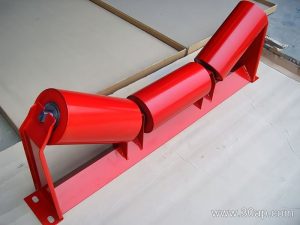
An anti-tracking idler is a specialized conveyor component designed to keep the belt centered on its path. Unlike standard carrying or return idlers that primarily support the belt, this idler actively corrects misalignment. It is often referred to as a self-aligning idler or training idler, but its function remains focused on preventing belt drift. In industries such as mining, cement plants, and power plant coal handling, where long conveyors and heavy loads are common, an anti-tracking idler helps reduce edge damage and material spillage.
Construction and Working Principle
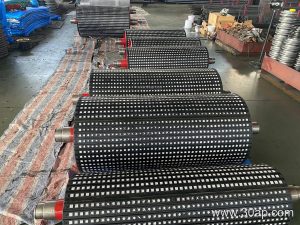
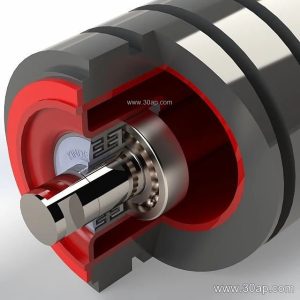
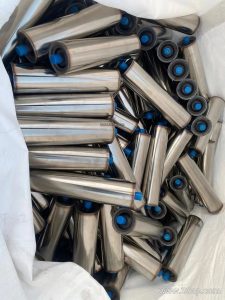
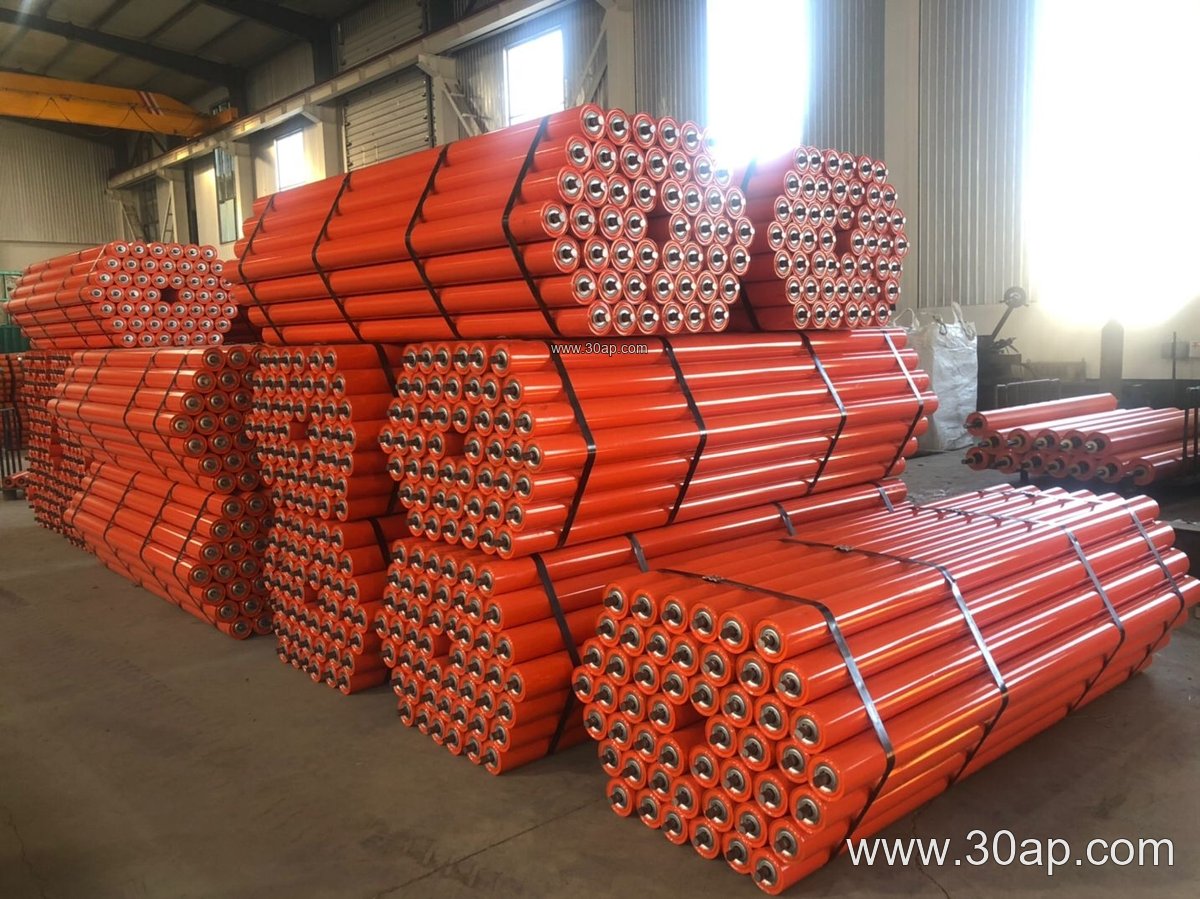
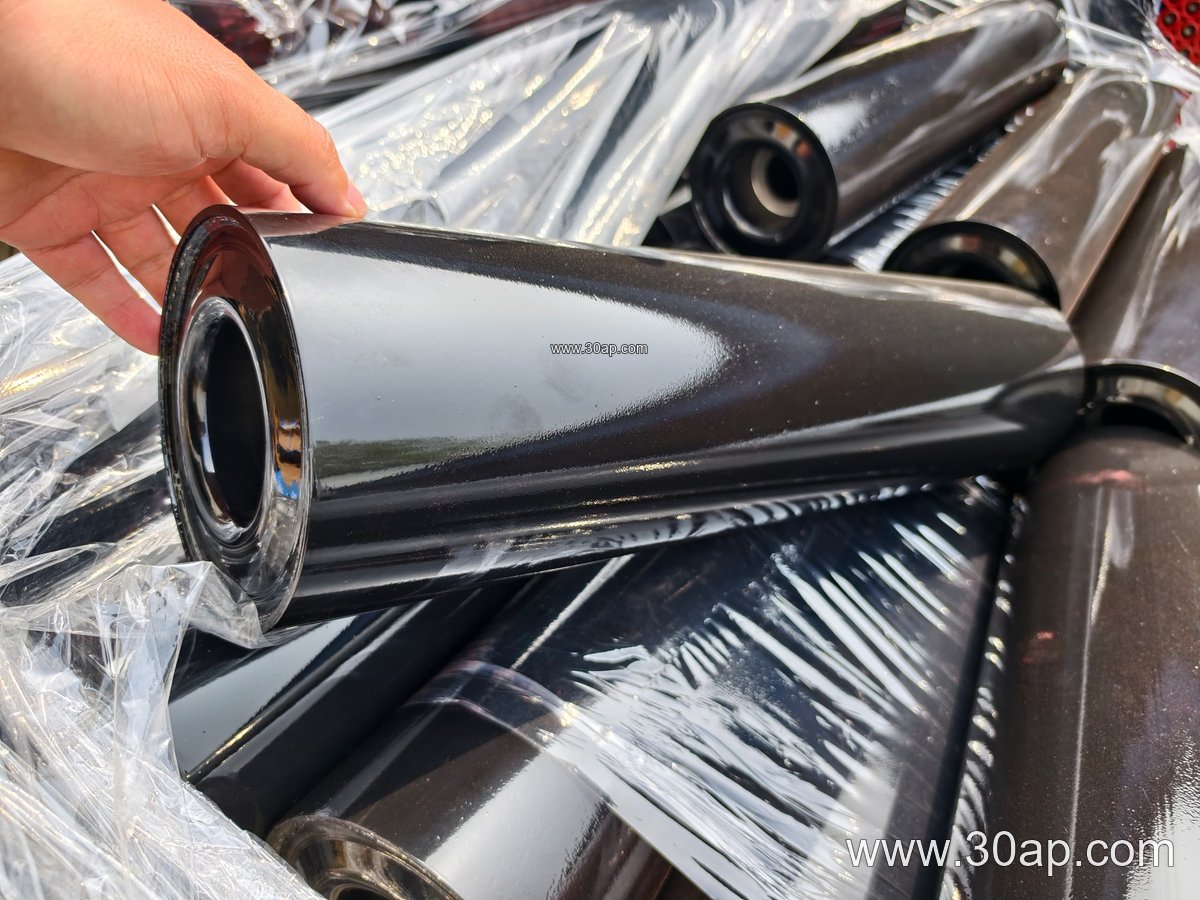
These idlers typically feature a pivoted frame that allows the roller assembly to angle slightly when the belt contacts a vertical guide roller. This angular adjustment creates a steering effect on the belt, guiding it back to the center. The rollers themselves are often made of steel tube, sometimes with rubber or ceramic lagging for extra grip. Bearings such as 6205 or 6306 are commonly used, depending on the load and roller diameter. The idler is mounted on a sturdy bracket that permits rotation, and the entire unit is engineered to withstand continuous operation in dusty and abrasive environments.
Where They Are Used
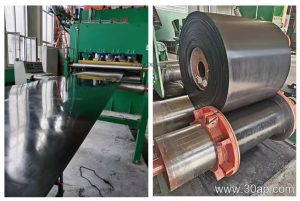
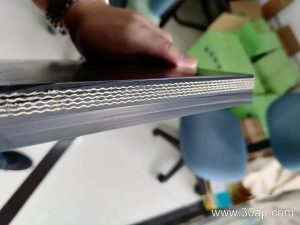
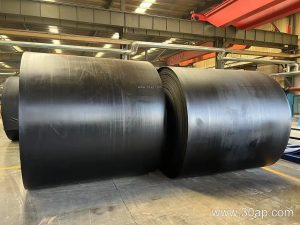
Anti-tracking idlers are essential in quarry and aggregate conveyor lines, where belt misalignment can cause costly downtime. They are also found in underground coal mining conveyor systems, where space is limited and reliability is critical. In cement plants, they help maintain proper belt tracking on long overland conveyors. The idler works in conjunction with the conveyor belt, often an EP conveyor belt or a steel cord conveyor belt, to ensure smooth material flow. For harsh conditions, a flame retardant conveyor belt or an abrasion resistant conveyor belt may be paired with these idlers to extend service life.
Key Parameters and Selection
When selecting an anti-tracking idler, several parameters must be considered. Roller diameter is a primary factor, with common sizes including Ø89, Ø108, Ø133, and Ø159. The belt width also dictates the idler size; for instance, a 800mm conveyor belt would typically use an idler with a roller length around 315mm for a three-roll troughing set, but this can vary with trough angle and design. Trough angles of 20, 30, 35, or 45 degrees are common. The table below provides reference data for typical combinations, though actual selection should be based on specific conveyor design.
| Belt Width (mm) | Common Roller Diameter (mm) | Approx. Roller Length (mm) | Typical Bearing |
|---|---|---|---|
| 500 | 89 | 200 | 6204 |
| 650 | 89 | 250 | 6205 |
| 800 | 108 | 315 | 6305 |
| 1000 | 108 | 380 | 6306 |
| 1200 | 133 | 465 | 6308 |
| 1400 | 133 | 530 | 6308 |
| 1600 | 159 | 600 | 6310 |
| 1800 | 159 | 670 | 6310 |
Note that these are common examples, and side rollers may differ from center rollers. The bearing size should be matched to the load and speed, not solely to the roller diameter.
Buyer’s Checklist
- Verify the belt width and trough angle to ensure proper fit.
- Check the roller surface: steel, rubber, or ceramic, based on material stickiness and abrasion.
- Confirm the bearing type and sealing arrangement for dust and water resistance.
- Ensure the idler frame is compatible with the existing conveyor bracket.
- Consider the environment: for coal mining, choose flame retardant components; for high-temperature materials, heat resistant options may be needed.
For reliable tracking, pair the anti-tracking idler with quality conveyor pulleys and well-maintained conveyor brackets. In systems using a pipe conveyor belt or corrugated sidewall conveyor belt, special attention to idler placement is required. Always consult the conveyor design manual for specific recommendations.