What a 6204 Bearing Idler Is
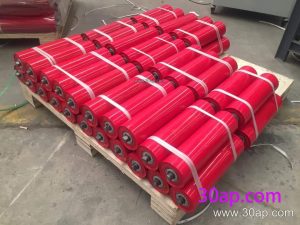
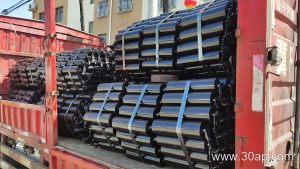
A 6204 bearing idler is a conveyor idler roller that uses a 6204 deep groove ball bearing in its end assemblies. This bearing size is common in light to medium duty idlers where shaft diameters and load ratings align with the application. The idler roller itself may be a carrying idler on the top run or a return idler beneath the belt, but the defining feature is the 6204 bearing pressed into the bearing housing. In a quarry or a sand and gravel line, these idlers keep the conveyor belt moving smoothly while handling abrasive material. The same 6204 bearing idler can appear in a cement plant’s clinker transport or a power plant’s coal handling system, provided the load and speed are within its design envelope.
Construction and Bearing Fit
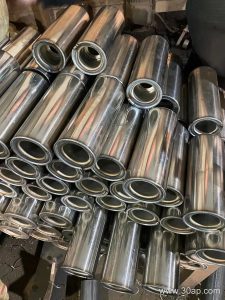
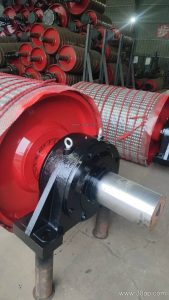
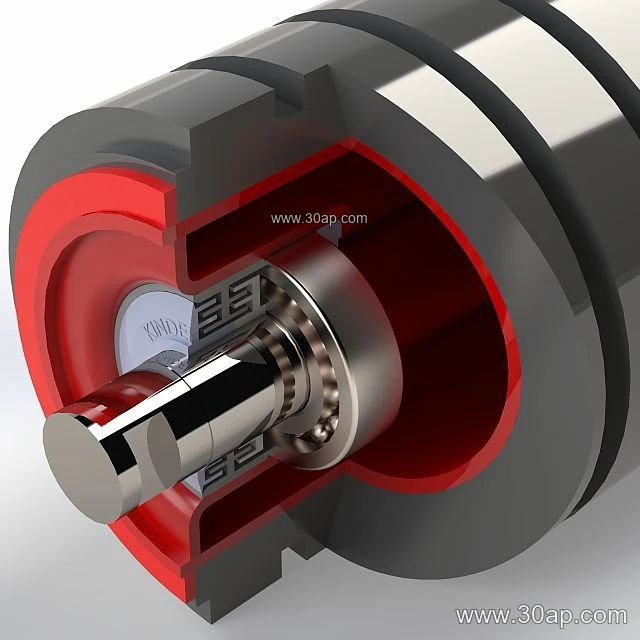
An idler roller with 6204 bearings typically consists of a steel tube shell, a through shaft, bearing housings at both ends, and a sealing arrangement. The 6204 bearing has a bore that matches the shaft diameter, and its outer ring sits in the housing. Common roll diameters for such idlers include Ø63, Ø76, Ø89, Ø102, and Ø108 mm, though the exact match depends on the conveyor design rather than the bearing alone. The roller surface may be plain steel, nylon, or rubber rings for impact absorption. Seals are critical in dusty environments such as a limestone mine or a coal mining conveyor, where fine particles can shorten bearing life. A well-sealed 6204 bearing idler reduces maintenance in those conditions.
Where It Fits on the Conveyor
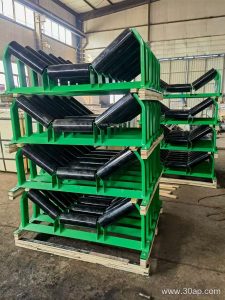
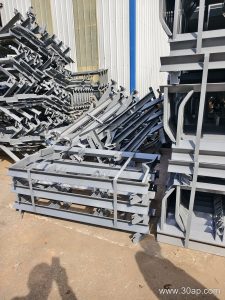
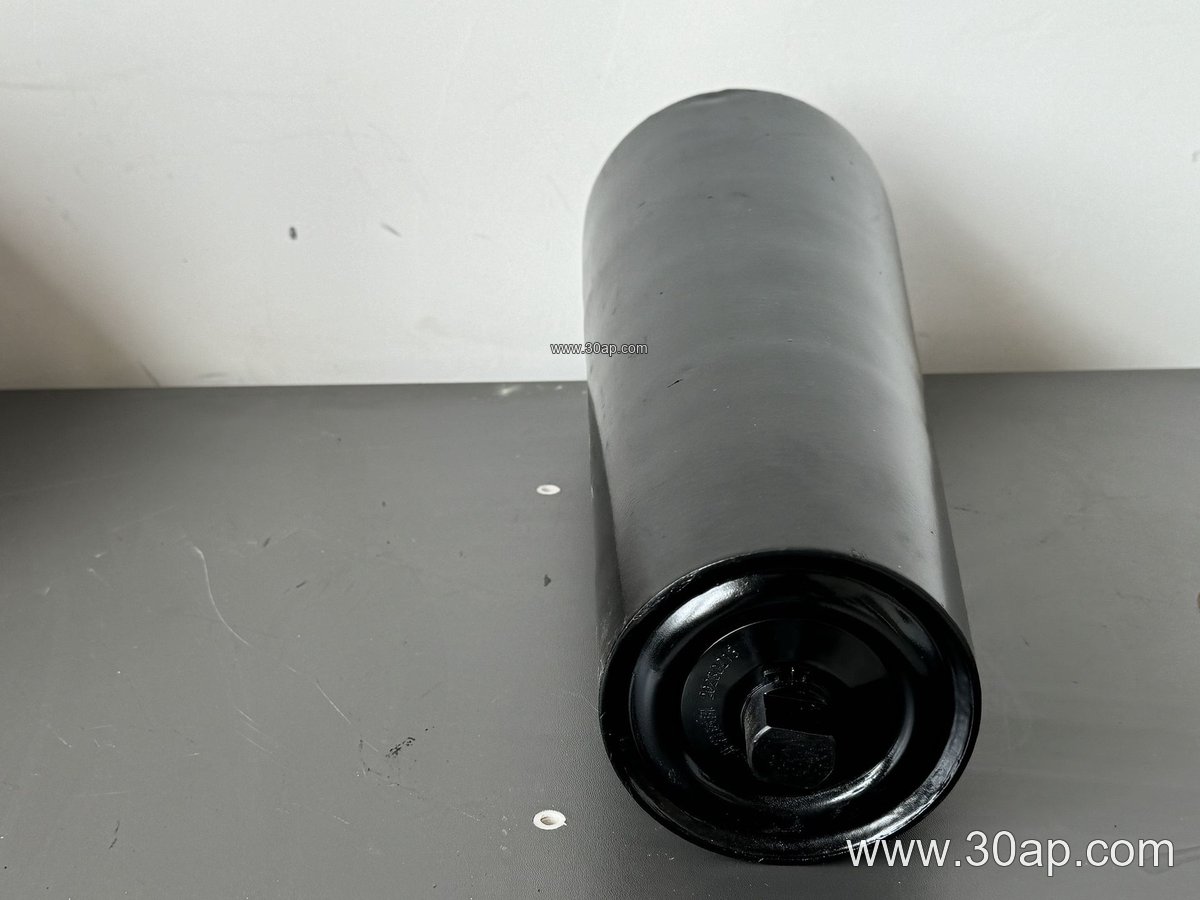
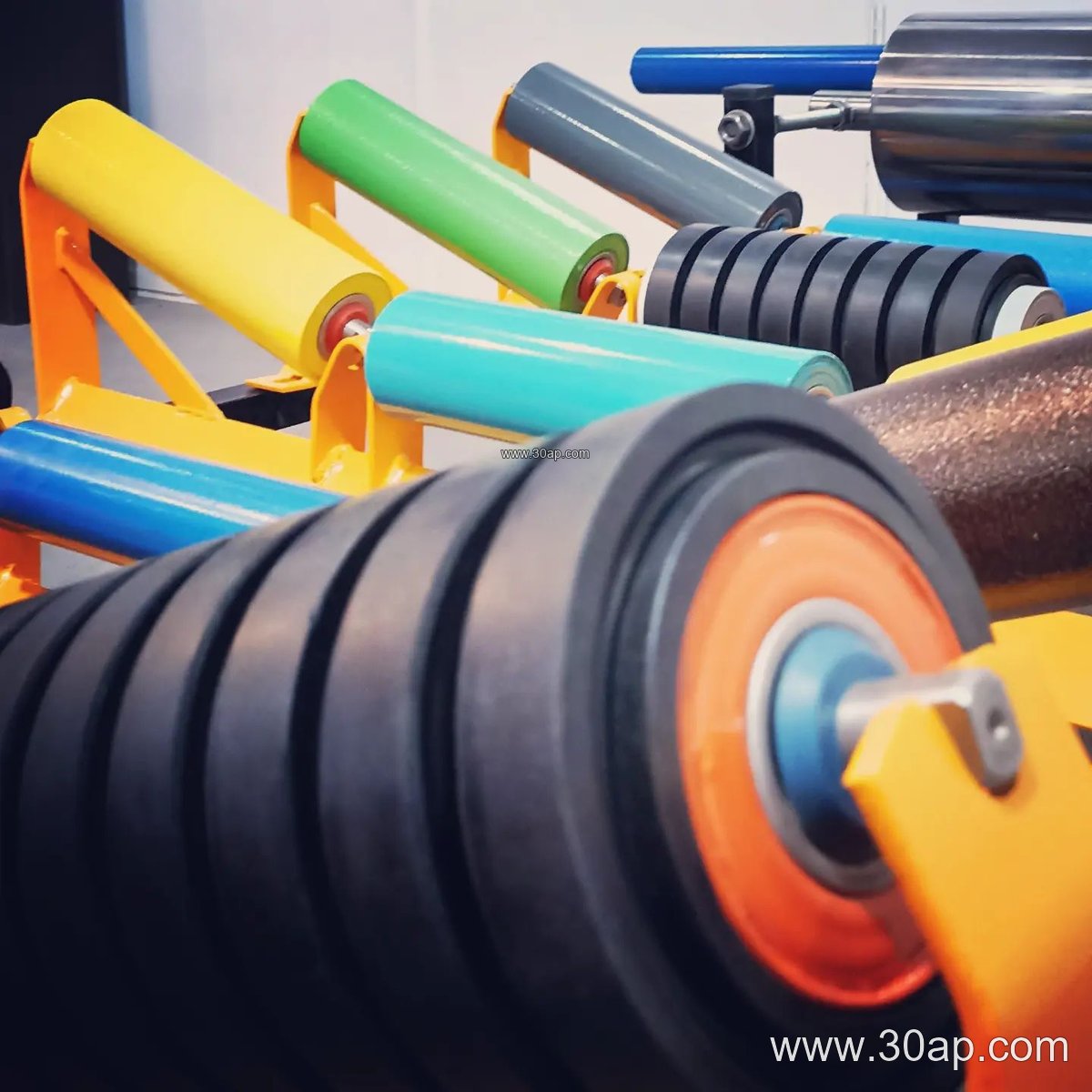
You will see this idler in troughing sets, return sets, and transition areas. In a three-roll troughing set, the side rollers and center roller may use 6204 bearings when the belt width and load are moderate. For example, a B650 or B800 conveyor belt in an aggregate plant often uses idlers with smaller bearings, while heavier belts may step up to 6205 or larger. The 6204 bearing idler is not limited to one belt width, and a B500 or B1000 system can use it if the engineering calls for it. On the return side, a flat return idler or V-return idler with 6204 bearings supports the empty belt. In a tunnel excavation project, these idlers help keep the conveyor belt aligned despite wet and gritty conditions.
Common Industries and Belt Types
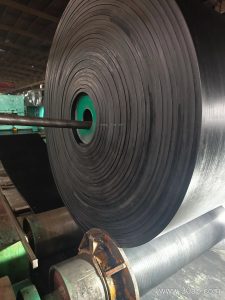
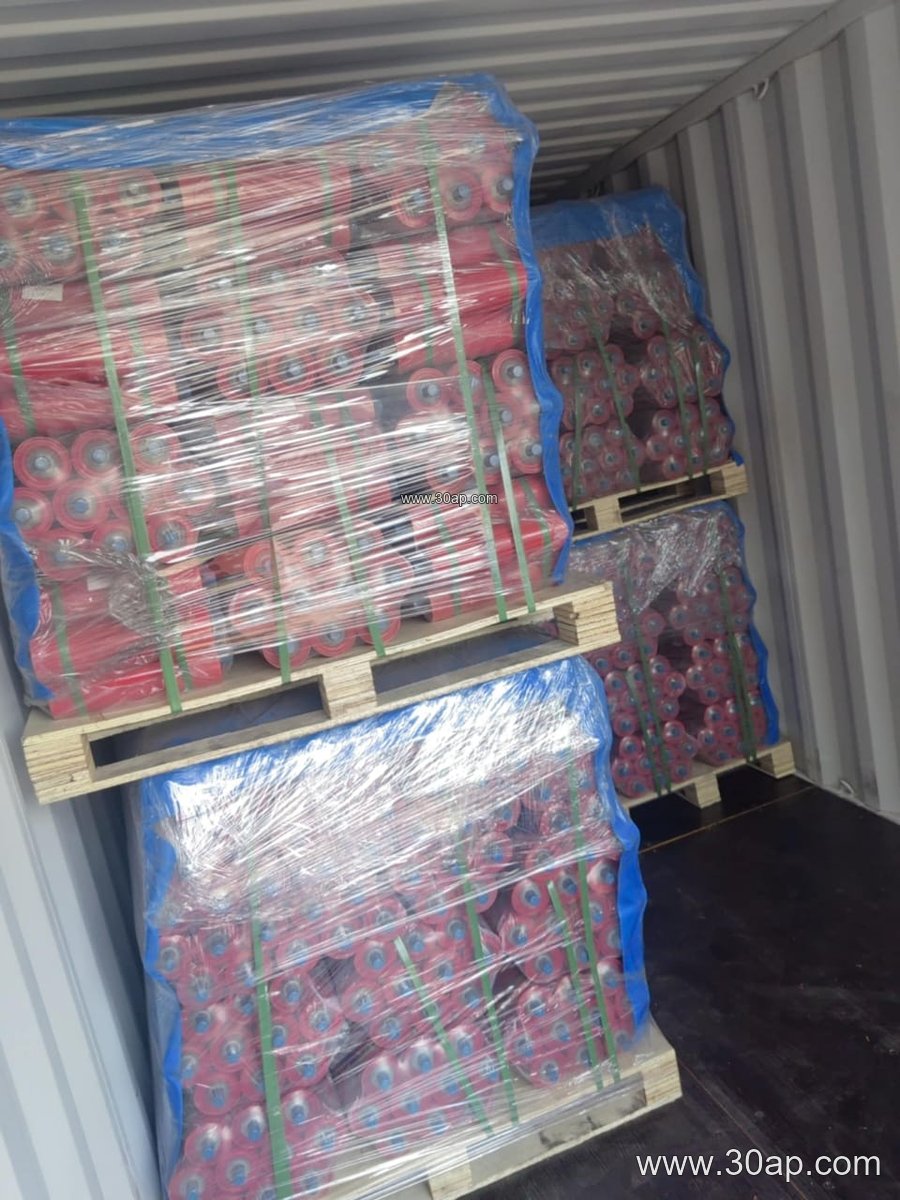
Industries that rely on belt conveyors often specify 6204 bearing idlers for moderate loads. A stone crushing plant may pair them with an abrasion resistant conveyor belt, while a cement plant might use them under a heat resistant conveyor belt in cooler zones. In a coal washing plant, flame retardant conveyor belt and 6204 bearing idlers work together to meet safety needs. The idler roller itself does not change the belt type, but matching bearing capacity to the belt’s weight and the material load is essential. For heavy-duty mining conveyor belt applications with high tonnage, larger bearings are usually selected, so the 6204 version is more common in auxiliary or lighter conveyors.
Selection and Maintenance Notes
When choosing a 6204 bearing idler, consider the belt width, the trough angle, and the idler’s roll length. Common trough angles are 20, 30, 35, and 45 degrees. Roll length varies with belt width and idler type; for a three-roll troughing set, a B800 belt might use a 315 mm roll, while a B1200 belt could use 465 mm. These are typical references, not fixed rules. The 6204 bearing should not be assumed to fit every shaft or every roll diameter. Buyers should confirm the shaft diameter, housing bore, and seal type with the supplier. Maintenance involves checking for seized bearings, worn seals, and shell wear. In a dusty iron ore or copper ore operation, regular inspection of the idler roller and bearing housing prevents belt misalignment and downtime. Proper lubrication and seal integrity extend the life of the 6204 bearing idler.
Buyer Checklist
- Confirm the bearing is 6204 and matches the shaft and housing dimensions.
- Check the roll diameter and length against the conveyor belt width and idler set.
- Select the seal type for the environment, such as dust or moisture.
- Verify the idler’s load rating for the material being conveyed.
- Consider the trough angle and idler spacing for proper belt support.
For more information on conveyor components, visit our site at www.example.com for conveyor belt and idler roller guidance. Whether you are specifying a 6204 bearing idler for a quarry conveyor or a coal mining conveyor, matching the bearing to the duty is the key to reliable operation.