What a Cement Plant Conveyor Belt Is
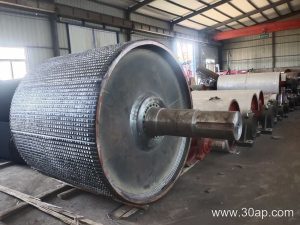
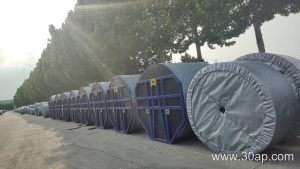
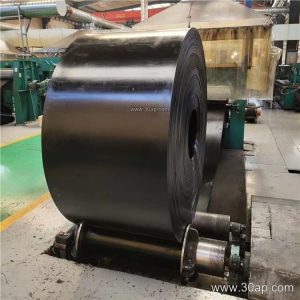
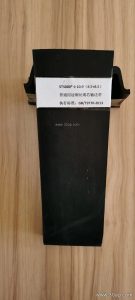
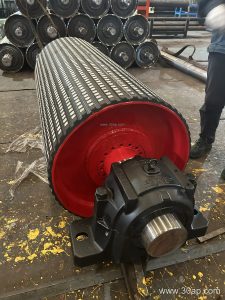
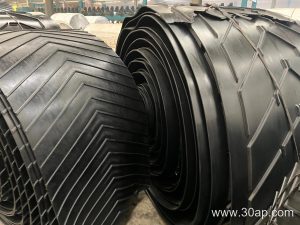
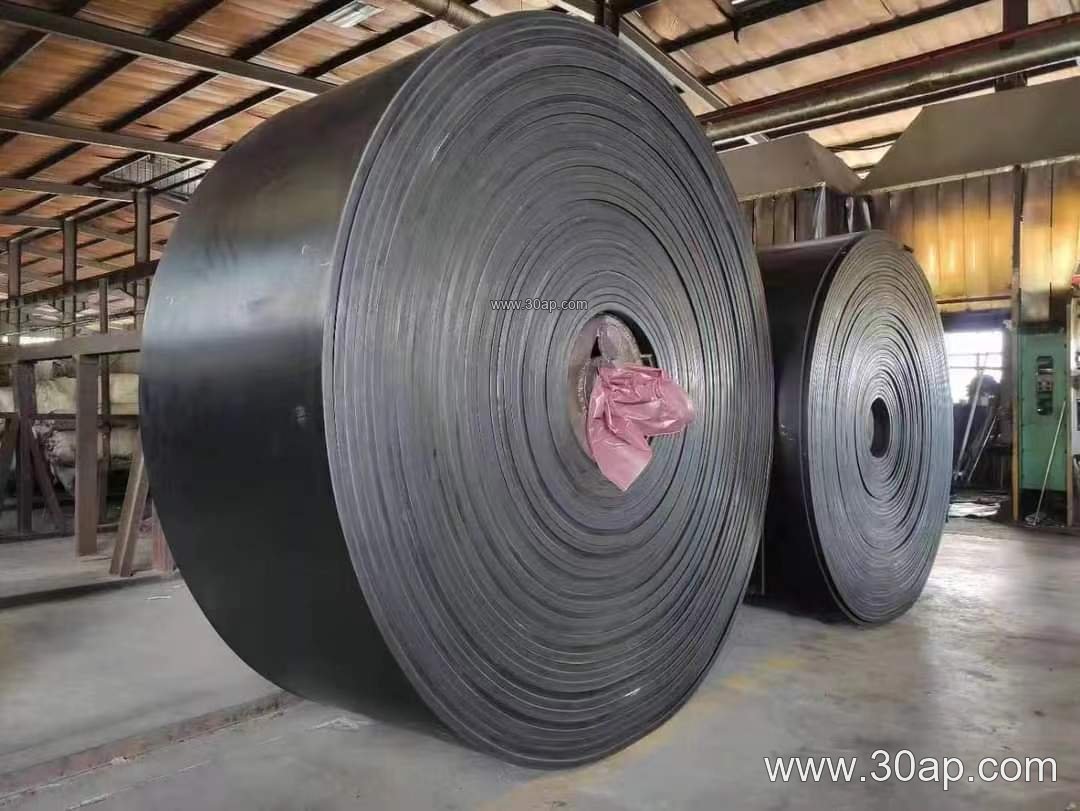
A cement plant conveyor belt is the load-carrying element of a troughed conveyor that moves limestone, clinker, gypsum, raw meal, and bagged cement between crushers, silos, kilns, and loading points. In cement and quarry work the belt is usually a heavy-duty rubber belt with a fabric or steel cord carcass, chosen for abrasion resistance and stable tracking under constant dust load. The same product is often called a cement conveyor belt or simply a rubber conveyor belt for cement handling, and those names describe the same item. Drive pulleys, tail pulleys, and bend pulleys are separate components that transfer power and change belt direction; none of them is a substitute for the belt itself.
Construction and Common Specifications
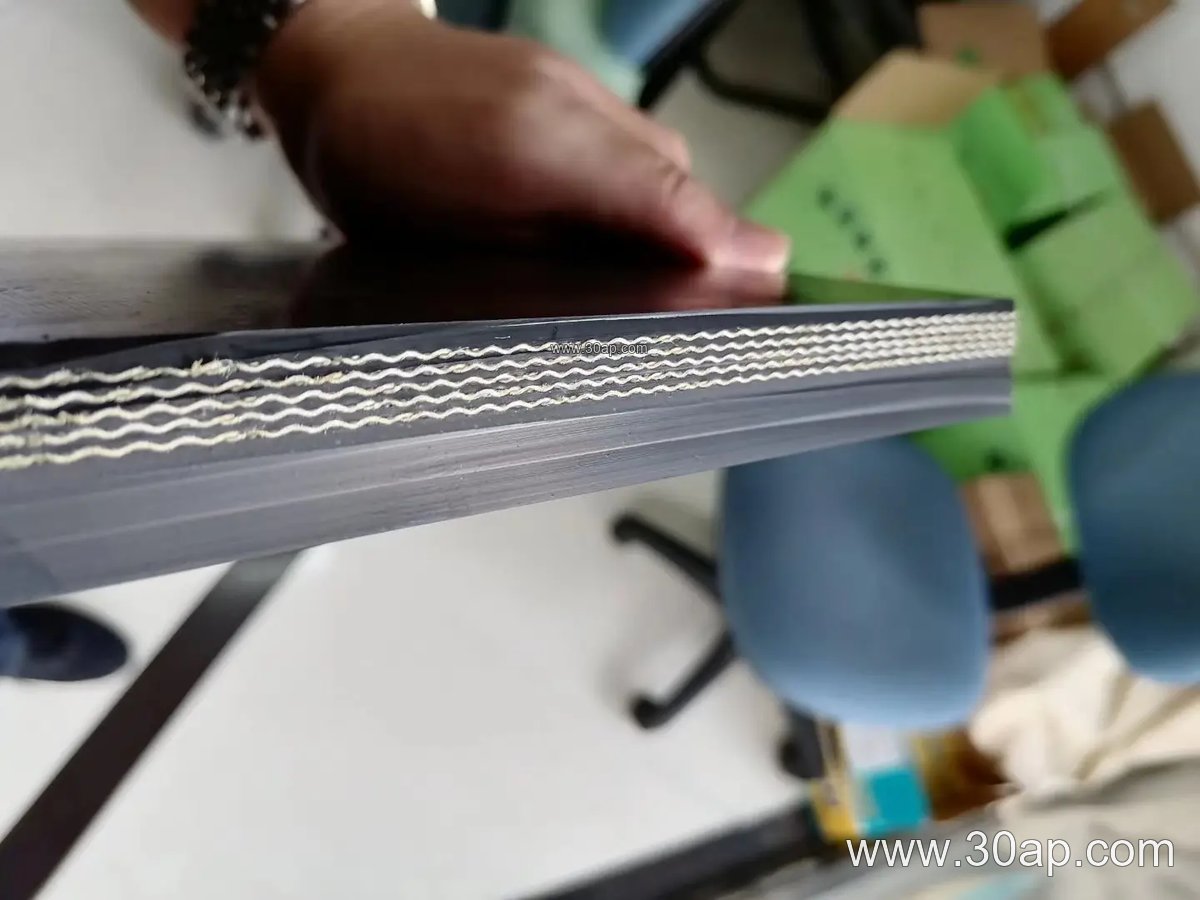
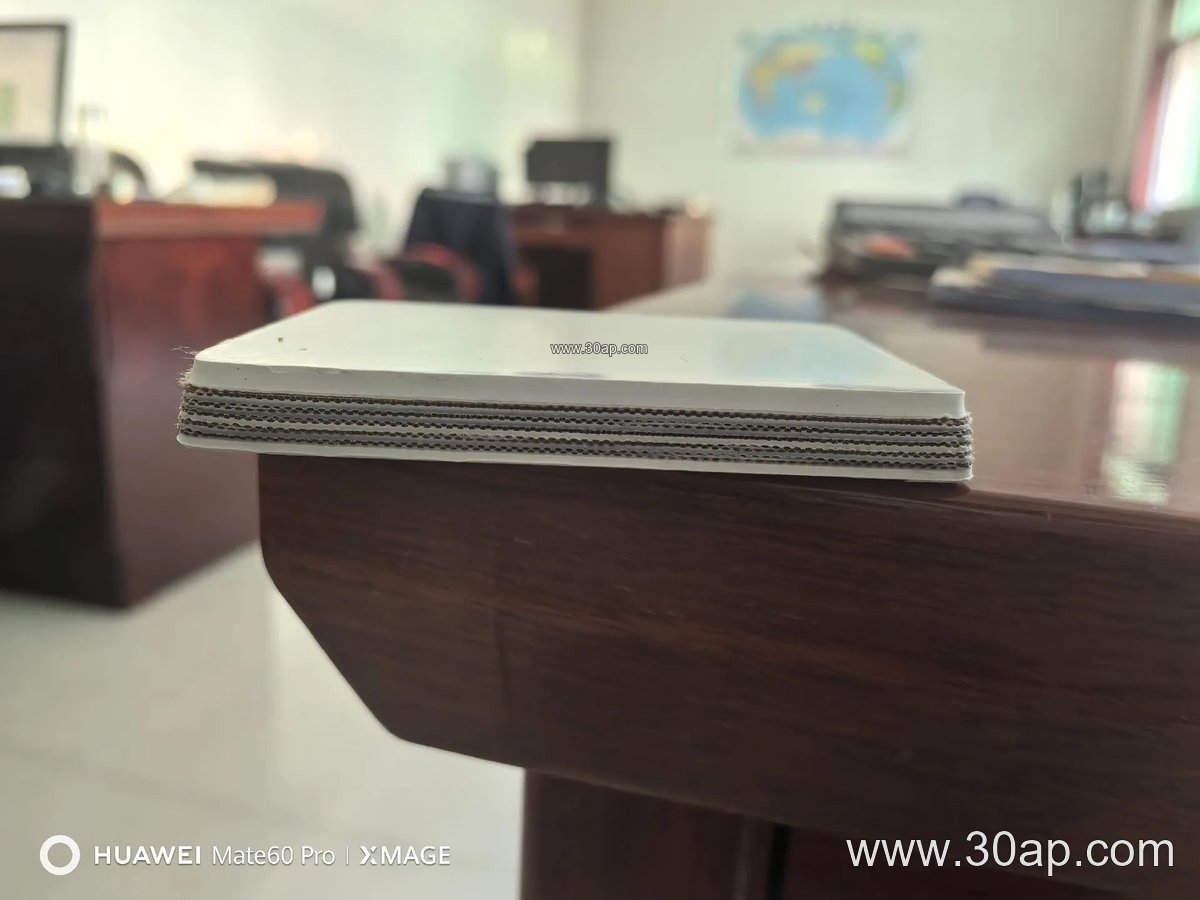
The carcass carries the tension, while the top and bottom covers protect it from sharp clinker, hot material, and fine dust. Fabric belts normally use 2 to 6 plies; steel cord belts are used where long center distances and high tension call for fewer splices and less stretch. Cover grade and thickness should follow the duty: abrasive limestone and clinker favor a wear-resistant cover, kiln-adjacent sections may need heat resistance, and enclosed transfer houses may call for flame-retardant and antistatic properties.
Typical Reference Data
The values below are common reference ranges, not fixed matches or supply promises. Final sizes are confirmed by the conveyor design.
| Parameter | Common options | Notes |
|---|---|---|
| Belt type | EP, NN nylon, steel cord, heat-resistant, abrasion-resistant, flame-retardant, antistatic | Match the dominant risk: wear, heat, or fire |
| Tensile strength | EP200, EP315, EP400, EP500, EP630, EP800, EP1000, EP1250 | Higher grades for longer, heavier runs |
| Belt width | B500, B650, B800, B1000, B1200, B1400, B1600 | Set by capacity and lump size |
| Cover thickness | 3+1.5, 4+2, 5+2, 6+2, 8+3 mm | Top cover carries the wear |
| Carcass plies | 2 to 6 layers | Fabric belts only |
Belt width and pulley diameter are separate design decisions. A B800 belt may run on different pulley sizes depending on tension and wrap angle, and there is no rule that ties one width to one pulley diameter. Shaft diameter follows the pulley and bearing design, not the belt width alone.
Where It Runs in a Cement Line
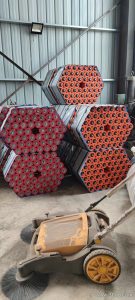
Typical duty points include the primary crusher discharge, the raw mill feed, clinker transport from the cooler, gypsum and additive dosing, and the packing plant. In each case the belt works with idler rollers that support the trough, a conveyor pulley at the head and tail, and conveyor brackets that hold the frame and rollers in line. Dust, spillage, and high temperatures shorten cover life, so cleaning and alignment matter as much as the initial grade.
Buyer Checklist
- State the material, lump size, temperature, and whether the belt runs outdoors or in an enclosed gallery.
- Confirm the required tensile grade and belt width against the actual conveyor tension, not by habit.
- Choose cover thickness for the wear point; consider a thicker top cover where clinker impact is heavy.
- Ask for the splice method and check that the carcass suits it.
- Review the condition of idler rollers, pulleys, and brackets before blaming the belt for mistracking.
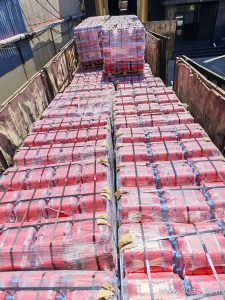
- Keep spare belt length and splice materials on site for planned shutdowns.
Maintenance and Long Service
Inspect the belt for edge damage, cover wear, and exposed carcass at each shift. Check that idler rollers turn freely, that the conveyor pulley lagging is intact, and that conveyor brackets remain secure after vibration. Keep the belt centered through loading points, since off-center feed is a frequent cause of edge wear in cement plants. Store spare rolls away from heat and sunlight, and rotate them before installation. A belt chosen for the real duty and maintained with its rollers and pulleys will usually outlast one selected on width alone.