What a Head Bend Pulley Does
A head bend pulley is a directional pulley placed near the head drive of a conveyor to guide the return strand of the conveyor belt. It is not a drive pulley and not a tail pulley; its job is to change belt direction and maintain proper wrap around the head pulley or another component. In many bulk material handling lines, this bend pulley helps route the belt cleanly back toward the tensioning or tail section, reducing interference with structural elements and improving belt tracking.
Because the head bend pulley sits close to the discharge end, it often works alongside the head pulley, conveyor bracket, and idler roller assemblies. In quarry and aggregate circuits, a well-positioned bend pulley can keep the return belt clear of the discharge chute and structural beams. In coal mining and underground mining conveyor systems, space is tight, so the bend pulley geometry must be planned with the conveyor profile from the start.
Construction and Surface Options
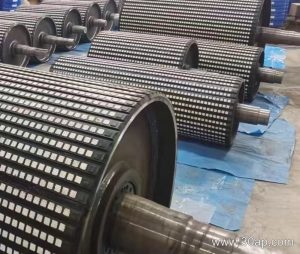
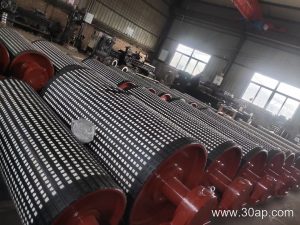
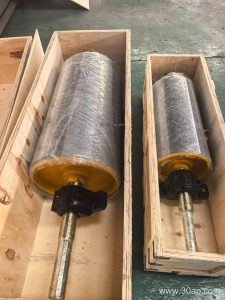
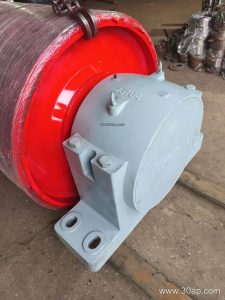
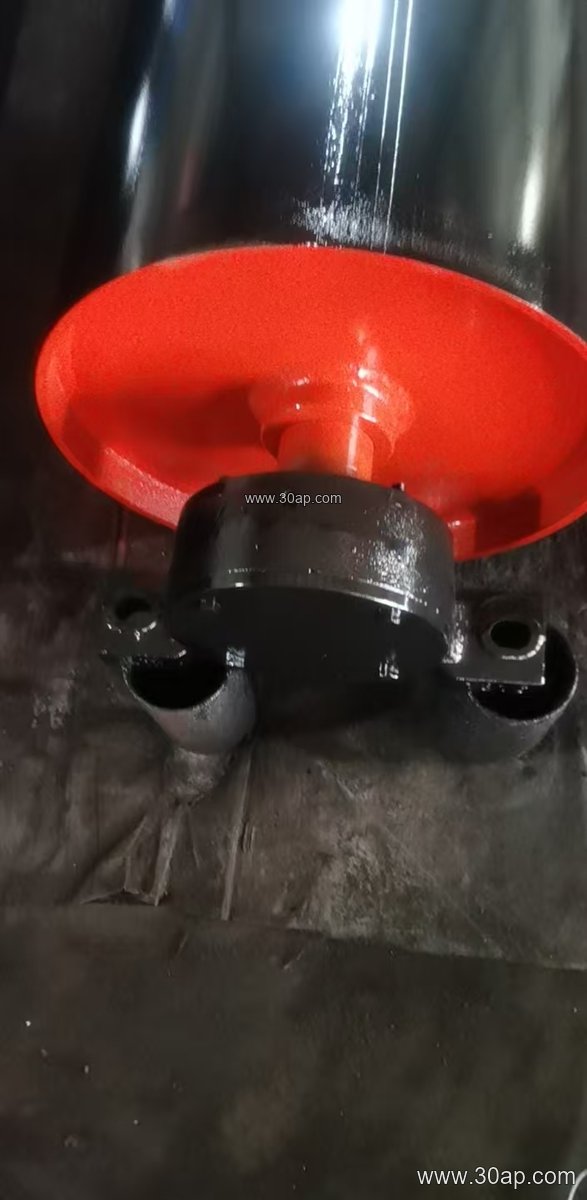
The pulley body is typically a welded steel drum with a shaft, hubs, and bearing housings. The shell may be plain or covered with rubber, ceramic, or other lagging to improve grip and protect the belt. Surface choices for a head bend pulley include plain finish, cast rubber, cold-bonded rubber, hot vulcanized rubber, diamond lagging, herringbone lagging, and ceramic lagging. Lagging thickness commonly ranges from 8 mm to 20 mm depending on belt tension and environmental conditions.
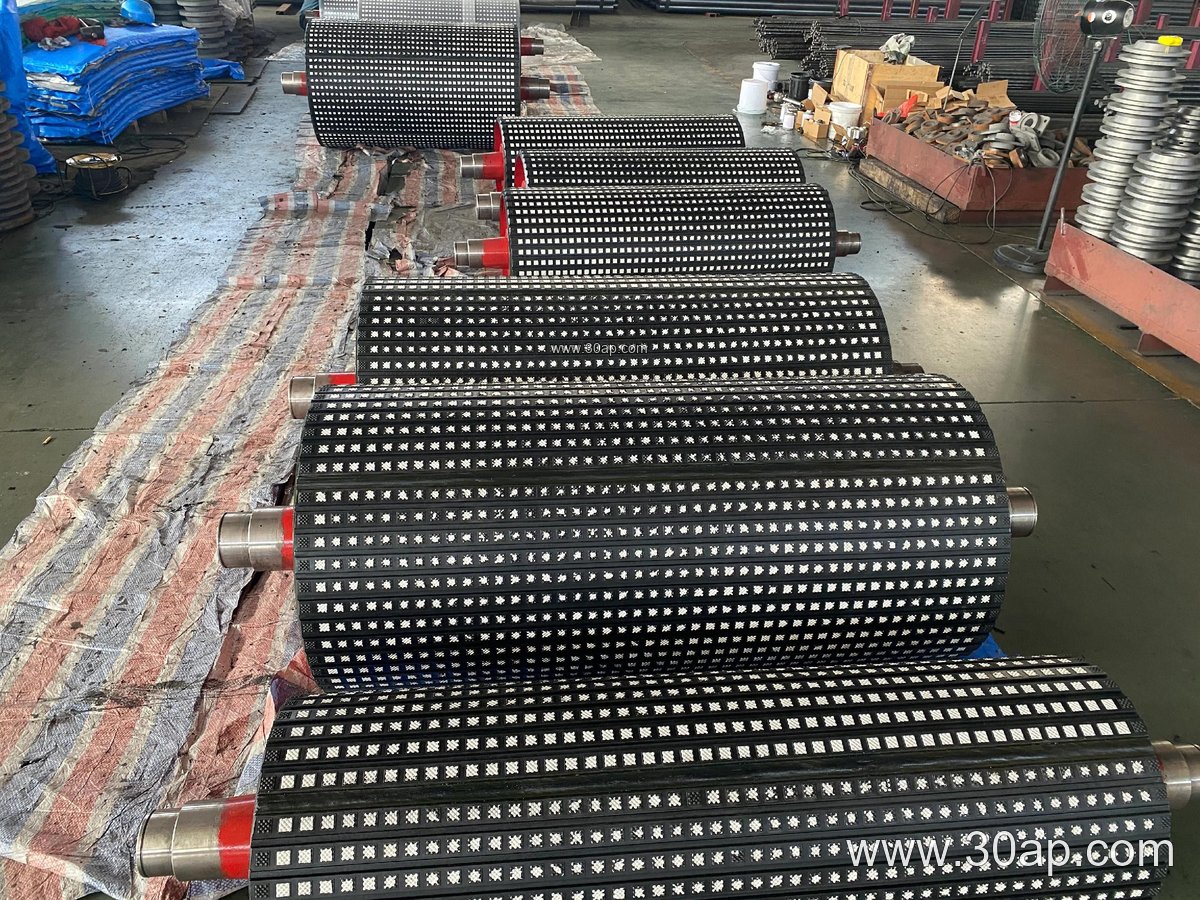
Bearing selection and shaft diameter are determined by torque and load, not by belt width alone. Common shaft diameters include Ø50, Ø60, Ø70, Ø80, Ø90, Ø100, Ø120, Ø140, Ø160, Ø180, and Ø200 mm, but the final value must come from the conveyor design calculation. The pulley face width is usually slightly wider than the belt; for example, a B800 belt often matches a pulley face around 950 mm, and a B1200 belt around 1400 mm. These are reference relationships, not fixed rules.
Where It Fits in the Conveyor Layout
In a typical conveyor, the head bend pulley is mounted after the head pulley on the return side. It may be used to increase belt wrap on the head pulley, to clear a discharge hood, or to route the belt toward a take-up pulley. In cement plant clinker lines and power plant coal handling systems, the head bend pulley often sits in a dusty, high-temperature area, so heat resistant conveyor belt and abrasion resistant conveyor belt grades may be used on the same conveyor. The bend pulley itself should be selected with bearing protection and lagging that suit the environment.
For long overland conveyors using steel cord conveyor belt or high strength conveyor belt, the head bend pulley must be sized to handle the return strand tension without excessive deflection. In port bulk terminals and ship loading conveyors, a smooth-running head bend pulley helps maintain stable belt tracking during variable loading. The same principle applies in stone crushing plants and sand making plants, where fine dust and small particles can accumulate on pulley faces.
Key Selection Points for Buyers
- Belt width and pulley face: Confirm the actual belt width, such as B650, B1000, or B1400, and check that the pulley face is wide enough. Do not assume one belt width always matches one pulley diameter.
- Diameter and shaft: The pulley diameter should be reviewed against belt stiffness and minimum bend radius. Shaft diameter must be calculated from torque and load, not copied from a belt width table.
- Lagging: Choose plain, rubber, diamond, herringbone, or ceramic lagging based on grip and wear. In abrasive ore and iron ore applications, abrasion resistant lagging may extend service life.
- Bearing and sealing: Dusty environments such as limestone mines and cement plants require effective sealing. In wash-down or humid areas, corrosion protection matters.
- Mounting interface: Check the conveyor bracket dimensions, bearing housing type, and available space near the head pulley.
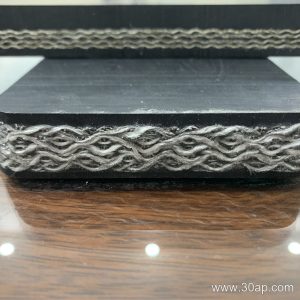
When specifying a head bend pulley, share the conveyor layout, belt type, belt width, expected tension, and environmental conditions with the supplier. Mention whether the conveyor uses EP conveyor belt, NN conveyor belt, or steel cord conveyor belt, because belt stiffness affects the minimum pulley diameter. For example, a B1200 × Ø1000 head bend pulley may suit one layout, while a B800 × Ø500 unit fits another; neither combination is universal.
Maintenance and Compatibility
Regular inspection of the head bend pulley should cover lagging wear, bearing temperature, and alignment with the conveyor belt. Misalignment can cause belt edge damage and premature idler roller failure. In coal mining conveyor belt systems, flame retardant conveyor belt and anti-static conveyor belt grades are often required, and the pulley should be compatible with the belt’s electrical conductivity requirements. Keeping the pulley surface clean is especially important in fertilizer, grain silo, and recycling conveyors where material buildup can affect tracking.
Finally, remember that drive, tail, and bend pulleys are not interchangeable. The head bend pulley is a directional component, and its design should support the belt path rather than drive or tension the belt. A clear specification and a layout drawing will help ensure the right pulley arrives for the job.