What the ST3150 Conveyor Belt Is
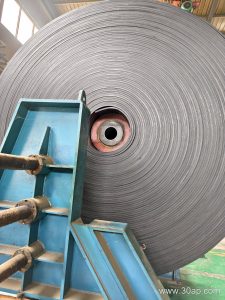
The ST3150 Conveyor Belt is a steel cord conveyor belt built for conveyor systems that carry very high tension loads over long distances. In the steel cord family, the number after ST usually refers to the nominal breaking strength of the cord layer in newtons per millimeter of belt width. ST3150 sits near the top of the common range, above ST2500 and well above ST2000 or ST1600. That makes it a heavy-duty choice for large tonnage flows, long center distances, and steep or heavily loaded profiles where fabric belts would need too many plies.
It is a steel cord belt, not an EP fabric belt or an NN belt, and it should not be confused with those constructions. An EP conveyor belt or a multi-ply fabric core belt has woven fabric carcass layers. The ST3150 uses parallel steel cords as the tension-bearing element, embedded in rubber. The accurate equivalent name is steel cord conveyor belt ST3150, and in some catalogues it appears simply as ST3150 belt.
Construction and Build
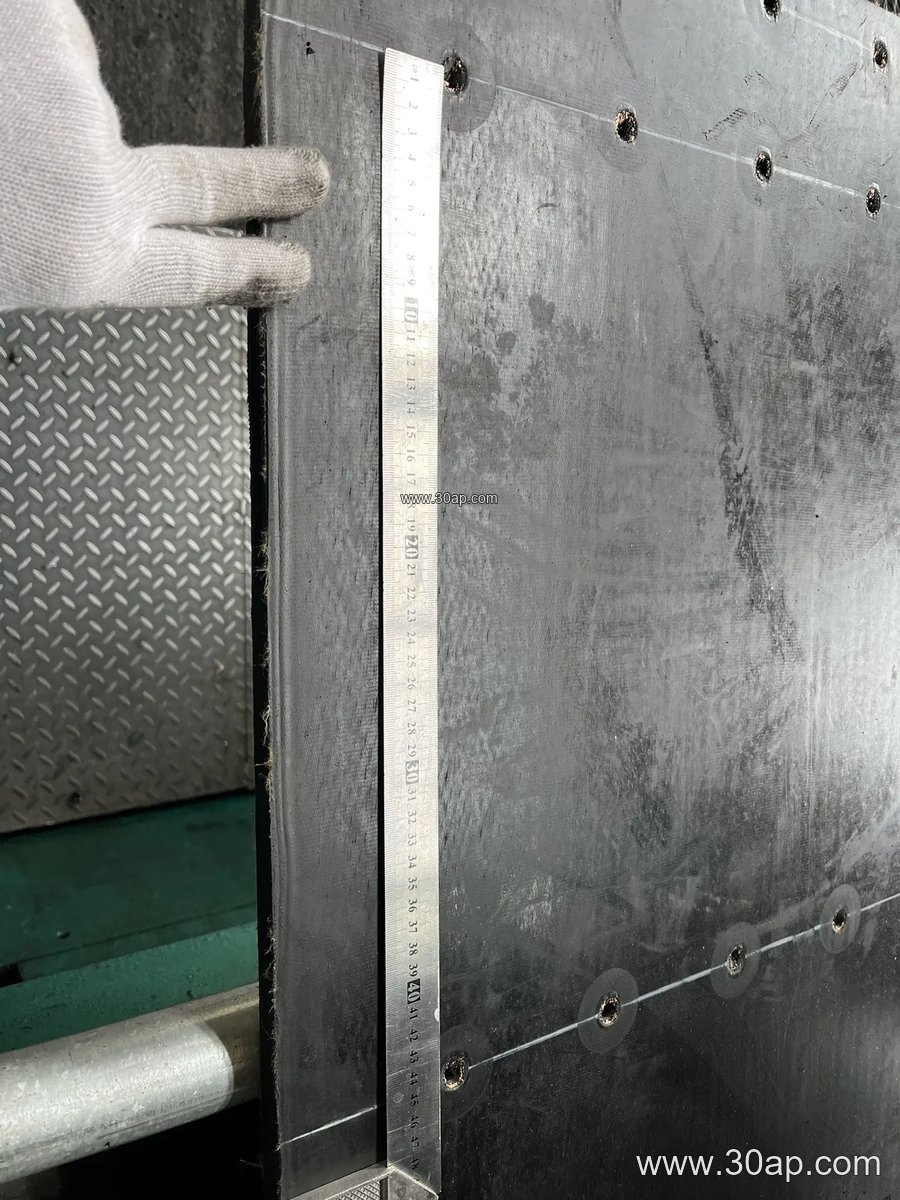
A typical ST3150 belt has three main parts. The carcass is a single layer of high-strength steel cords running longitudinally, spaced at a regular pitch. Around the cords sits a core rubber that bonds the cords and protects them from movement. Top and bottom cover rubber protect the carcass from abrasion, impact, moisture, and in some cases heat or oil. The cover grade is chosen for the duty, and common cover thickness combinations include 6+2 mm, 8+3 mm, and similar heavy builds. Cord pitch, cord diameter, and cover thickness are set by the manufacturer according to the belt design and the application, so a buyer should confirm them on the datasheet rather than assume them.
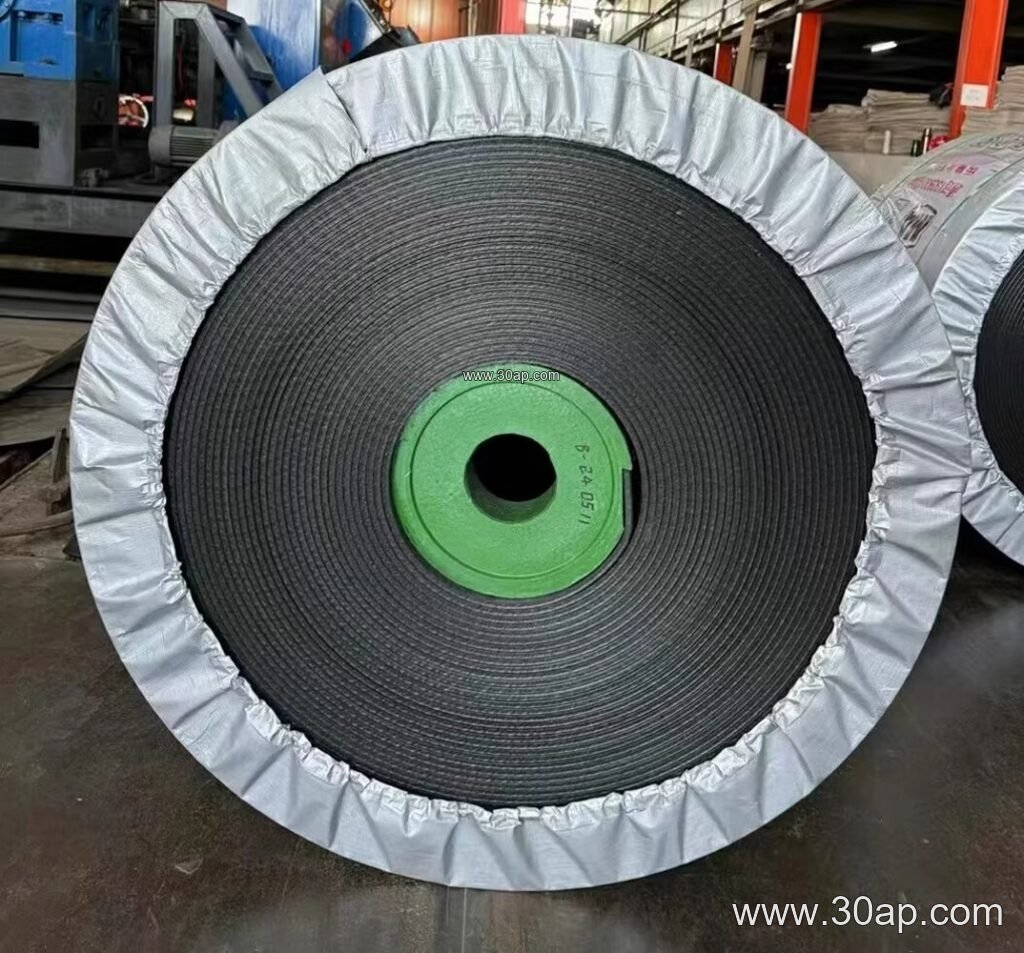
Because the cords carry the load, splice quality matters more than on fabric belts. Steel cord belts are usually spliced with a stepped or finger splice, and the splice strength is a key part of the system design. The belt also needs a suitable pulley diameter and adequate take-up travel to work reliably.
Where It Is Used
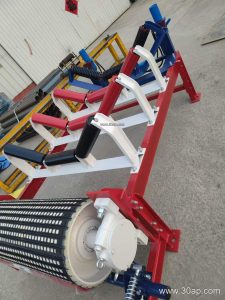
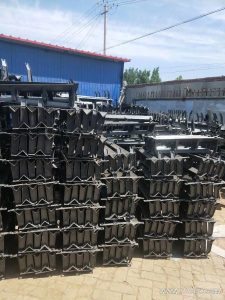
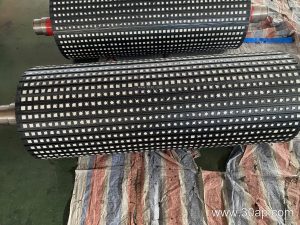
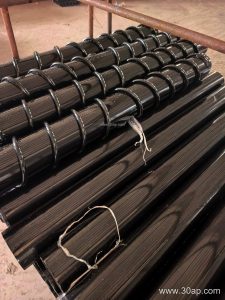
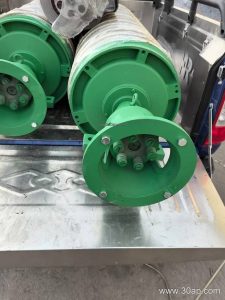
The ST3150 Conveyor Belt is often found in mines, coal preparation plants, cement works, power stations, steel plants, ports, and large quarry or aggregate operations. Long overland conveyors, trunk conveyors in underground mining, and ship loading lines are typical duties. In these settings the belt runs alongside idler roller sets, conveyor pulleys, and conveyor brackets, and the whole system has to be matched to the belt tension.
Where the environment calls for it, the belt may be supplied in flame retardant or fire resistant form for coal mining and underground coal mining conveyors, or with abrasion resistant covers for iron ore, copper ore, and hard rock. Heat resistant grades suit cement clinker and sinter, while oil resistant or chemical resistant covers are used where the material or the environment demands it. These grades are separate choices and should be specified with the ST3150 carcass.
Reference Data and Selection Points
The table below shows common reference values. They are typical ranges, not fixed supply promises, and actual values vary between manufacturers and designs.
- Strength class: ST3150, nominal cord breaking strength around 3150 N/mm
- Common belt widths: B800, B1000, B1200, B1400, B1600, B1800, B2000
- Cover thickness examples: 6+2 mm, 8+3 mm
- Cover grades: abrasion resistant, heat resistant, flame retardant, fire resistant, oil resistant, cold resistant, anti-static
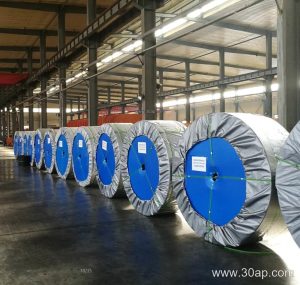
- Typical industries: mining, coal, cement, power, steel, port, quarry, aggregate
When selecting, the belt width is not the only factor. Belt width, cord strength, pulley diameter, troughing angle, material lump size, and the required safety factor all interact. A wide belt does not automatically mean a specific shaft diameter, and one belt width can run on different pulley sizes depending on the design. Buyers should give the conveyor designer the material, capacity, incline, and environment so the belt, conveyor pulley, and idler roller arrangement are chosen together.
Buyer Checklist
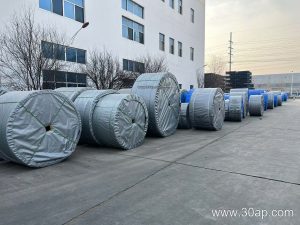
Ask for the cord construction, cover grade and thickness, belt width, and splice method. Confirm whether the belt is an endless conveyor belt or supplied in rolls for field splicing. Check that the pulley diameters and take-up are suitable for a steel cord belt of this strength. For coal or underground work, confirm the flame retardant specification. For cement, steel, or power plant duty, confirm the heat resistance. For port and ship loading duty, confirm impact and abrasion resistance. These checks keep the ST3150 Conveyor Belt matched to the conveyor it will run on.