What an Intermediate Bend Pulley Does
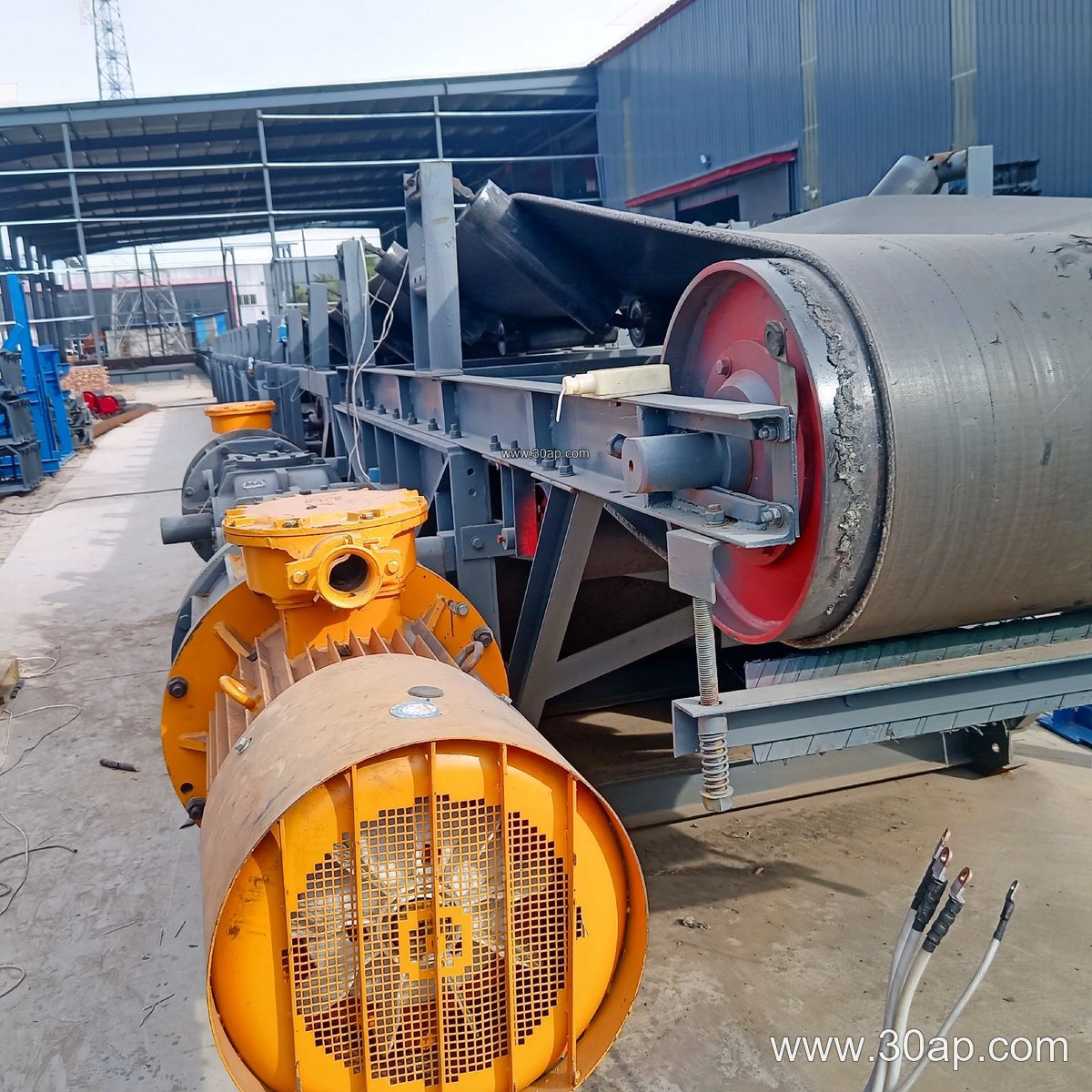
On a long conveyor run, the belt rarely moves in a perfectly straight line from the tail to the head. It has to rise, drop, and change direction to fit the plant layout. An intermediate bend pulley is the component that makes those changes possible without interrupting the material flow. Mounted between the two ends of the conveyor, it redirects the returning belt or repositions the carrying side so the belt can wrap around a drive pulley or reach a tensioning station.
This is a redirecting roller, not a drive unit. A drive pulley transmits torque to move the belt, and a tail pulley sits at the loading end and sets the return path. The intermediate bend pulley does neither of those jobs; it simply guides the belt along the route the conveyor designer intended. In a quarry conveyor line or a power plant coal handling system, several of these rollers may appear along one long run, each one turning the belt by a measured angle.
Construction and Surface Options
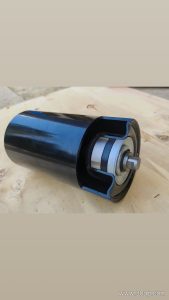
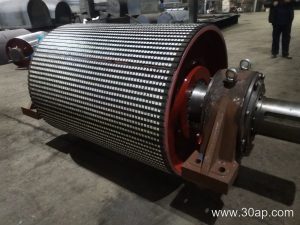
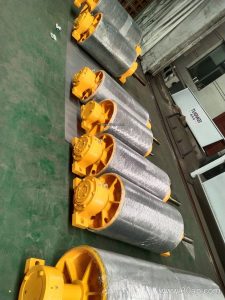
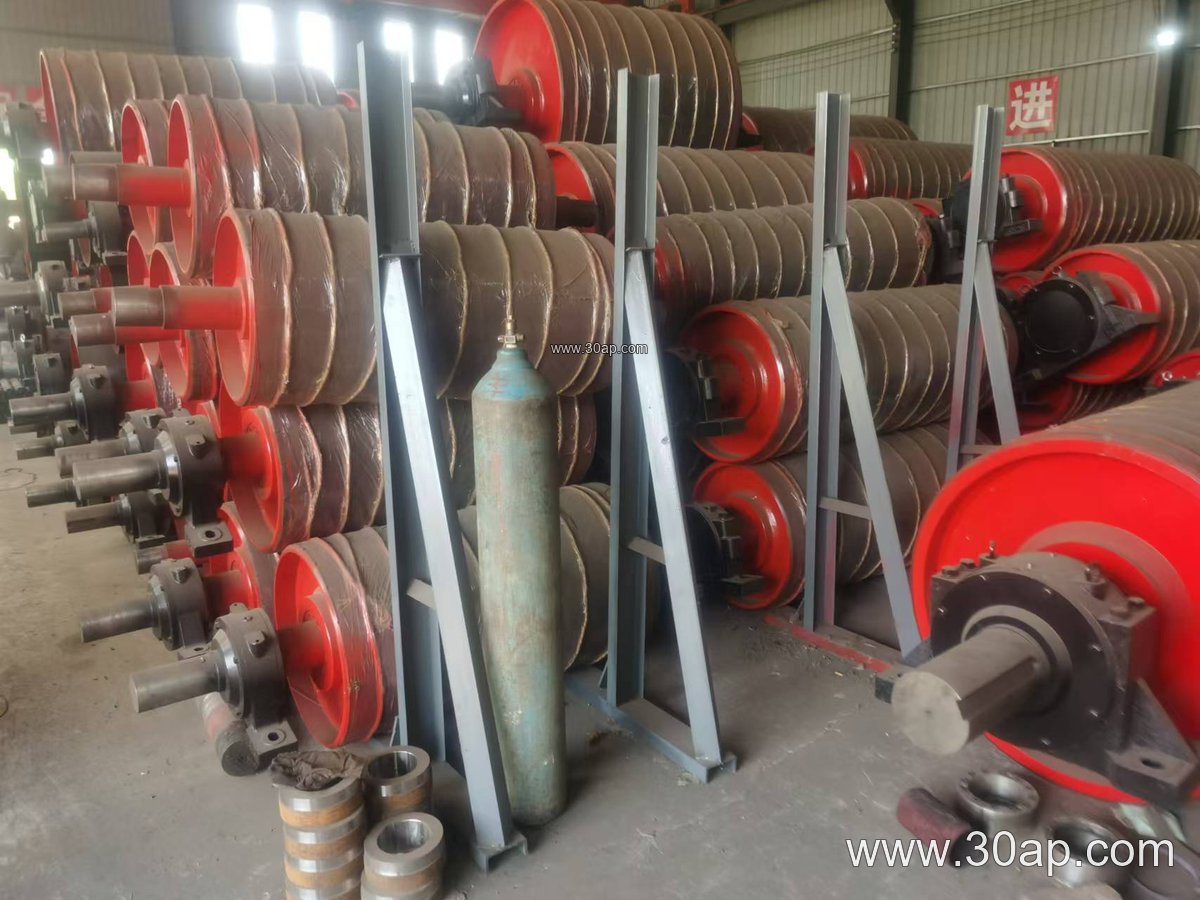
The body is typically a welded steel drum with machined end discs and a shaft that runs through the center. Common diameters include Ø400, Ø500, Ø630, and Ø800, with larger sizes such as Ø1000 or Ø1250 used where belt tension and wrap angle demand more stiffness. Shaft diameters are commonly Ø80, Ø100, Ø120, or Ø140, and the final value depends on torque and radial load rather than belt width alone.
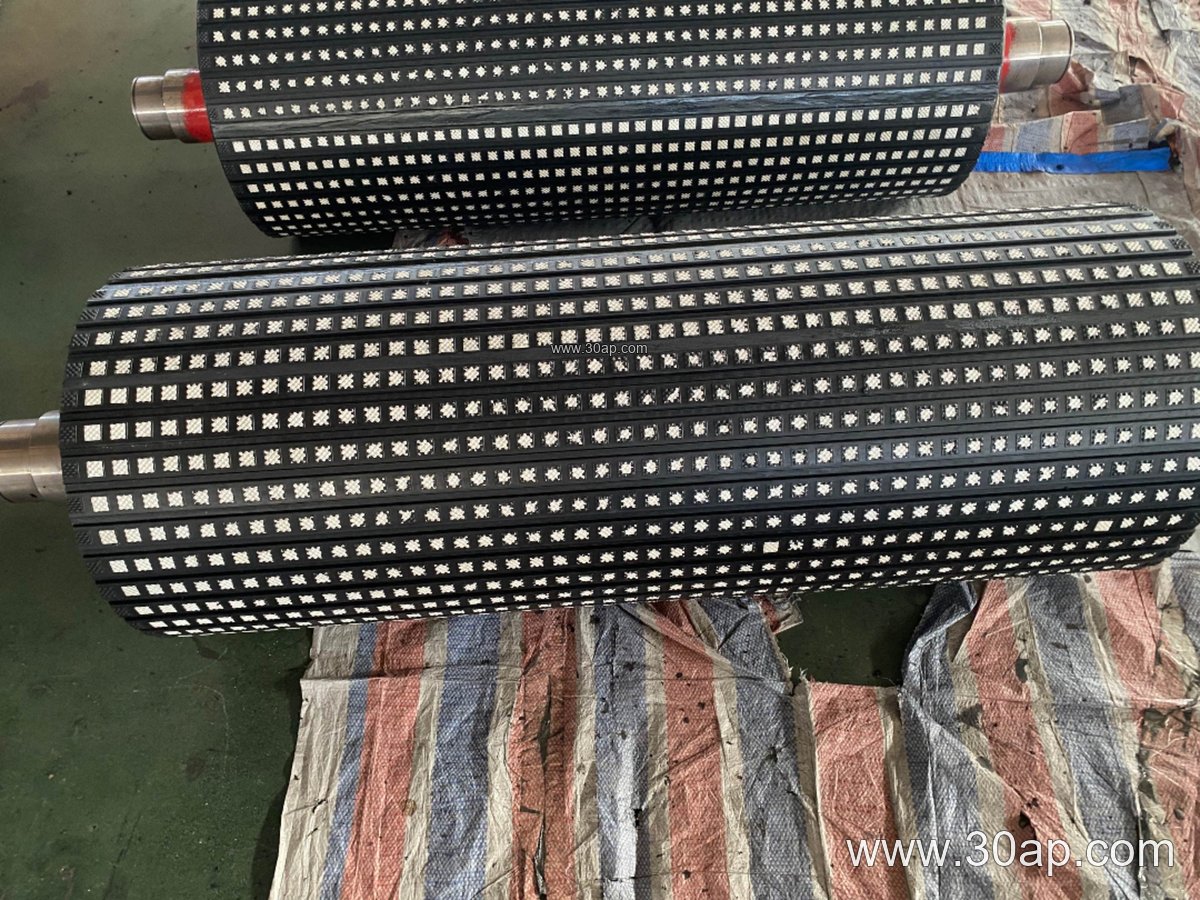
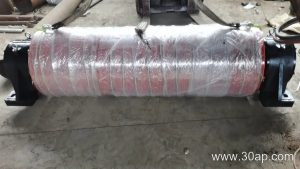
Surface treatment affects how well the belt tracks and how long the lagging lasts. Buyers can choose:
- Plain steel face for light-duty redirecting where slip is not a concern
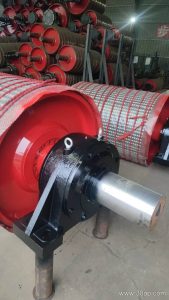
- Cold-bonded rubber lagging in 8, 10, or 12 mm thickness
- Hot-vulcanized rubber or diamond-pattern lagging for better grip and water shedding
- Ceramic lagging for high-traction positions on heavy-duty mining conveyors
The shell face width usually exceeds the belt width to keep the belt centered. For example, a B800 belt is often paired with a drum face around 950 mm, and a B1200 belt with roughly 1400 mm. These are common proportions, not fixed rules, and the exact combination is set by the conveyor designer.
Where It Fits in the Belt Path
An intermediate bend pulley is most often found where the belt must clear an obstacle, follow a decline, or gain wrap on another roller. In a cement plant transfer tower, it may guide the return strand under a walkway. In a coal mining conveyor, it might redirect the belt toward a gravity take-up. Because it carries only the belt and the material on that section, its load is lower than a drive pulley, but the wrap angle and belt tension still influence bearing selection and shaft size.
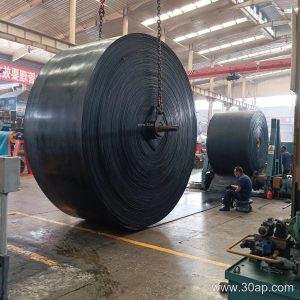
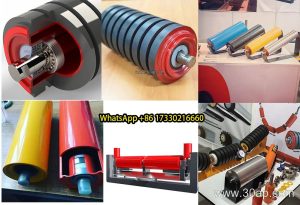
Pairing the roller with the right belt matters. A heavy-duty mining conveyor belt running at high tension needs a robust drum and well-sealed bearings, while a fabric core conveyor belt on a shorter aggregate line may work with a lighter build. Where the belt is a steel cord conveyor belt or a thick abrasion resistant conveyor belt, the pulley face and lagging should be checked for compatibility with the belt’s cover and stiffness. The return side may also run over a conveyor idler or an idler roller close to the bend pulley, so spacing between components should be reviewed to avoid pinch points.
Selection Checklist for Buyers
Before ordering, gather the belt width, the required redirect angle, the belt tension at that point, and the available space. Confirm the drum diameter, face width, shaft diameter, bearing type, and lagging thickness. A B650 x Ø400 unit with 10 mm rubber lagging is a very different part from a B1400 x Ø800 assembly with ceramic lagging, and both may appear on the same site.
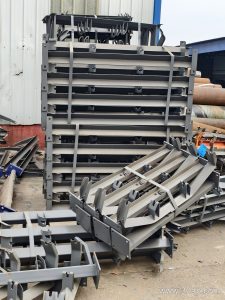
Also check how the pulley will be mounted. A conveyor bracket or bearing housing must align with the frame, and the shaft must be sized for the actual load. Ask for the balance grade and runout tolerance if the belt speed is high. During maintenance, inspect lagging wear, bearing temperature, and shaft alignment; a worn intermediate bend pulley can cause belt mistracking that looks like a problem elsewhere on the line.
Finally, match the roller to the environment. A dusty crusher conveyor, a wet port conveyor, and a cold-climate yard all place different demands on seals and surface finish. Choosing the right intermediate bend pulley for the redirecting duty keeps the whole belt path stable, from the loading point to the discharge.