What a Conveyor Welded Pulley Is
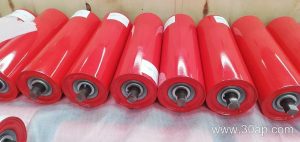
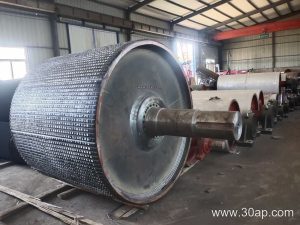
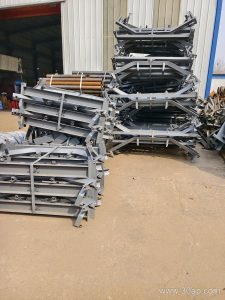
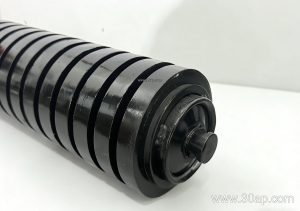
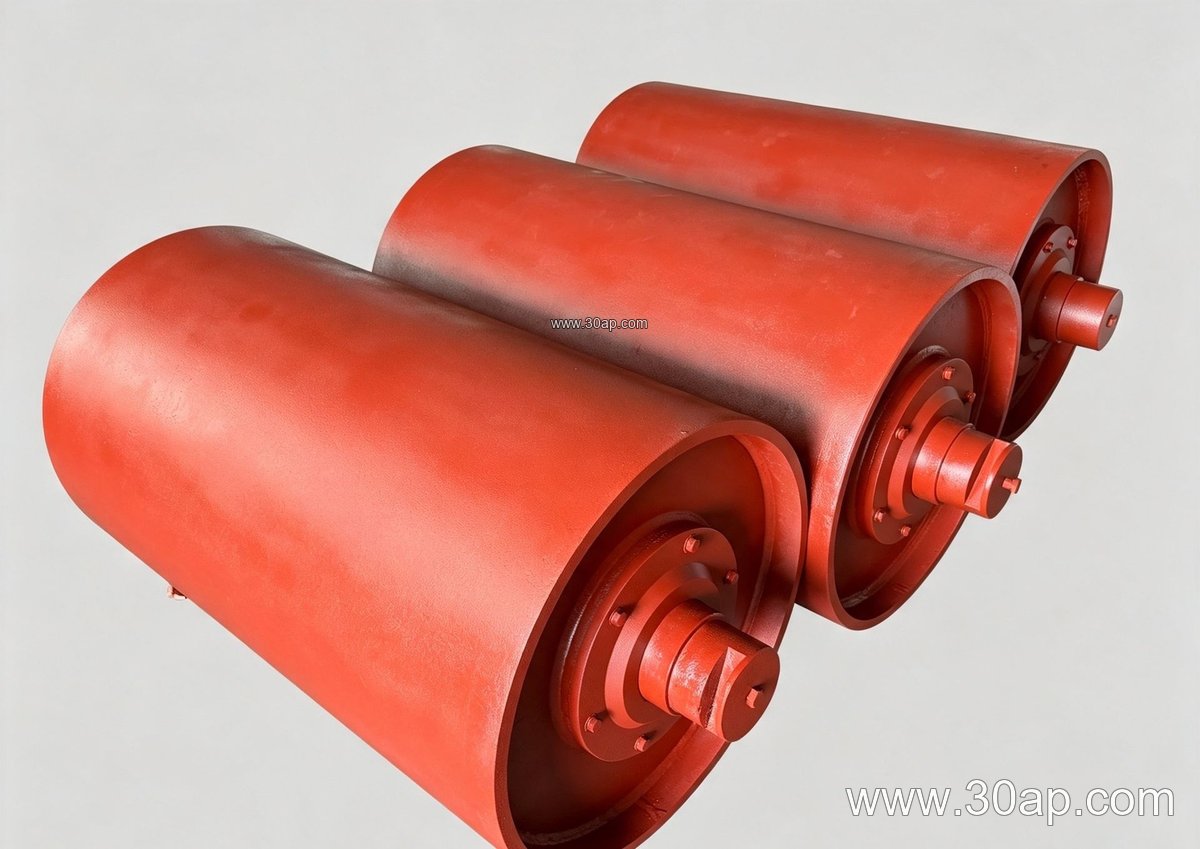
A conveyor welded pulley is a cylindrical drum built by welding steel end discs and a hub assembly to a rolled shell. It serves as the rotating contact point for the belt in a conveyor system, transmitting motion or changing belt direction. Unlike cast pulleys, the welded construction allows for larger diameters and custom face widths without heavy tooling. In a typical aggregate or cement plant, you will find this component working alongside the conveyor belt, idler roller, and conveyor bracket to keep material moving.
Construction and Key Features
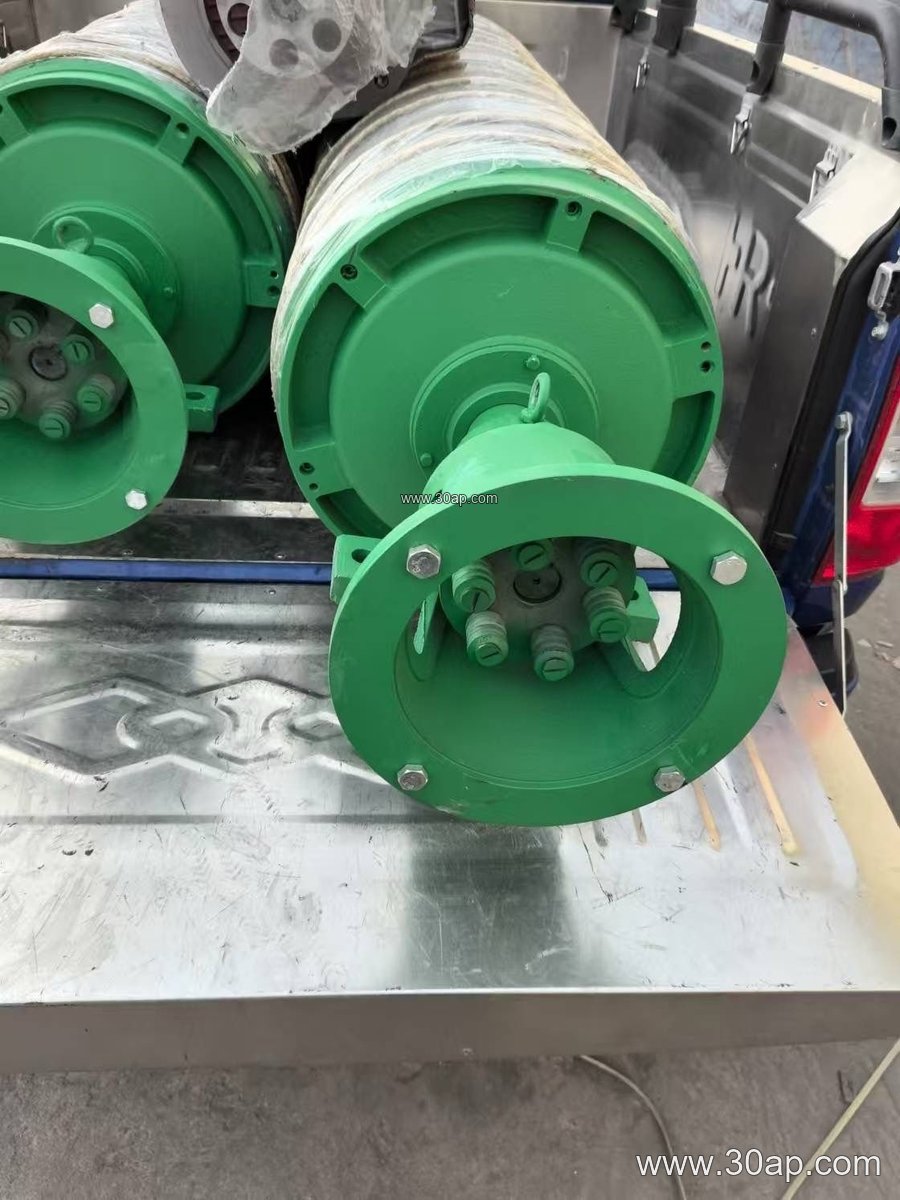
The shell is usually made from rolled steel plate, with end discs welded to both sides. The shaft is pressed or keyed into the hubs, and the whole assembly is machined to maintain concentricity. A welded pulley can be supplied with a plain finished face or with rubber lagging for improved grip. Common surface options include smooth, diamond grooved, and ceramic lagging. The weld quality and dynamic balance matter because unbalanced rotation accelerates bearing wear and belt tracking problems.
Common Surface Forms
- Plain steel face for general duty
- Cold-bonded or hot-vulcanized rubber lagging
- Diamond or herringbone grooving for wet or slippery conditions
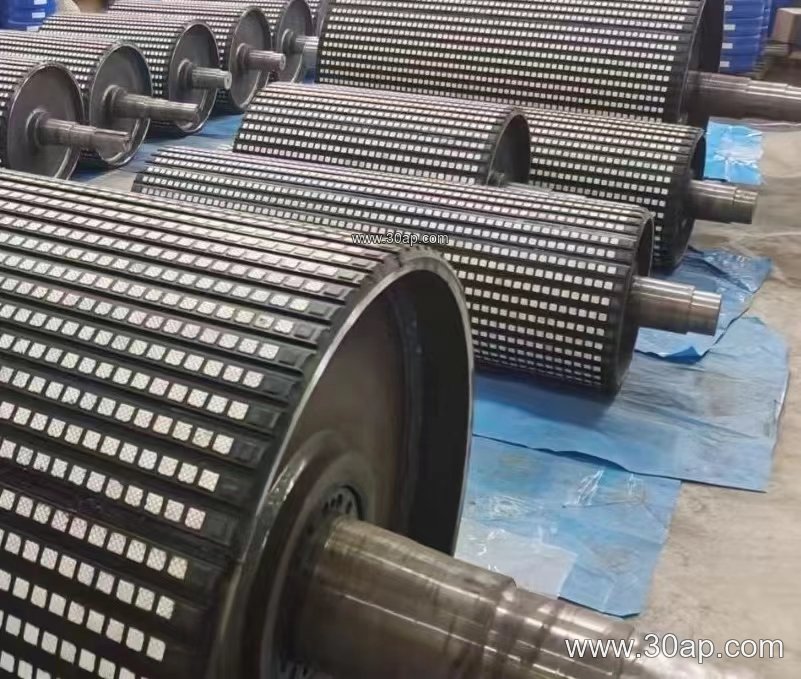
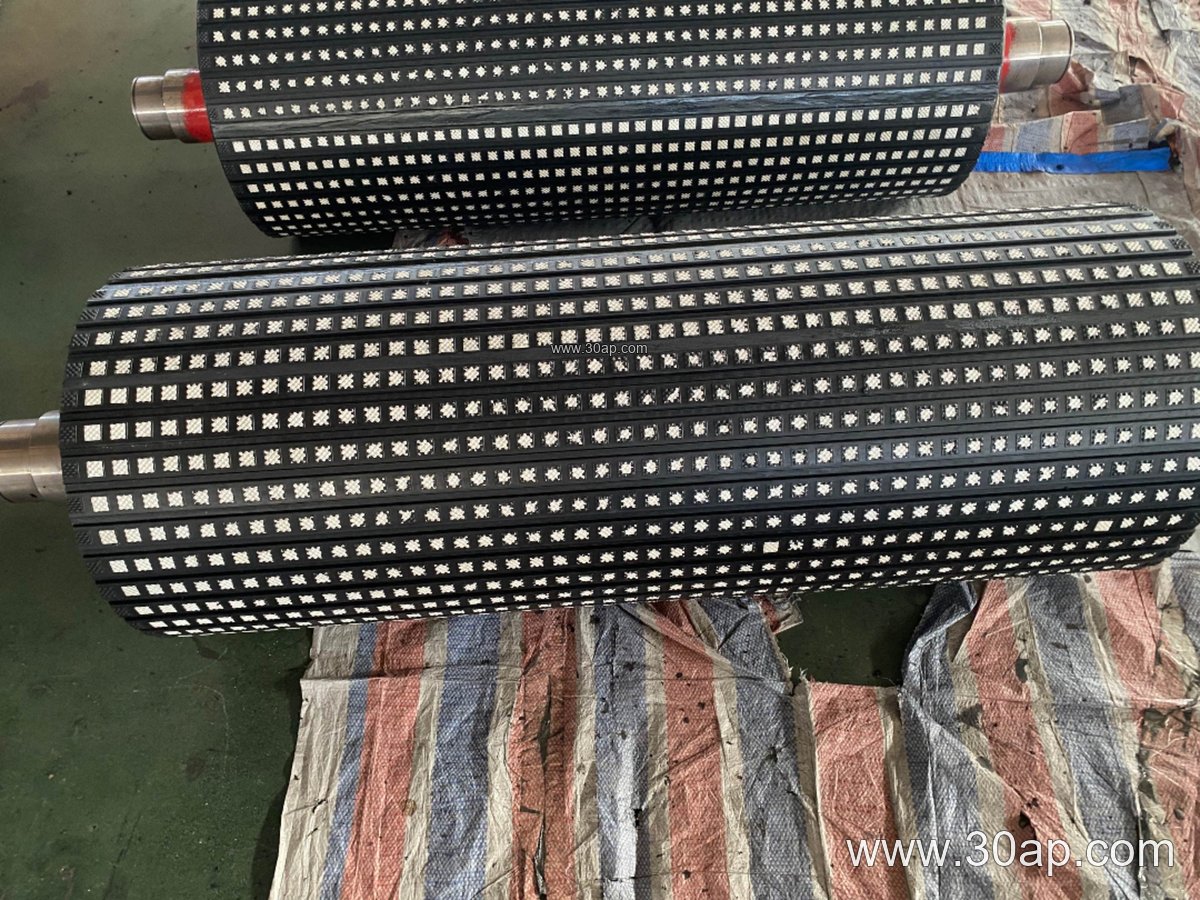
- Ceramic lagging for high-traction drives
Lagging thickness is often specified as 8 mm, 10 mm, 12 mm, 15 mm, or 20 mm depending on the torque and environmental conditions.
Where It Fits in the Conveyor Layout
This type of pulley appears in several positions, but each has a distinct role. A drive pulley (also called head pulley) transmits power to the belt. A tail pulley at the loading end maintains tension and returns the belt. Bend pulleys redirect the belt path around take-up systems. These are not interchangeable terms, and a welded pulley can be built for any of these positions. In a coal mining conveyor or a quarry conveyor line, the drive and tail positions are the most common, while bend pulleys are used in the tensioning arrangement.
When selecting a pulley for a specific position, consider the belt width and the required diameter separately. For example, a B800 belt might run on a Ø500 pulley in one conveyor and a Ø630 pulley in another, depending on belt speed and load. Common face widths are slightly wider than the belt: B650 about 750 mm, B1000 about 1150 mm, B1200 about 1400 mm. Shaft diameters are determined by torque and load, not by belt width alone. Typical shaft sizes range from Ø50 to Ø200, but the final choice must come from the conveyor designer.
Materials and Applications
The conveyor welded pulley is used across many bulk handling industries. In a limestone mine or iron ore facility, it may handle abrasive rock and therefore benefit from abrasion resistant lagging. In a power plant coal handling system, flame retardant properties may be relevant for the belt itself, while the pulley is selected for load and environment. Cement plants use these pulleys on clinker and raw material conveyors, often with dust protection for bearings. Sand and gravel operations rely on them for steady, high-volume transport.
Because the pulley works with the belt, matching the surface to the belt type improves performance. A rubber conveyor belt on a drive pulley may need diamond lagging to prevent slip in wet conditions. A steel cord conveyor belt used in high-tension applications requires a pulley with adequate shell thickness and hub design to handle the stress. In underground mining, space constraints may favor compact welded pulleys with reinforced end discs.
Buyer Checklist
Before ordering, confirm the following with the conveyor designer or supplier:
- Position: drive, tail, or bend pulley (not interchangeable)
- Belt width and required face width
- Pulley diameter and shaft diameter based on torque and load
- Lagging type and thickness if needed
- Bearing type and housing arrangement
- Environmental conditions such as dust, moisture, or temperature
Ask for dynamic balancing records if the pulley will run at high speed. Verify weld inspection and surface finish. A well-built welded pulley should run true and resist fatigue over years of service. Keep in mind that no single size fits all conveyors; the right combination of diameter, face width, and shaft size depends on the entire system design. For more information on related components such as conveyor pulleys and idler rollers, consult your conveyor equipment supplier.