What Is a Bulk Material Conveyor Belt?
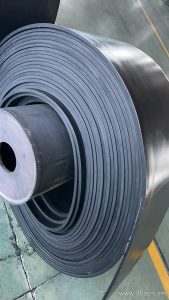
A bulk material conveyor belt is the continuous loop that carries loose loads such as ore, coal, clinker, sand, gravel, and crushed stone along a conveyor system. It is the load-bearing element that moves material from one point to another, often over long distances and in harsh conditions. In mining, coal preparation, cement plants, power stations, quarries, and port terminals, this belt is the backbone of bulk handling. The term describes the belt’s role rather than a single construction, so you will find several build types under this heading, each matched to the material and the environment.
Construction and Core Types
Most bulk material conveyor belts combine a tension-bearing carcass with rubber covers. The carcass may be fabric-reinforced or steel-cord reinforced. Fabric types include EP conveyor belt (polyester-nylon) and NN conveyor belt (nylon-nylon), often built as a multi-ply fabric core conveyor belt. For very high tension and long spans, a steel cord conveyor belt is used. Rubber covers protect the carcass from abrasion, impact, heat, oil, or fire, and their thickness is usually given as top and bottom cover gauges, for example 4+2 mm or 6+2 mm. Edge construction, splice type, and cover grade all follow the duty.
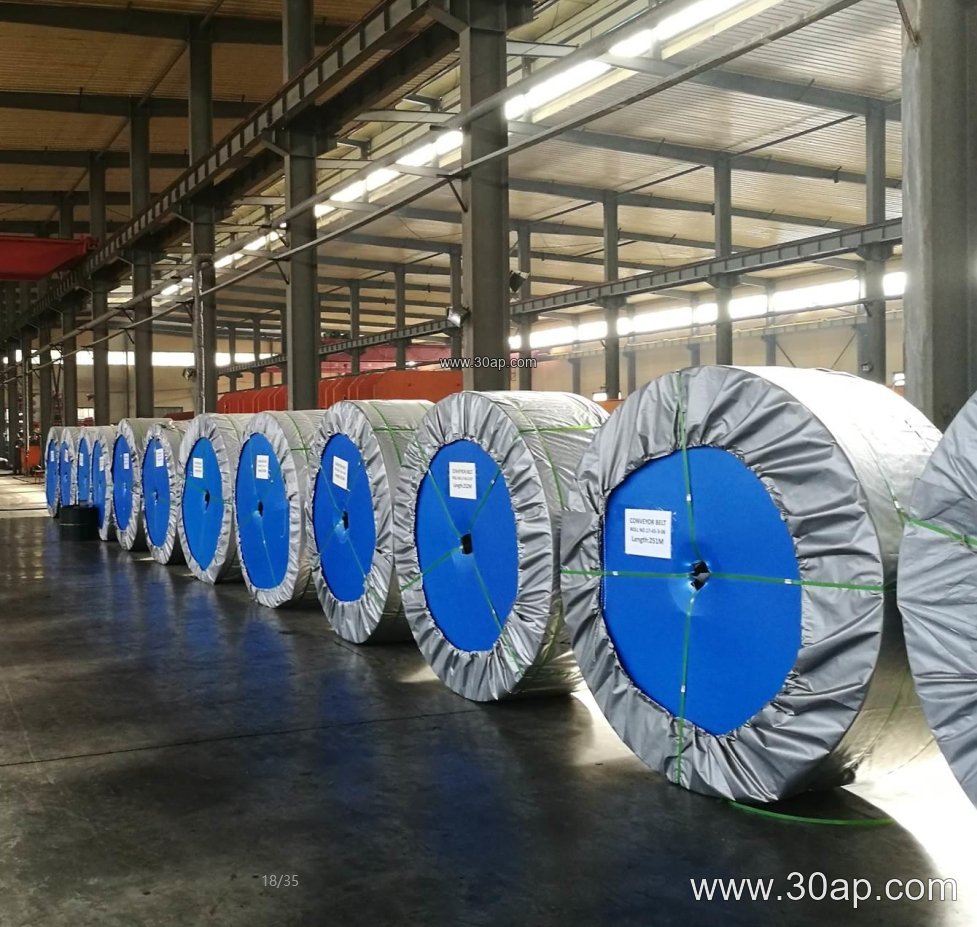
Common Belt Types and Typical Strength Ranges
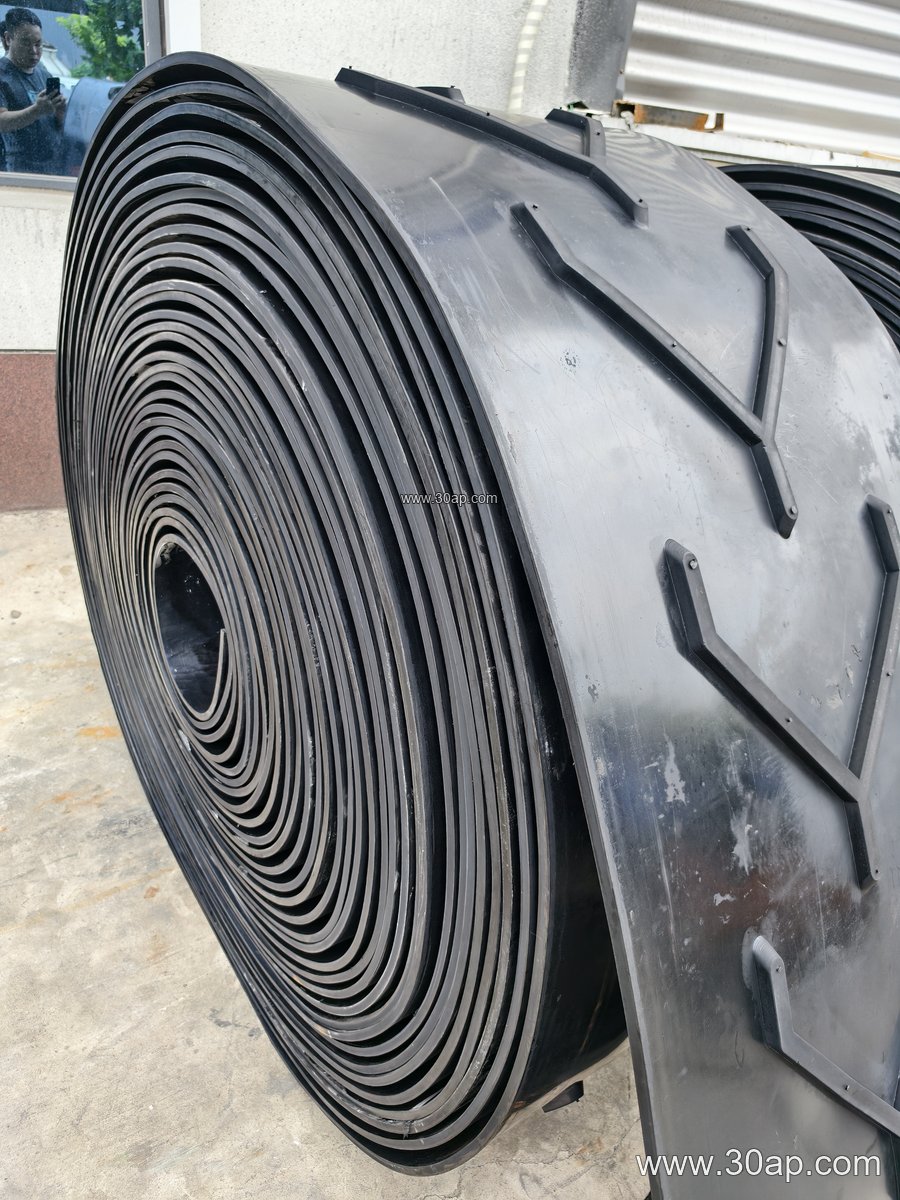
Strength grades are usually expressed in N/mm for steel cord belts and in EP or NN grades for fabric belts. The values below are common reference ranges, not universal specifications.
| Type | Typical Strength Range | Common Widths |
|---|---|---|
| EP conveyor belt | EP200 to EP2000 | B500 to B2000 |
| NN conveyor belt | NN100 to NN400 | B500 to B1800 |
| Steel cord conveyor belt | ST1000 to ST3150 | B800 to B2000 |
| PVG conveyor belt | PVG800, PVG800S | B800 to B1400 |
Cover thickness commonly ranges from 3+1.5 mm to 8+3 mm, and fabric carcasses are often 2 to 6 plies. A 1200mm wide conveyor belt or a 1500mm wide conveyor belt is common in main haulage, while 1800mm wide and 2000mm wide belts appear in high-capacity systems. These are examples only; final dimensions are set by the conveyor design.
Where Bulk Material Conveyor Belts Are Used
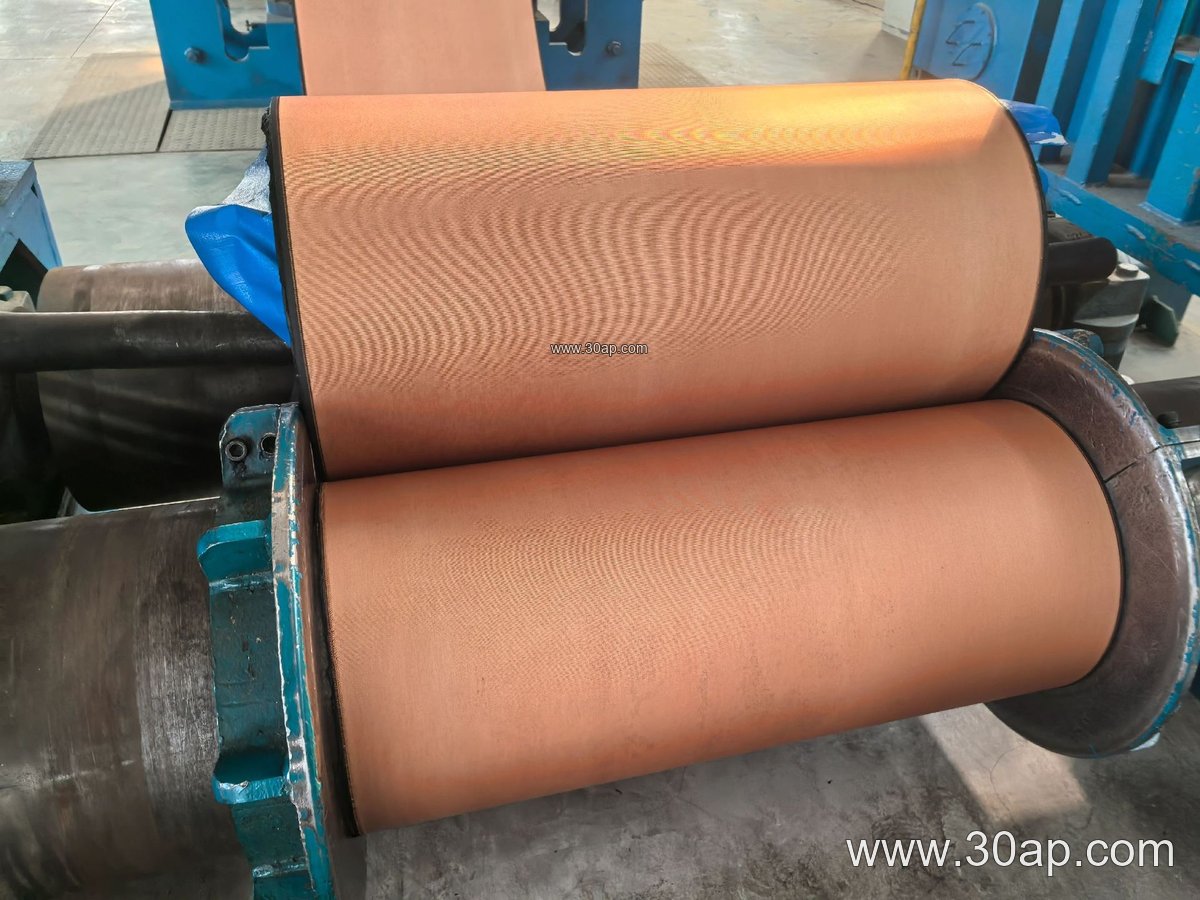
In underground coal mining, flame retardant and anti-static properties are critical, so PVG conveyor belt and PVC mining conveyor belt constructions are often specified. Coal mining conveyor belt and underground coal mining conveyor belt service also demand fire resistant conveyor belt behavior and good tear resistance. In metal mines, a heavy-duty mining conveyor belt or high abrasion resistant conveyor belt handles iron ore, copper ore, and gold ore. Quarries and aggregate plants rely on abrasion resistant conveyor belt grades for rock and crusher discharge. Cement plants use heat resistant conveyor belt grades for clinker and oil resistant conveyor belt grades where lubricants are present. Power plants and steel plants handle coal and coke with flame retardant conveyor belt and heat resistant conveyor belt options. Ports and ship loading systems use wide, high-strength belts, sometimes a pipe conveyor belt for enclosed transport or a corrugated sidewall conveyor belt for steep inclines.
Selection Points for Buyers
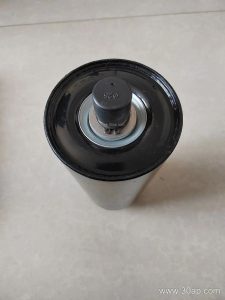
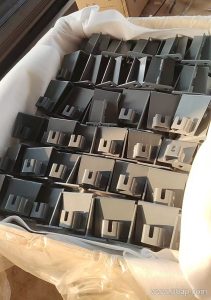
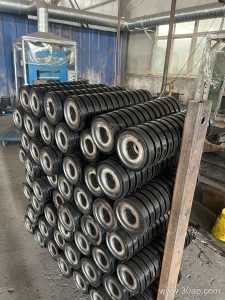
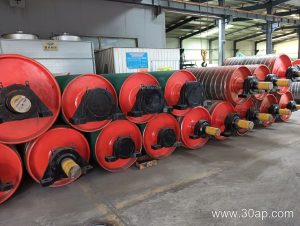
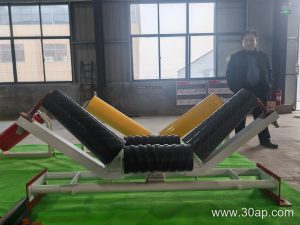
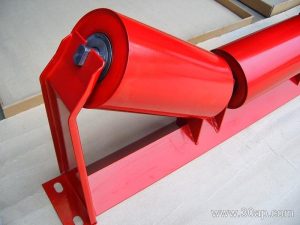
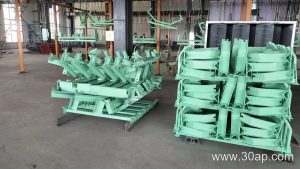
Start with the material: lump size, temperature, moisture, oil content, and abrasiveness determine the cover compound and carcass. A high temperature conveyor belt may need special cover and edge protection. A cold resistant conveyor belt is needed in freezing climates, while an acid resistant or chemical resistant conveyor belt suits fertilizer and chemical plants. Check the conveyor pulley and idler roller arrangement, since belt width, trough angle, and transition distance affect training and load stability. The conveyor bracket and frame condition also matter. Confirm the required splice method, whether mechanical or vulcanized, and whether an endless conveyor belt is preferred for reduced splice maintenance. For steep inclines, a chevron conveyor belt or skirted conveyor belt may be compared, but these are separate designs from the standard bulk belt. Ask for cover gauge, carcass type, and strength grade in writing, and avoid assuming that one belt width fixes a pulley diameter or shaft size.
Maintenance and Longevity
Keep idler roller alignment true, maintain pulley lagging, and control material build-up at transfer points. Inspect edges and covers for cuts and wear, and track splice condition. Store spare belts away from heat, oil, and sunlight. A well-matched bulk material conveyor belt, with the right cover grade and carcass, reduces downtime in mines, cement works, power plants, and quarries. For more on belt, idler roller, and conveyor pulley matching, visit our site at www.example.com/bulk-material-conveyor-belt.