What the ST2000 Conveyor Belt Is
The ST2000 Conveyor Belt is a steel cord conveyor belt with a nominal tensile strength of 2000 N/mm. It belongs to the ST series, where “ST” indicates steel cord construction and the number reflects the belt’s breaking strength. This belt is designed for high-capacity, long-distance conveying in harsh industrial settings. You will find it in mines, coal preparation plants, cement works, power stations, and large quarry or aggregate operations where a single conveyor must carry heavy loads over considerable distances.
Unlike fabric-reinforced belts, the ST2000 relies on a core of parallel steel cords embedded in rubber. This construction gives it very low elongation under load, excellent impact resistance, and the ability to span long unsupported stretches between pulleys. While an EP Conveyor Belt or NN Conveyor Belt is often chosen for shorter or lighter duties, the steel cord design of the ST2000 is suited to main haulage lines and high-tonnage transport.
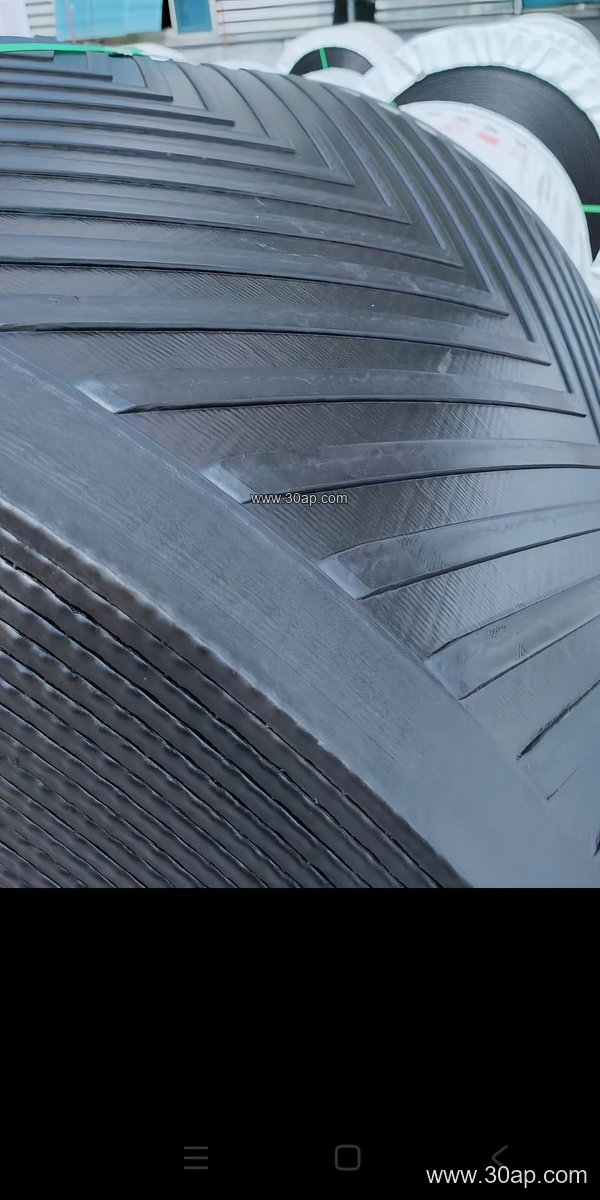
Construction and Key Components
A typical ST2000 belt consists of several layers working together:
- Steel cord core – high-carbon steel cords arranged longitudinally, providing the main tensile strength and resistance to stretching.
- Core rubber – bonds the cords and cushions them against dynamic stresses.
- Top and bottom cover rubber – protects the core from abrasion, impact, moisture, and chemicals. Cover grades can be selected for abrasion resistance, heat, oil, or flame retardance.
- Edge construction – designed to resist fraying and ingress of water or fines.
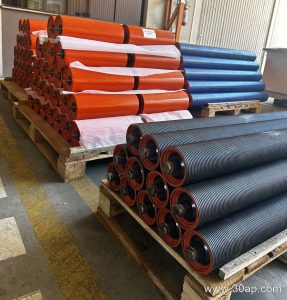
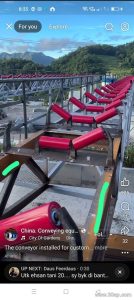
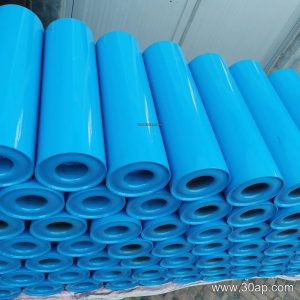
The belt works with conveyor pulleys, idler rollers, and conveyor brackets to form a complete conveying system. Drive, tail, and bend pulleys each have a distinct role and are not interchangeable; the ST2000 is engineered to run reliably over all of them when the system is correctly designed.
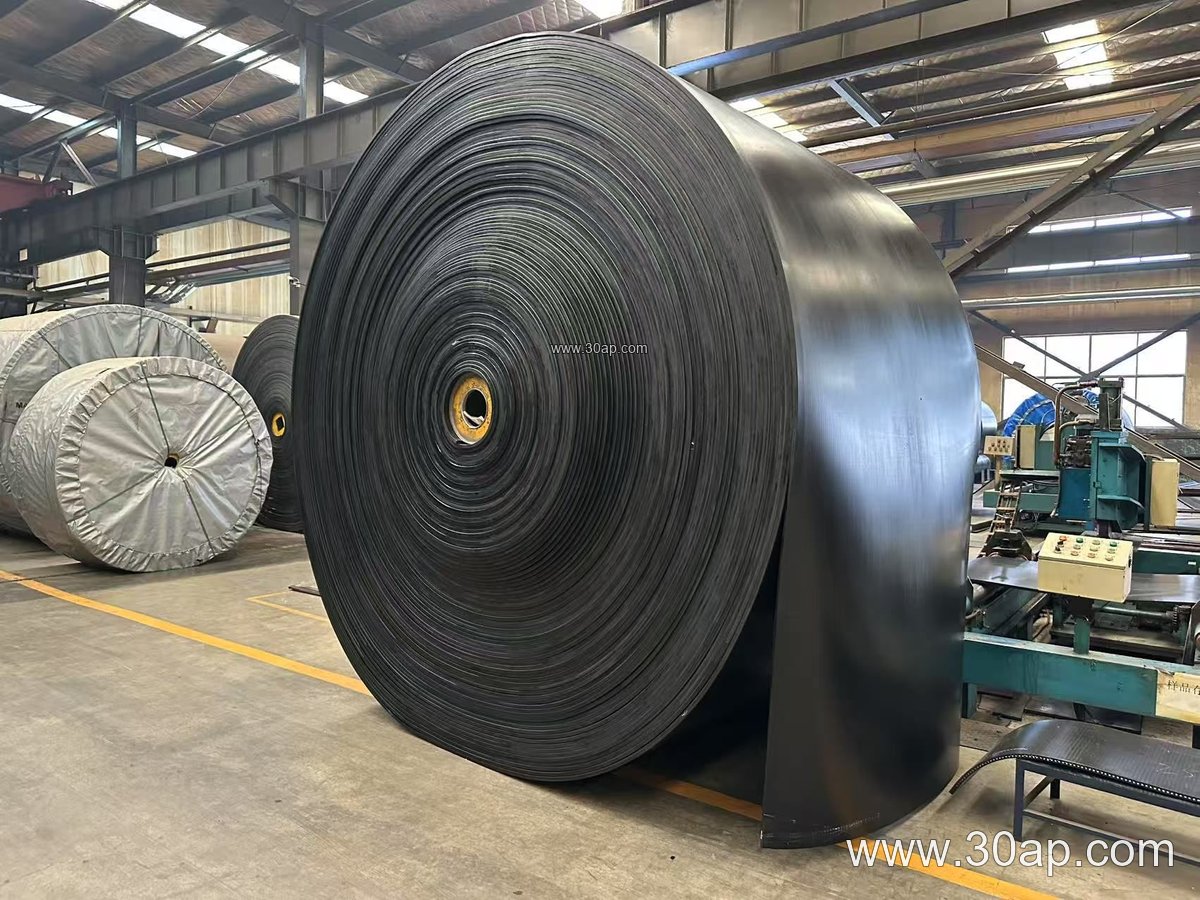
Common Specifications and Sizes
ST2000 belts are available in a range of widths and cover thicknesses. The table below shows typical reference values; actual dimensions should be confirmed with the manufacturer for each project.
| Parameter | Common range |
|---|---|
| Belt width | B800, B1000, B1200, B1400, B1600, B1800, B2000 |
| Cover thickness (top + bottom) | 4+2 mm, 5+2 mm, 6+2 mm, 8+3 mm |
| Tensile strength | ST2000 (2000 N/mm) |
| Cover grades | Abrasion resistant, heat resistant, flame retardant, oil resistant, anti-static |
Other ST grades such as ST1000, ST1250, ST1600, ST2500, and ST3150 are available for different strength requirements. The ST2000 sits in the middle-high range, often used where ST1600 may be marginal but ST2500 is not necessary. Belt width and pulley diameter are matched by system design, not by a fixed rule; a wider belt does not automatically dictate one specific pulley size.
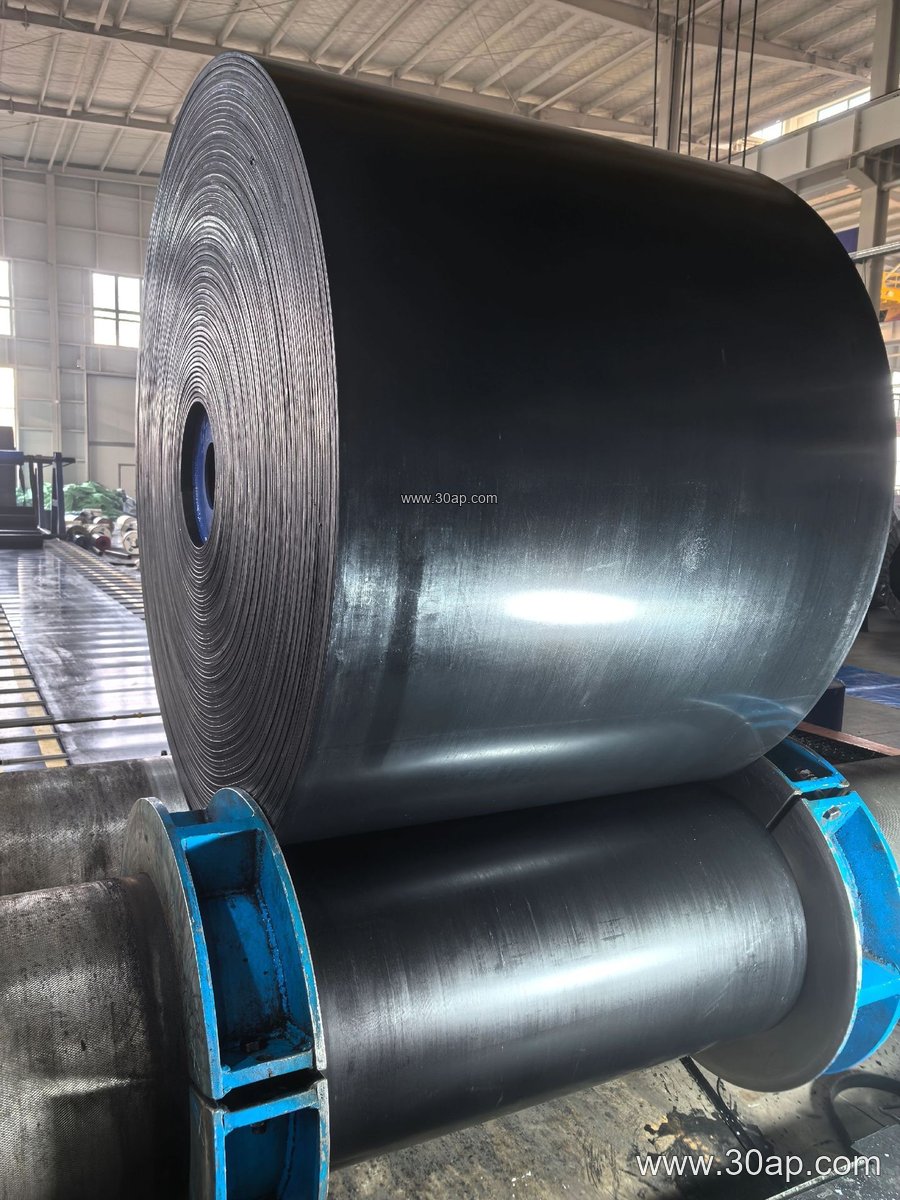
Where It Is Used
The ST2000 Conveyor Belt is at home in heavy-duty bulk material handling. Typical applications include:
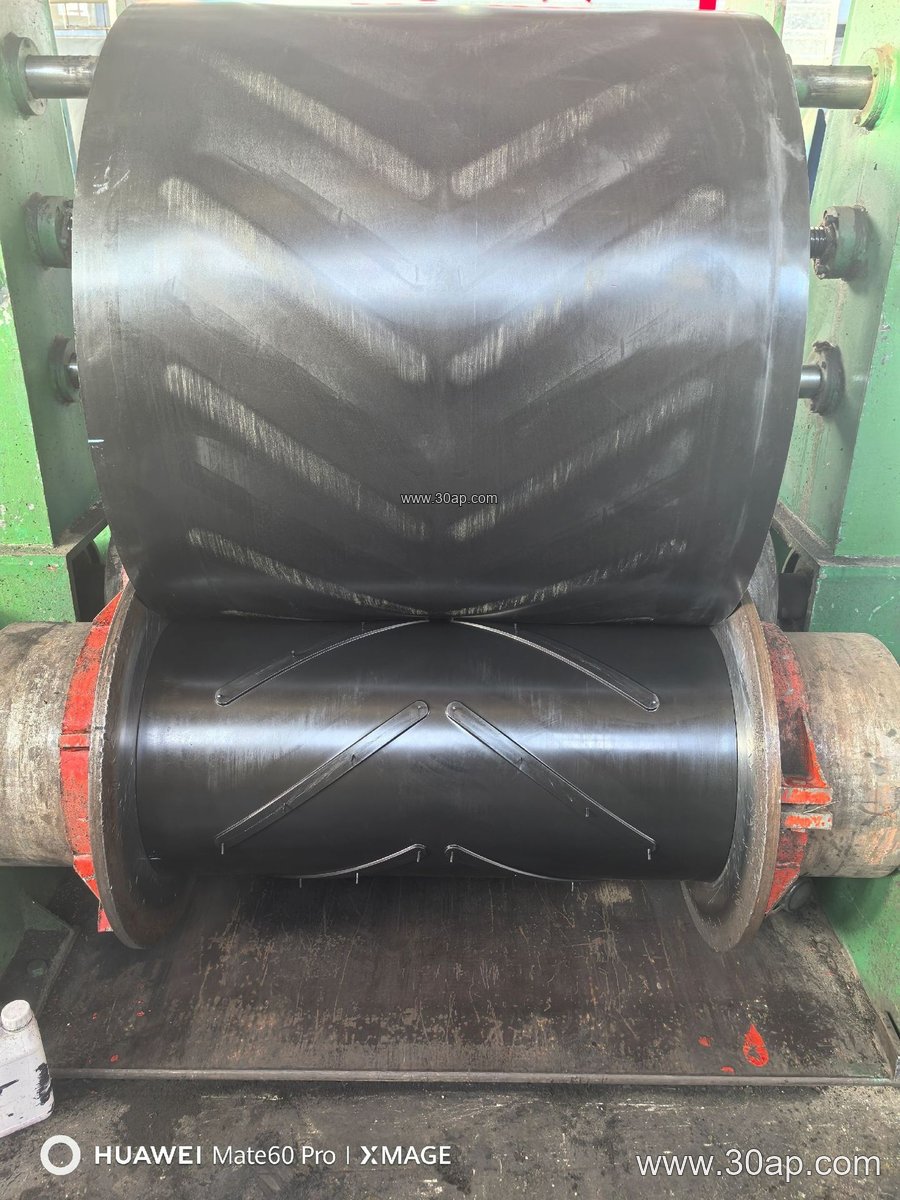
- Underground coal mining and surface coal haulage
- Iron ore, copper ore, and gold mining operations
- Cement plants and clinker transport
- Power plant coal feeding
- Large quarries and aggregate plants
- Port and ship loading facilities
In these environments, the belt may need to resist abrasion, impact from large lumps, and sometimes heat or oil. For such conditions, a High Abrasion Resistant Conveyor Belt or a Heat Resistant Conveyor Belt version of the ST2000 may be specified. In coal mines, a Flame Retardant Conveyor Belt and Anti-Static Conveyor Belt construction is often required for safety.
Buyer’s Checklist
When selecting an ST2000 belt, consider the following:
- Load and tension – confirm the required tensile strength with the conveyor design engineer. ST2000 is a nominal grade; actual working tension depends on the system.
- Cover grade – choose rubber compounds that match the material being carried. Abrasive rock calls for abrasion-resistant covers; coal may need flame retardant and anti-static properties.
- Belt width and speed – width must handle the tonnage and lump size without spillage. Common widths range from 800 mm to 2000 mm, but the final choice is project-specific.
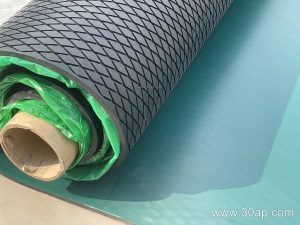
- Pulley and idler compatibility – the belt should be matched with suitable conveyor pulleys and idler rollers. Drive, tail, and bend pulleys have different functions and must be sized accordingly.
- Splice type – steel cord belts usually require vulcanized splicing for maximum strength. Confirm the splice method and availability of service.
- Environmental conditions – temperature, moisture, and chemical exposure influence cover compound selection. Cold Resistant Conveyor Belt and Oil Resistant Conveyor Belt options exist for special cases.
For more information on matching belts with idlers and pulleys, or to discuss your specific application, visit beltconveyorparts.com.
Maintenance and Longevity
Even a robust belt like the ST2000 needs proper care. Regular inspection of the belt surface, edges, and splices helps catch wear early. Keep idler rollers turning freely and check pulley lagging for wear. Misalignment should be corrected promptly to prevent edge damage. Store spare belts in a cool, dry place away from direct sunlight and ozone sources. With correct installation and maintenance, an ST2000 belt can deliver long service in the toughest mining and industrial environments.