What a Return Idler Does on a Conveyor
A return idler is the roller that supports the empty, returning strand of a conveyor belt after the material has been discharged. On a typical conveyor, the carrying side has troughing idlers that shape the belt into a channel, while the return side uses flat or V-shaped rollers to keep the belt from sagging between pulleys. The return idler roller is a simple component, but it has a direct effect on belt tracking, energy use and the service life of the whole conveyor.
In a quarry, cement plant or power plant coal yard, the return strand may run for hundreds of meters. Every return idler along that run carries the belt weight and any material that sticks to the cover. Poorly chosen or badly aligned return rollers can cause belt mistracking, edge wear and extra drive load, so the component deserves the same attention as the carrying idlers.
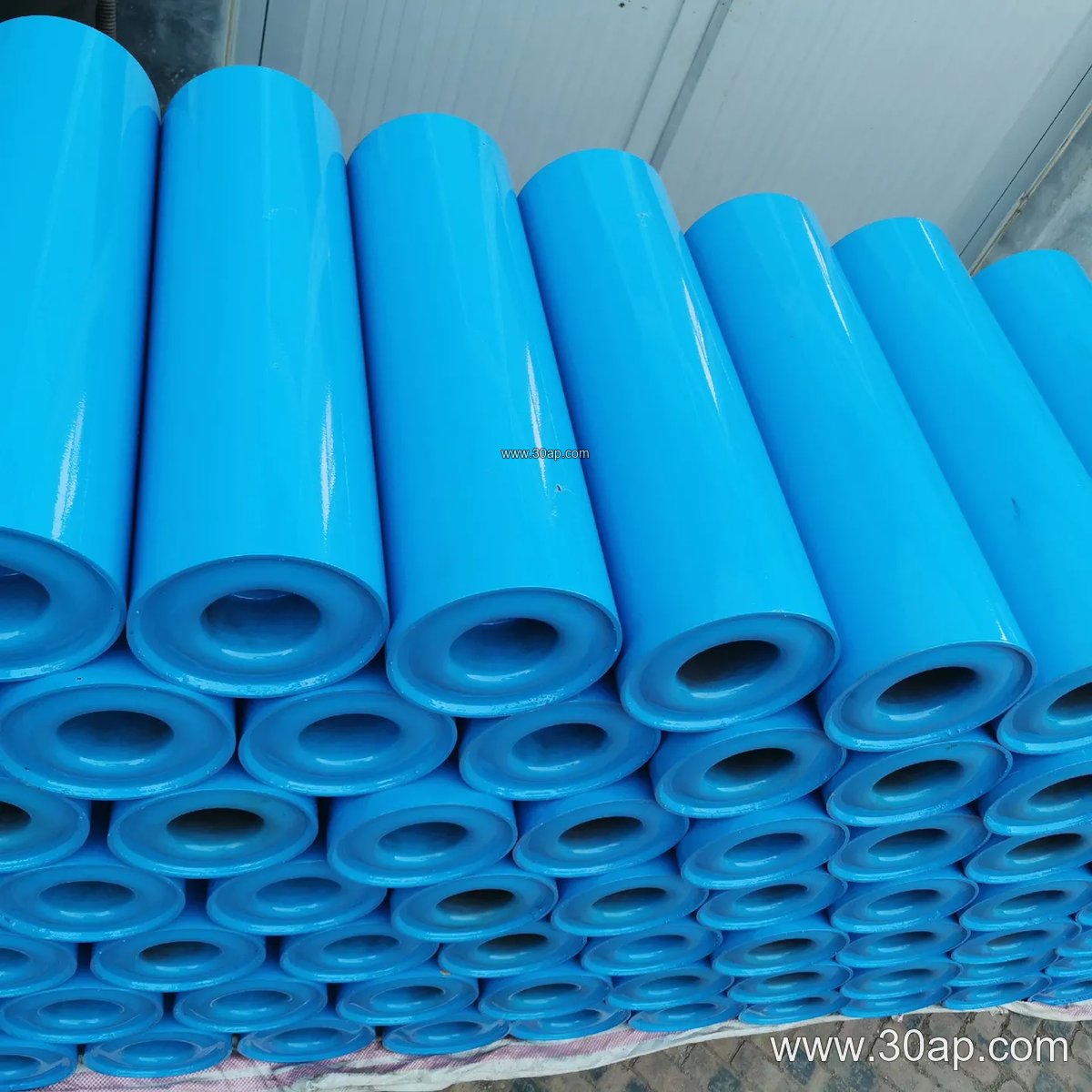
How a Return Idler Is Built
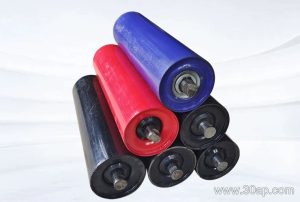
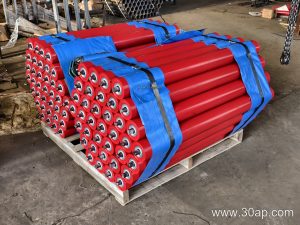
Most return idlers share a common structure: a steel tube shell, two bearing housings, a shaft, and seals to keep dust and water out. The shell surface may be plain steel, nylon, ceramic or covered with rubber rings, depending on the duty. Bearing sizes commonly range from 6204 and 6205 up to 6308 and 6310 on heavier rollers, but the bearing choice should follow the load and shaft design rather than belt width alone.
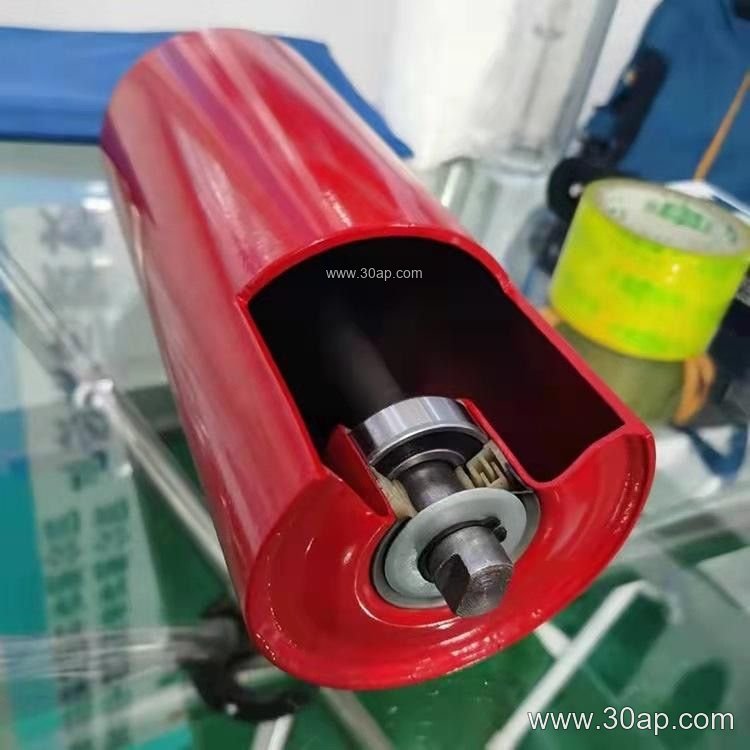
- Shell: steel tube, sometimes with rubber or ceramic surface for build-up or wear protection
- Shaft: through shaft or stub shaft, sized by load and bracket design
- Bearings: sealed ball bearings, commonly 6204 to 6310 depending on duty
- Seals: labyrinth or contact seals for dusty conditions such as coal and ore handling
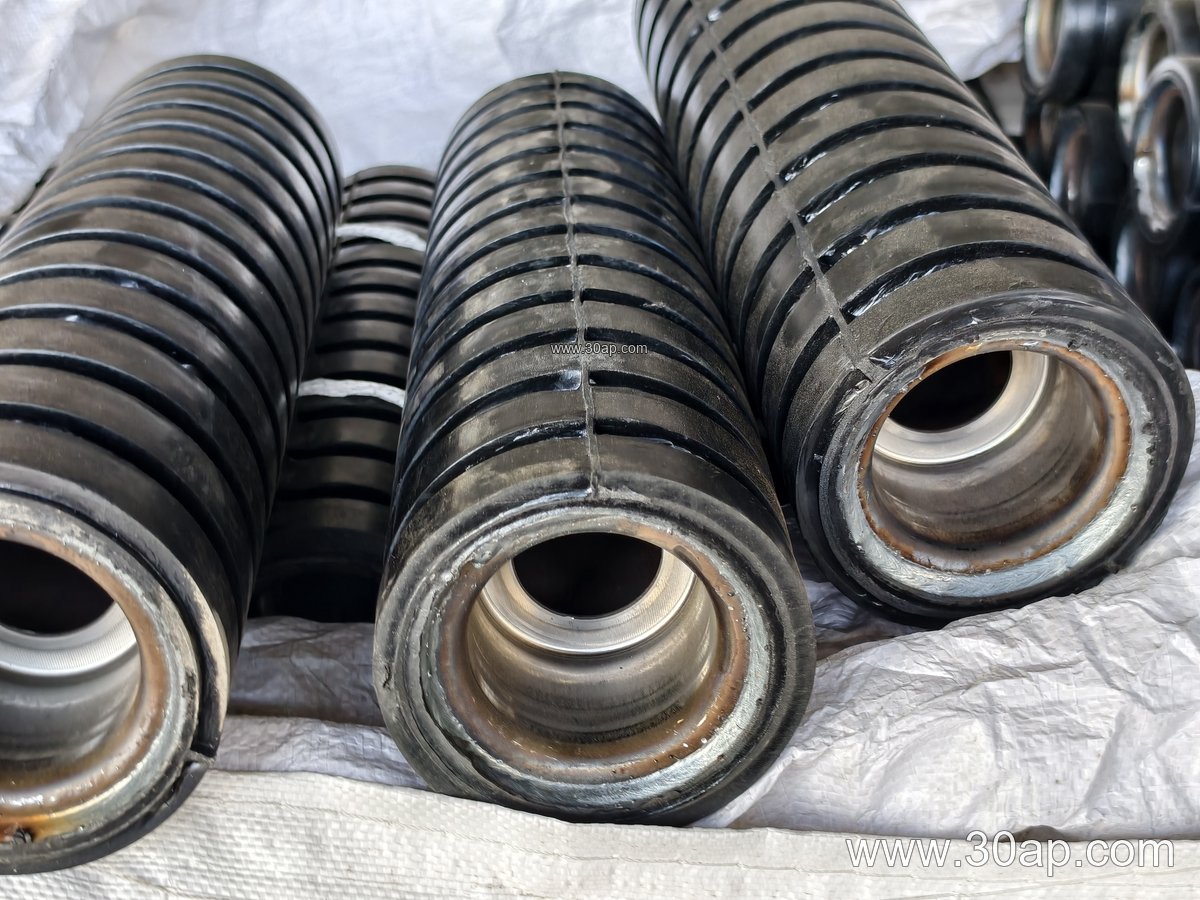
Some designs, such as the spiral return roller or the rubber-disc return roller, add a self-cleaning effect. The spiral form helps shed sticky material, which is useful where a abrasion resistant conveyor belt carries damp fines and the return side tends to accumulate carryback.
Common Sizes and Arrangements
Return idlers are usually specified by roller diameter, belt width, roller length and bearing size. The figures below are common reference values and should be confirmed against the actual conveyor design.
| Belt width | Common return roller diameter | Typical bearing | Roller length example |
|---|---|---|---|
| B500 | Ø63 to Ø89 mm | 6204 / 6205 | about 600 mm |
| B650 | Ø76 to Ø108 mm | 6205 / 6305 | about 750 mm |
| B800 | Ø89 to Ø127 mm | 6305 / 6306 | about 950 mm |
| B1000 | Ø108 to Ø133 mm | 6306 / 6308 | about 1150 mm |
| B1200 | Ø108 to Ø159 mm | 6308 / 6310 | about 1400 mm |
| B1400 | Ø127 to Ø159 mm | 6308 / 6310 | about 1600 mm |
| B1600 | Ø133 to Ø178 mm | 6310 | about 1800 mm |
Roller length is not fixed by belt width alone. It depends on the bracket spacing, the belt edge overhang and the return idler type. A flat return roller and a V-type return idler set will use different lengths, and the shaft diameter must be calculated from the load, not guessed from belt width. For heavy-duty mining conveyor belt installations, larger diameters such as Ø159, Ø178 and Ø194 mm are common to reduce rotation speed and improve bearing life.
Matching the Return Idler to the Duty
The return side of a conveyor is not always a simple flat run. A V-type return idler set, usually two rollers at a small angle, helps center the belt and works well on long overland conveyors. A flat return roller is simpler and suits many plant conveyors. Rubber-disc or spiral return rollers are chosen where sticky material builds up on the belt and causes roller wrap.
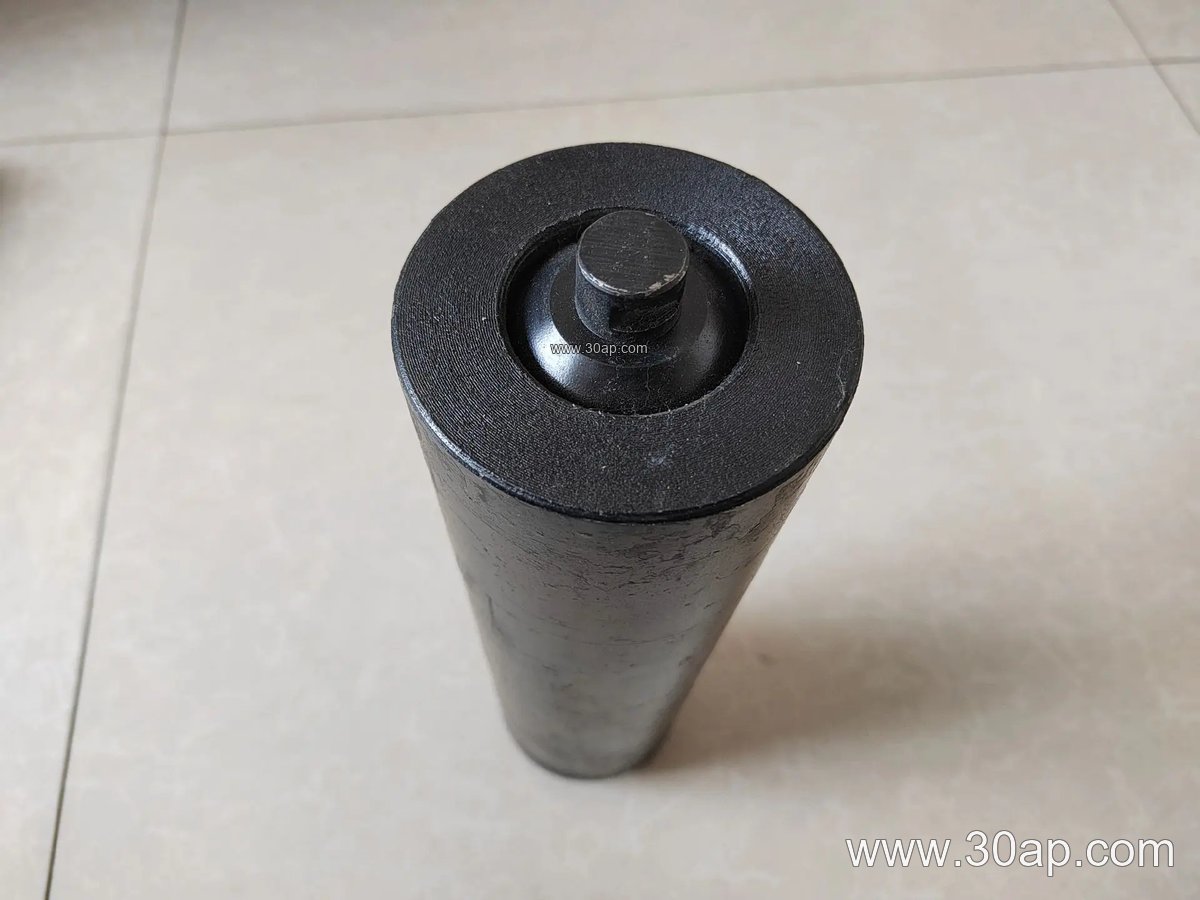
Environmental conditions also matter. In a coal preparation plant or underground coal mining conveyor, flame retardant and anti-static properties of the belt are critical, and the return idlers should be selected with sealed bearings that tolerate coal dust and wash-down. In a cement plant, fine alkaline dust can attack seals, so a good labyrinth seal is worth specifying. For a steel cord conveyor belt carrying high tension over long distances, the return idler spacing and roller quality affect belt sag and overall running resistance.
Buyer Checklist
- Confirm belt width, return roller diameter and shaft size against the conveyor drawing
- Check bearing size and seal type for dust, water or wash-down conditions
- Decide between flat, V-type, spiral or rubber-disc return rollers based on carryback
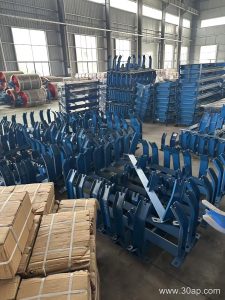
- Verify bracket and frame dimensions so the return idler fits the existing conveyor bracket
- Ask about roller balance and concentricity, since vibration shortens bearing life
A return idler is a low-cost part, but it runs continuously. Choosing the right roller diameter, seal and surface form for the site conditions will reduce downtime and keep the conveyor belt running smoothly from the tail pulley to the discharge.