What a 650mm Conveyor Belt Is
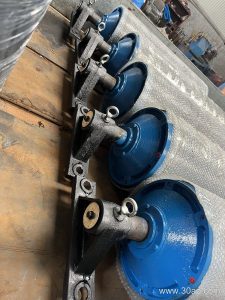
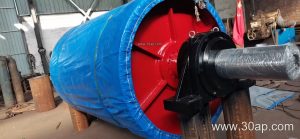
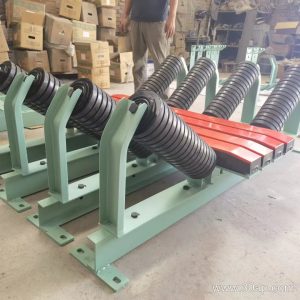
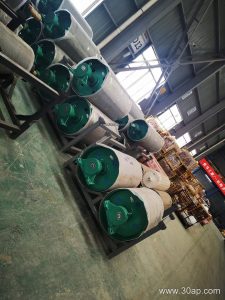
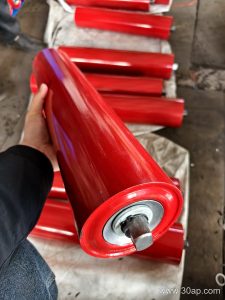
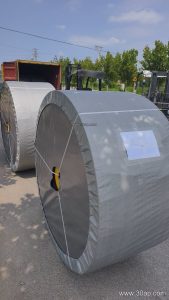
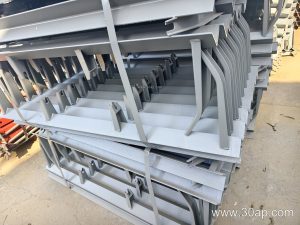
A 650mm conveyor belt is a belt with a nominal width of 650 millimeters, a size often written as B650 in specifications and drawings. It sits in the middle of the common narrow-to-medium range, wider than a 500mm or 600mm belt and narrower than an 800mm or 1000mm belt. This width is frequently chosen for secondary conveyors, transfer points, and plant lines where the tonnage is moderate and the space envelope is tight. You will see it in cement plants, power plants, sand and aggregate yards, and smaller sections of mining and coal handling systems. The belt itself is only one part of the circuit; it runs over conveyor pulleys, idler rollers, and conveyor brackets that must be matched to the load and the environment.
Construction and Common Belt Types
The carcass carries the tension, and the cover rubber protects it from the material and the surroundings. For a 650mm width, fabric-cored designs are the most common starting point. An EP conveyor belt (polyester-nylon) is widely used for general bulk handling, while an NN conveyor belt (nylon-nylon) offers good flexibility and fatigue resistance. Both are examples of a fabric core conveyor belt, and multi-ply fabric core conveyor belt construction with two to five plies is typical at this width, depending on the duty.
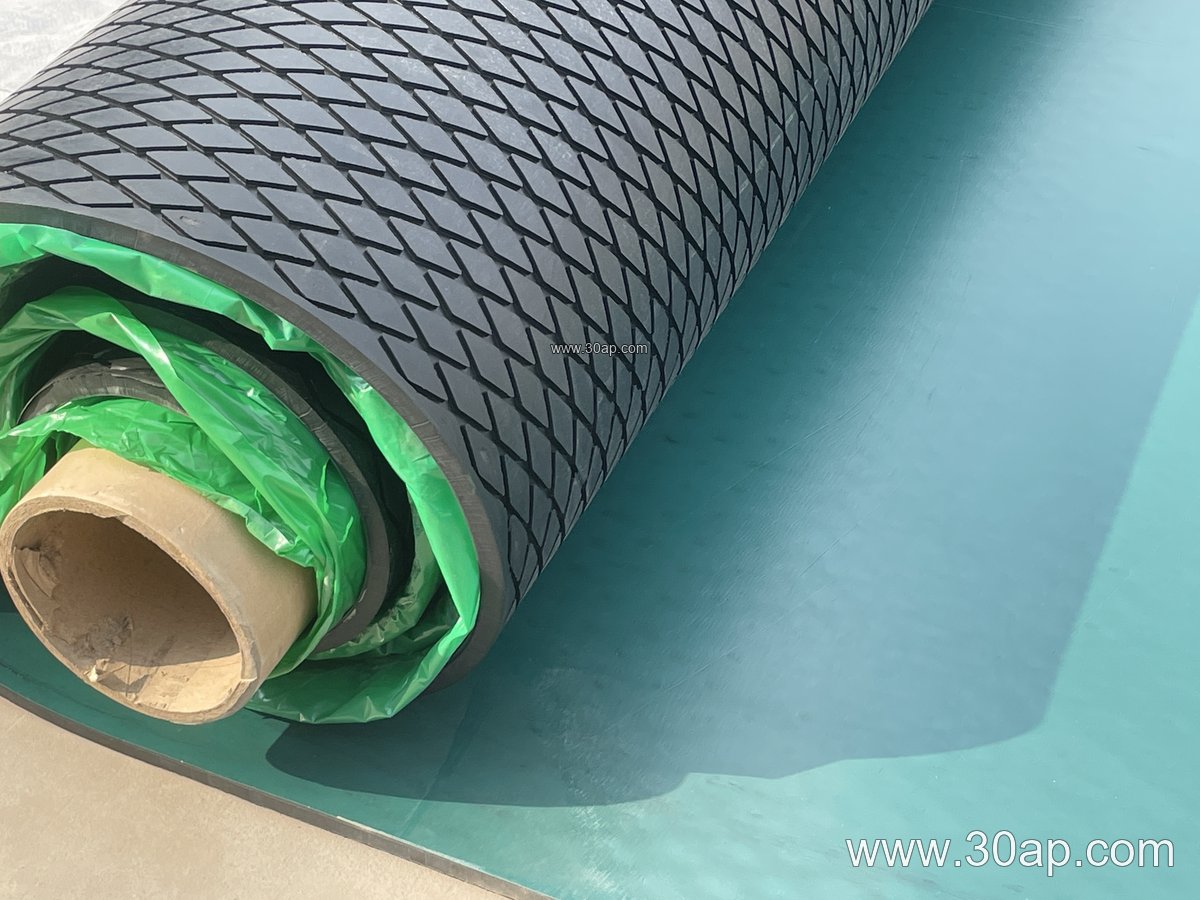
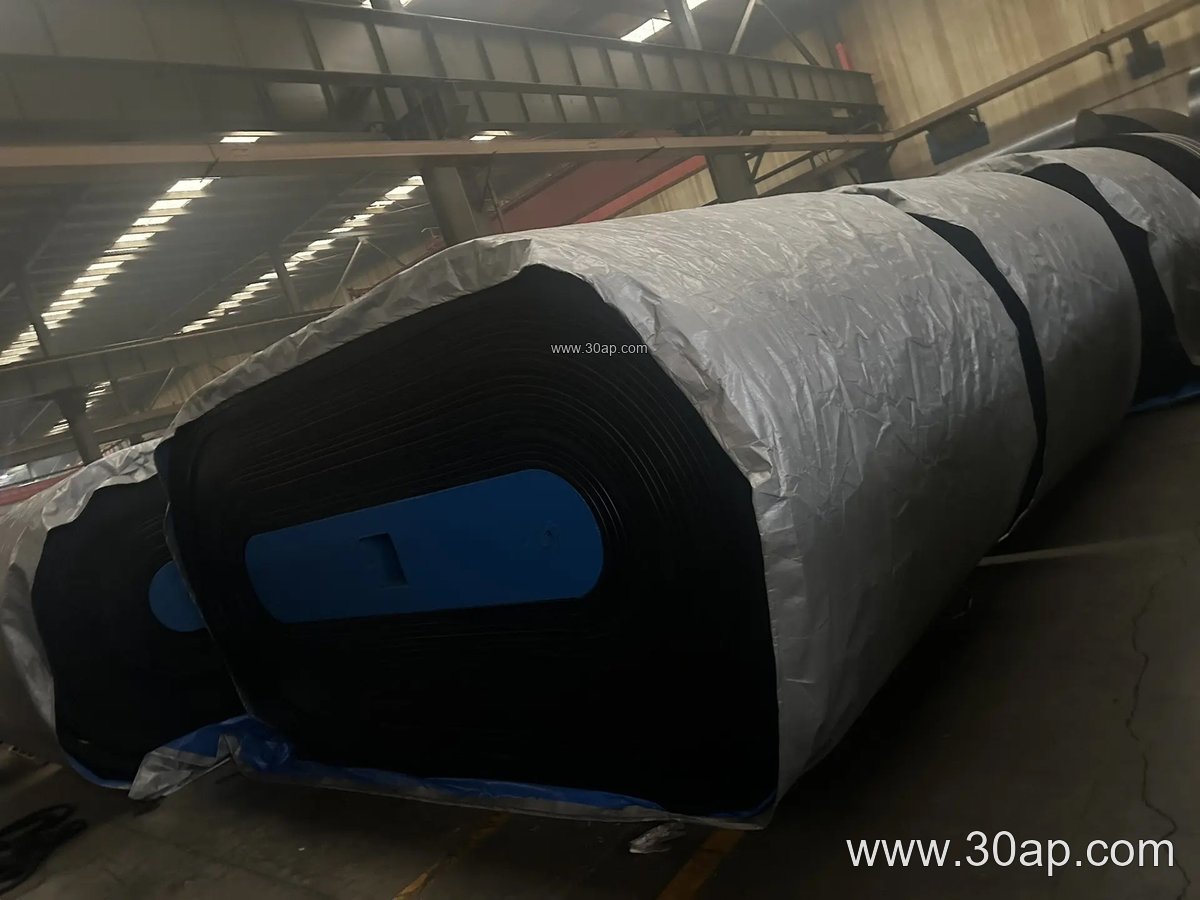
Where the duty is heavier, a steel cord conveyor belt can be considered, although at 650mm the fabric options usually cover most plant needs. Surface and cover choices follow the cargo and the climate: abrasion resistant conveyor belt for sand, clinker, and crushed stone; heat resistant conveyor belt near kilns and dryers; oil resistant conveyor belt for oily scrap or treated feedstock; flame retardant conveyor belt and anti-static conveyor belt for coal and underground work; cold resistant conveyor belt for outdoor winter operation. Cleated profiles such as a chevron conveyor belt, or a corrugated sidewall conveyor belt, help on steep inclines, and a skirted conveyor belt keeps material from spilling at transfer points.
Typical Strength and Cover Reference
The figures below are common reference values, not verified universal specifications. Actual belt design should follow the conveyor calculation and the manufacturer’s data.
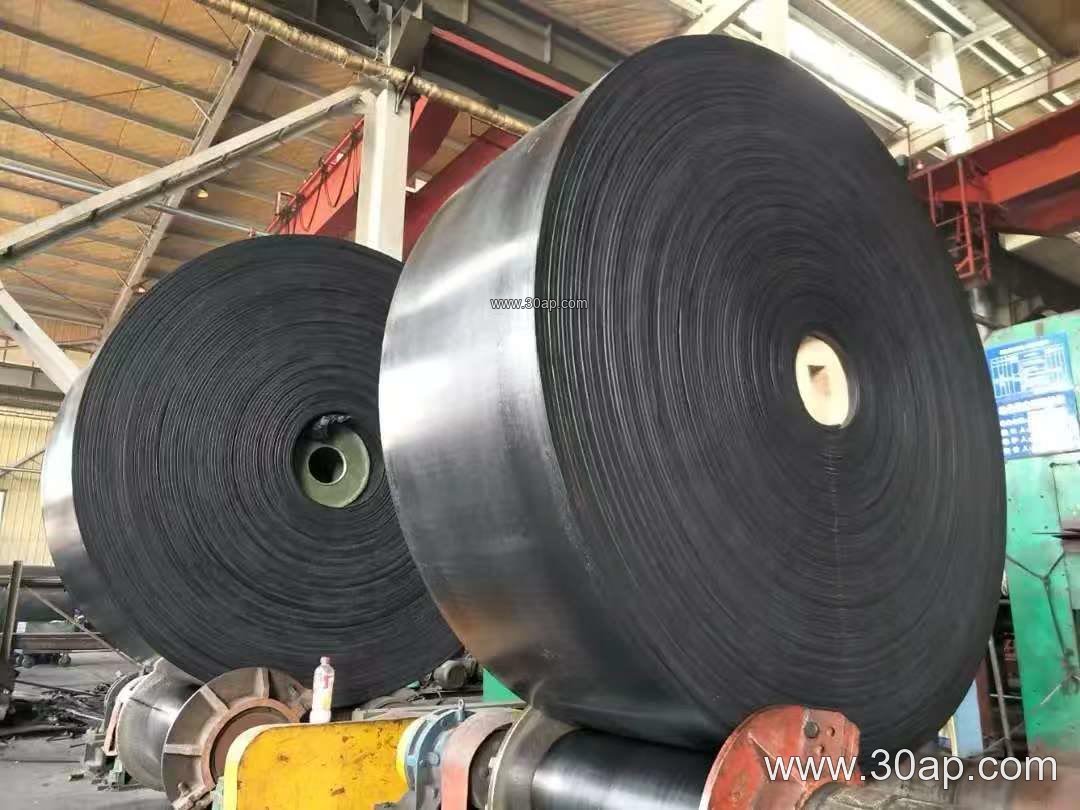
- Width designation: B650 (650mm)
- Fabric types: EP or NN, 2 to 5 plies typically
- EP strength grades often quoted: EP200, EP315, EP400, EP500, EP630, EP800
- Cover thickness examples: 3+1.5 mm, 4+2 mm, 5+2 mm, 6+2 mm
- Special grades: abrasion resistant, heat resistant, oil resistant, flame retardant, anti-static, cold resistant
These values are reference data only. A 650mm belt is not tied to one strength grade, and the same width can serve light transfer duty or heavier mineral duty depending on the carcass and cover selected.
Where the 650mm Width Fits
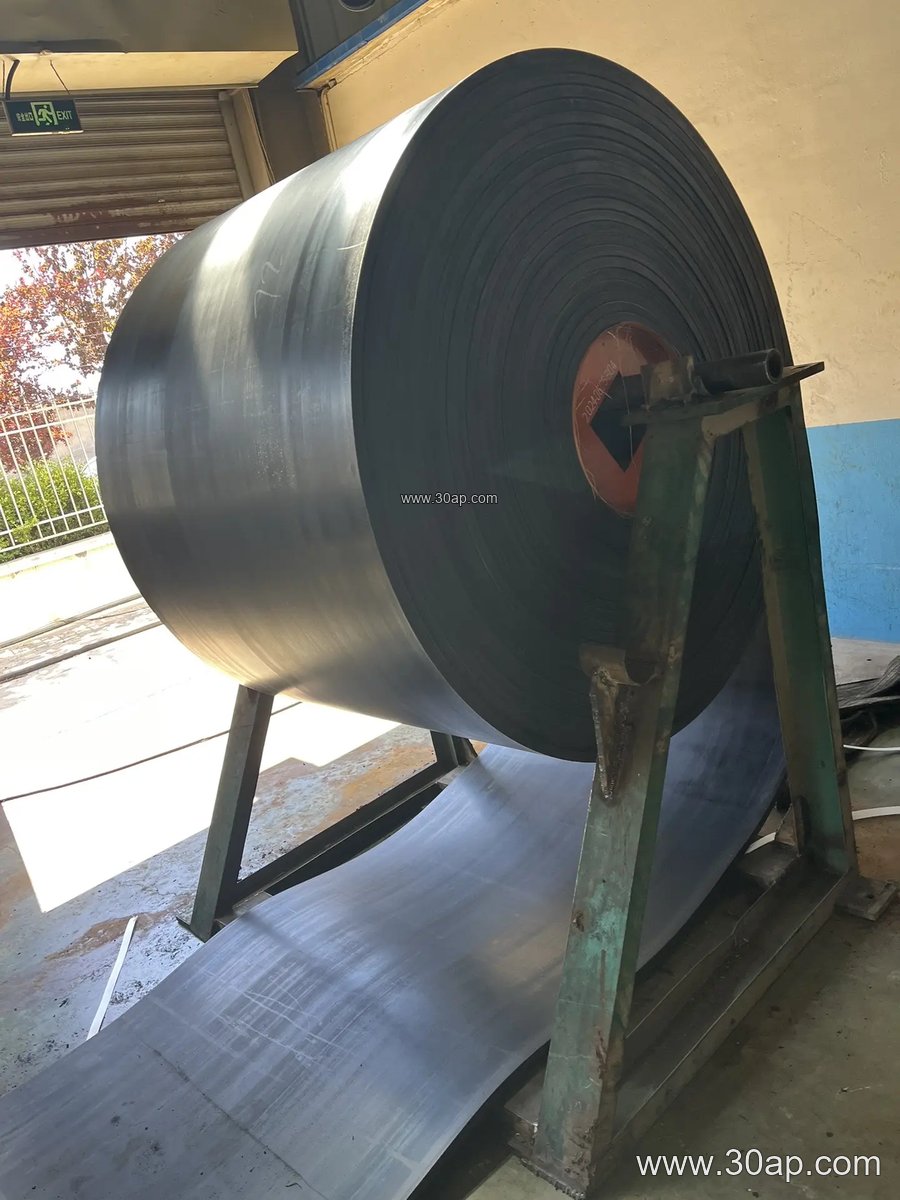
In a cement plant, a 650mm belt may feed a crusher or carry clinker from a cooler. In a power plant it can move coal from a bunker outlet or handle ash. In a sand and gravel yard, an aggregate conveyor belt of this width works well on screening and stockpile lines. Coal mining conveyor belt and underground mining conveyor belt applications often use flame retardant and anti-static grades, and in those settings the belt, conveyor pulley, and idler roller selection must be considered together. Port and ship loading conveyors tend to use wider belts, so the 650mm size is more often found in plant-level and in-plant transfer duties.
Buyer Checklist Before Ordering
Start with the material: lump size, temperature, moisture, oil content, and abrasiveness decide the cover compound and thickness. Next, confirm the duty and the required tensile grade, then the carcass type. Check the pulley diameters on the drive, tail, and bend positions, since each has its own minimum recommended diameter for a given carcass; these three pulley roles are not interchangeable. Confirm the troughing idler roller angle and spacing, and verify that the conveyor bracket and frame suit a 650mm belt. Finally, state whether the belt should be supplied as an endless conveyor belt or as an open length for mechanical splicing, and whether edge profiles or cleats are needed.
Installation and Maintenance Notes
Correct alignment at the tail and bend pulleys prevents edge damage, which matters more on narrower belts because there is less margin for wander. Keep idler rollers turning freely and replace seized units promptly to avoid cover wear. Inspect splices and edges regularly, especially in abrasive service. Store spare belts indoors, away from ozone sources and direct sunlight, and rotate stock. When replacing a belt, record the actual cover thickness and ply count so the next order matches the real duty rather than an assumed one.