What a Power Plant Conveyor Belt Does
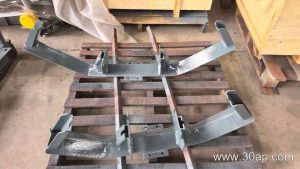
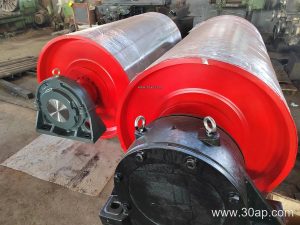
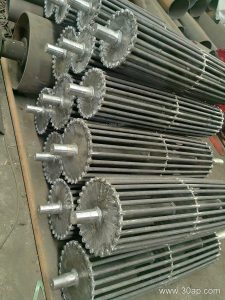
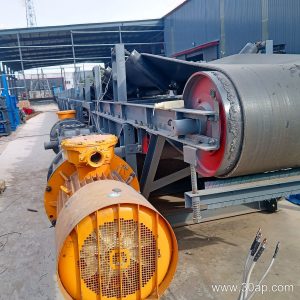
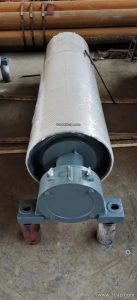
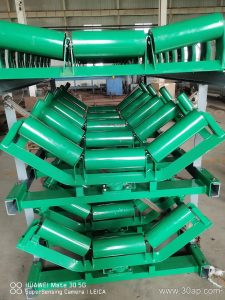
A power plant conveyor belt moves coal, biomass, limestone, ash, and other bulk fuels or residues between unloading points, stockpiles, crushers, bunkers, and boiler feed systems. Because the belt is part of a continuous material flow, a stop on one conveyor can affect the whole fuel yard. The belt itself is only one element of that system, working alongside the conveyor pulley, idler roller, and conveyor bracket that support and guide the loop.
In coal-fired plants, the same belt route may pass through open yards, transfer towers, and enclosed galleries. In biomass and waste-to-energy plants, the duty can be lighter but more variable. The key point is that a power plant conveyor belt is selected for the specific fuel, layout, and operating environment, not simply by width.
Construction and Common Constructions
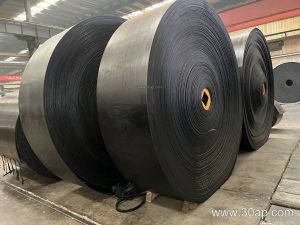
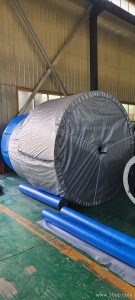
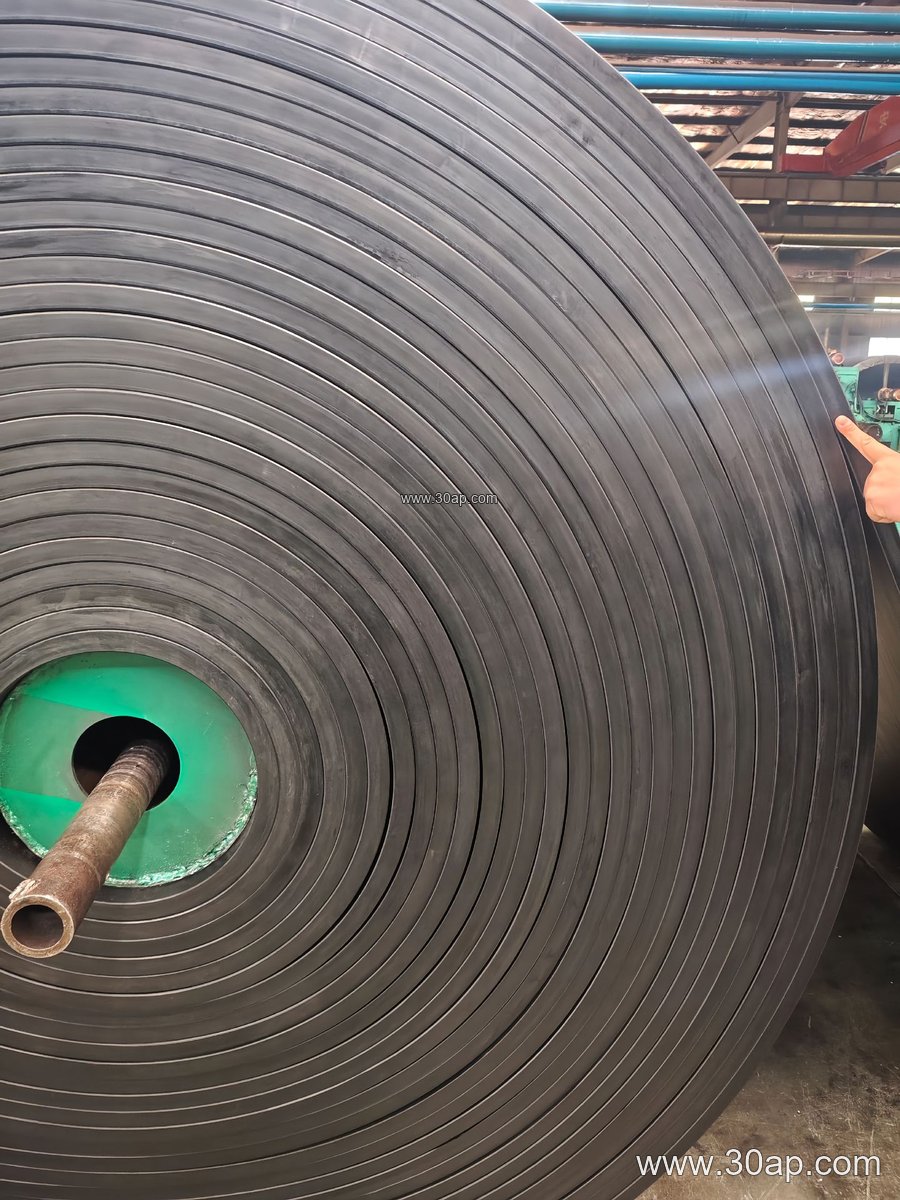
Most belts used in power plants have a fabric or steel cord carcass covered with rubber. Fabric types include EP Conveyor Belt (polyester-nylon) and NN Conveyor Belt (nylon-nylon). A Multi-Ply Fabric Core Conveyor Belt is common in medium-duty fuel lines, while a Steel Cord Conveyor Belt suits long, high-tension routes such as main yard conveyors. PVC and PVG belts appear in some underground or enclosed applications where flame resistance matters.
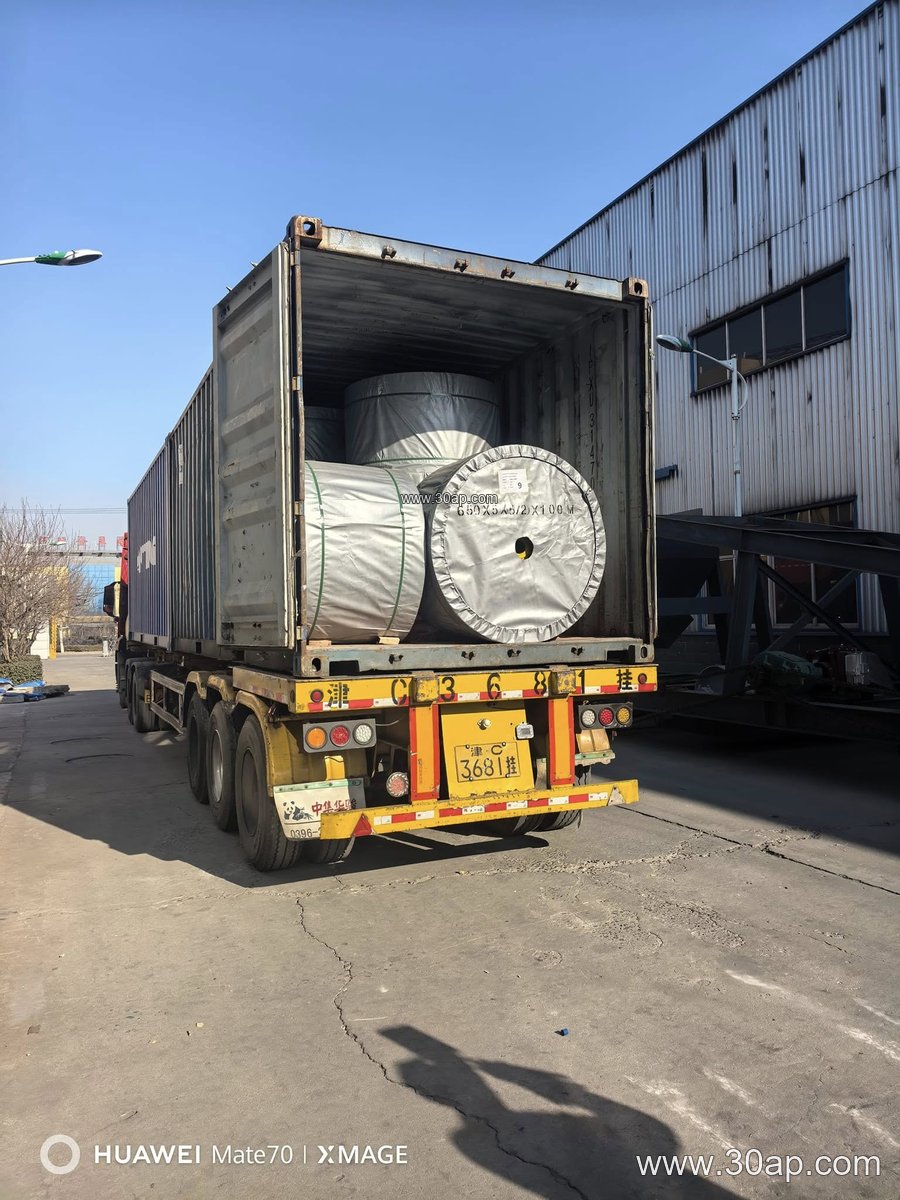
Cover compounds are chosen for the cargo. Coal handling often calls for a Flame Retardant Conveyor Belt or Fire Resistant Conveyor Belt, and an Anti-Static Conveyor Belt helps control static in dusty areas. A Heat Resistant Conveyor Belt may be needed near hot ash or clinker, and an Abrasion Resistant Conveyor Belt is common where limestone or slag is handled. An Oil Resistant Conveyor Belt is relevant when fuel or lubricant contamination is possible.
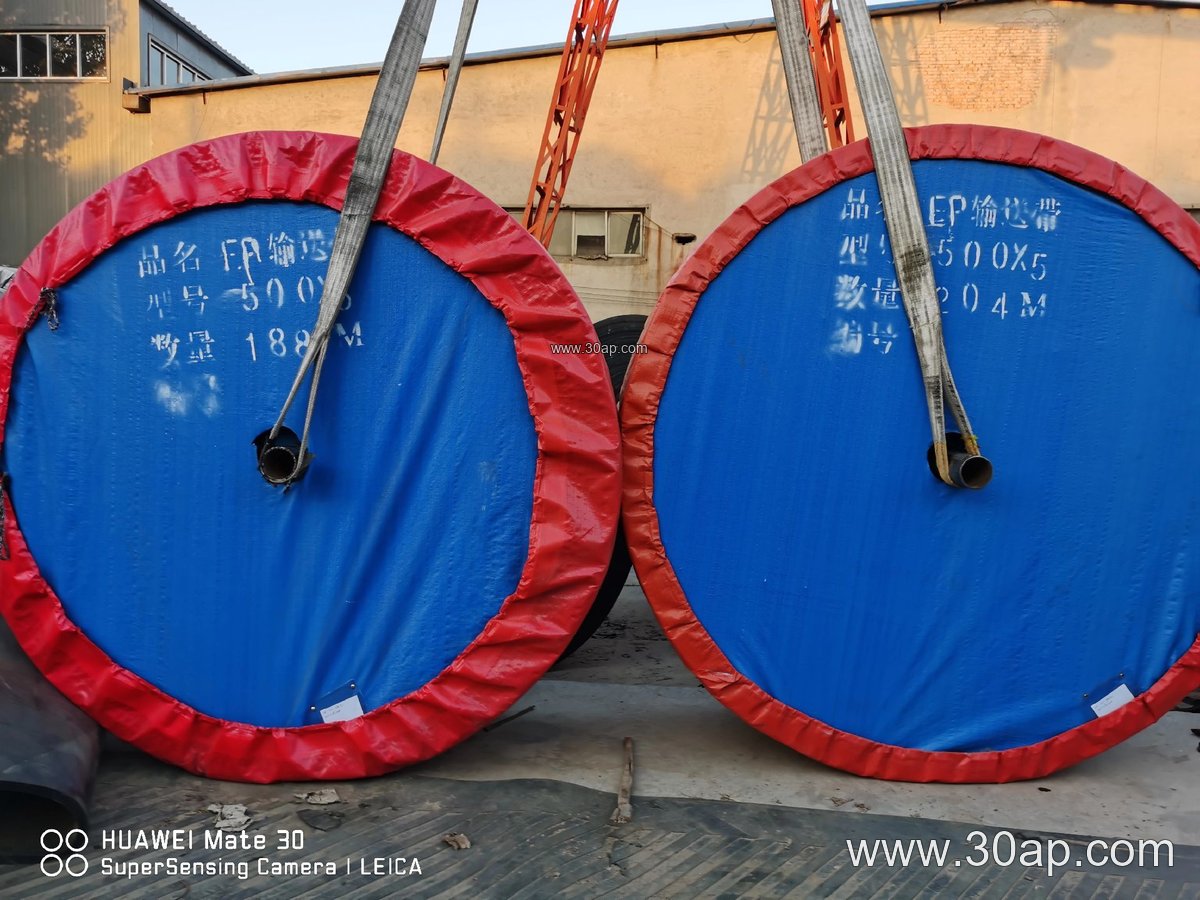
Special profiles also appear in tight layouts. A Chevron Conveyor Belt or Corrugated Sidewall Conveyor Belt helps hold material on inclines, and a Skirted Conveyor Belt reduces spillage at transfer points. A Pipe Conveyor Belt can enclose the cargo on curved routes, which is useful where space or dust control is a concern.
Reference Dimensions and Strength Grades
The following values are common reference data. Actual belt width, carcass grade, and cover thickness are confirmed by the conveyor design, not by a single rule.
| Parameter | Common reference values |
|---|---|
| Belt width | B500, B650, B800, B1000, B1200, B1400, B1600, B1800, B2000 |
| EP strength grades | EP200, EP315, EP400, EP500, EP630, EP800, EP1000, EP1250, EP1600 |
| Cover thickness | 3+1.5 mm, 4+2 mm, 5+2 mm, 6+2 mm, 8+3 mm |
| Fabric plies | Usually 2 to 6 plies, depending on tension |
A 1000mm or 1200mm belt is often seen on main coal conveyors, while a 650mm or 800mm belt may serve smaller transfer or ash lines. These are examples, not fixed pairings. The belt width must be checked against the conveyor pulley face, the idler roller trough angle, and the required capacity.
Where It Is Used
Beyond power generation, similar belts serve mines, coal preparation plants, cement works, quarries, and ports. A Mining Conveyor Belt or Coal Mining Conveyor Belt shares many design concerns with a power plant belt, but the duty cycle and safety requirements differ. In a plant, the belt may run intermittently to match boiler demand, so start-stop behavior and tracking stability matter.
Fuel yards also use a Crusher Conveyor Belt or Bulk Material Conveyor Belt ahead of and after size reduction. Ash handling may call for a heat-tolerant grade. The conveyor pulley at the drive and tail ends, the idler roller along the carry side, and the conveyor bracket that holds the rollers all influence belt life. A poorly aligned bend pulley or worn idlers can damage even a high-grade belt.
Buyer Checklist
- Fuel and conditions: confirm coal, biomass, limestone, or ash, plus moisture, lump size, temperature, and oil or chemical exposure.
- Safety grade: for enclosed coal routes, specify flame retardant and anti-static properties where required by the plant design.
- Tension and route: long lifts and high inclines may favor steel cord or higher EP grades; short transfers may use a lighter fabric core.
- Cover and carcass: match cover thickness to abrasion and impact, and confirm ply or cord grade with the conveyor designer.
- System fit: check belt width against pulley diameters, troughing idlers, and brackets, and plan splicing and tracking checks.
A sensible purchase decision starts with the conveyor layout and the fuel data, then narrows the belt construction. For plant operators, the practical goal is a belt that tracks well, resists the local wear pattern, and can be spliced and maintained without long downtime.