What an Endless Conveyor Belt Is
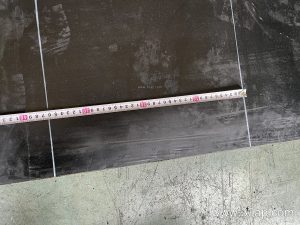
An endless conveyor belt is a belt that has already been joined into a closed loop at the factory, so its ends are spliced before delivery rather than on site. Instead of receiving an open length and fitting a mechanical fastener or field vulcanization, the buyer installs a finished ring that matches the pulley centers and take-up travel of the conveyor. For plants that cannot stop long enough to make a reliable joint in place, this ready-to-run format removes a difficult step from the installation schedule.
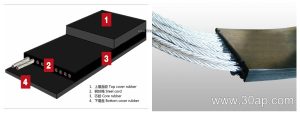
The loop is normally produced by vulcanizing the fabric plies or steel cords across the joint, then trimming and skiving the cover so the splice thickness stays close to the body of the belt. Tension members run continuously around the circuit, which helps the belt track steadily on the drive pulley, tail pulley and bend pulleys. It is still a conveyor belt in the ordinary sense; the difference lies in how the ends are finished and how the length is ordered.
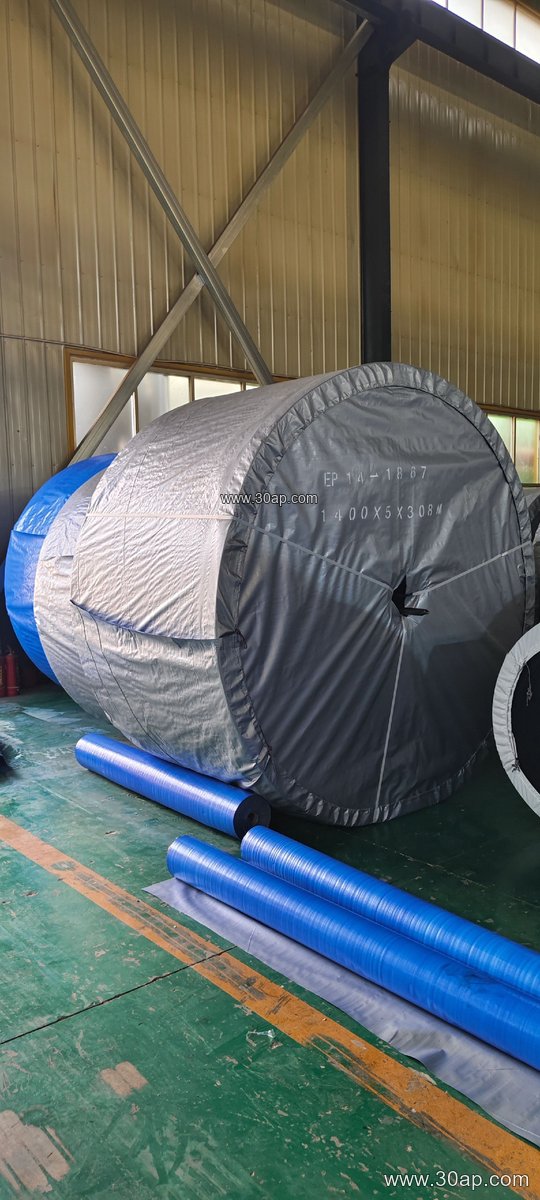
Construction and Common Constructions
The carcass can be fabric based or steel cord based. Fabric types include EP conveyor belt (polyester warp, nylon weft), NN conveyor belt (nylon warp and weft), and multi-ply fabric core designs with two to six plies. Steel cord conveyor belt uses parallel cords for long, high-tension routes. Cover compounds are chosen for the duty: abrasion resistant, heat resistant, oil resistant, flame retardant, anti-static or cold resistant grades are all available, and a food grade cover is used where hygiene matters.
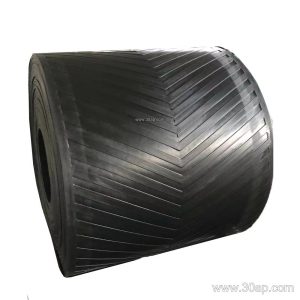
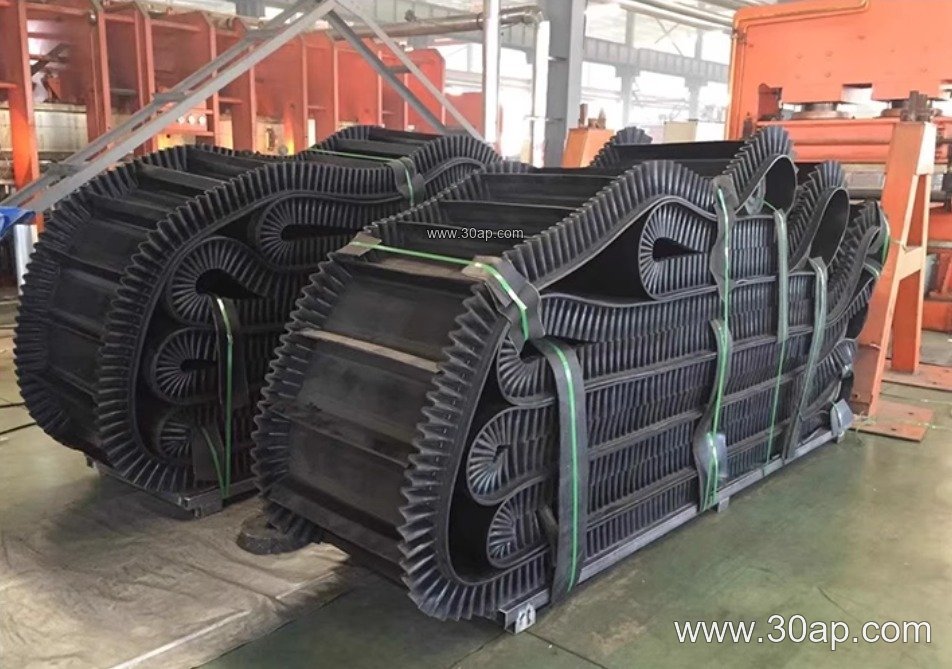
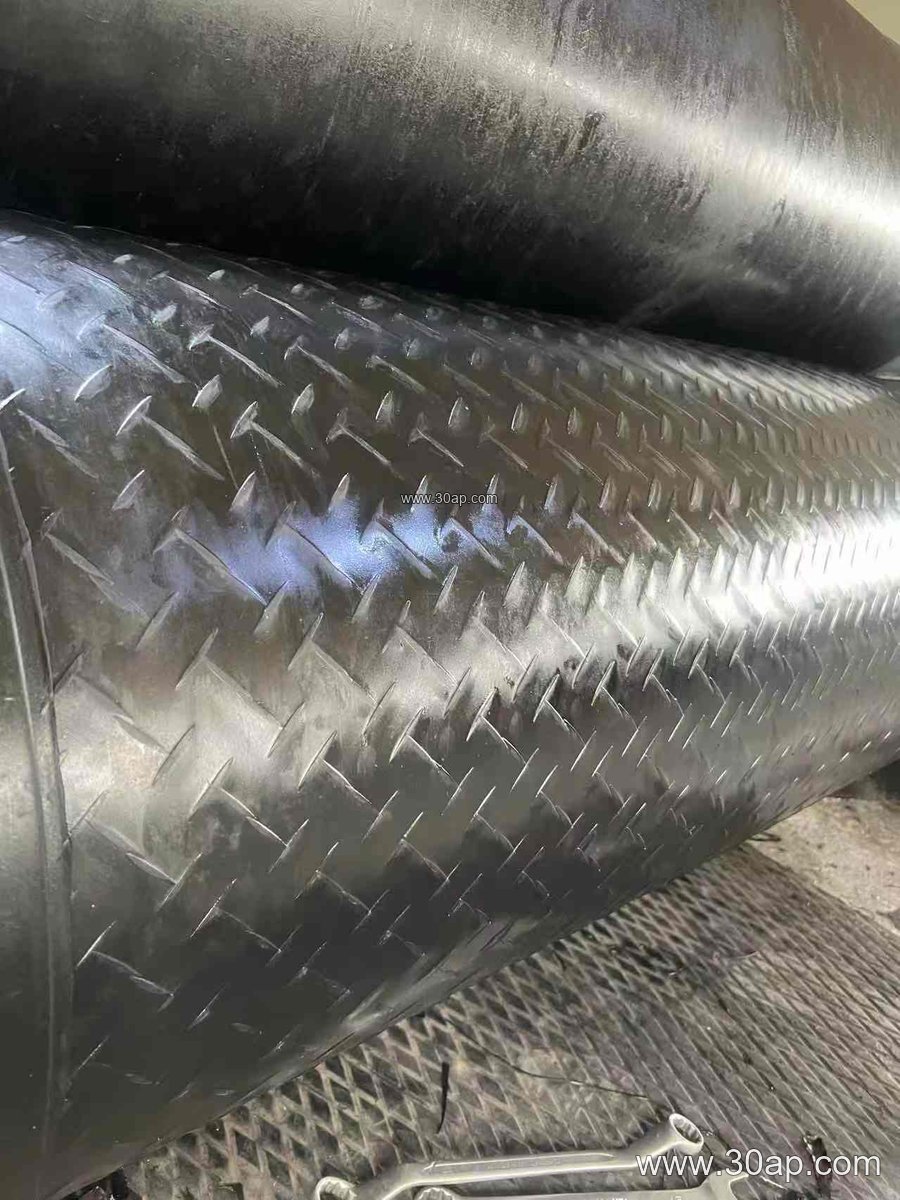
Surface form also affects the choice. A chevron conveyor belt or other patterned cover grips wet, loose material on an incline, while a corrugated sidewall belt with cleats contains material on steep lifts. A pipe conveyor belt forms a tube in service to enclose the load. Each of these is a different belt construction, not a substitute for the endless format itself.
Common reference data for belt ordering:
- Fabric strength grades: EP200, EP315, EP400, EP500, EP630, EP800, EP1000, EP1250, EP1600, EP2000
- Steel cord grades: ST1000, ST1250, ST1600, ST2000, ST2500, ST3150
- Belt widths: B500, B650, B800, B1000, B1200, B1400, B1600, B1800, B2000
- Cover thickness examples: 3+1.5, 4+2, 5+2, 6+2, 8+3 mm
These values are references, not fixed combinations. A wide belt does not require one particular pulley diameter, and shaft size is set by the conveyor design, not by belt width alone.
Where It Fits in the Plant
Closed-loop belts are common on fixed-center conveyors where the take-up stroke is limited and the joint must be reliable from the first day. You will see them in mines and coal preparation plants, cement works, power stations, quarries and sand and aggregate yards, as well as in ports and ship loading systems. In a stone crushing line, an endless belt may run from the crusher discharge to the screen; in a cement plant it may carry clinker or raw meal; in a coal mining conveyor it may be a flame retardant grade for underground use.
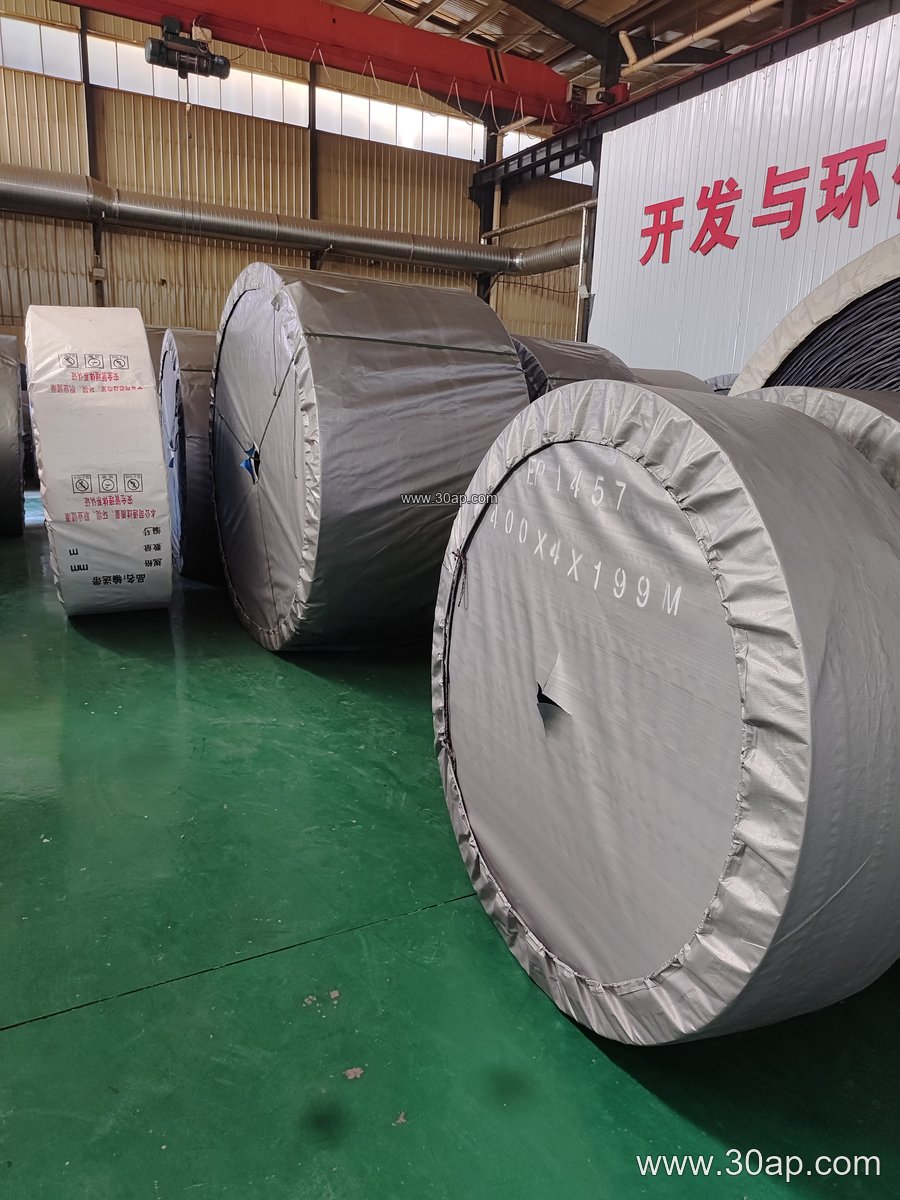
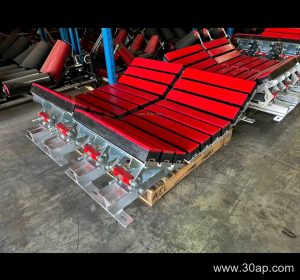
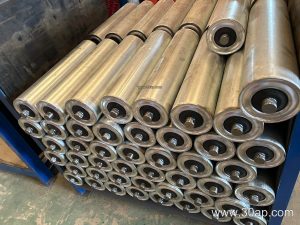
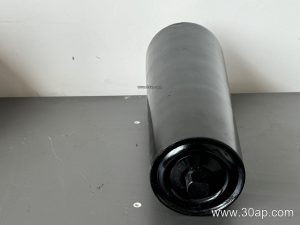
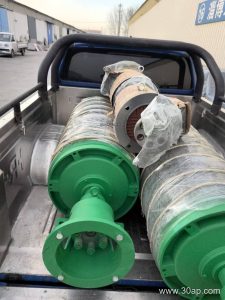
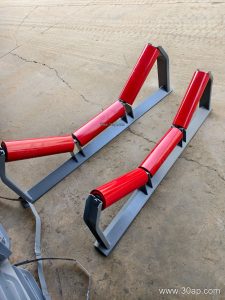
The surrounding hardware matters as much as the belt. A conveyor pulley at the head drives the loop, a tail pulley returns it, and bend pulleys guide it through the take-up. Idler roller sets support the carrying and return strands, and each conveyor bracket holds the idlers at the correct angle and spacing. If any of these components is misaligned, even a well-made endless belt will edge or wear unevenly.
What to Confirm Before Ordering
An endless belt is made to a measured length, so the order must state the exact center distance, take-up position and pulley diameters. The supplier also needs belt width, carcass type and grade, number of plies or cord class, cover thickness and grade, and the material being carried. Temperature, lump size, moisture, oil content and flame or anti-static requirements should be stated clearly for the application.
Ask how the splice was made and what elongation allowance was used, because a loop that is too short cannot be fitted and one that is too long may run out of take-up travel. Confirm the direction of travel for patterned or sidewall belts. Check that the drive pulley, tail pulley and bend pulleys are in good condition before installation, since worn lagging or a damaged pulley face can shorten belt life.
Maintenance Notes
Keep the belt clean and centered. Inspect the splice regularly for edge separation or cover cracking, and check idler roller rotation so seized rollers do not rub the belt. Maintain adequate counterweight or take-up tension, and avoid over-tensioning to compensate for a worn drive pulley. Store a spare loop flat, out of sunlight, and away from ozone sources and oils until it is needed.