What Is a Custom Conveyor Bracket?
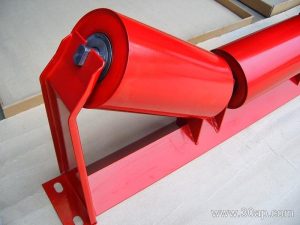
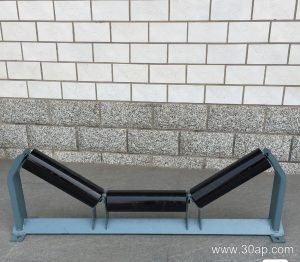
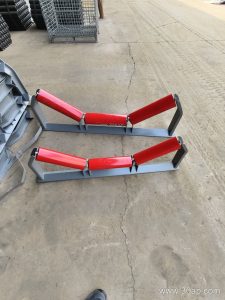
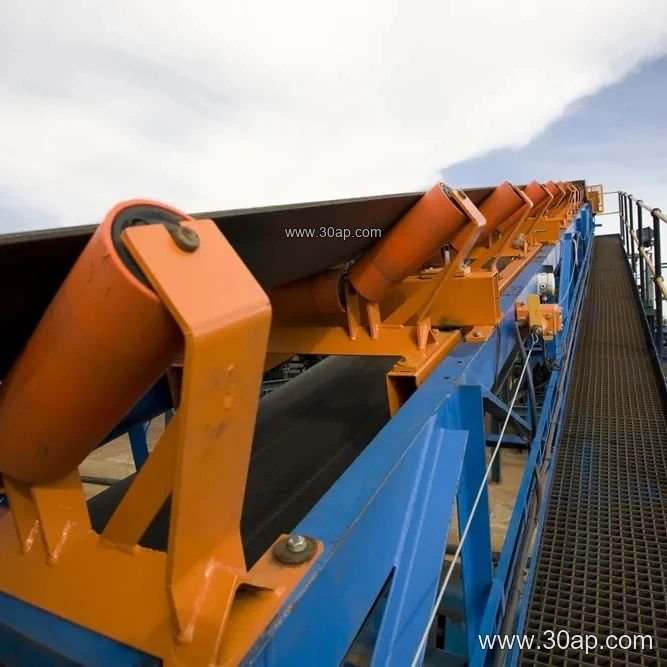
A custom conveyor bracket is a made-to-order support component that positions idler rollers and carries the conveyor belt along the desired path. Unlike a standard off-the-shelf bracket, it is built to match a specific belt width, trough angle, roller diameter, and mounting interface. In quarry, cement, and power plant belt lines, the bracket often determines how well the belt tracks and how quickly rollers can be serviced. When specified correctly, this custom conveyor bracket becomes the backbone of stable belt support.
Construction and Materials
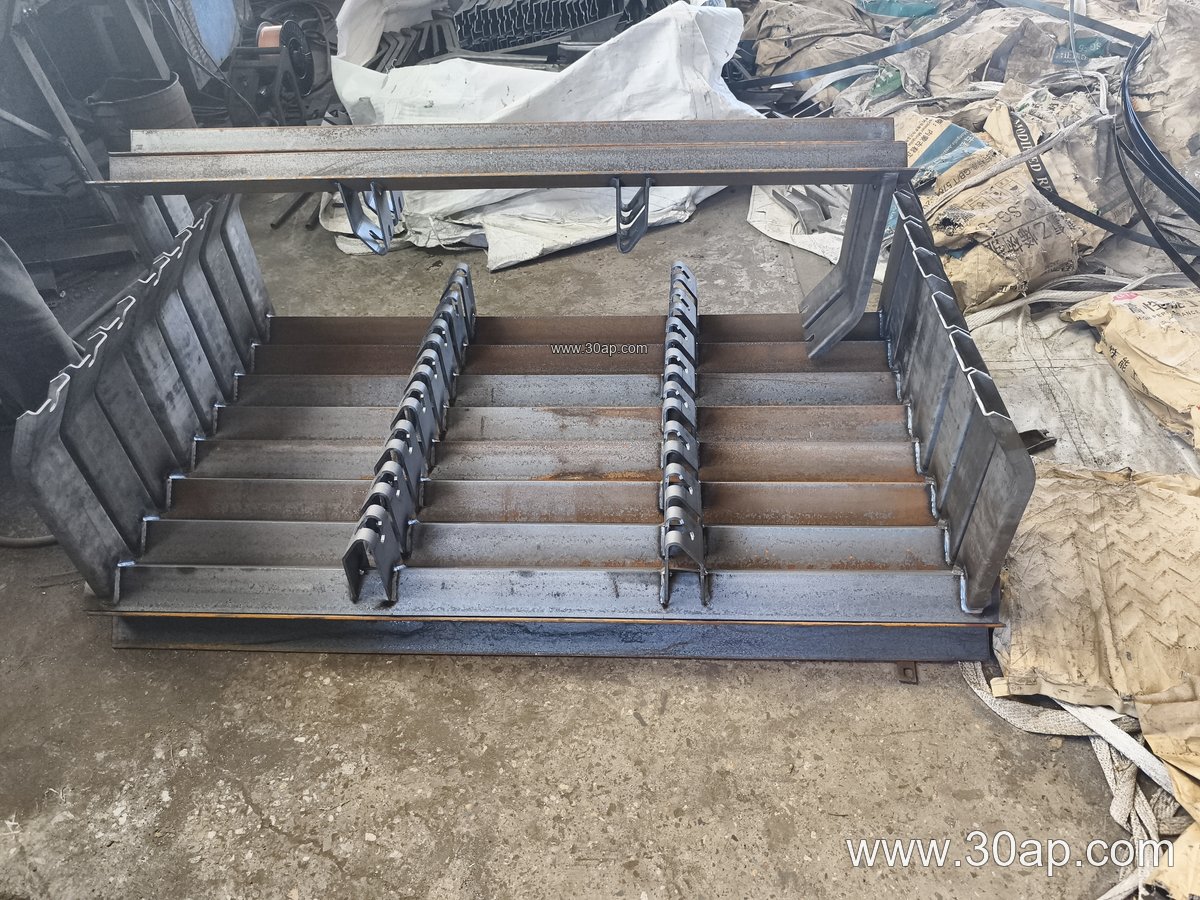
Fabrication usually starts with angle steel, channel steel, or bent steel plate. The choice depends on load and environment: channel sections suit heavy-duty mining conveyor lines, while bent plate can reduce weight on long overland structures. Welded joints are ground and checked for squareness so the idler roller sits at the correct height. Bolt slots and mounting holes are positioned according to the actual belt width and trough angle, not a universal template. Surface treatment may include painting or galvanizing for dusty or humid sites such as coal preparation plants and port terminals.
Common Types and Where They Fit
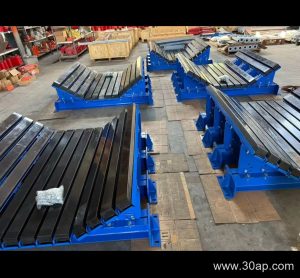
Brackets are not interchangeable across positions. A trough bracket supports the carrying side and sets the trough angle; a return bracket holds the belt on the return run; a transition bracket eases the belt from flat to troughed; and a self-aligning bracket helps correct mistracking. For comparison, a bend pulley changes belt direction, while a bracket only supports the belt and rollers. The same distinction applies to drive and tail pulleys — they transmit power or tension, not support. This article focuses on the custom conveyor bracket and its support role.
Matching Belt Width, Trough Angle, and Roller Diameter
Selection is a design exercise, not a lookup table. A B800 belt may run at 35 degrees with Ø108 rollers on one line and at a different combination on another, depending on capacity and material. Common belt widths include B500, B650, B800, B1000, B1200, B1400, B1600, B1800, B2000, B2200. Trough angles of 20, 30, 35, and 45 degrees are typical; adjustable brackets can shift between these angles. Forward tilt is often about 1.5 to 2 degrees. Roller diameters such as Ø89, Ø108, Ø133, Ø159, and Ø194 are common. Installation hole spacing and crossbeam length change with belt width and trough angle, so they are confirmed per design.
Reference Combinations (For Discussion Only)
| Belt Width | Trough Angle | Roller Diameter | Typical Bracket Note |
|---|---|---|---|
| B650 | 30° | Ø89 | Light to medium duty |
| B800 | 35° | Ø108 | General aggregate line |
| B1200 | 45° | Ø133 | High capacity, deep trough |
| B1600 | 35° | Ø159 | Heavy-duty mining |
These are illustrative only. No single belt width is limited to one trough angle or one roller diameter.
Applications Across Industries
In a limestone quarry, custom brackets keep the belt aligned through crusher discharge and screen feed. In a coal-fired power plant, they support the belt on long transfer runs where dust and vibration are constant. Other users include cement plants, steel sinter lines, sand and gravel operations, and port ship-loading systems. The bracket must suit the conveyor belt in use — for example, a heavy abrasion resistant conveyor belt on a primary crusher line may call for a more robust bracket than a food grade conveyor belt in a enclosed transfer.
Buyer Checklist
- Confirm belt width and actual trough angle before ordering.
- Specify roller diameter and mounting hole pattern.
- State the environment: dusty, wet, corrosive, or high temperature.
- Decide between fixed and adjustable brackets for future changes.
- Ask for dimensional drawings showing crossbeam length and hole spacing.
A well-matched custom conveyor bracket reduces belt edge wear and roller bounce. For related components such as idler roller, conveyor pulley, and conveyor belt, keep the same design data on hand so the whole support system works together. Visit www.xiaoshante.com for conveyor bracket references and belt line support guidance.