What a Rubber Lagged Pulley Does
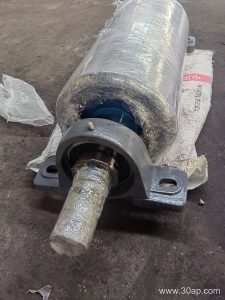
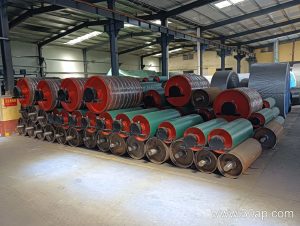
A rubber lagged pulley is a conveyor pulley whose shell is covered with a rubber layer to improve grip between the pulley face and the conveyor belt. In a belt conveyor system, the drive pulley must transmit torque without slipping; lagging raises the friction coefficient and protects the shell from abrasive wear. The same product is also called a rubber-covered pulley or rubber lagging pulley, and the term is used across quarry, coal handling and bulk material operations.
Lagging is not just a rubber sleeve. It is a engineered surface that influences belt tracking, start-up behavior and service life. On a long overland line or a short transfer in a sand and gravel plant, the difference between a plain shell and a properly lagged one often shows up as reduced slip and longer belt life.

Construction and Surface Forms
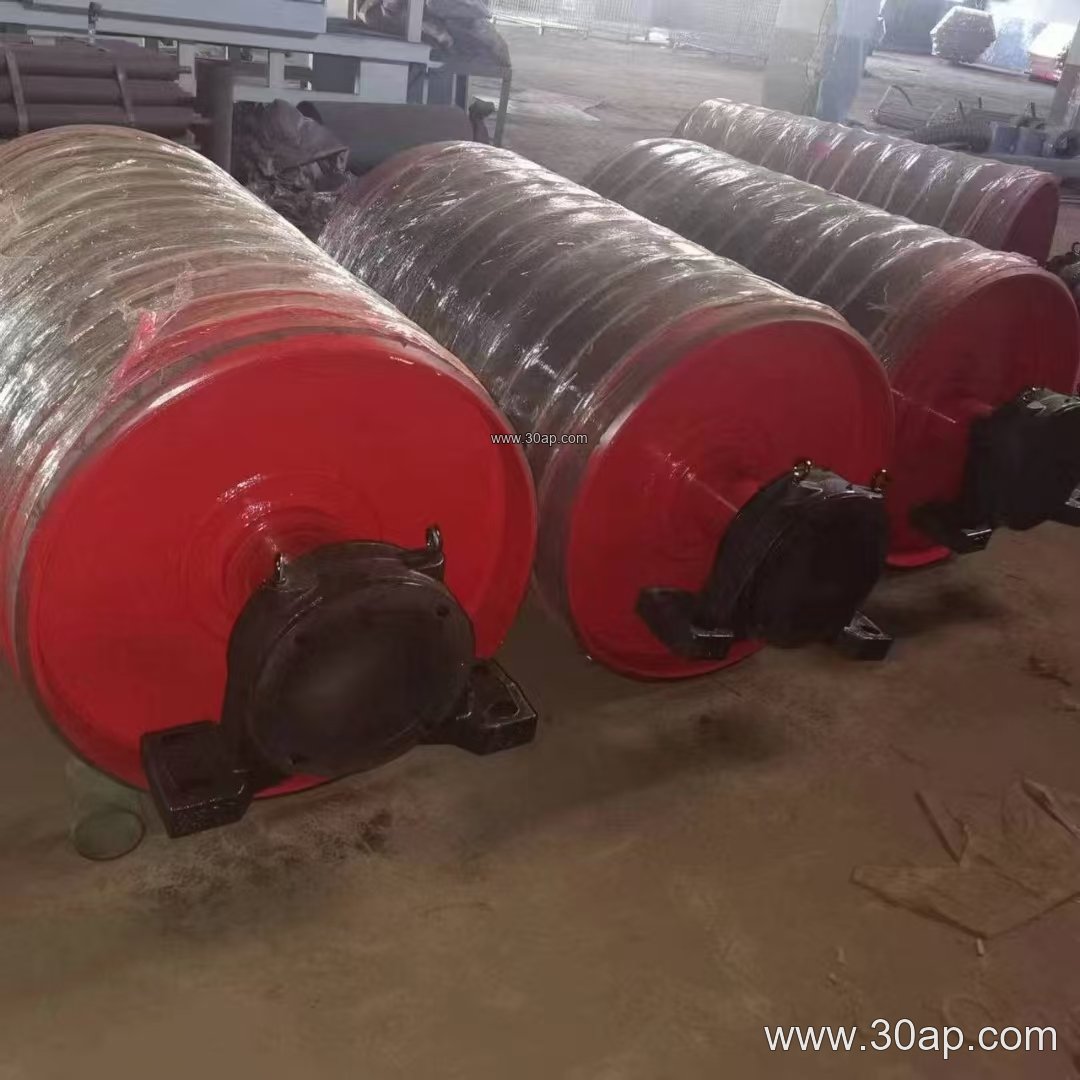
A typical rubber lagged pulley starts with a steel shell, welded end discs and a shaft, then receives a rubber layer by hot vulcanizing, cold bonding or casting. Thickness commonly ranges from 8 mm to 20 mm, with 10 mm and 12 mm often chosen for general duty and thicker covers used where impact and abrasion are severe. Surface patterns include plain, diamond and herringbone profiles; ceramic lagging is a separate option for extremely abrasive duty.
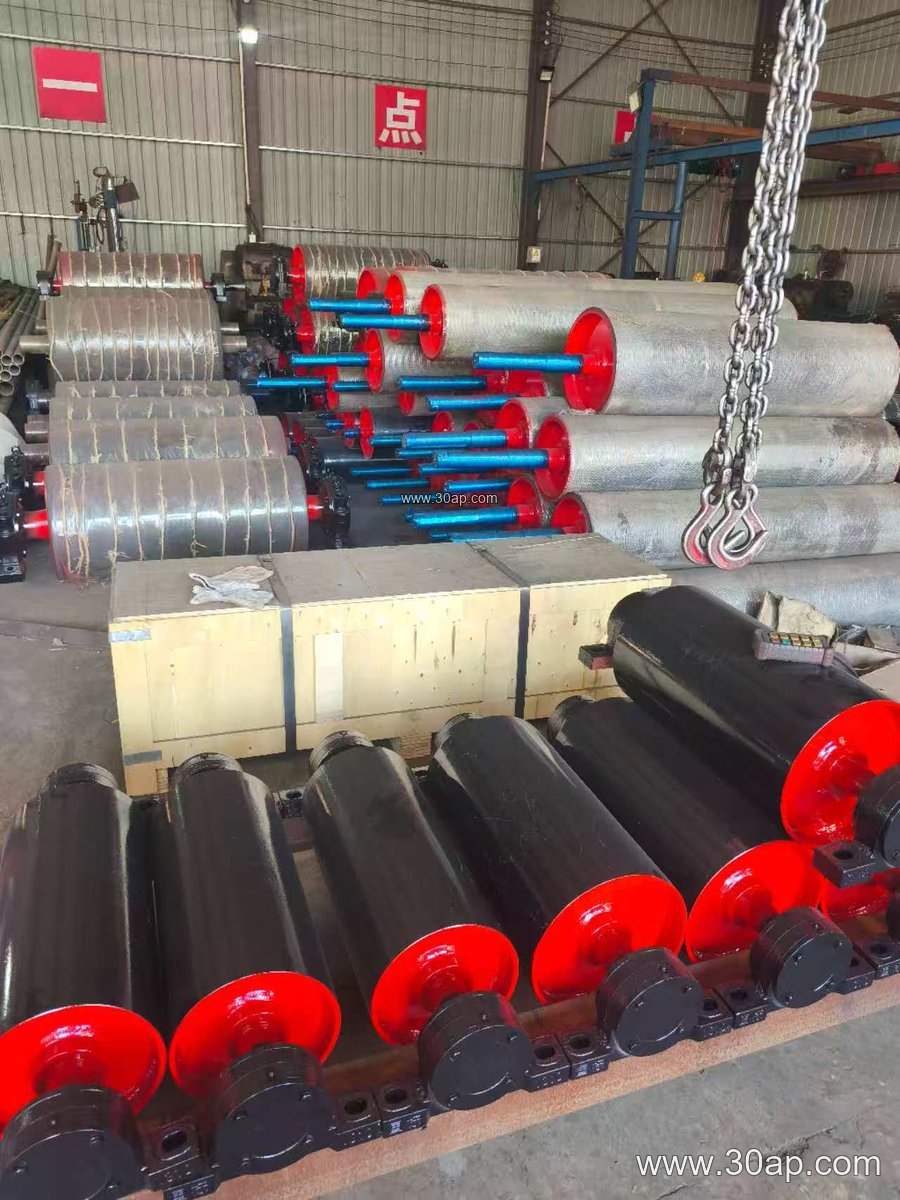
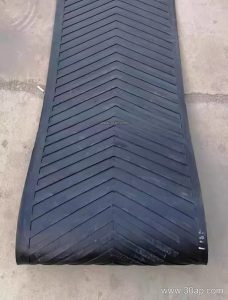
The pattern matters. Diamond and herringbone grooves help channel water and fines away from the contact area, which supports grip in wet or dusty conditions. Plain rubber is simpler to clean and is often used where material build-up is not a concern. The bond quality between rubber and shell is critical, because a loose edge can peel and then damage the conveyor belt.
Where It Fits in the Conveyor
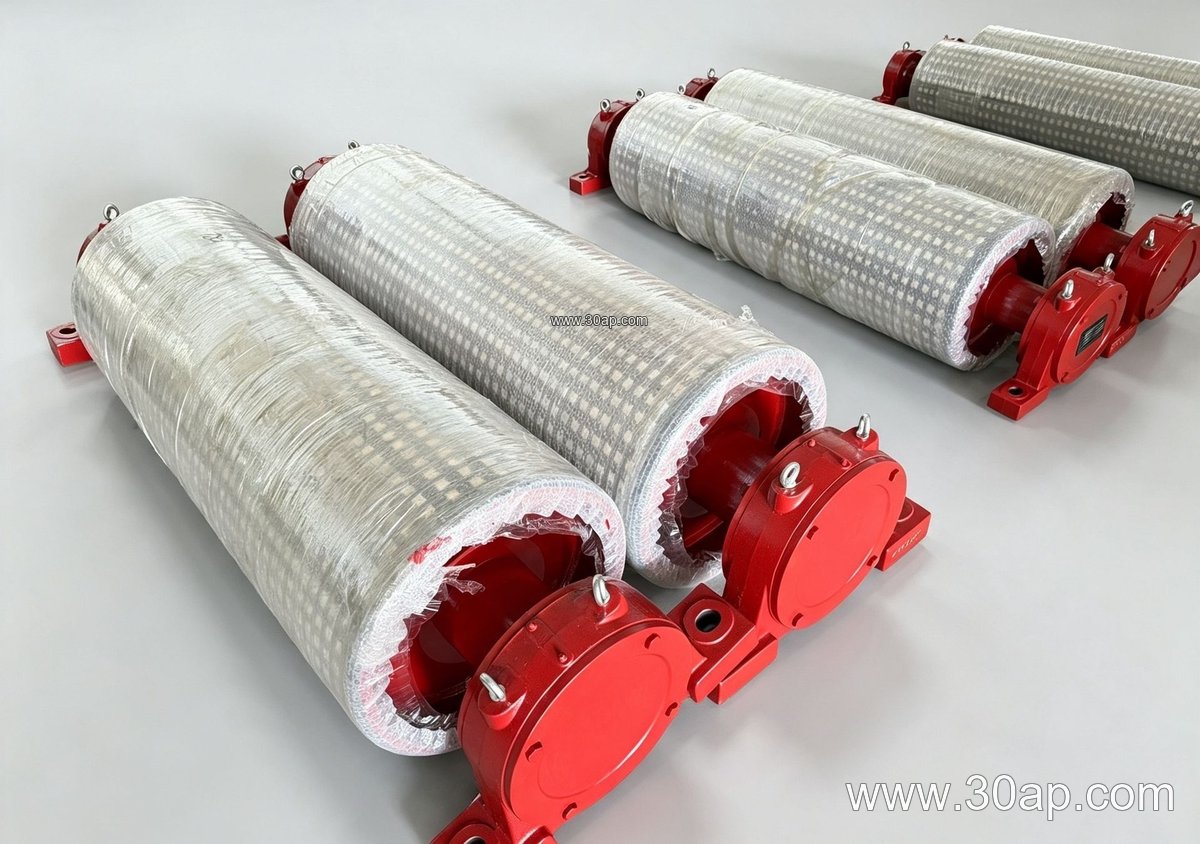
Most rubber lagged pulleys are drive pulleys at the head of the conveyor, where torque demand is highest. A tail pulley may also be lagged to improve tracking and reduce wear, while bend pulleys and take-up pulleys usually carry lower torque and may use plain or lightly lagged surfaces. Drive, tail and bend pulleys are not interchangeable: each has a different load case, and lagging selection should follow the duty rather than a generic rule.
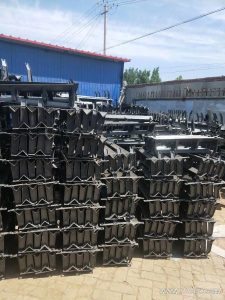
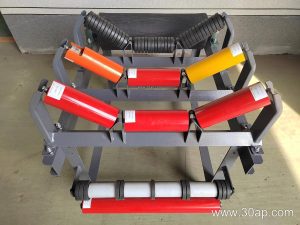
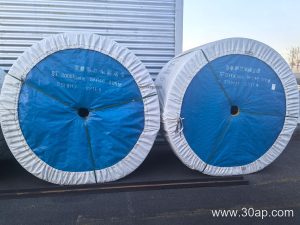
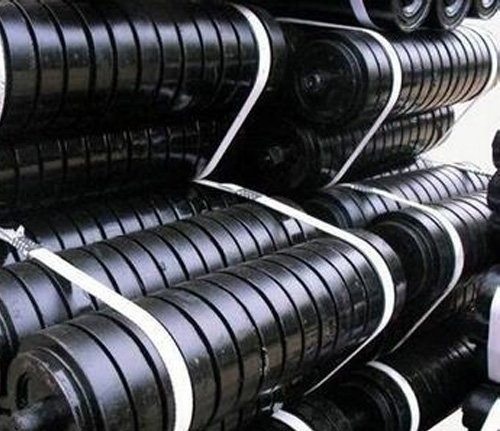
In a coal mining conveyor or a power plant coal handling line, a lagged drive pulley helps maintain tension during starts and stops. In a cement plant clinker line, heat and dust may call for careful compound selection. At a port bulk terminal or a ship loading conveyor, wet conditions make groove patterns useful. The pulley works together with the conveyor belt, idler roller and conveyor bracket, so alignment and belt tension still matter as much as the rubber cover itself.
Common Size References
Pulley dimensions follow belt width, torque and shaft load. The table below gives common reference values, not fixed rules; final sizes are determined by design.
| Belt width | Typical pulley face width | Common diameter range | Common shaft diameter |
|---|---|---|---|
| B400 | about 500 mm | Ø200 to Ø400 | Ø50 to Ø80 |
| B650 | about 750 mm | Ø250 to Ø500 | Ø60 to Ø100 |
| B800 | about 950 mm | Ø315 to Ø630 | Ø70 to Ø120 |
| B1000 | about 1150 mm | Ø400 to Ø800 | Ø80 to Ø140 |
| B1200 | about 1400 mm | Ø500 to Ø1000 | Ø90 to Ø160 |
| B1400 | about 1600 mm | Ø630 to Ø1250 | Ø100 to Ø180 |
| B1600 | about 1800 mm | Ø800 to Ø1400 | Ø120 to Ø200 |
| B1800 | about 2000 mm | Ø1000 to Ø1600 | Ø140 to Ø200 |
Combinations such as B800 × Ø500 or B1200 × Ø1000 are common in practice, but one belt width can match several pulley diameters depending on belt speed, wrap angle and tension. Shaft diameter should be calculated from torque and bearing load, not copied from belt width alone.
Buyer Checklist
- Confirm the pulley position: drive, tail, take-up or bend, and state the duty clearly.
- Specify belt width, pulley face width, shell diameter and lagging thickness together.
- Choose the rubber compound for the environment: abrasion, oil, heat or flame risk.
- Match the surface pattern to wet, dusty or clean running conditions.
- Check balancing, bearing selection and shaft size against the actual load.
- Ask how the lagging is bonded and whether edges are sealed.
A rubber lagged pulley is a small part of the conveyor but a decisive one for traction and belt protection. For a crusher conveyor, an ore conveyor or a heavy-duty mining conveyor, the right cover and a correctly sized shell keep the whole line running with fewer stoppages. Related components such as the conveyor pulley assembly, idler roller and conveyor bracket should be reviewed as a system, since misalignment can shorten lagging life quickly.