What a Cement Plant Conveyor Belt Has to Handle
A cement plant conveyor belt moves more than just stone. Between the quarry, the crushing station, the raw mill, the preheater feed, the clinker cooler and the packing plant, the belt sees sharp limestone, hot clinker, fine cement dust and occasional oil or grease from machinery. That mix is why a general-purpose belt often falls short, and why buyers tend to specify an abrasion resistant conveyor belt or a heat resistant conveyor belt for particular runs rather than one belt for the whole line.
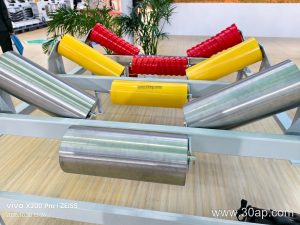
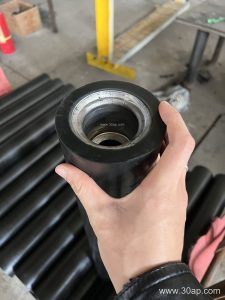
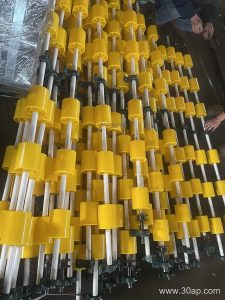
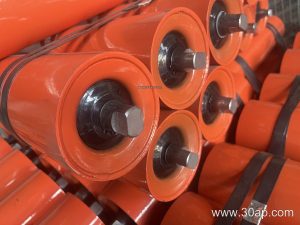
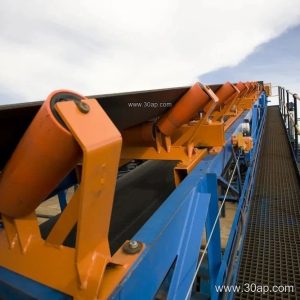
The working principle is simple. A continuous loop of rubber or PVC carries material on its top cover while a drive pulley pulls it forward, a tail pulley keeps tension, and carrying idlers support the loaded strand. Bend pulleys and take-up pulleys guide the return path. None of these parts is interchangeable with the others, and the belt has to be matched to the pulley diameters and idler spacing chosen by the conveyor designer.
Construction of a Cement Conveyor Belt
Most belts in cement service are fabric-cored or steel-cord reinforced. The carcass gives tensile strength and resistance to impact; the covers protect it from wear and heat.
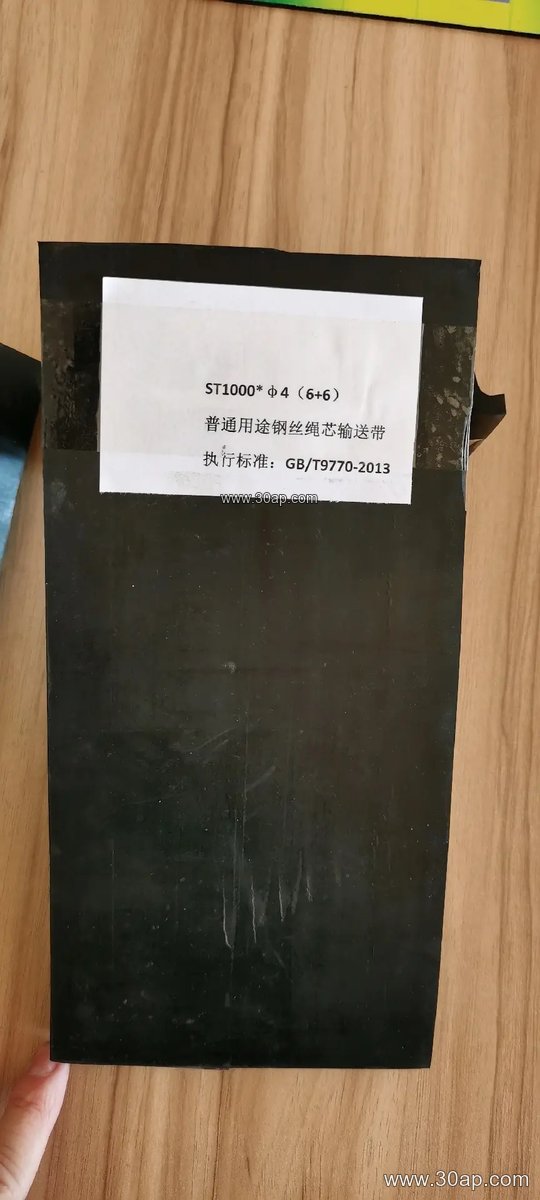
- Carcass: EP Conveyor Belt (polyester warp, nylon weft) is common for general raw material lines and offers low elongation. NN Conveyor Belt with nylon warp and weft is used where flexibility is needed. For long overland and high-tension runs, a Steel Cord Conveyor Belt such as ST1000 or ST1600 is often chosen. Multi-Ply Fabric Core Conveyor Belt with 2 to 6 plies fits medium-duty sections.
- Covers: abrasion resistant grades for limestone and clinker, heat resistant grades for material above ambient temperature, and oil resistant grades near gearboxes and lubricated equipment.
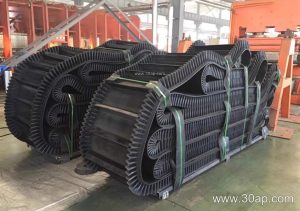
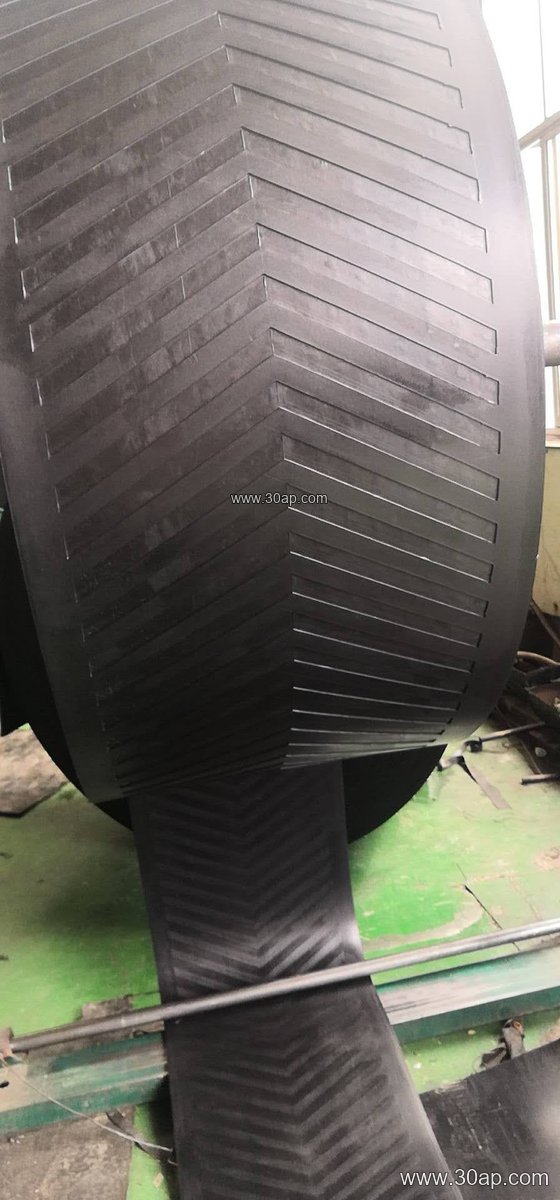
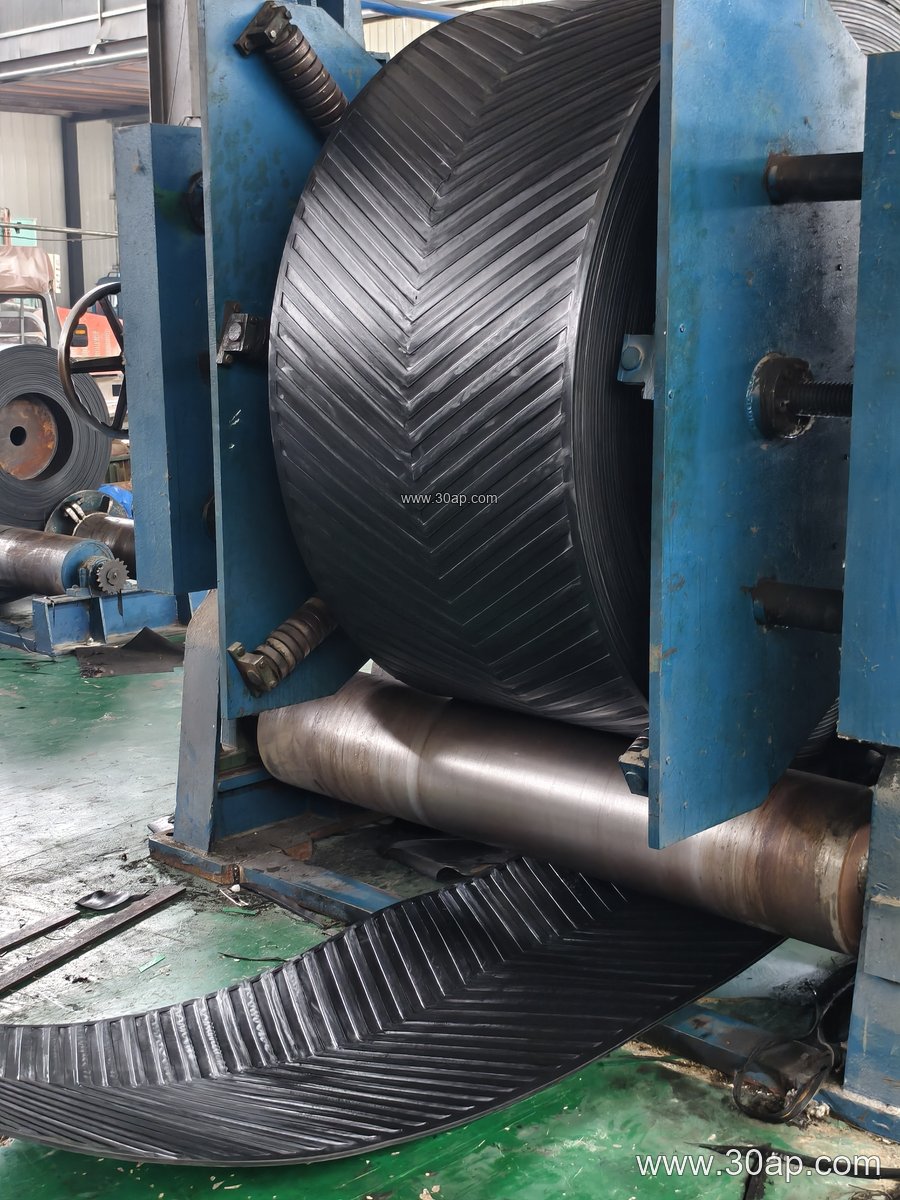
- Special forms: Chevron Conveyor Belt and Corrugated Sidewall Conveyor Belt help on inclines where material would otherwise slide back. Skirted Conveyor Belt designs contain material at transfer points. Pipe Conveyor Belt encloses the load for dusty routes.
Typical Specifications
Values below are common reference figures, not a fixed supply promise. Actual selection depends on tonnage, incline, pulley size and site conditions.
| Property | Common Range |
|---|---|
| Belt width | B500, B650, B800, B1000, B1200, B1400, B1600, B1800, B2000 |
| EP strength grades | EP200, EP315, EP400, EP500, EP630, EP800, EP1000, EP1250, EP1600, EP2000 |
| Steel cord grades | ST1000, ST1250, ST1600, ST2000 |
| Cover thickness | 3+1.5, 4+2, 5+2, 6+2, 8+3 mm |
| Carcass plies | 2 to 6 layers |
For example, an EP1000 belt at 1200 mm width is a frequent combination on raw material conveying, while a wider 1800 mm belt may appear on high-capacity clinker lines. Fire resistant and anti-static grades are often specified where dust clouds are a concern; PVG and PVC belts appear in some underground or enclosed applications. Cold resistant covers matter in northern plants, and acid or chemical resistant covers help near certain additive handling areas.
Where the Belt Fits in the Plant
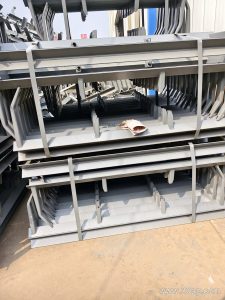
Crushing stations usually need an impact resistant belt under the crusher discharge. Raw mill feed lines favor abrasion resistance. Clinker transport is the classic heat resistant duty, sometimes with a high temperature grade. Cement mill and packing areas may use oil resistant or flame retardant belt where fine dust and hot bearings are present. In each case the belt works alongside conveyor pulleys, idler rollers and conveyor brackets that must be inspected as a system, not as separate items.
Buyer Checklist
- Confirm the material: size, temperature, moisture, abrasiveness and oil content.
- Match belt strength to the calculated tension, not to habit.
- Check pulley diameters and idler spacing against the belt carcass recommendation; do not assume a width alone fixes a pulley size.
- Decide whether an endless conveyor belt is needed for a critical run to reduce splice failures.
- Ask for cover grade data and splice method, and keep spare idler rollers and brackets on site.
For cement plant conveyor belt enquiries, state width, strength grade, cover thickness and duty so the supplier can propose a suitable construction rather than a generic roll.