What an Automatic Belt Tracking Idler Does
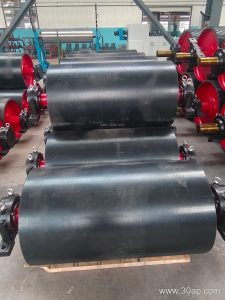
An automatic belt tracking idler is a self-correcting roller assembly that keeps a conveyor belt centered on its path. Instead of relying on a fixed frame, it senses the belt’s drift and steers it back by pivoting slightly around a vertical axis. In a quarry, a cement plant, or a coal handling system, this small correction prevents edge damage, spillage, and the uneven wear that comes from a belt rubbing against structure. The device works alongside the conveyor pulley, conveyor bracket, and idler roller set, but its job is specific: hold the belt line without operator input.
Tracking problems rarely appear alone. A misaligned belt often signals uneven loading, a worn conveyor pulley, or a frame that has settled. The self-aligning idler buys time and protects the belt until the root cause is corrected.
How the Self-Aligning Roller Is Built
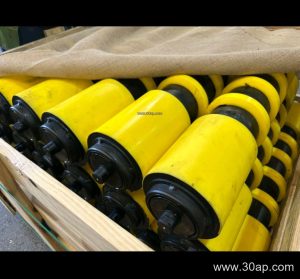
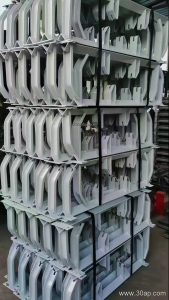
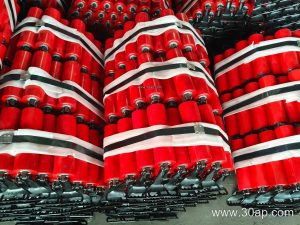
A typical unit combines two or three rollers mounted on a rotating frame. The frame sits on a vertical shaft with a bearing that lets the whole assembly swing a few degrees. Friction or gravity returns it to center when the belt runs true. Common designs include friction tracking idlers, where the roller surface contacts the belt edge, and tapered or conical tracking rollers that use differential surface speed to guide the belt inward.
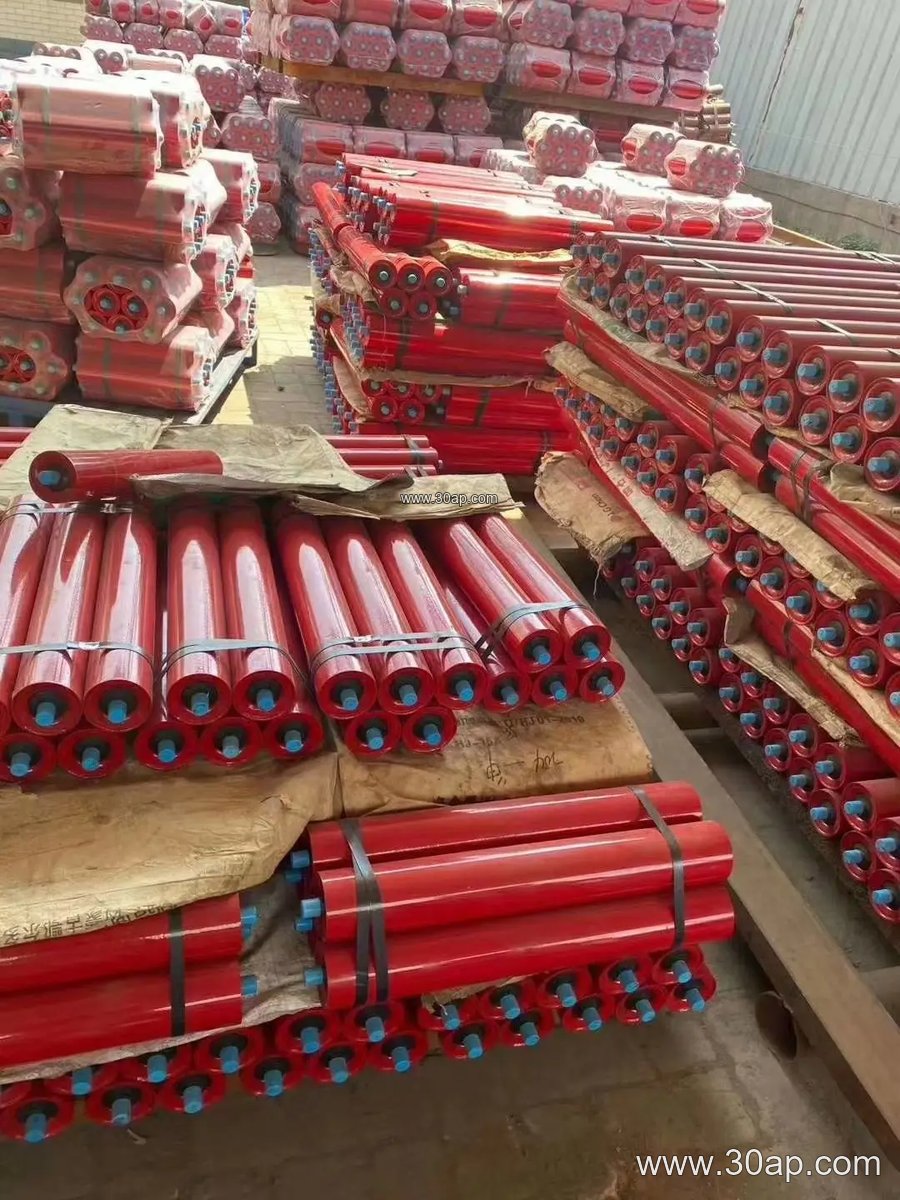
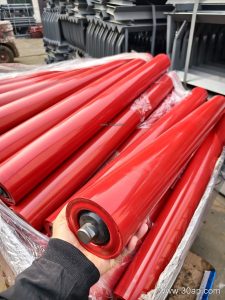
Construction details matter in dusty service. Sealed bearings, usually 6204 through 6310 depending on roll diameter, keep grit out. Roller shells are often steel tube, with nylon, ceramic, or rubber lagging available where grip or wear resistance is needed. For a heavy-duty mining conveyor belt carrying ore, a robust shaft and thick shell extend service life.
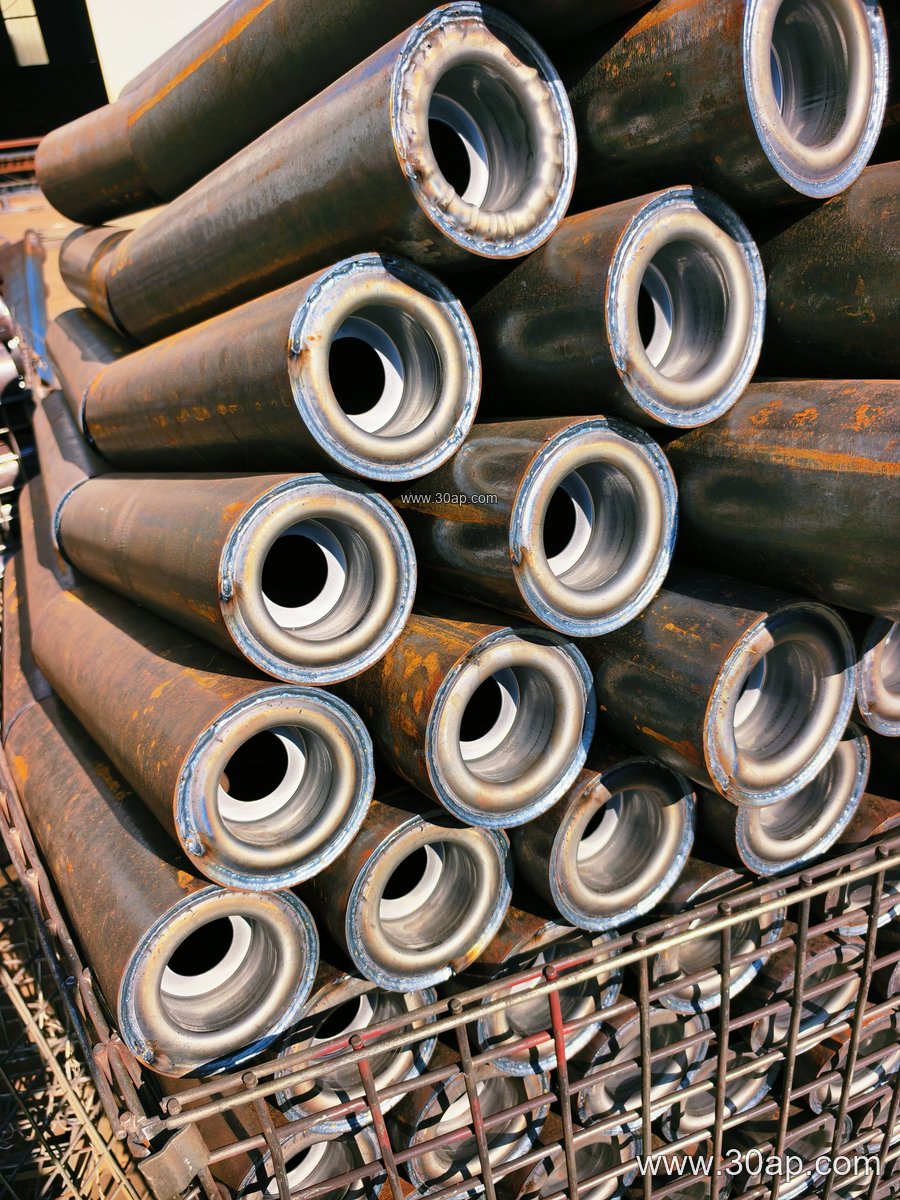
Where It Fits on the Conveyor
Tracking idlers are usually installed on the carrying side, often just after the loading point or before the drive pulley, where belt wander is most likely. In a limestone mine or a sand and gravel line, a misaligned belt at the transfer chute can throw material off the line within minutes. A self-tracking roller set placed downstream of the load zone corrects the drift before it reaches the tail pulley.
Return-side tracking is also common, especially on long overland conveyors. Here the unit may be combined with a V-return or flat return roller arrangement. On a steel plant conveyor belt handling hot sinter, the tracking frame must tolerate heat and scale, so bearing protection and clearance need attention.
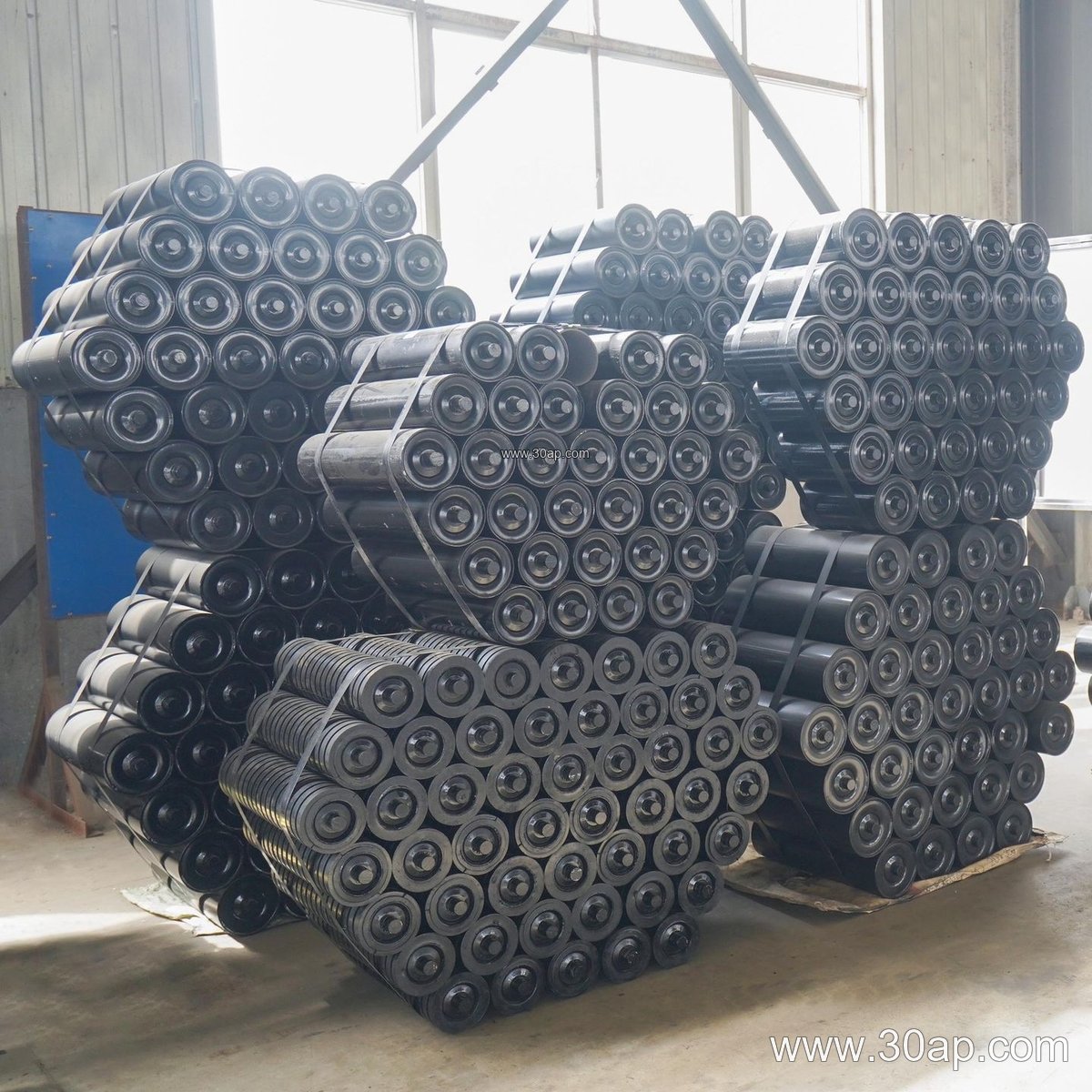
Sizes and Configuration Notes
Selection starts with belt width and the existing roller diameter. The table below lists common reference values; final dimensions follow the conveyor design.
| Parameter | Common reference values |
|---|---|
| Belt width | B500, B650, B800, B1000, B1200, B1400, B1600, B1800, B2000 |
| Roller diameter | Ø63, Ø76, Ø89, Ø102, Ø108, Ø127, Ø133, Ø159, Ø178 |
| Trough angle | 20°, 30°, 35°, 45° |
| Roller surface | Steel tube, nylon, ceramic, rubber ring |
| Bearing | 6204, 6205, 6305, 6306, 6308, 6310 |
For a three-roll trough set, roller length changes with belt width and trough angle. A B800 belt commonly uses a center roll near 315 mm, while a B1200 belt may use about 465 mm. These are examples, not fixed pairings; side rolls and center rolls differ, and the frame geometry decides the final fit.
Buyer Checklist
- Confirm belt width, trough angle, and existing roller diameter before ordering.
- Check whether the unit is for the carrying side or return side; mounting differs.
- Match bearing protection to dust and moisture levels in the plant.
- Review the conveyor bracket and frame height so the tracking frame clears structure.
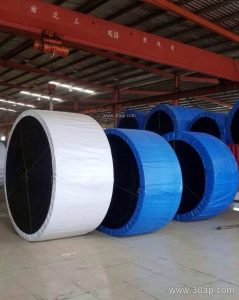
- Consider belt type: an abrasion resistant conveyor belt, a heat resistant conveyor belt, or a flame retardant conveyor belt may need different roller lagging.
- Ask for the pivot range and return mechanism, since these define how quickly the idler reacts.
Installation and Maintenance
Mount the tracking idler square to the belt centerline and tighten the frame bolts evenly. A unit installed out of square will fight itself. After startup, observe the belt for a full revolution and adjust only the tracking frame, not the conveyor pulley alignment, unless the pulley is the actual cause.
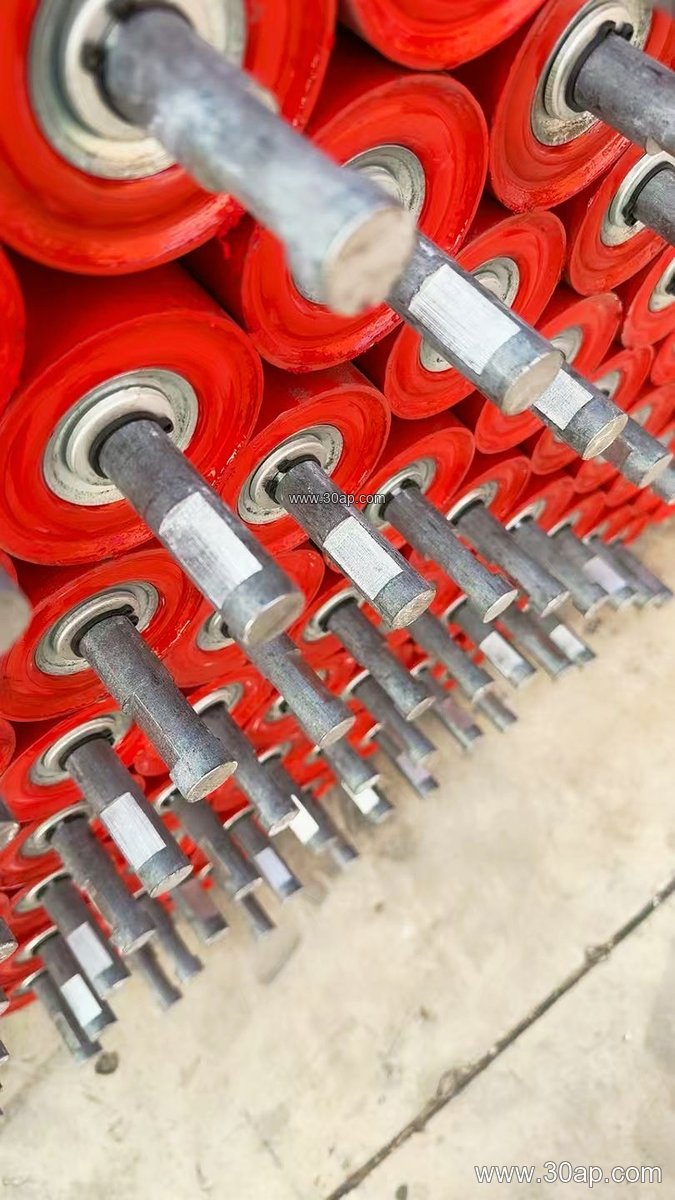
Inspect bearings and seals at each scheduled shutdown. In a coal mining conveyor belt system, dust ingress is the main enemy; in a port handling bulk material, salt air accelerates corrosion. Keep the pivot free of packed material so the frame can swing. A tracking idler that cannot move is simply a fixed roller.
For plants running an EP conveyor belt or a steel cord conveyor belt at high tension, tracking correction must be gentle. Aggressive side force can damage belt edges. Choose a unit with a limited pivot angle and a smooth return spring or friction mechanism.
Summary
An automatic belt tracking idler is a small but high-value component in any bulk handling line. It protects the belt, reduces spillage, and lowers maintenance calls. Buyers who match roller diameter, belt width, and mounting position to the actual conveyor will get the best result.