What the Bracket Does Before the Rollers Even Turn
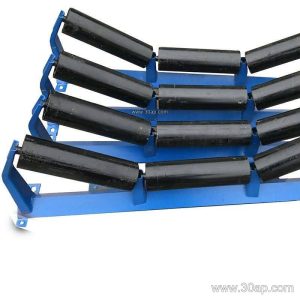
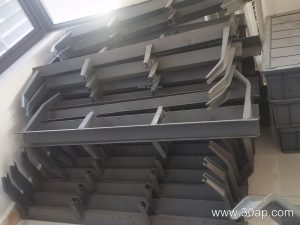
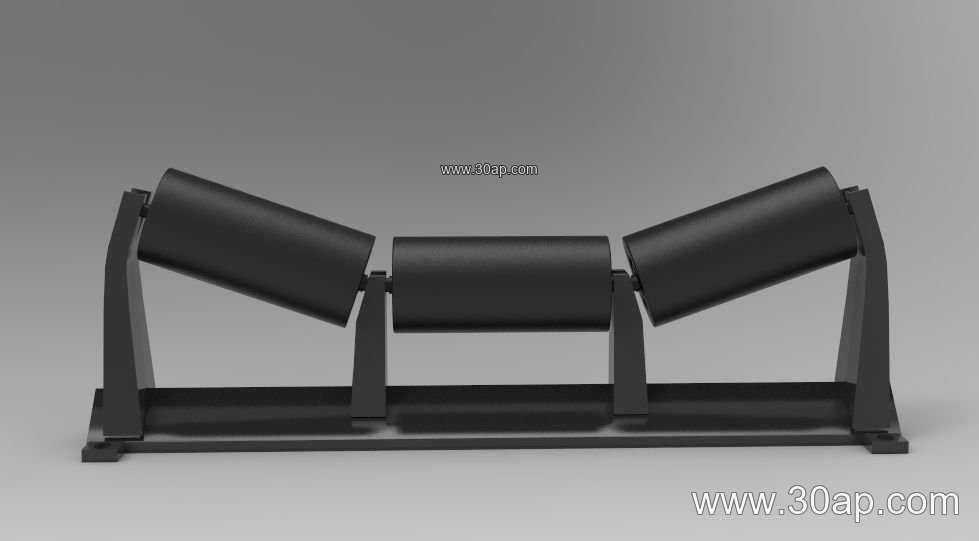
A Three-Roll Idler Bracket is the steel support that holds the three-roller trough assembly at the carrying side of a belt conveyor. It sets the spacing between the rollers, fixes the trough angle, and transfers the load of the belt and material down into the conveyor frame. In a coal preparation plant or a limestone quarry, this bracket is the quiet component that decides whether the belt sits in a clean trough or sags between stations.
Buyers often focus on the idler roller itself, but the bracket controls the geometry. A well-built three-roll idler bracket keeps the side rollers at a consistent angle, so an EP conveyor belt or a heavy-duty mining conveyor belt tracks without edge damage. The same bracket also accepts the mounting pins and clamps that lock each roller in place.
Construction and Common Materials
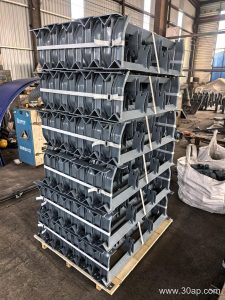
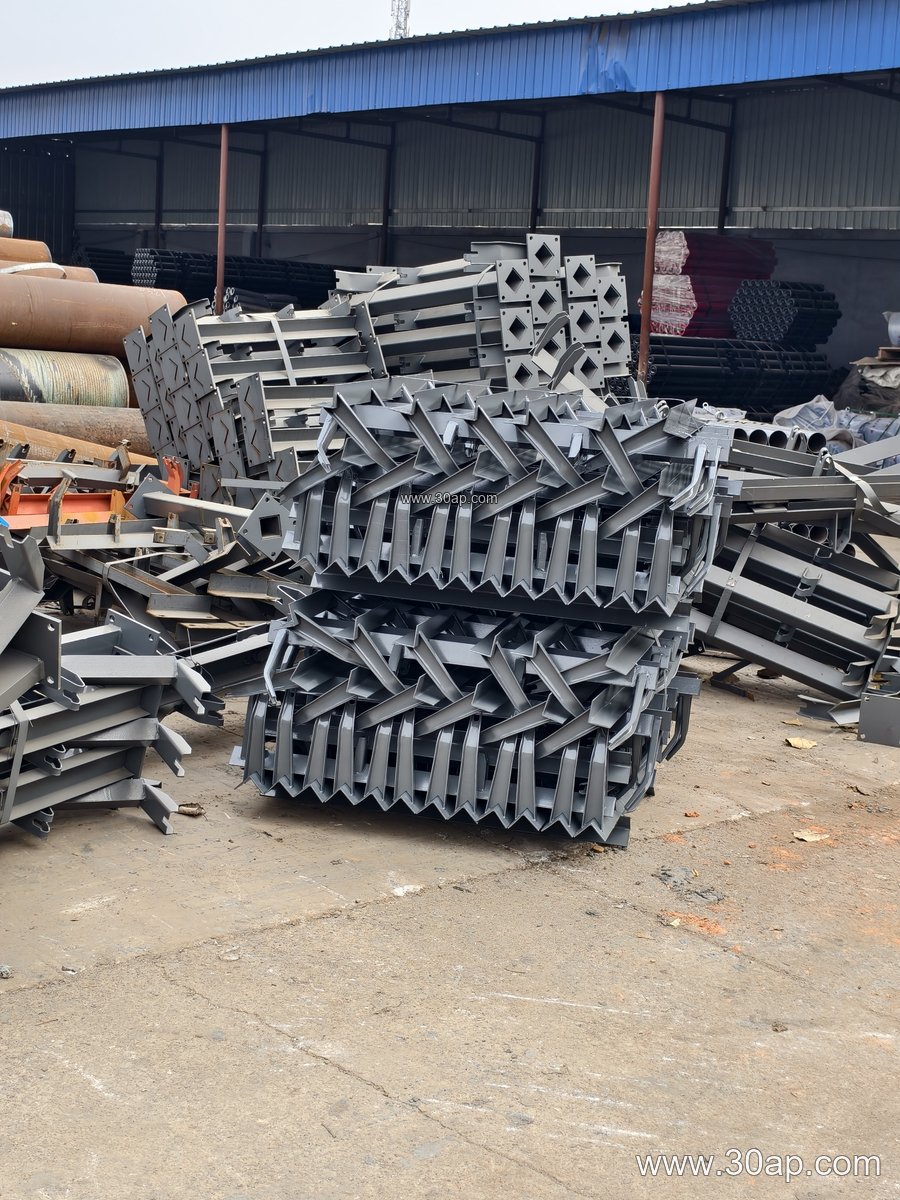
Most brackets are fabricated from angle steel, channel steel, or folded steel plate, then drilled or punched for the roller shaft ends. The crossbeam carries the center roller, while two inclined arms carry the side rollers. Welds at the arm-to-beam joint take the highest stress, so a buyer should check weld quality and whether the arms are reinforced.
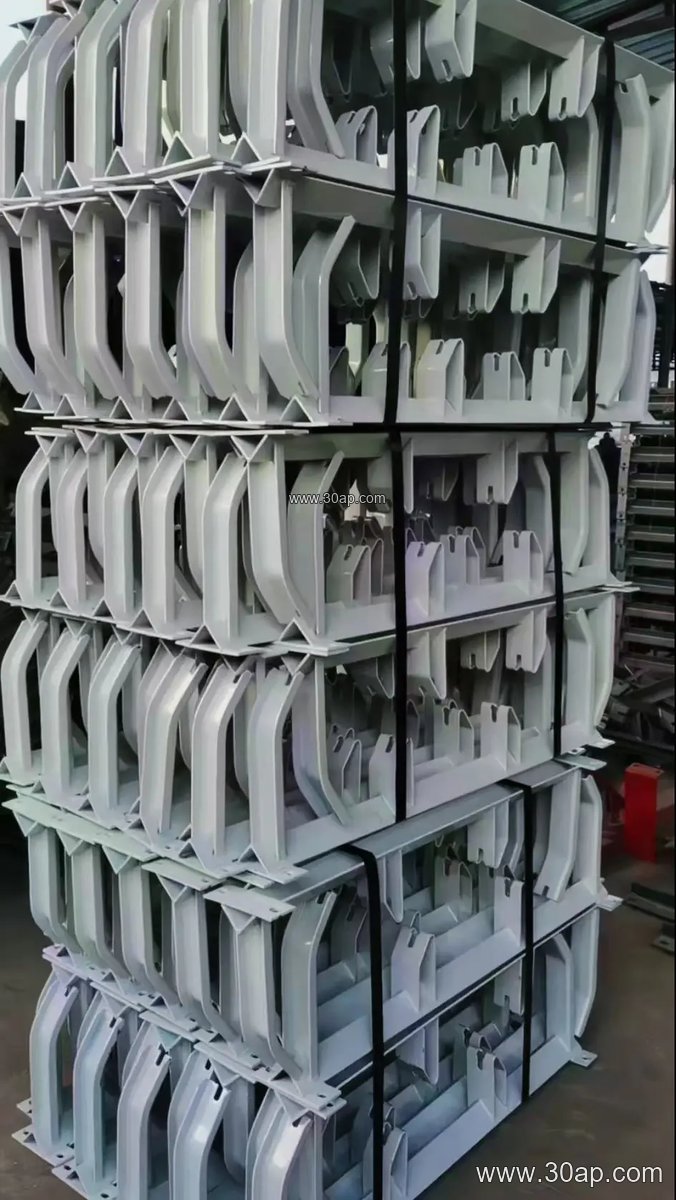
Surface treatment matters in wet or dusty service. Hot-dip galvanizing is common for port and power plant conveyor lines, while painted finishes are typical for indoor aggregate plants. The bracket must also match the roller shaft diameter, which is usually Ø89, Ø108, Ø133, Ø159, or Ø194 depending on load and belt width.
Choosing Trough Angle and Belt Width Together
Trough angle is not a cosmetic choice. A 20-degree bracket suits light material and thin belts, while 30, 35, and 45 degrees are common where capacity and spillage control matter. Adjustable brackets allow the same frame to run at several of these angles, which helps when a plant handles both fine sand and coarse rock.
Belt width and roller diameter should be selected as a set, not as a fixed rule. A B800 line might run 35 degrees with Ø108 rollers; a B1200 line may use 45 degrees with Ø133 rollers; a B650 conveyor could use 30 degrees with Ø89 rollers. These are design examples, not mandatory pairings. Installation hole spacing and beam length change with belt width and trough angle, so the bracket drawing should always be confirmed against the conveyor frame.
Where the Bracket Fits in the Conveyor Line
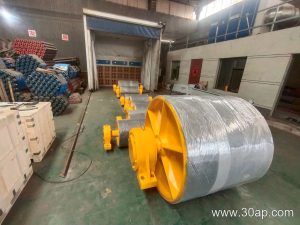
The carrying-side three-roll bracket is the most familiar position, but similar brackets appear at transition zones near a conveyor pulley, where the belt changes from flat to troughed. In a cement plant, transition brackets reduce stress on the belt edges as it leaves the tail area. In a copper ore or iron ore operation, heavier brackets with larger rollers support high bulk density loads.
Return-side supports are a different design and should not be confused with the carrying bracket. Impact brackets with rubber cushioning are another separate subtype, used under crusher discharge points where falling rock hits the belt. Each subtype solves a different problem, and mixing them up leads to poor belt training.
Specification Reference
The table below shows typical ranges only. Final values depend on the conveyor design, material, and confirmed frame drawing.
| Parameter | Common Options |
|---|---|
| Belt width | B500, B650, B800, B1000, B1200, B1400, B1600, B1800, B2000, B2200 |
| Trough angle | 20°, 30°, 35°, 45° |
| Roller diameter | Ø89, Ø108, Ø133, Ø159, Ø194 |
| Material | Angle steel, channel steel, folded plate |
| Finish | Painted or hot-dip galvanized |
Buyer Checklist Before Ordering
- Confirm belt width and the actual trough angle required, not just the nominal frame size.
- Match the bracket to the roller shaft diameter and mounting pin style.
- Check that hole spacing agrees with the existing conveyor bracket drawing.
- Decide whether fixed or adjustable brackets suit the material mix.
- For abrasive service, specify a finish and steel thickness suited to the dust and moisture level.
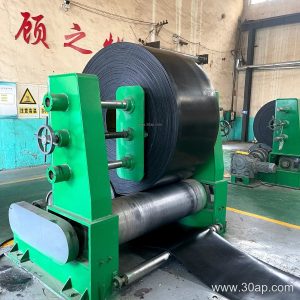
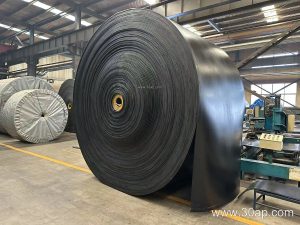
A three-roll idler bracket that fits properly reduces belt edge wear, keeps the trough stable, and extends roller life. For plants running fabric core conveyor belt, steel cord conveyor belt, or flame retardant conveyor belt grades, the bracket is a small but decisive part of the whole support system.