What an Automatic Belt Tracking Idler Does
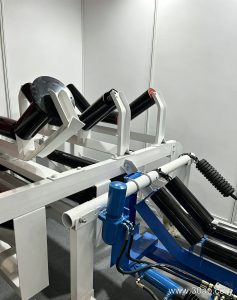
An automatic belt tracking idler is a self-adjusting roller assembly that keeps a conveyor belt centered on its path. Unlike fixed troughing or return idlers, this idler responds to belt misalignment by pivoting or skewing slightly, creating a corrective force that steers the belt back toward the centerline. It is a specialized component in the conveyor system, working alongside the conveyor pulley, conveyor bracket, and other idler rollers to maintain smooth operation. In industries such as mining, coal preparation, cement, power generation, and aggregate production, belt mistracking can cause spillage, edge damage, and downtime. The automatic tracking idler addresses this by providing continuous, passive correction without external power or controls.
Construction and Working Principle
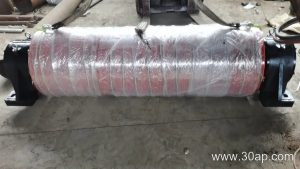
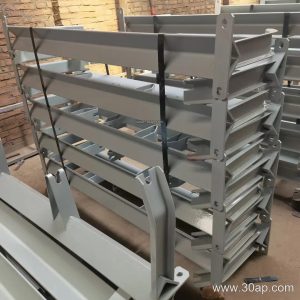
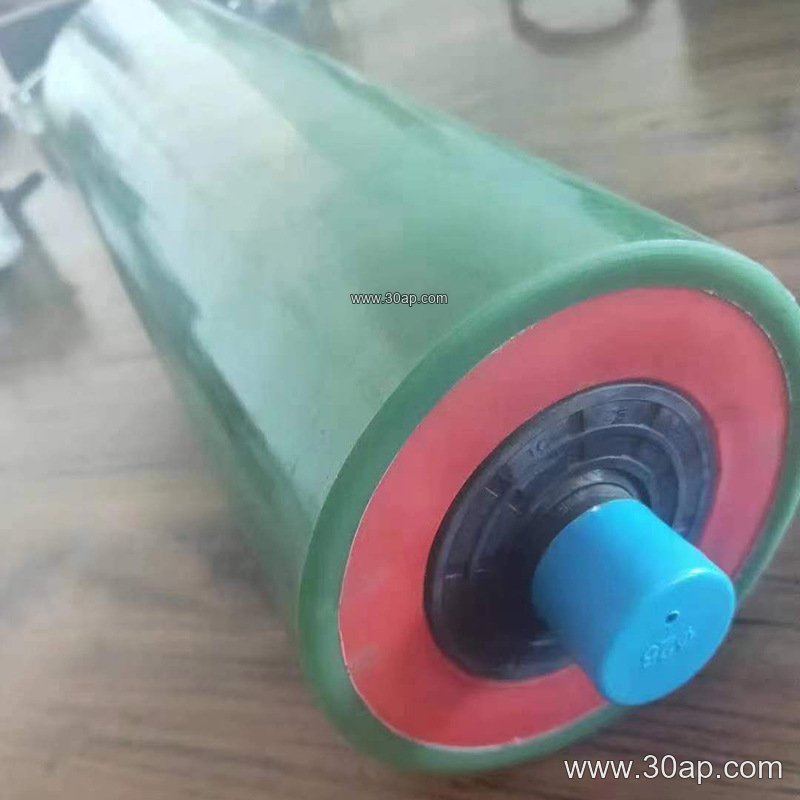
Most automatic belt tracking idlers use a pivoting frame that holds one or more rollers. The frame is mounted on a central shaft or bearing assembly that allows limited rotation in the horizontal plane. When the belt drifts to one side, it contacts a vertical guide roller or an edge sensor, which turns the idler frame slightly. This skew changes the angle between the roller and the belt, generating a lateral force that pushes the belt back. Common designs include friction tracking idlers, conical tracking idlers, and return-side tracking idlers. Roller diameters often range from Ø89 to Ø159, with bearing sizes such as 6205, 6305, or 6308 depending on load. The roller surface may be steel, rubber-covered, or ceramic-lined for grip and wear resistance. The idler is typically mounted on a conveyor bracket that allows easy adjustment and replacement.
Where It Fits in a Conveyor System
Automatic tracking idlers are usually installed on the carrying side, just after the feed point, and on the return side before the tail pulley. They are also placed at intervals along long conveyors to correct gradual drift. In a quarry or sand and gravel line, a tracking idler after the crusher discharge helps keep the belt aligned despite uneven loading. In a coal mining conveyor, underground mining conveyor belts often use flame retardant conveyor belts and tracking idlers to maintain safety and reliability. The idler works with the conveyor belt, which may be an EP conveyor belt, steel cord conveyor belt, or multi-ply fabric core conveyor belt, depending on tension and load. Proper alignment of the drive pulley and tail pulley is still essential; the tracking idler complements, but does not replace, good conveyor design.
Key Selection Considerations
Buyers should match the tracking idler to belt width, roller diameter, and load conditions. Common belt widths include B500, B650, B800, B1000, B1200, and B1400. Roller length varies with belt width and trough angle; for example, a three-roll troughing set at B800 might use a roller length around 315 mm, but this is not a fixed rule. The table below lists typical reference values, not universal specifications.
| Parameter | Common Reference Range |
|---|---|
| Roller diameter | Ø63, Ø76, Ø89, Ø102, Ø108, Ø127, Ø133, Ø159 |
| Belt width | B400 to B2400 |
| Trough angle | 20°, 30°, 35°, 45° |
| Bearing | 6204, 6205, 6305, 6306, 6308, 6310 |
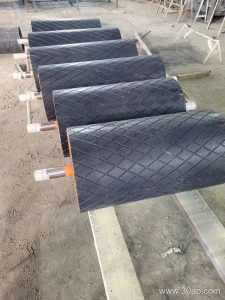
| Roller surface | Steel, nylon, ceramic, rubber ring |
Also consider the belt type: an abrasion resistant conveyor belt in a rock conveyor may require a more robust idler, while a heat resistant conveyor belt in a cement plant needs heat-tolerant bearings and seals. For coal mining, flame retardant conveyor belt and anti-static conveyor belt properties should be matched with idler materials that avoid spark risk. The idler frame should be sturdy enough for the belt tension and material load, and the pivot mechanism should be protected from dust and moisture.
Maintenance and Troubleshooting
Regular inspection of the automatic tracking idler is important. Check for free movement of the pivot, wear on the guide rollers, and bearing condition. A tracking idler that sticks or seizes can cause belt damage. Lubricate bearings as recommended, and replace worn rollers promptly. In dusty environments such as a limestone mine or a power plant coal yard, sealed bearings and dust covers extend service life. If the belt still mistracks after installing a tracking idler, inspect the entire conveyor for misaligned pulleys, uneven loading, or damaged belt edges. The tracking idler is a corrective device, not a cure for poor structural alignment.
Buyer Checklist
- Confirm belt width and roller length required for your conveyor bracket.
- Select roller diameter and bearing size based on load and speed.
- Choose roller surface material for the environment: rubber for grip, ceramic for abrasion, steel for general use.
- Verify compatibility with your conveyor belt type, such as EP conveyor belt, steel cord conveyor belt, or fabric core conveyor belt.
- Ensure the idler frame allows easy adjustment and replacement.
- For hazardous areas, specify idlers that suit flame retardant conveyor belt and anti-static conveyor belt requirements.
An automatic belt tracking idler is a small but valuable investment in conveyor reliability. By understanding its construction, placement, and selection factors, buyers can reduce belt misalignment problems in mining, quarry, cement, and bulk material handling operations.