What a Return Idler Bracket Does on a Conveyor
A return idler bracket is the support component that holds the return idlers beneath the carrying run of a conveyor belt. While the upper troughing idlers carry the loaded belt, the return side needs its own support to keep the belt from sagging, to reduce belt flutter, and to protect the belt edges from rubbing against the structure. In a quarry, a coal washing plant, or a cement clinker line, this small bracket often decides how smoothly the empty belt tracks on its way back to the tail pulley.
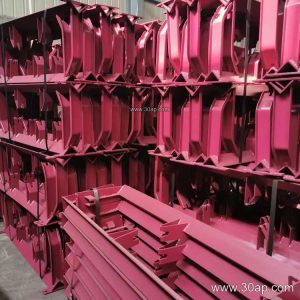
The bracket is usually bolted to the conveyor stringer or frame and carries either a single flat return roller or a pair of rollers arranged in a V shape. Because it sits under the belt, it is exposed to fines, dust, and occasional spillage, so a sturdy design matters more than a light one.
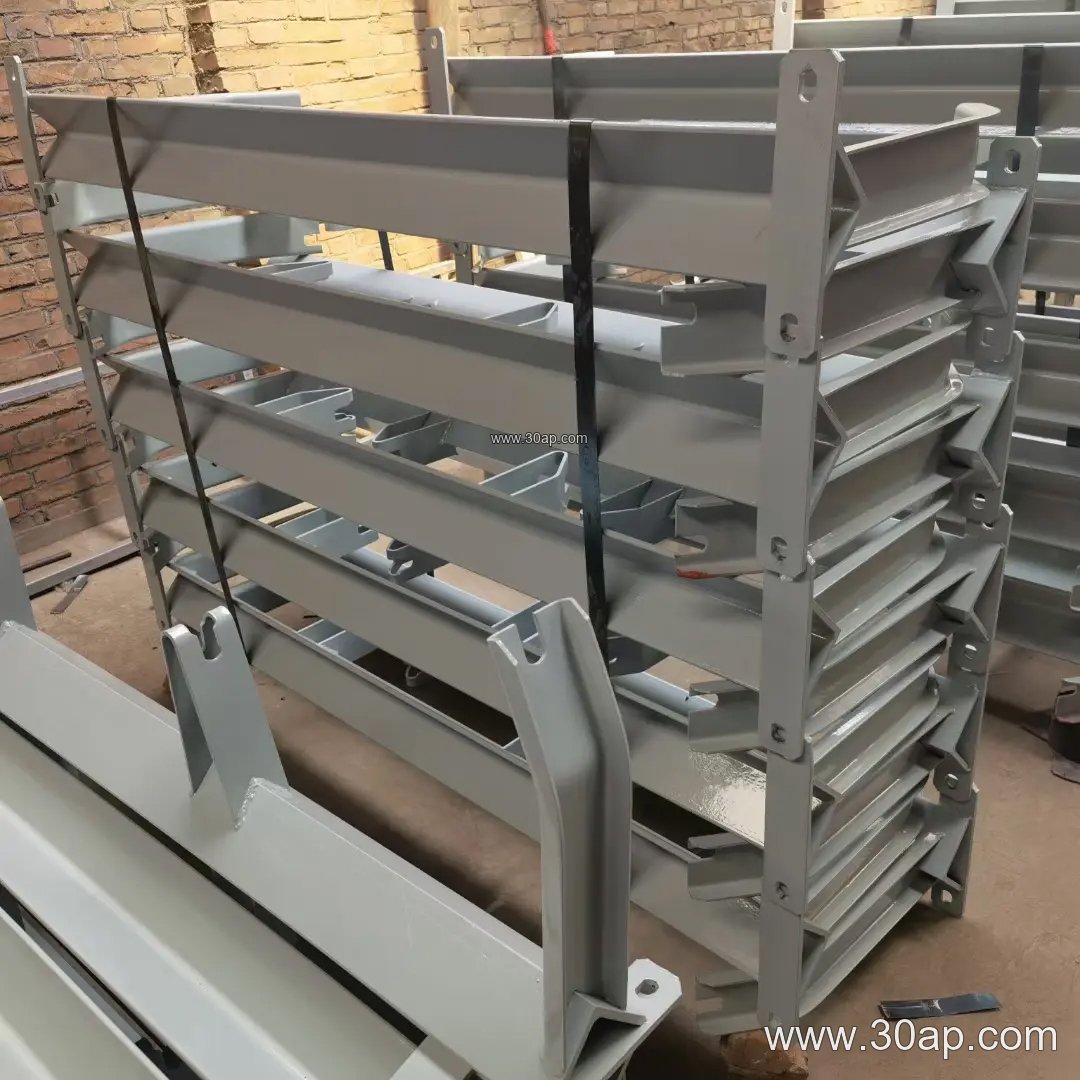
Construction and Common Materials
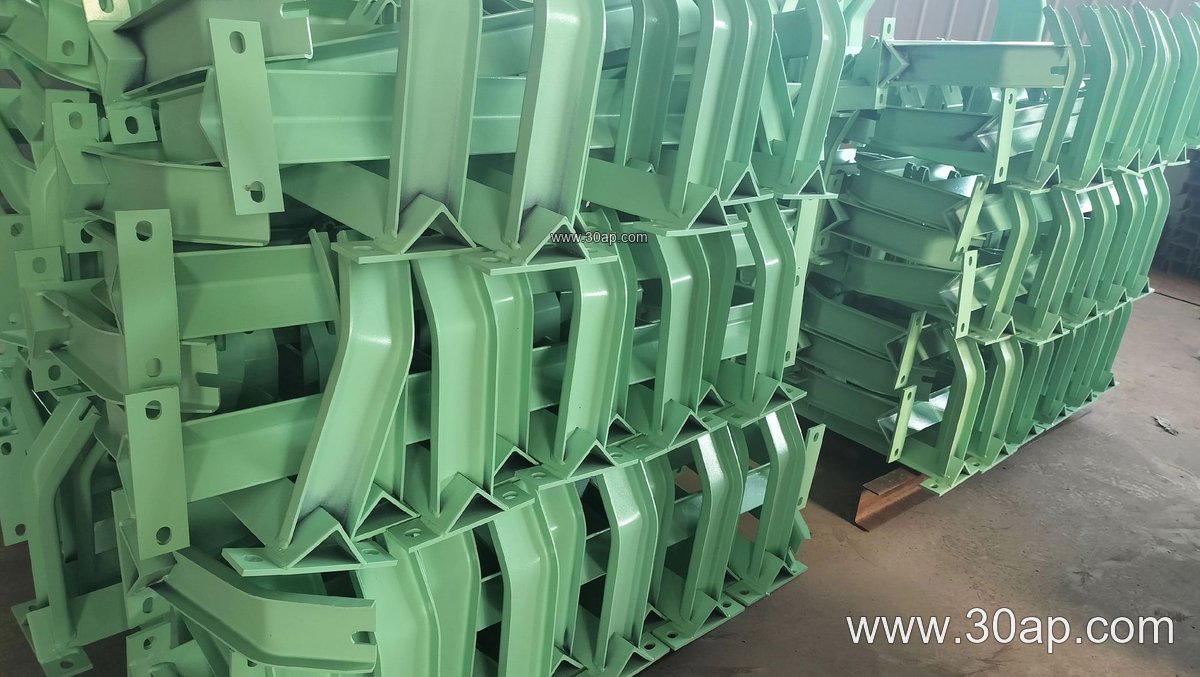
Most return idler brackets are fabricated from angle steel, channel steel, or folded steel plate. The material choice follows the duty: light aggregate lines may use folded plate, while heavy-duty mining conveyors often use channel sections for extra stiffness. The bracket normally includes mounting slots or holes that allow the idler shaft to sit at the correct height, plus a base plate that bolts to the conveyor frame.
Common forms include:
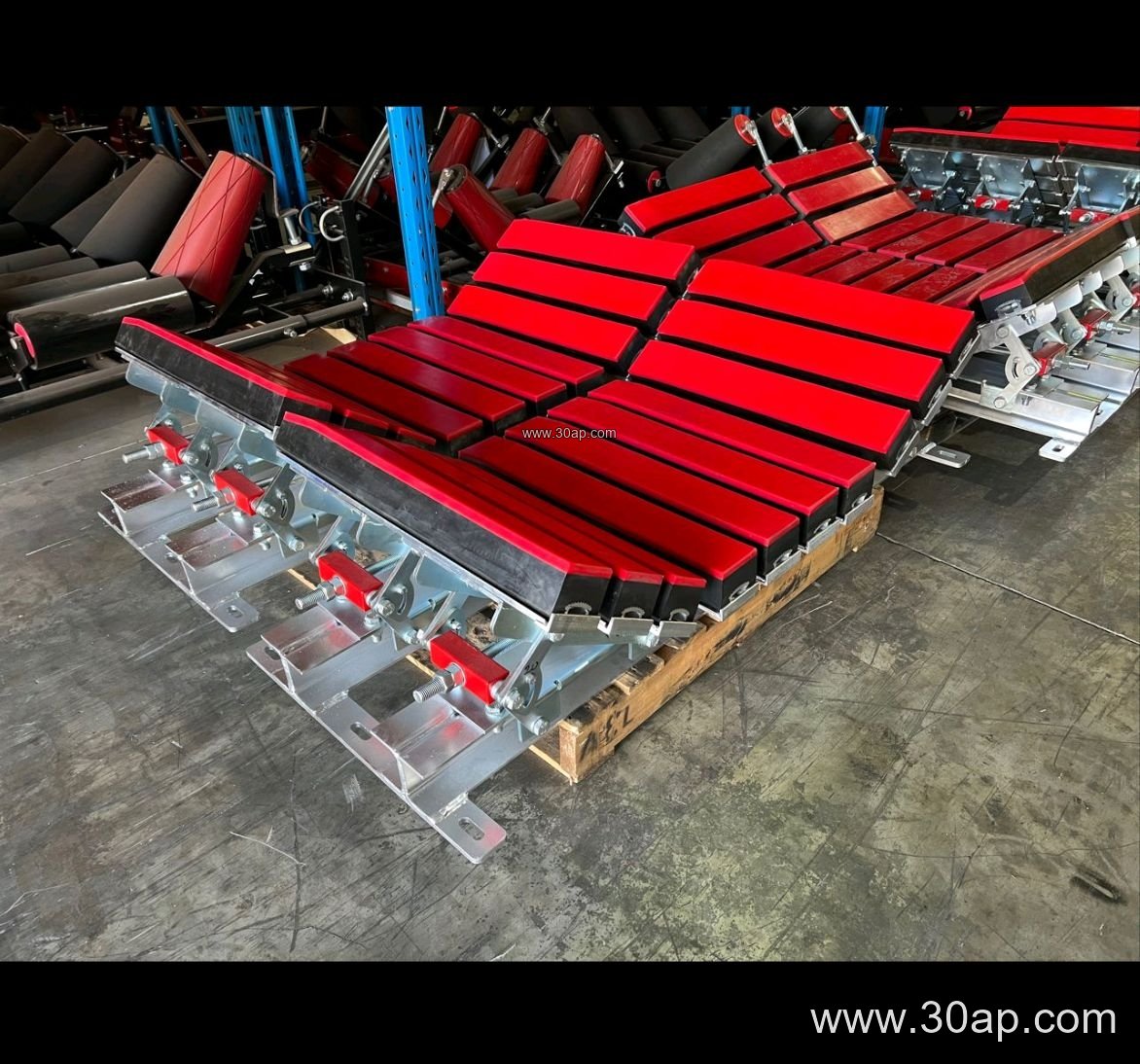
- Flat return bracket for a single return roller
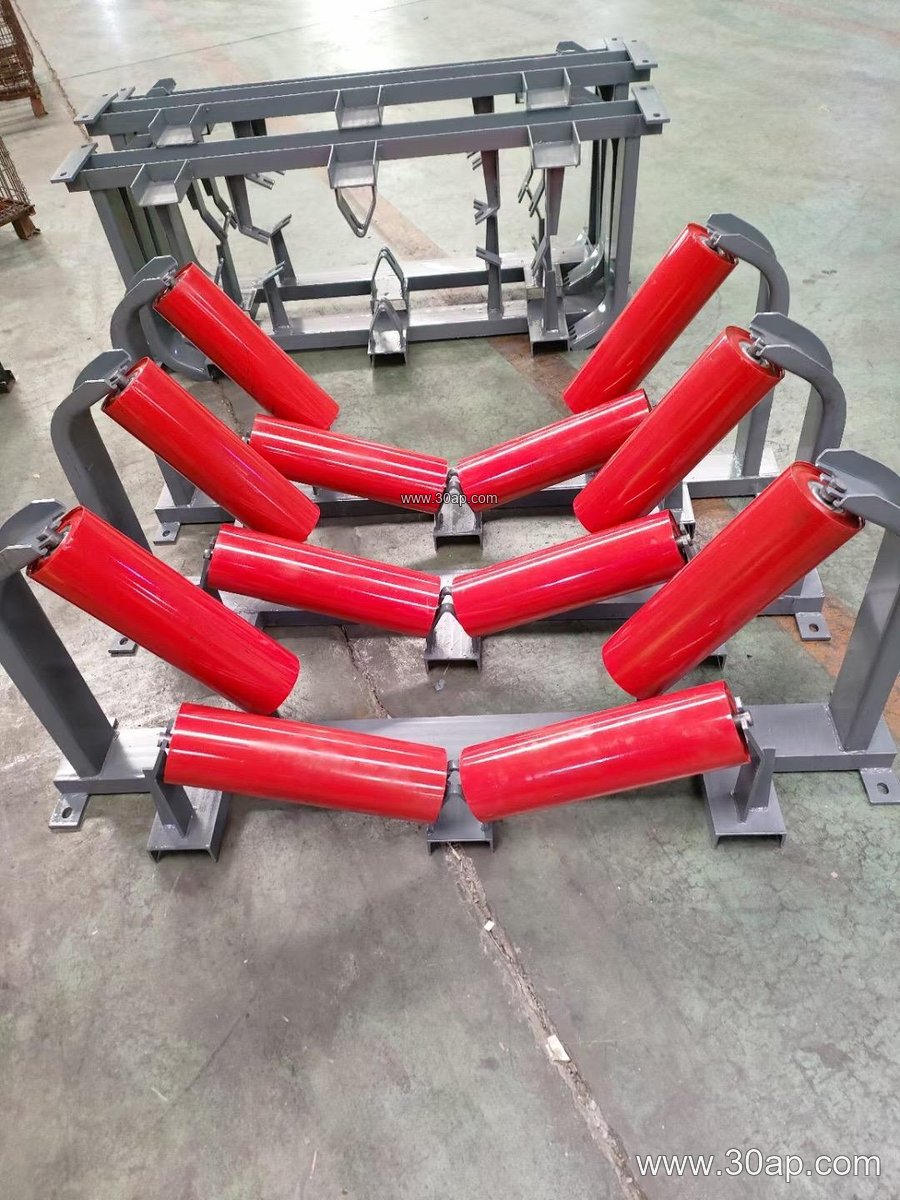
- V-return bracket that holds two rollers at an angle to help center the belt
- Adjustable bracket with slotted mounting for fine height alignment
- Hanging bracket suspended from the frame in tight spaces
Surface treatment is usually painting or galvanizing. In a fertilizer plant or a port terminal with humid air, galvanized or well-coated brackets last noticeably longer.
Matching the Bracket to Belt Width and Roller Diameter
The bracket must suit the belt width and the return roller diameter. Common belt widths run from B500 through B2000 and beyond, and common return roller diameters include Ø89, Ø108, Ø133, Ø159, and Ø194. A B800 belt with Ø108 rollers is a typical medium-duty arrangement, while a B1200 or B1400 conveyor in an iron ore yard may use Ø133 or Ø159 rollers with heavier brackets.
The table below shows typical reference combinations. These are common examples, not fixed rules; the final choice depends on the conveyor design, load, and belt tension.
| Belt Width | Typical Return Roller Diameter | Bracket Style | Typical Use |
|---|---|---|---|
| B500 | Ø89 | Flat return | Small aggregate or sand line |
| B650 | Ø89 / Ø108 | Flat or V-return | Crushing and screening plant |
| B800 | Ø108 | Flat return | Cement plant, power plant coal feed |
| B1000 | Ø108 / Ø133 | V-return | Coal washing plant |
| B1200 | Ø133 / Ø159 | V-return or adjustable | Iron ore and port terminals |
| B1400 | Ø159 | Heavy flat return | Large mining conveyor |
| B1600–B2000 | Ø159 / Ø194 | Heavy-duty V-return | Bulk material trunk lines |
Mounting hole spacing and crossbeam length change with belt width and bracket style, so buyers should always confirm dimensions against the conveyor drawing rather than assuming a standard.
Where Return Idler Brackets Are Used
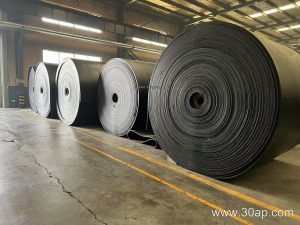
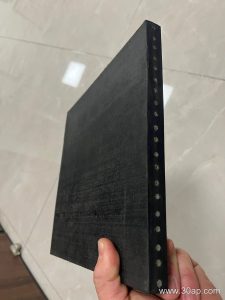
These brackets appear wherever a conveyor belt runs empty back to the tail. In a limestone mine, they keep the return belt clear of the ground and reduce wear on a heavy abrasion resistant conveyor belt. In a power plant coal handling system, a flame retardant conveyor belt on the return side benefits from well-aligned V-return brackets that limit mistracking. Sand and gravel plants, tunnel spoil lines, and grain silos all rely on the same basic component.
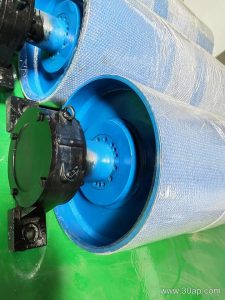
The bracket works together with the conveyor pulley at the tail and the drive pulley at the head. A misaligned return bracket can cause the belt to drift, which then loads the pulley edges unevenly. Checking bracket alignment is therefore part of routine belt tracking work.
Buyer Checklist
- Confirm belt width and return roller diameter before ordering.
- Decide between flat, V-return, and adjustable styles based on tracking needs.
- Check the mounting hole pattern against the existing stringer.
- Match material and coating to the site environment, such as wash-down or dust.
- Ask for dimensional drawings; do not rely on belt width alone to fix shaft size.
For related conveyor components, buyers often review the conveyor bracket, idler roller, and conveyor pulley options together. A well-chosen return idler bracket is a low-cost part that protects a much more expensive belt, so it deserves a careful look during specification and maintenance planning.