What a 1000mm Conveyor Belt Is
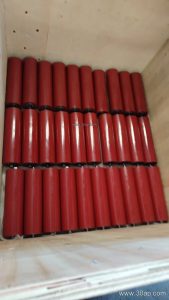
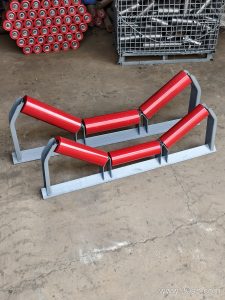
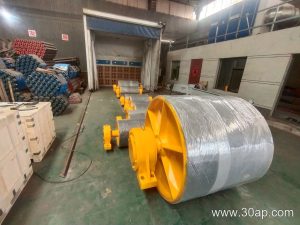
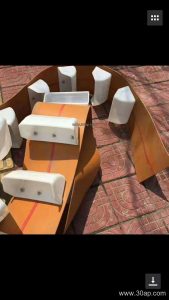
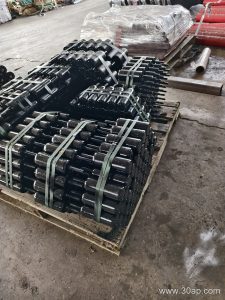
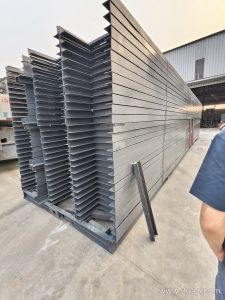
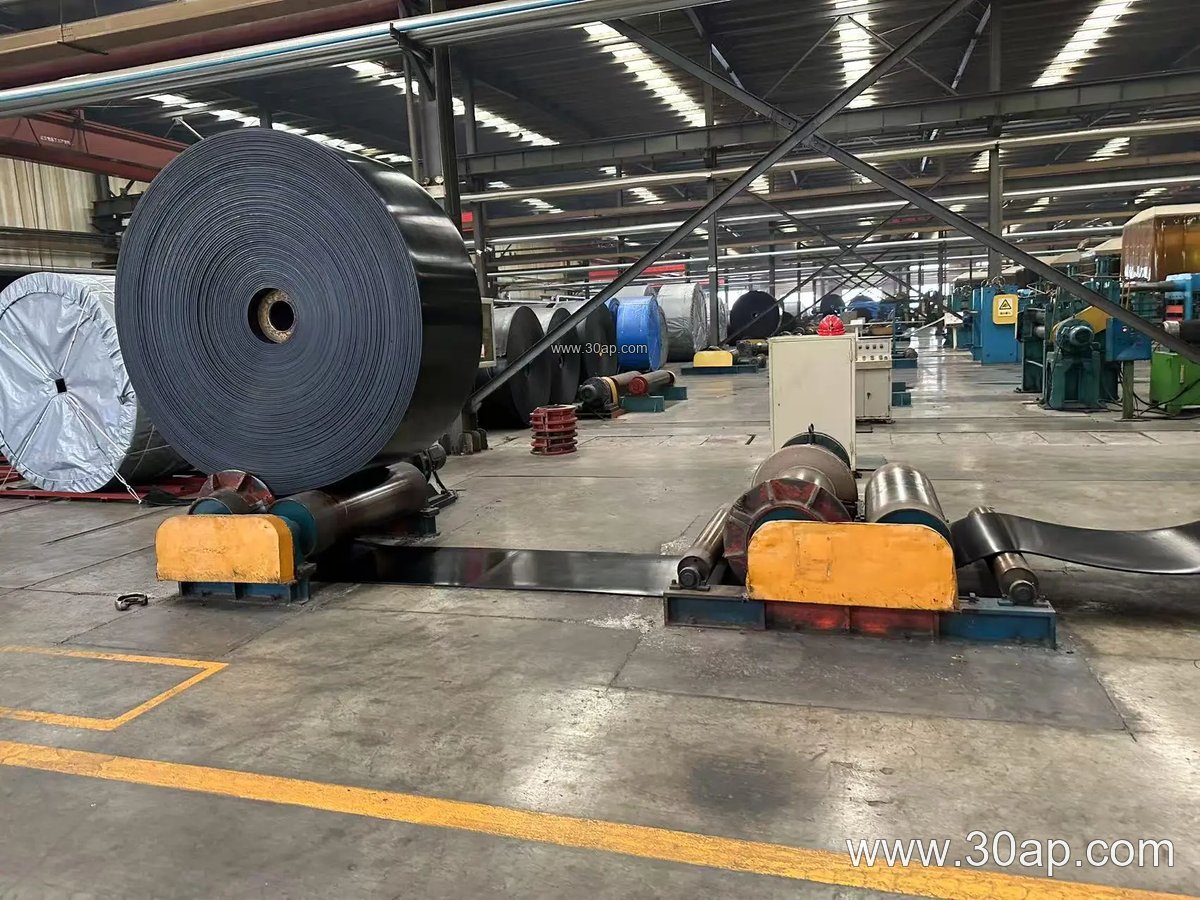
A 1000mm conveyor belt is a heavy-duty rubber belt with a nominal width of 1000 millimeters, widely used in mining, coal preparation, cement plants, power stations, and aggregate quarries. This width is often chosen for main haulage lines where a balance between load capacity and structural economy matters. The belt is typically part of a complete conveyor system that includes idler rollers, conveyor pulleys, and conveyor brackets, all sized to match the belt width and the duty profile.
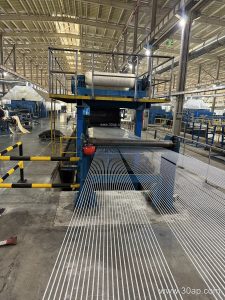
In practice, the 1000mm conveyor belt is available in several constructions. The most common are multi-ply fabric core belts such as EP conveyor belt and NN conveyor belt, as well as steel cord conveyor belt for high-tension, long-distance routes. For underground coal mining, PVC and PVG conveyor belts are frequently specified where flame resistance is required. Each construction serves a different mechanical and safety requirement, so the belt should be selected according to the conveyor design rather than width alone.
Construction and Common Specifications
A typical 1000mm conveyor belt consists of a carcass, cover rubber, and edge protection. The carcass may be fabric (EP or NN) or steel cord. Cover rubber grades address abrasion, heat, oil, flame, cold, and static conditions. For example, an abrasion resistant conveyor belt may be used in a quarry conveyor belt handling crushed stone, while a heat resistant conveyor belt suits cement or sinter applications. Flame retardant conveyor belt and anti-static conveyor belt grades are common in coal mining conveyor belt systems.
The table below shows common reference ranges for a 1000mm belt. Values are indicative and should be confirmed by the manufacturer for each project.
| Parameter | Common reference range |
|---|---|
| Belt width | 1000 mm (B1000) |
| Fabric core type | EP or NN, 2 to 6 plies |
| Strength grades (EP) | EP200, EP315, EP400, EP500, EP630, EP800, EP1000 |
| Steel cord grades | ST1000, ST1250, ST1600, ST2000 |
| Cover thickness | 4+2 mm, 5+2 mm, 6+2 mm, 8+3 mm |
| Surface options | smooth, chevron, corrugated sidewall, skirted |
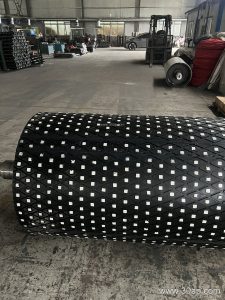
These figures are not universal specifications. A 1000mm belt does not have a fixed pulley diameter or shaft size; those are determined by the conveyor engineer based on tension, pulley type, and safety factors. Drive pulleys, tail pulleys, and bend pulleys each have separate design roles and should not be treated as interchangeable.
Where the 1000mm Width Fits
In a sand and gravel plant, a 1000mm conveyor belt often serves as a primary or secondary haulage belt between a crusher and a screening station. In a cement plant, it may carry clinker or limestone, where a heat resistant or abrasion resistant grade is useful. In a power plant coal yard, a flame retardant conveyor belt with anti-static properties is a common choice. In an iron ore or copper ore operation, a heavy-duty mining conveyor belt with steel cord or high-strength EP carcass may be required for long lifts.
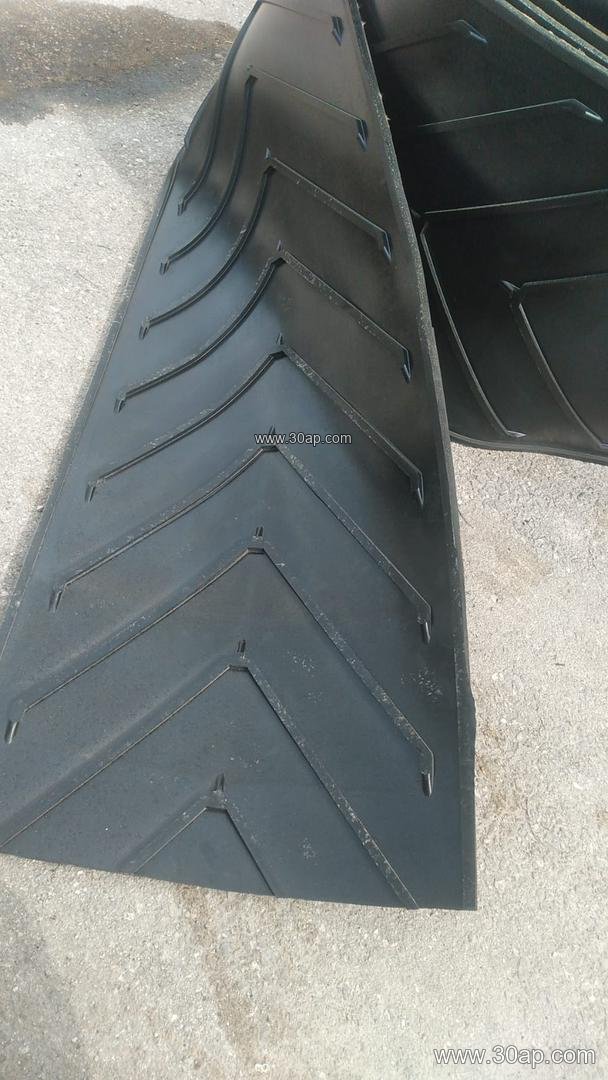
The same width can also appear in port conveyor belt systems and ship loading lines, where a bulk material conveyor belt must handle high throughput. For routes with steep inclines, a chevron conveyor belt or corrugated sidewall conveyor belt in 1000mm width can prevent material rollback. In food or recycling plants, a PVC conveyor belt may be used, although the 1000mm width is more typical of heavy bulk handling.
Selection and Maintenance Notes
Buyers should start with the conveyor design data: capacity, lump size, trough angle, speed, and the number of idler rollers. The belt strength grade should be matched to the calculated tension, not chosen by width alone. For example, an EP1000 conveyor belt may be adequate on a medium-length conveyor, while a steel cord ST1600 belt may be needed for a long overland route. Cover thickness should reflect impact and abrasion conditions; a 6+2 mm cover is common in primary crushing stations, while 4+2 mm may suit cleaner, lighter duty.
Maintenance affects belt life. Check idler roller alignment, pulley lagging, and bracket condition regularly. Material build-up on return rollers can damage the belt edge. Store spare belts in a dry, shaded area and avoid sharp bends. When joining, use the method recommended for the carcass type; fabric belts are often spliced mechanically or vulcanized, while steel cord belts require a specific splice procedure.
Finally, confirm the belt grade and documentation with the supplier. A 1000mm conveyor belt is a system component, and its performance depends on the entire conveyor, including pulleys, rollers, and support structure. For more information on related equipment such as conveyor idler rollers and pulleys, visit www.example.com/conveyor-belt or www.example.com/idler-roller.