What a Conveyor Ceramic Lagged Pulley Does
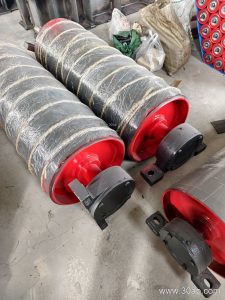
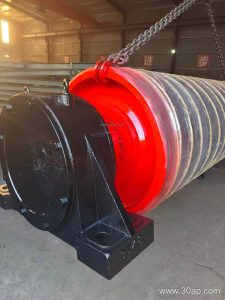
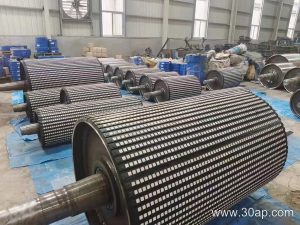
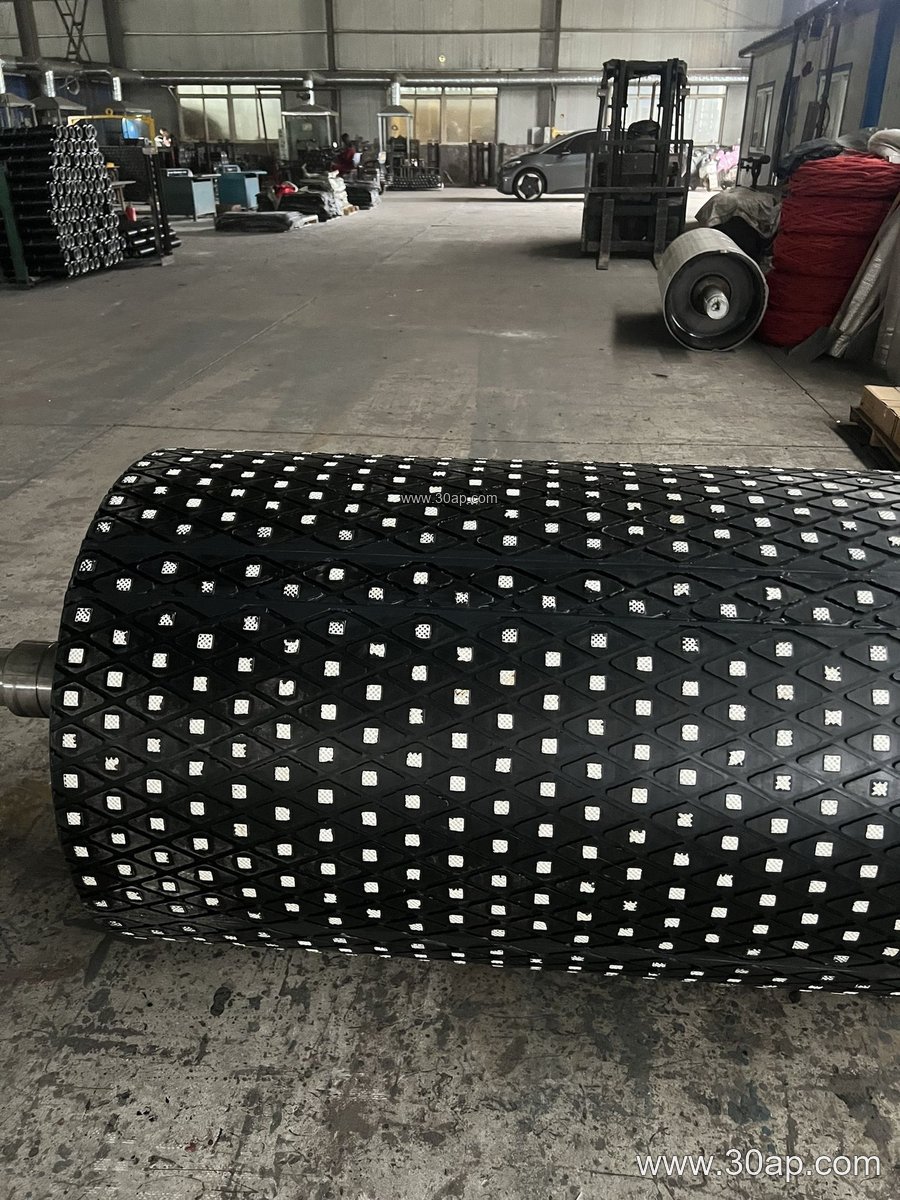
A conveyor ceramic lagged pulley is a conveyor pulley whose outer surface is fitted with ceramic tiles embedded in a rubber or polymer backing. This ceramic lagging creates a high-friction grip that reduces belt slip, especially in wet, dusty, or oily conditions. The pulley itself may be a drive pulley, tail pulley, or bend pulley, but the ceramic lagging is what sets it apart from plain or rubber-lagged versions. In a quarry conveyor line or a coal mining conveyor system, this grip translates into more reliable power transmission and less downtime.
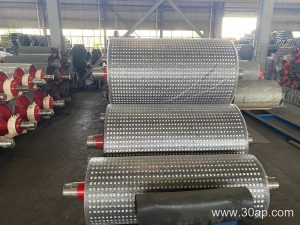
The ceramic tiles are typically small, raised blocks arranged in a pattern. They bite into the conveyor belt cover without causing excessive wear, and the rubber between the tiles provides flexibility. This combination helps maintain traction even when the belt is slightly misaligned or when material buildup occurs. Unlike a standard rubber lagged pulley, the ceramic version is designed for the toughest abrasive and wet environments found in iron ore mines, cement plants, and power plant coal handling.
Construction and Key Components
A ceramic lagged pulley starts with a steel drum, machined and balanced for the required speed. The lagging is applied in sheets or strips, with ceramic chips bonded to a rubber matrix. Common lagging thicknesses are 8 mm, 10 mm, 12 mm, 15 mm, and 20 mm, chosen based on the pulley diameter and the severity of the application. The ceramic surface can be flat or patterned, but the goal remains the same: maximize friction while resisting wear.
Pulley dimensions are matched to the conveyor belt width and the load. For example, a B800 belt might use a pulley with a face width of about 950 mm, while a B1200 belt could pair with a 1400 mm face width. Diameters commonly range from Ø200 to Ø1800, and shaft sizes from Ø50 to Ø200, all determined by torque and radial load rather than belt width alone. A typical combination might be B1000 × Ø800 or B1400 × Ø1000, but these are reference points, not fixed rules.
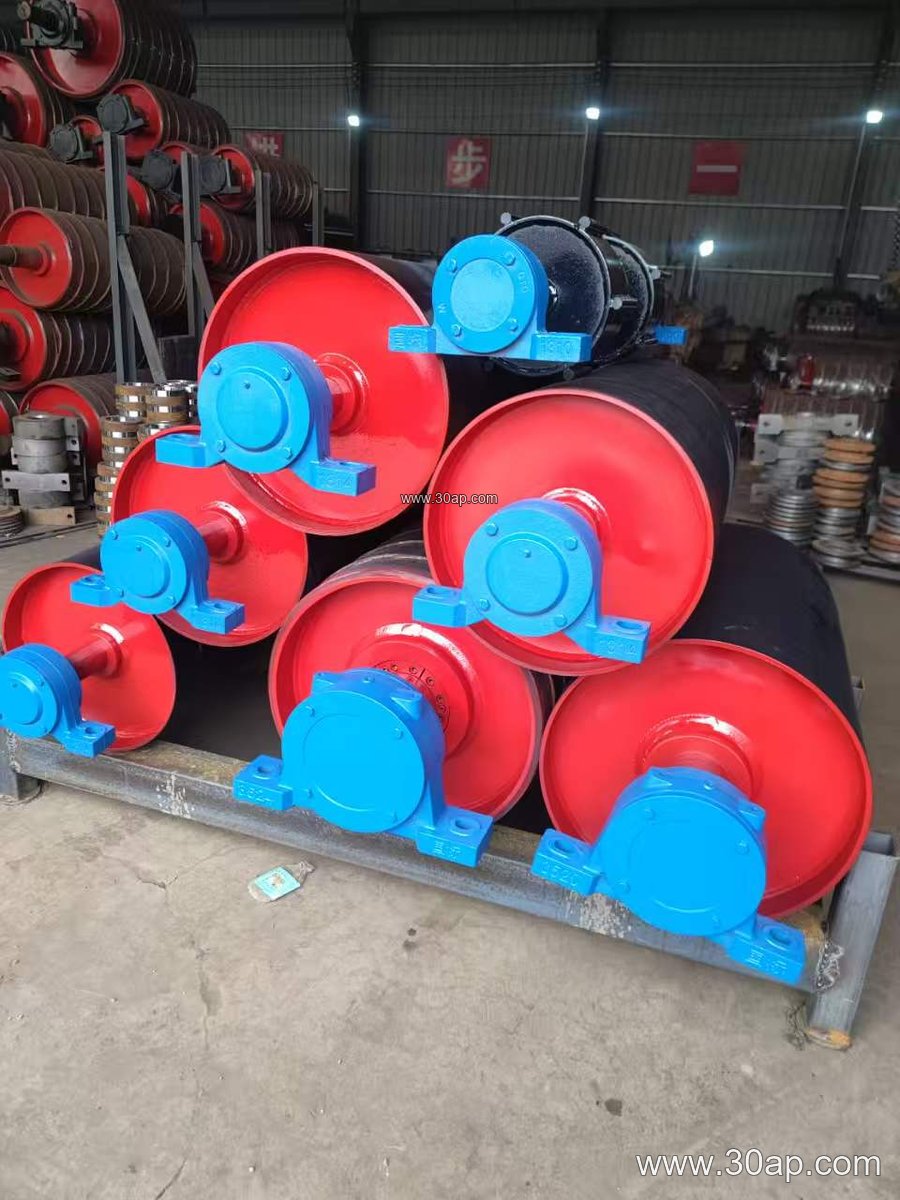
- Drum material: welded steel, sometimes with stress relief
- Lagging: ceramic tiles in rubber or polymer base
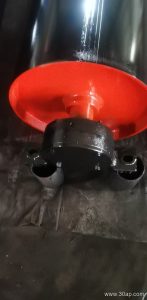
- Bearing housings: cast or fabricated, with grease or oil lubrication
- Surface options: flat ceramic, patterned ceramic, or ceramic with grooves
For comparison, a bend pulley with ceramic lagging may be used to increase wrap angle and reduce slip on the return side, while a tail pulley with ceramic lagging helps center the belt and prevent material from being trapped. Each position has its own demands, but the ceramic lagged pulley remains the core product.
Where It Fits in the Conveyor System
The conveyor ceramic lagged pulley is often found at the head drive position, where the highest torque is transmitted. In a copper ore concentrator or a limestone quarry, the drive pulley must grip the belt firmly to start and stop heavy loads. Ceramic lagging provides that grip without the glazing that can affect rubber lagging in wet conditions. It is also used on tension pulleys in long overland conveyors, where belt slip can cause tracking problems and accelerate wear on the conveyor belt and idler roller components.
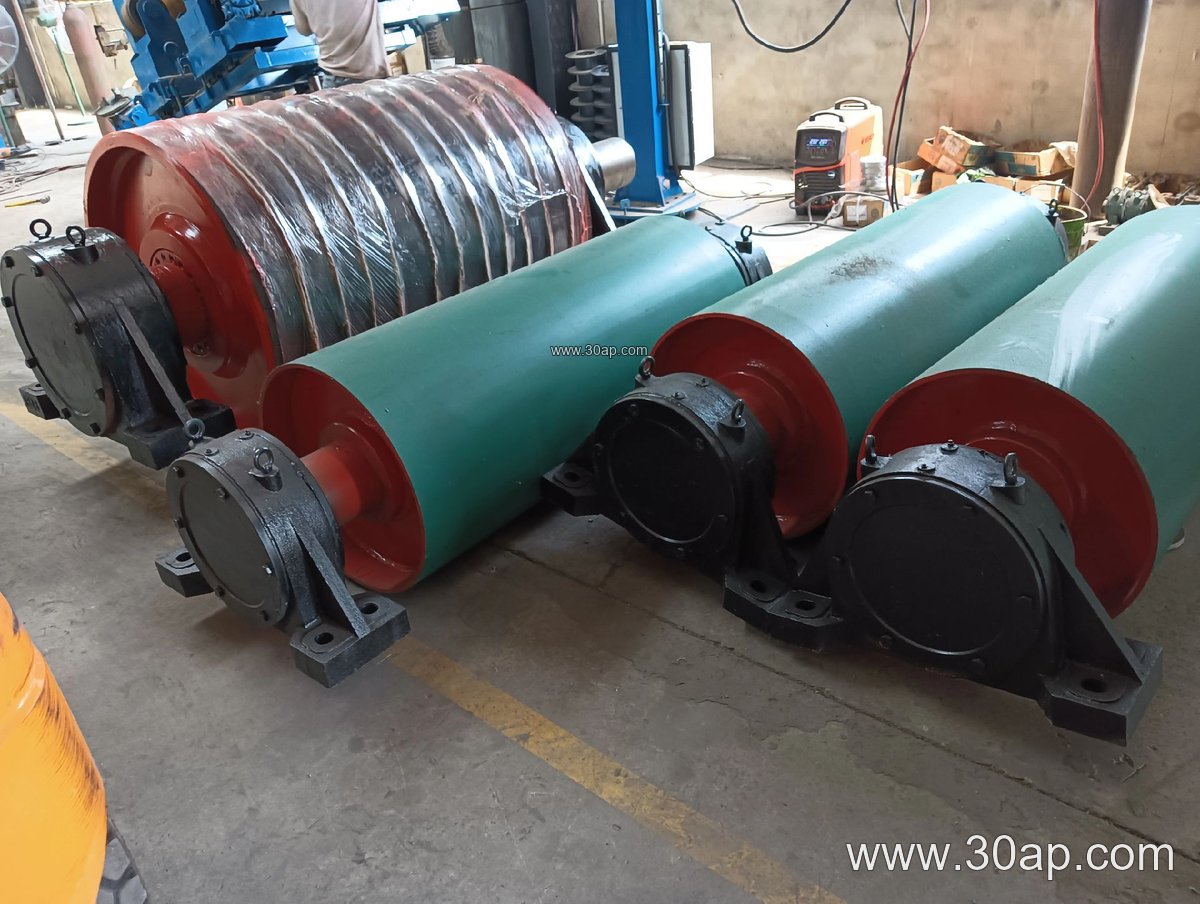
In underground coal mining, flame retardant conveyor belt is common, and the ceramic lagged pulley must be compatible with the belt cover. The ceramic tiles should not cut or gouge the belt, so the pattern and height of the tiles are selected with care. Similarly, in a cement plant handling hot clinker, the pulley lagging must withstand elevated temperatures, and ceramic lagging is sometimes chosen for its durability, though heat resistant conveyor belt is also part of the overall design.
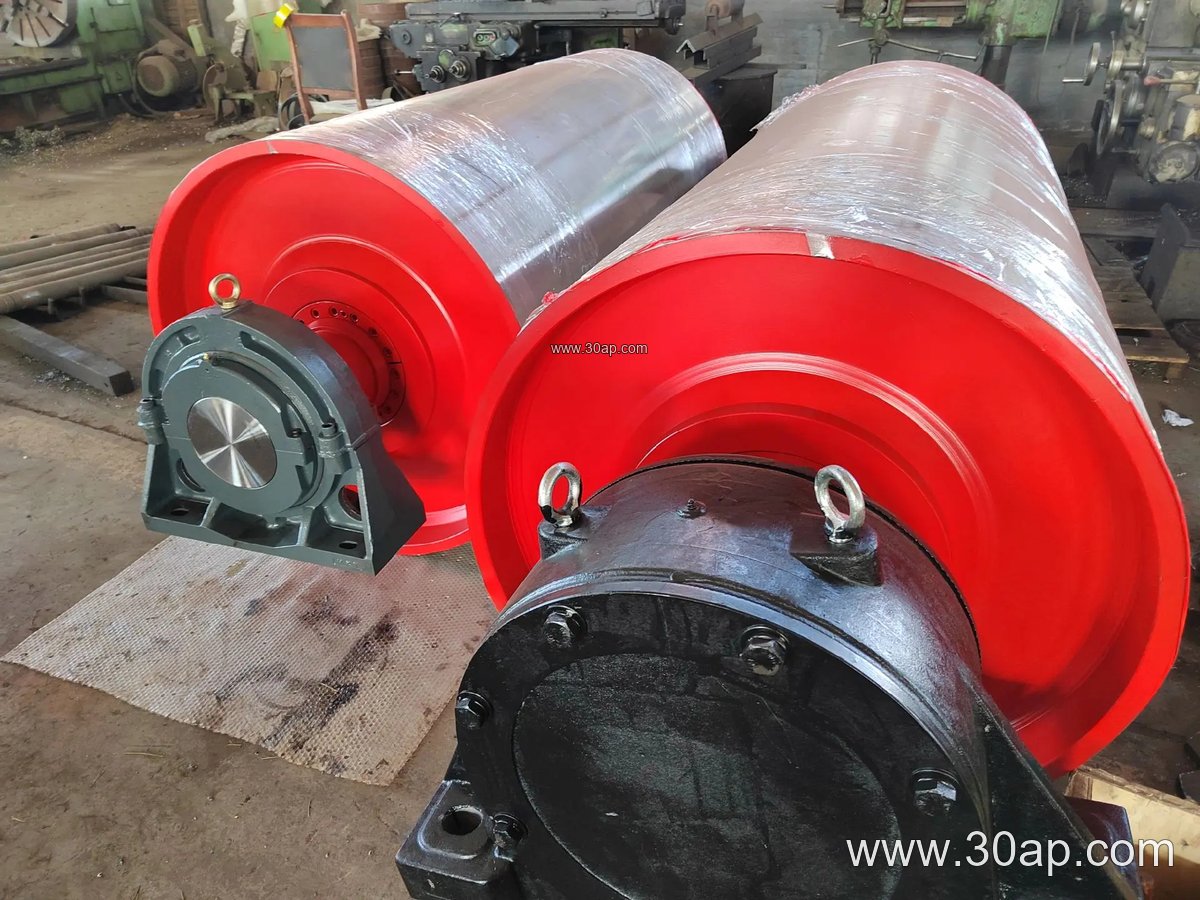
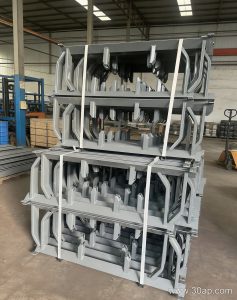
Other industries such as ship loading, aggregate crushing, and recycling also benefit. A heavy-duty mining conveyor belt running over a ceramic lagged drive pulley can operate with less tension and fewer slip-related stoppages. The pulley works alongside conveyor brackets and idler rollers to keep the belt aligned and moving efficiently.
Buyer’s Checklist for Ceramic Lagged Pulleys
When specifying a conveyor ceramic lagged pulley, consider the belt width, pulley diameter, shaft size, and lagging thickness. Confirm the belt type, whether it is an EP conveyor belt, NN conveyor belt, or steel cord conveyor belt, because the lagging must suit the belt cover hardness and surface. Also check the environment: wet, dusty, or oily conditions favor ceramic lagging, while extremely high temperatures may require special rubber compounds.
Ask for the pulley’s dynamic balance grade and bearing life calculation. Verify that the ceramic tiles are bonded securely and that the lagging is applied without voids. For a drive pulley, the lagging pattern should be designed to evacuate water and fines. For a tail pulley, consider a self-cleaning pattern. Remember that pulley diameter and shaft size are determined by the conveyor’s power and tension requirements, not by belt width alone.
Finally, plan for maintenance. Ceramic lagging is durable, but damaged tiles can be replaced in sections. Keep spare lagging sheets and follow the manufacturer’s torque specifications for pulley bolts. With the right selection, a ceramic lagged pulley will outlast standard rubber lagging in the harshest bulk handling operations.