What an Anti-Material-Buildup Idler Does
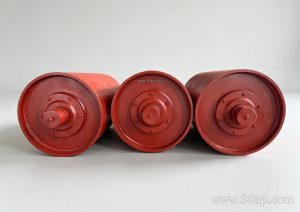
In bulk handling, sticky or wet material often clings to idler rollers, causing belt misalignment, increased power draw, and premature wear. An anti-material-buildup idler is designed to shed carryback and prevent build-up on the roller surface. It is a specialized idler roller, not a drive pulley, tail pulley, or bend pulley, and it works alongside the conveyor belt to keep the load zone cleaner.
These idlers are common in quarries, cement plants, coal handling systems, and aggregate lines where fines and moisture create tacky conditions. By reducing material adhesion, they help maintain consistent belt tracking and extend the service life of the conveyor bracket and related components.
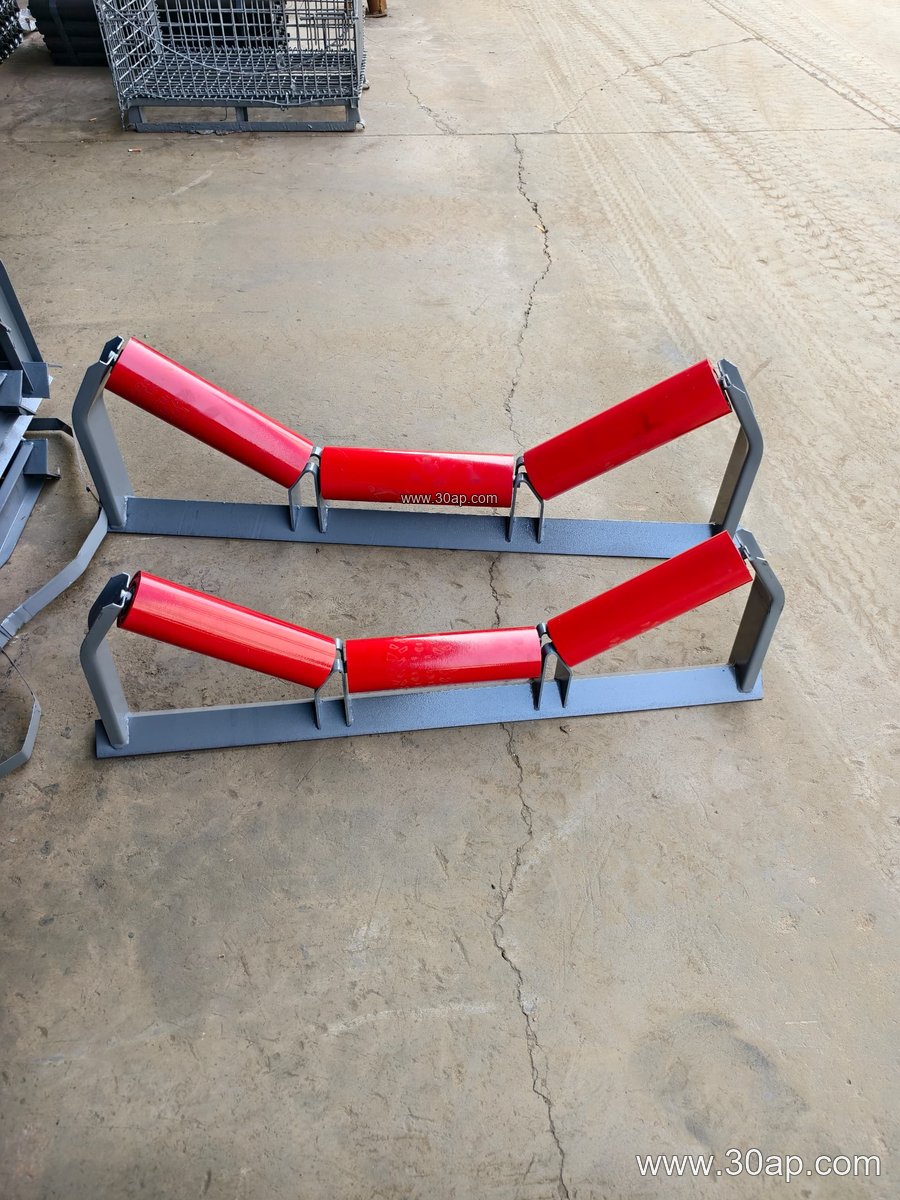
Design Features That Resist Sticking
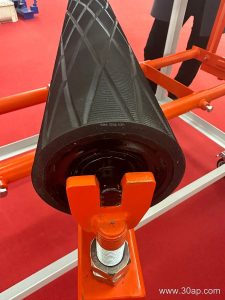
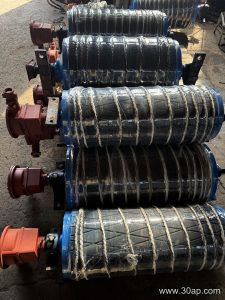
Several construction details help an anti-material-buildup idler stay clean. The roller surface may use a smooth steel shell, a rubber cover, or a profiled pattern that breaks the bond with wet fines. Seals are typically multi-labyrinth or contact types to keep dust out of the bearing housing. Common bearing sizes include 6204, 6205, 6305, 6306, 6308, and 6310, selected according to load and speed rather than a fixed rule.
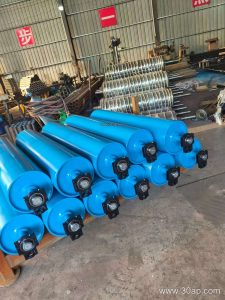
The idler may be a single-roll or multi-roll configuration. For comparison, a standard troughing idler uses three rolls to form a trough, while a return idler is often a single flat roll. The anti-buildup version can appear in both carry and return positions, but its defining feature is the surface and seal design that discourages material accumulation.
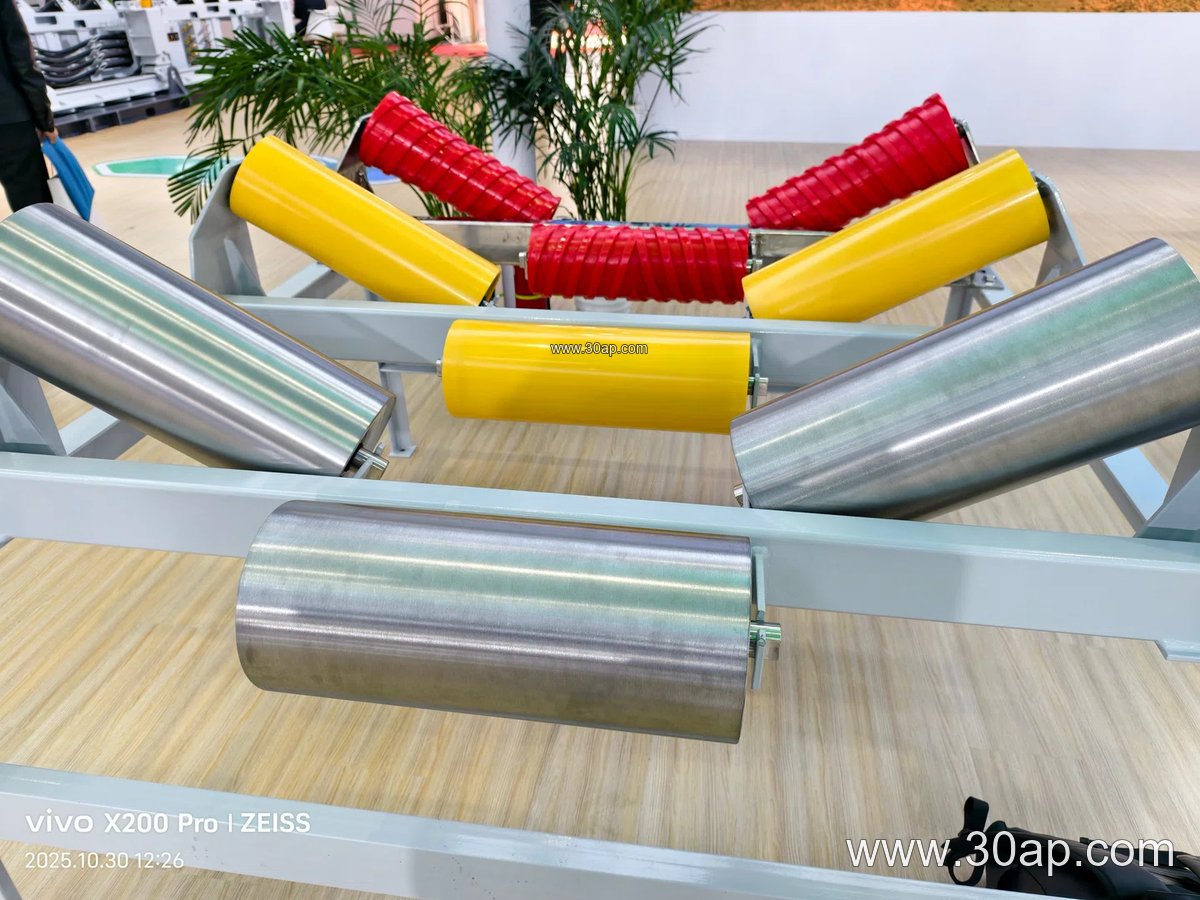
Where It Fits on the Conveyor
Typical locations include the discharge zone, the return strand after the head pulley, and transition areas where the belt opens from a trough to a flat profile. In a coal mining conveyor or a limestone quarry, these idlers help keep the belt running true when fines are present. They are not a substitute for a drive pulley, tail pulley, or bend pulley; those pulleys transmit power or change belt direction, while the idler supports the belt and manages build-up.
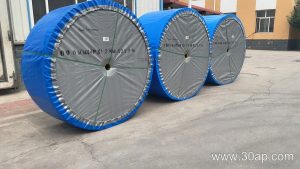
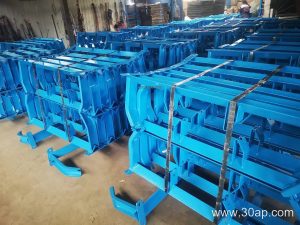
In cement plants and power plant coal yards, anti-material-buildup idlers are often paired with abrasion resistant conveyor belt or flame retardant conveyor belt to handle dusty, potentially sticky loads. The idler works with the conveyor belt and conveyor bracket to maintain alignment and reduce spillage.
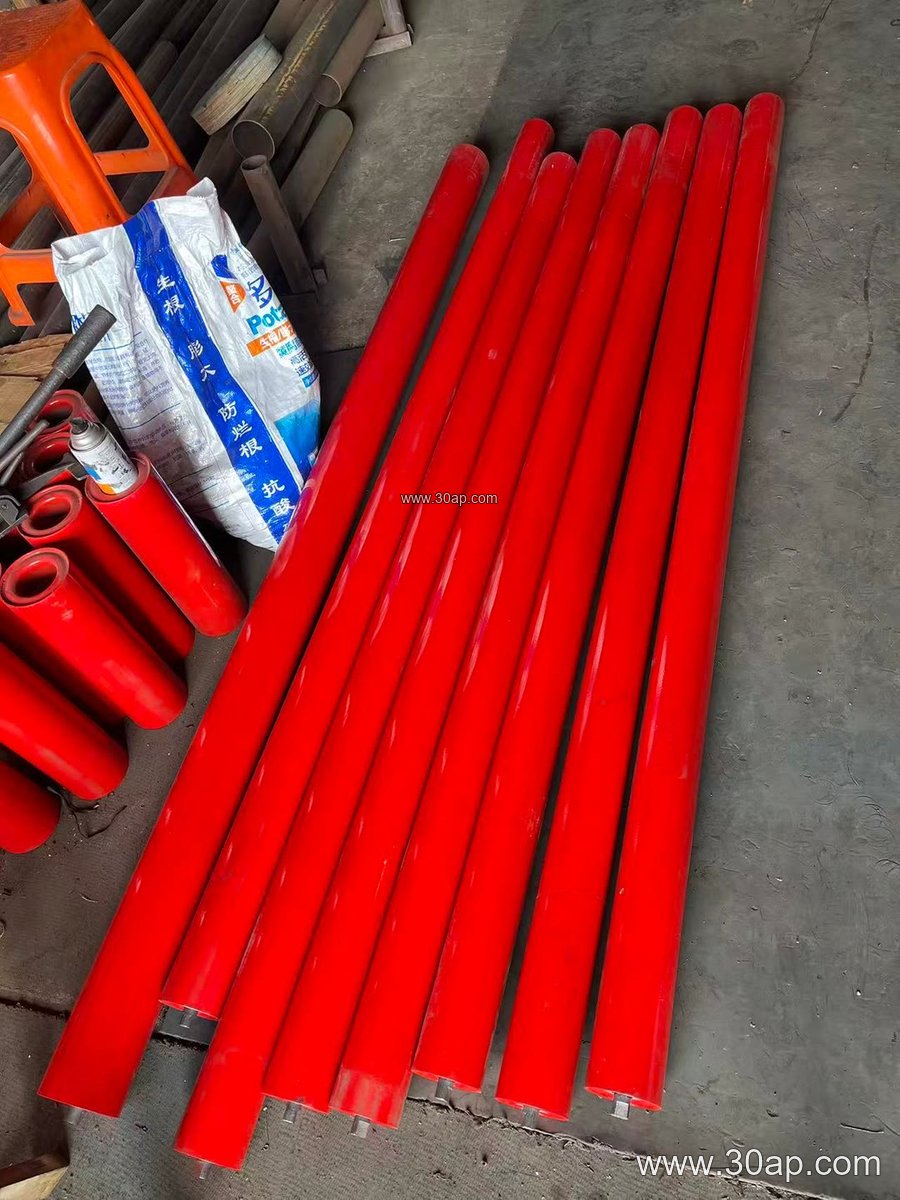
Common Sizes and Configurations
Roller diameter and belt width are selected together based on load, speed, and space. The table below shows typical reference values; actual supply depends on the conveyor design.
| Parameter | Common Reference Values |
|---|---|
| Roller diameter | Ø63, Ø76, Ø89, Ø102, Ø108, Ø127, Ø133, Ø159, Ø178, Ø194, Ø219 mm |
| Belt width | B400, B500, B650, B800, B1000, B1200, B1400, B1600, B1800, B2000, B2200, B2400 mm |
| Trough angle | 20°, 30°, 35°, 45° |
| Roll surface | Steel, nylon, ceramic, rubber ring |
| Bearing | 6204, 6205, 6305, 6306, 6308, 6310 |
For a three-roll troughing set, roll length often varies with belt width; for example, B500 may use about 200 mm rolls, B800 about 315 mm, B1200 about 465 mm, and B1600 about 600 mm. These are typical examples, not fixed matches, and side rolls can differ from the center roll.
Buyer Checklist
- Confirm the material characteristics: moisture, stickiness, lump size, and temperature.
- Match the idler type to the location: carry side, return side, or transition zone.
- Check seal design and bearing selection for dust and water exposure.
- Verify roller diameter and belt width compatibility with the existing conveyor bracket.
- Consider the conveyor belt type, such as EP conveyor belt or steel cord conveyor belt, because belt stiffness affects idler spacing and load.
An anti-material-buildup idler is a focused solution for sticky conveying conditions. It supports the belt, resists clogging, and helps keep the entire conveyor system running smoothly in demanding industrial environments.