What a Dual Drive Pulley Is and Where It Fits
A dual drive pulley is a conveyor pulley that transmits torque to the belt from two drive units, typically mounted at the head end of the conveyor. In high-capacity systems, one drive pulley may not provide enough traction or may require an excessively large diameter. By using two driven pulleys—often arranged as a primary and secondary drive—the system distributes power more evenly and reduces the load on each individual drive. This arrangement is common in bulk material handling where starting torque and continuous reliability matter, such as in a copper mine or a cement plant clinker line.
The dual drive pulley is not interchangeable with a tail pulley or a bend pulley. Those serve different positions and functions: the tail pulley returns the belt, and the bend pulley changes belt direction without driving. The dual drive pulley remains a distinct drive component, and its design must be matched to the conveyor’s power requirements.
Construction and Key Components
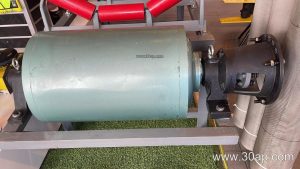
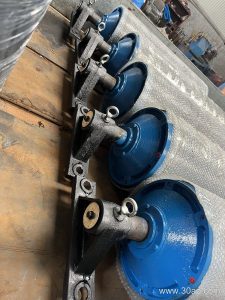
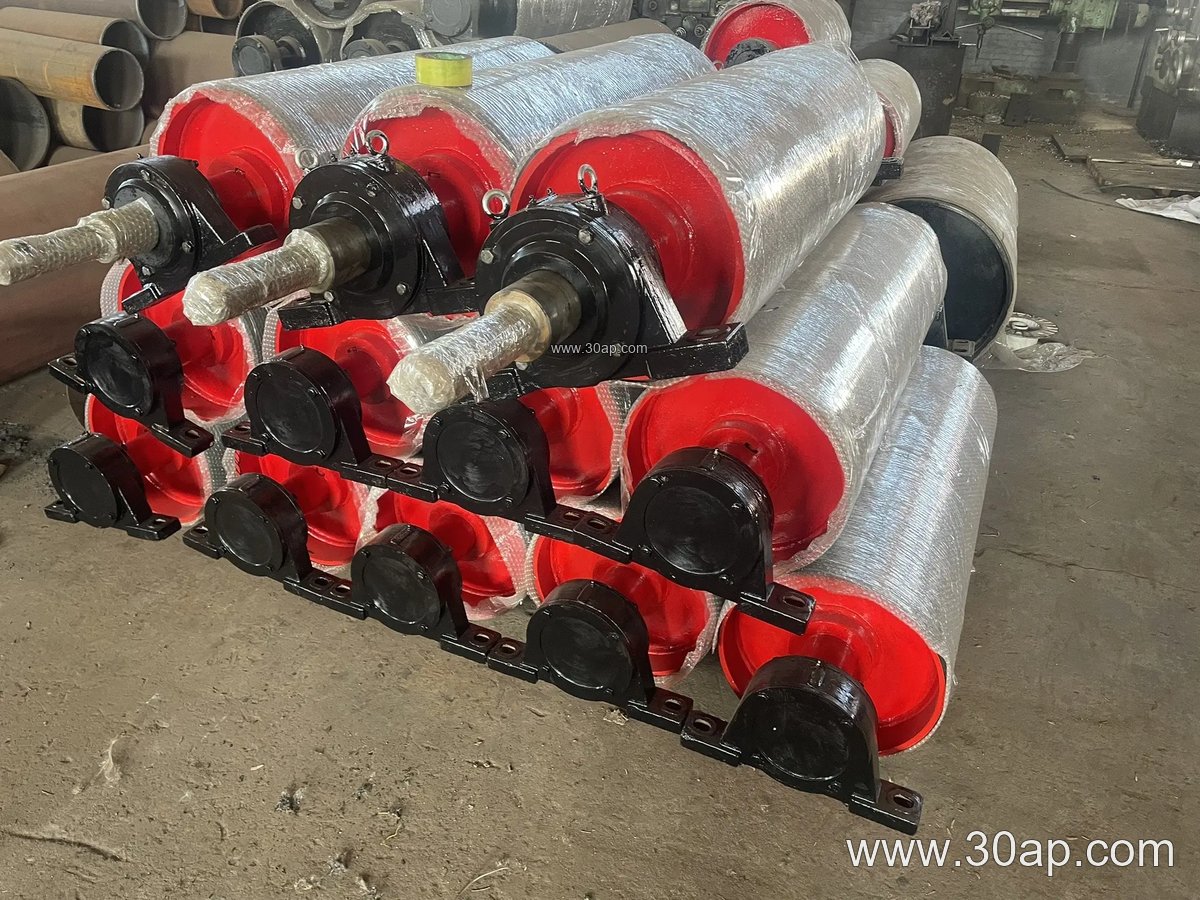
A typical dual drive pulley assembly includes two pulley shells, each with its own shaft, bearings, and drive connection. The shells are usually built from rolled steel and may be lagged to improve grip. Common surface forms include plain, rubber lagging, diamond lagging, and ceramic lagging. Lagging thickness often ranges from 8 mm to 20 mm depending on the duty. The pulley face width is normally wider than the belt width—for example, a B1200 belt may use a pulley face around 1400 mm, while a B800 belt may use about 950 mm. These are reference examples, not fixed pairings.
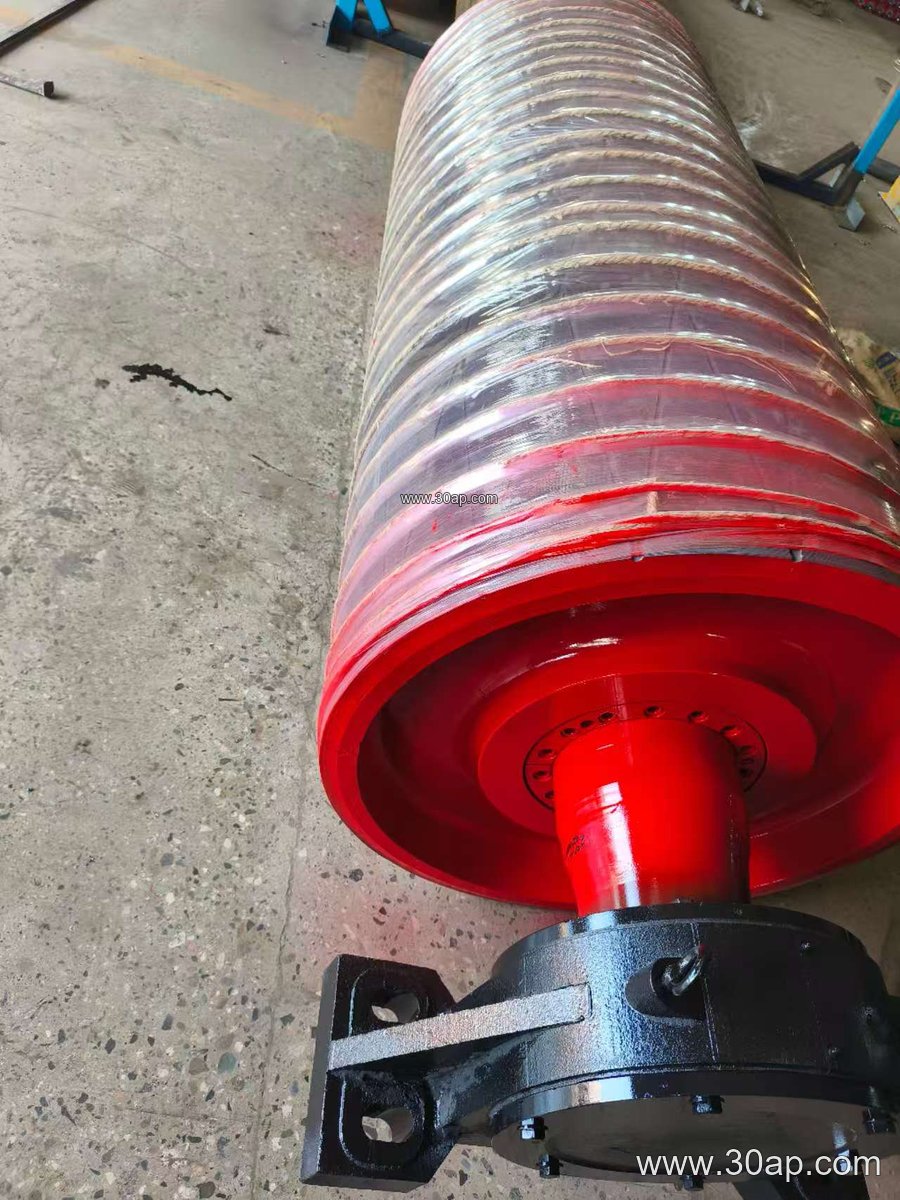
Shaft diameters are determined by torque and load, not by belt width alone. Common shaft sizes include Ø80, Ø100, Ø120, Ø140, and Ø160, but the final choice depends on the drive power and the conveyor’s starting conditions. The two pulleys in a dual drive arrangement may have different diameters or the same diameter, and they are often connected through a gearbox or coupling system that balances the load.
Where Dual Drive Pulleys Are Used
These pulleys are found in heavy-duty conveying systems across several industries. In a coal mining operation, a dual drive pulley can help handle the high tension and continuous operation of an underground mining conveyor belt. In a power plant coal handling system, it supports reliable belt traction for long conveyors. Aggregate operations, such as a quarry or sand making plant, may use dual drive pulleys on primary crusher conveyor belts where shock loads and high capacity are present. The arrangement is also seen in port ship loading conveyors and steel plant sinter lines.
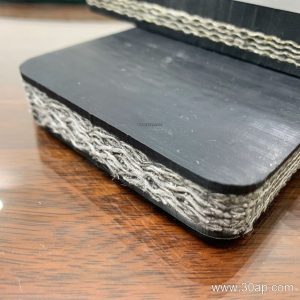
Because the dual drive pulley works with the conveyor belt, idler roller, and conveyor bracket, the whole system must be considered. A poorly matched pulley can cause belt slip, excessive wear, or tracking problems. For this reason, the pulley lagging and diameter should be selected together with the belt type—whether it is an EP conveyor belt, a steel cord conveyor belt, or a flame retardant conveyor belt for underground use.
Selection and Maintenance Notes for Buyers
When specifying a dual drive pulley, buyers should provide the conveyor’s maximum tension, starting torque, belt width, and belt speed. The pulley diameter is often chosen to reduce belt bending stress and to provide sufficient contact area for traction. A larger diameter may be needed for high-tension belts, but it is not mandatory to follow a fixed rule. The lagging type should match the environment: rubber lagging for general grip, ceramic lagging for high abrasion, and oil resistant or heat resistant lagging where needed.
Maintenance focuses on bearing lubrication, lagging wear, and checking for cracks or looseness in the pulley shell and shaft. In a dusty quarry or a coal handling plant, regular cleaning around the pulley helps prevent material buildup that can misalign the belt. Spare parts should be sourced with the same specifications as the original to avoid mismatched components.
For more information on conveyor pulleys, conveyor belts, and related components, visit www.example.com/conveyor-pulley and www.example.com/belt.