What the Discharge-End Pulley Does
The discharge-end pulley is the conveyor pulley positioned at the delivery point of a belt conveyor, where the belt turns back after releasing its load into a chute, stockpile, or transfer station. In many layouts it is the head pulley, and operators also call it the unloading pulley or delivery pulley. Its job is straightforward but demanding: it transmits the driving torque, sets the belt path at the discharge, and takes the continuous load of the returning belt and any material that clings to it. Unlike a tail pulley at the feed end or a bend pulley that only redirects the belt, this pulley sits at the point where the conveyor actually lets go of the material.
The discharge position matters because the trajectory of the material depends on belt speed and pulley diameter. A poorly matched pulley can throw material off target or cause buildup around the chute. On a quarry conveyor or an ore conveyor, that kind of misalignment quickly becomes a maintenance problem.
Construction and Surface Options
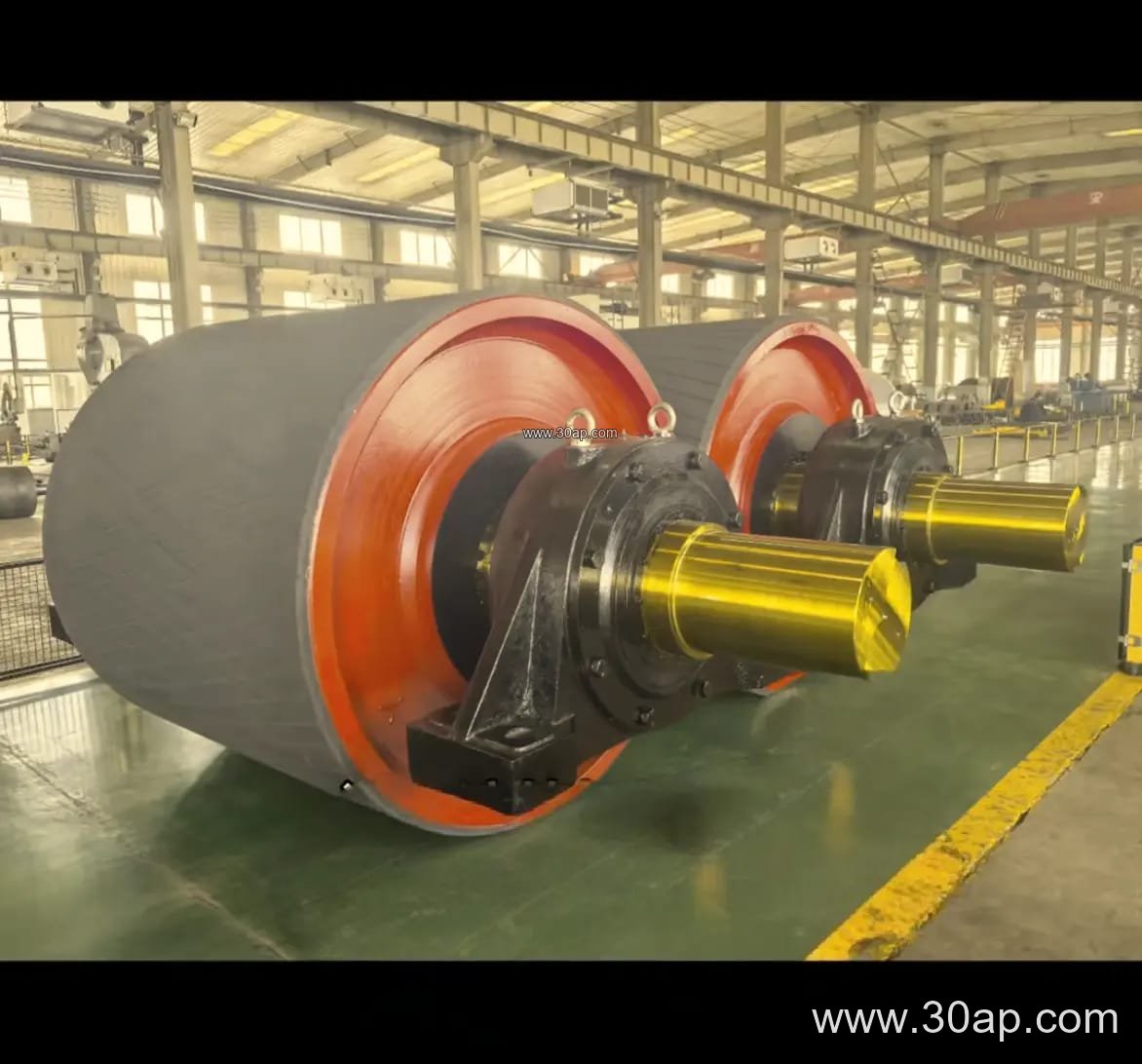
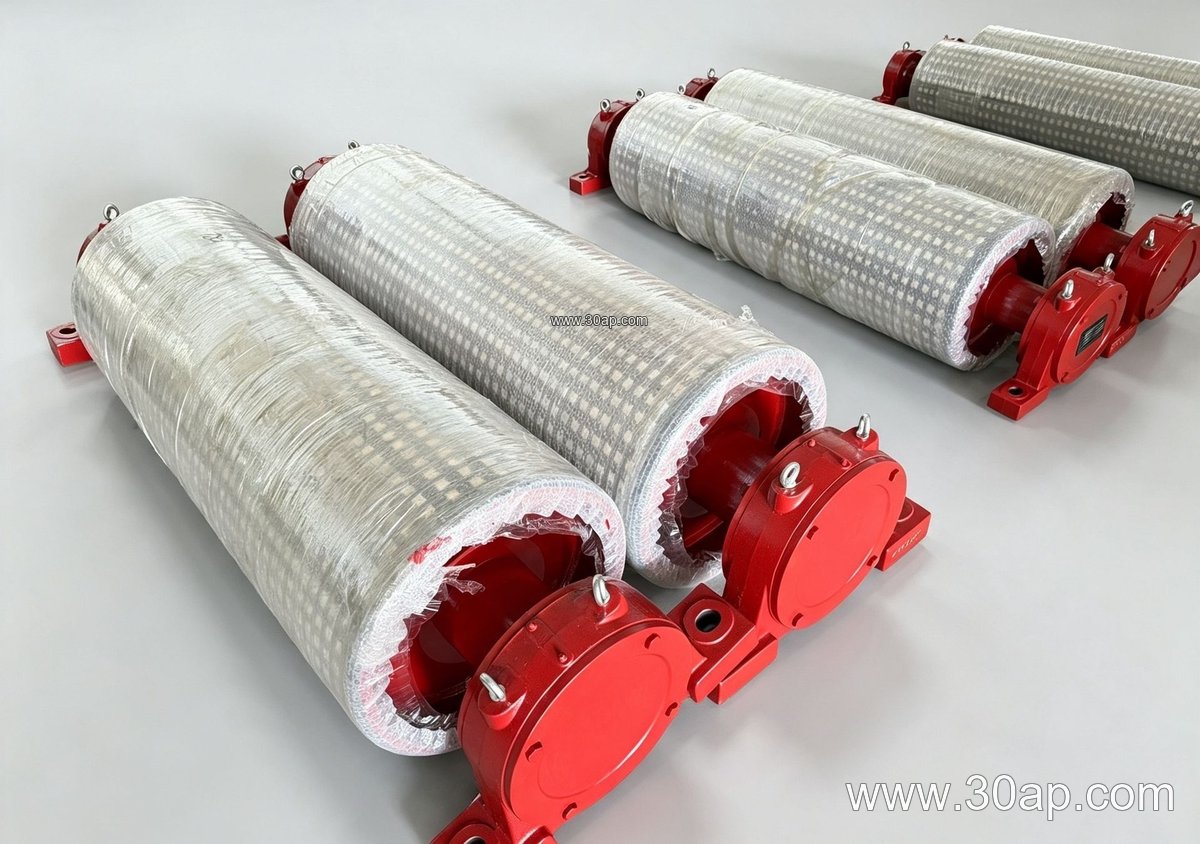
A discharge-end pulley is typically built as a welded steel drum with a shaft, hubs, and end discs, balanced for the running speed of the conveyor. The shell is often covered with rubber or ceramic lagging to improve grip and protect the drum from abrasive material.
- Plain face for light-duty or very clean duties
- Diamond or herringbone lagging for better traction in wet or dusty conditions
- Ceramic lagging for high-wear discharge points handling aggregate or ore
- Hot vulcanized or cold-bonded rubber in thicknesses such as 8, 10, 12, 15, or 20 mm
Common shell diameters range from Ø200 and Ø250 up to Ø1250 or larger depending on belt speed and load, and face widths usually exceed the belt width so the belt is fully supported. A B800 belt, for example, commonly runs on a pulley face around 950 mm, while a B1200 conveyor may use a face near 1400 mm. These are reference values, not fixed pairings; the final diameter and shaft size are set by torque, belt tension, and the conveyor design.
Typical Duty Points
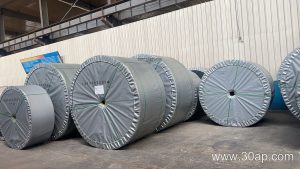
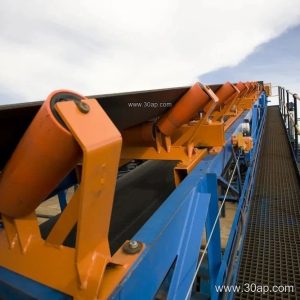
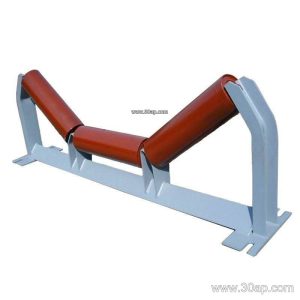
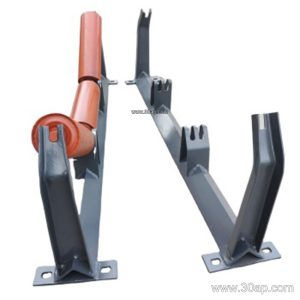
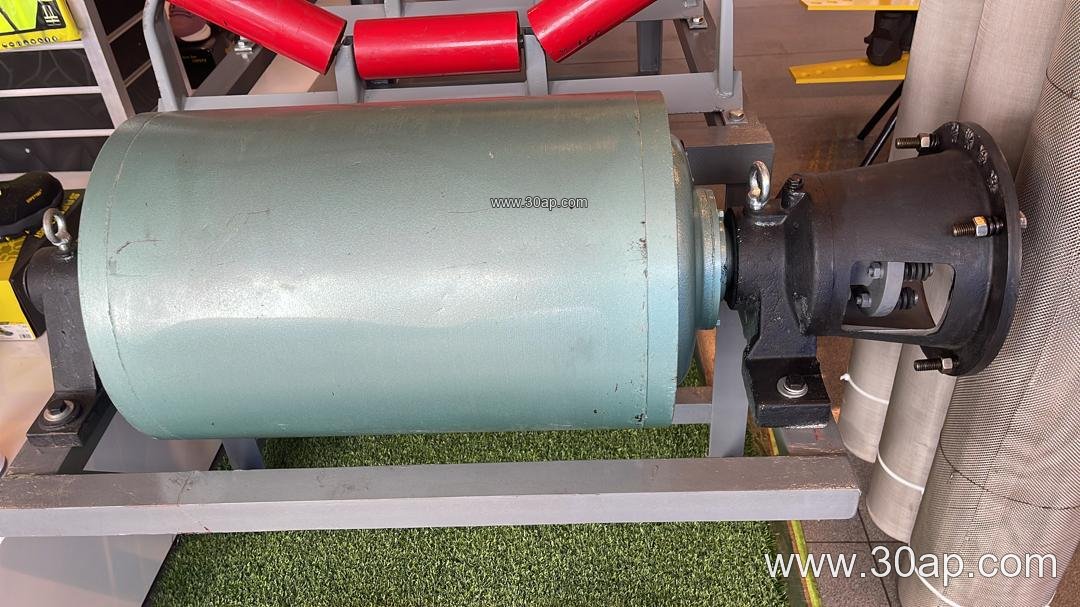
This pulley appears across bulk handling industries. In a limestone quarry or sand and gravel plant it often works with an abrasion resistant conveyor belt and a sturdy conveyor bracket assembly at the head frame. In a coal handling system feeding a power plant, a flame retardant conveyor belt may run over a lagged discharge pulley before the material drops to the next stage. Cement plants, fertilizer warehouses, and port bulk terminals also rely on these pulleys at transfer points.
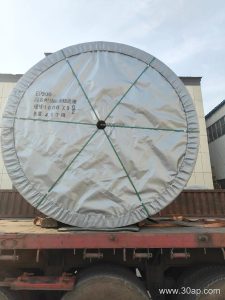
Where the belt carries heavy lump material, a steel cord conveyor belt may be paired with a larger diameter drum to keep bending stress reasonable. In lighter duties, an EP conveyor belt or NN conveyor belt is common, and the pulley is sized to match the belt tension rather than a single standard.
Selection and Maintenance Notes
Buyers should confirm the belt width, expected belt tension, shaft diameter, lagging type, and bearing arrangement before ordering. Shaft diameters such as Ø80, Ø100, Ø120, or Ø160 are chosen by load calculation, not by belt width alone. It also helps to specify whether the pulley is driven or non-driven, since a drive pulley needs a different hub and keyway detail from an idler-style drum.
During operation, check lagging wear, material buildup on the shell, and bearing temperature. A worn lagging surface on a discharge pulley can cause belt slip and accelerate wear on the conveyor belt itself. Keeping the chute clear and the belt cleaner working reduces carryback that reaches the drum.
For more conveyor components, including conveyor pulley options and matching conveyor belt constructions, visit the resource pages at www.beltconveyors.org and www.conveyoridler.com.