What an NN300 Conveyor Belt Is
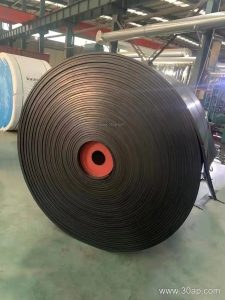
An NN300 conveyor belt is a multi-ply fabric core belt built on nylon (NN) warp and weft canvas. The number 300 refers to the nominal tensile strength of the carcass, expressed in newtons per millimeter of belt width. In practical terms, it sits in the middle-to-upper range of nylon belts, above NN200 and below NN400, which makes it a popular choice where a conveyor needs more pull than a light EP belt can comfortably deliver but does not yet call for a steel cord construction.
Because the carcass is nylon, the belt offers high strength with relatively low weight, good flexibility, and strong resistance to fatigue. That combination suits long runs, frequent starts and stops, and layouts with several pulleys. Buyers often compare it with an EP conveyor belt, where polyester warp reduces stretch; the NN300 Conveyor Belt trades a little extra elongation for excellent impact absorption and troughability. Neither is a substitute for the other, and the right pick depends on the duty.
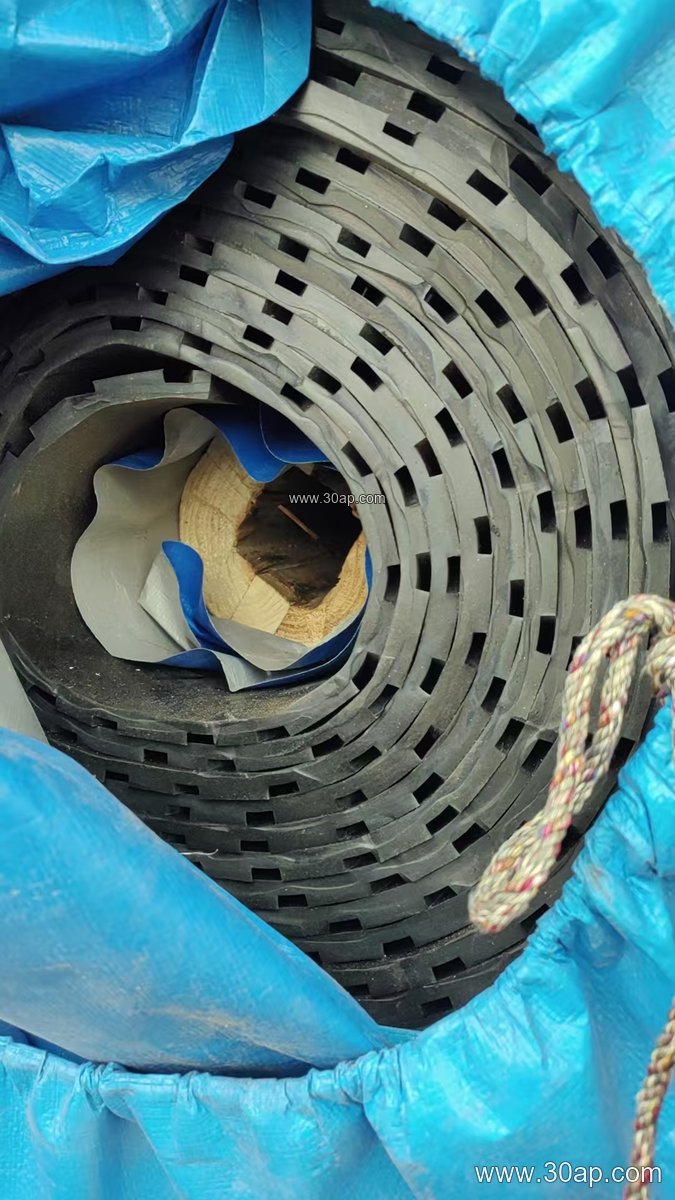
Construction and Typical Build
The belt is usually made with two to six plies of nylon fabric, bonded with rubber skim compound and protected by top and bottom cover rubber. Cover thickness is normally stated as a pair of figures, for example 4+2 mm or 6+2 mm, where the first number is the carrying side and the second the pulley side. The carcass carries the tension, while the covers protect against abrasion, impact, and the environment.
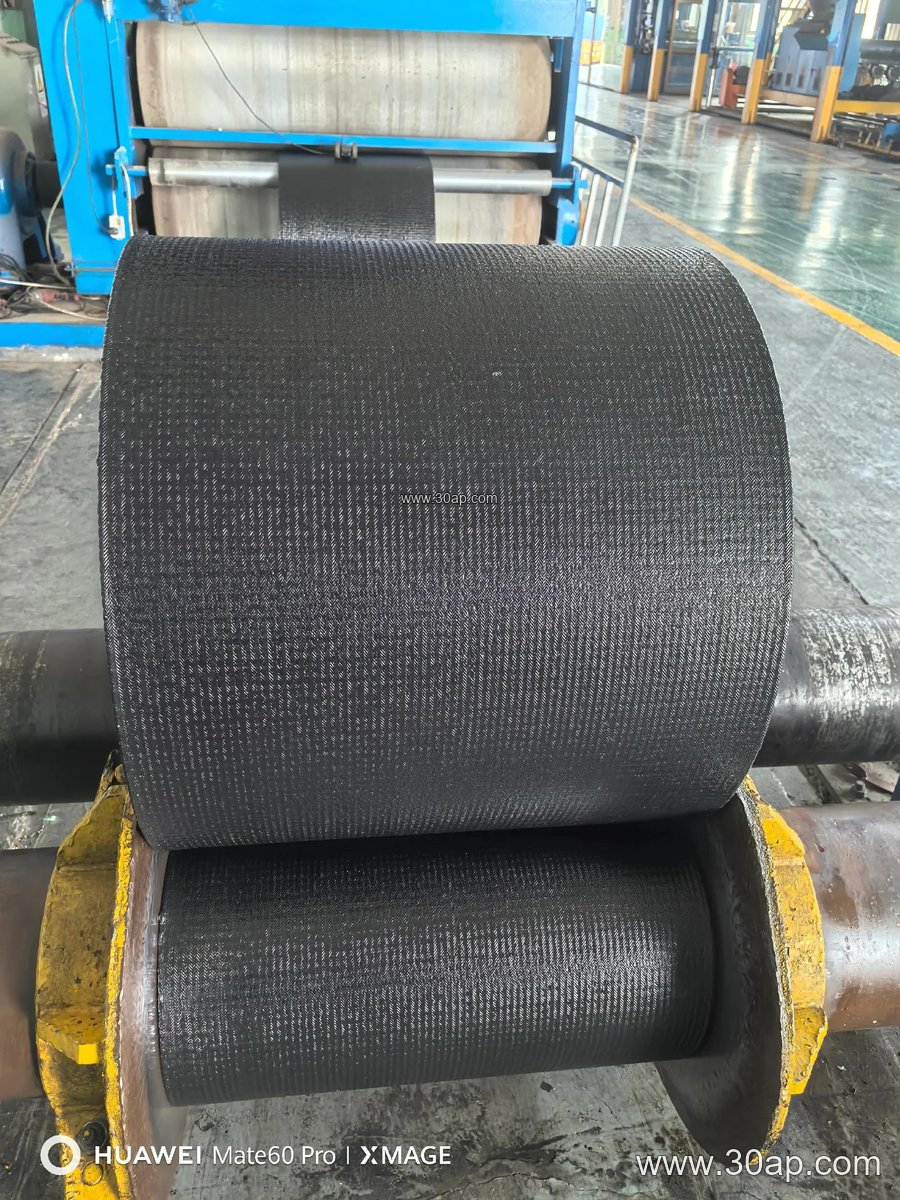
- Reinforcement: multiple nylon fabric plies, commonly 2 to 6
- Nominal strength grade: 300 N/mm (NN300)
- Cover options: abrasion resistant, flame retardant, heat resistant, oil resistant, cold resistant, anti-static
- Surface forms: smooth, or patterned variants for inclined conveying when needed
For reference only, common belt widths in this class include B650, B800, B1000, B1200, B1400, and B1600. These are typical values rather than a fixed match; a given width can run on different pulley diameters depending on tension, wrap angle, and belt thickness. Shaft sizes must always be calculated by the conveyor designer.
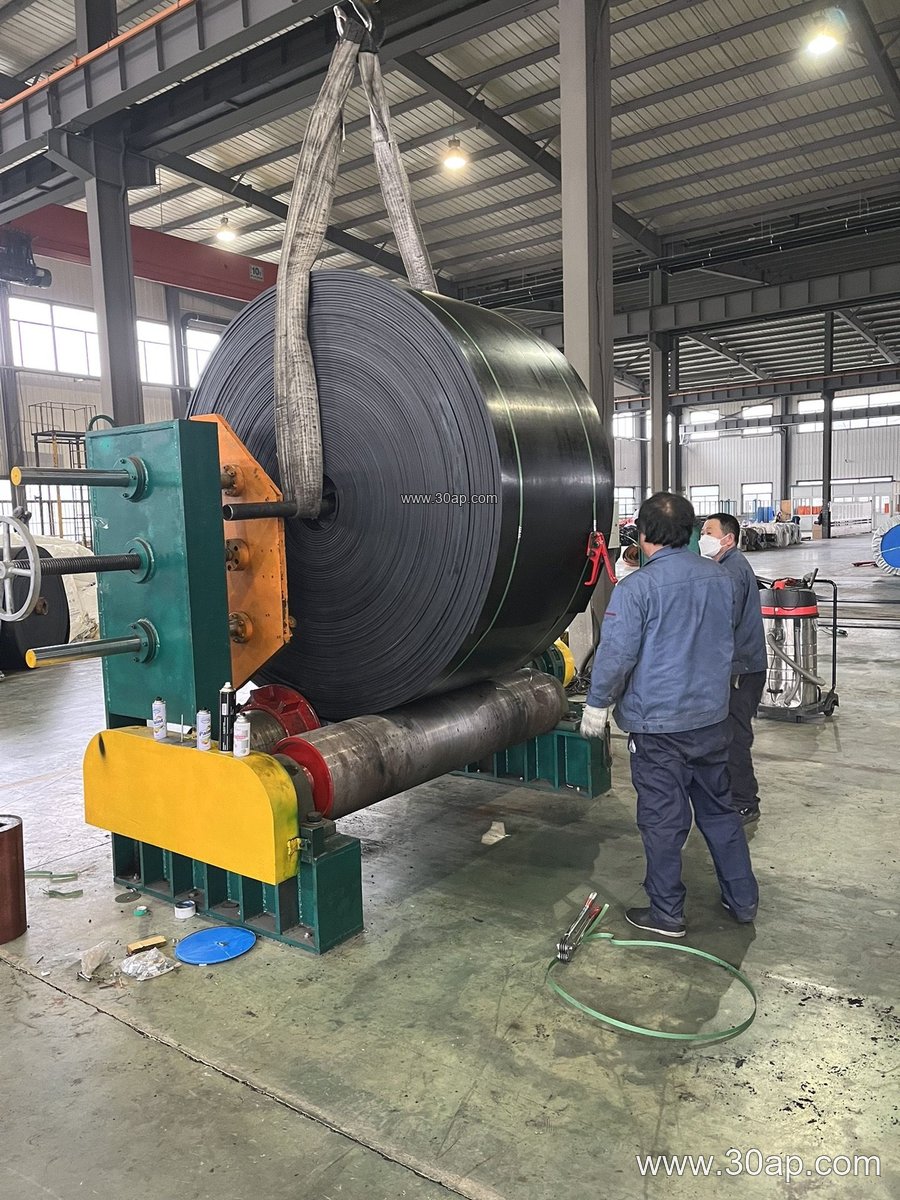
Where It Fits in the Plant
Nylon belts are widely used in mines, coal preparation plants, cement works, power stations, quarries, sand and gravel yards, and port bulk terminals. A typical application is a main haulage or transfer belt carrying crushed rock, clinker, ore, or aggregate at moderate to high tonnage. In a coal mining conveyor line, a flame retardant and anti-static version is often specified for underground service, while surface installations may favor a high abrasion resistant cover.
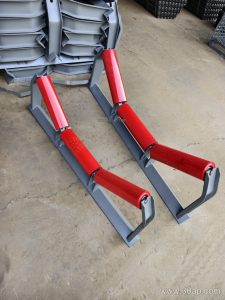
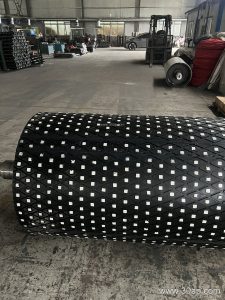
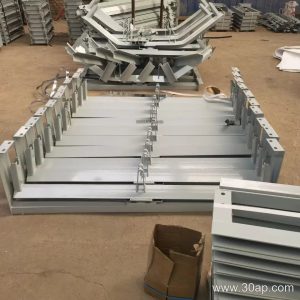
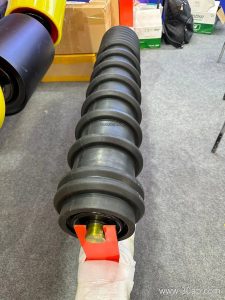
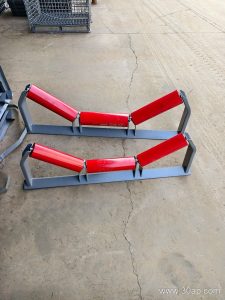
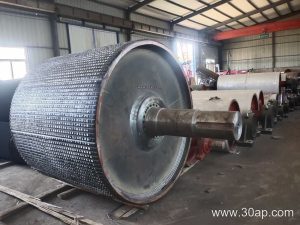
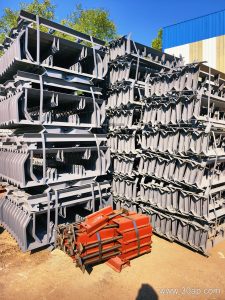
On the conveyor itself, the belt works with idler rollers that support the load, a drive pulley that transmits motion, a tail pulley at the loading end, and bend pulleys that guide the return path. Conveyor brackets and frames hold these components in alignment. The belt is only one part of the system, so matching it to the pulley diameters, trough angle, and loading conditions matters as much as the strength grade itself.
Specification Snapshot
| Item | Typical range (reference) |
|---|---|
| Strength grade | NN300 (300 N/mm) |
| Number of plies | 2 to 6 |
| Belt width | B500 to B2000 |
| Cover thickness | 3+1.5, 4+2, 5+2, 6+2, 8+3 mm |
| Cover compounds | Abrasion, heat, oil, flame, cold, acid, anti-static |
Values vary between manufacturers and should be confirmed against the actual data sheet for the order.
Selection and Use Notes
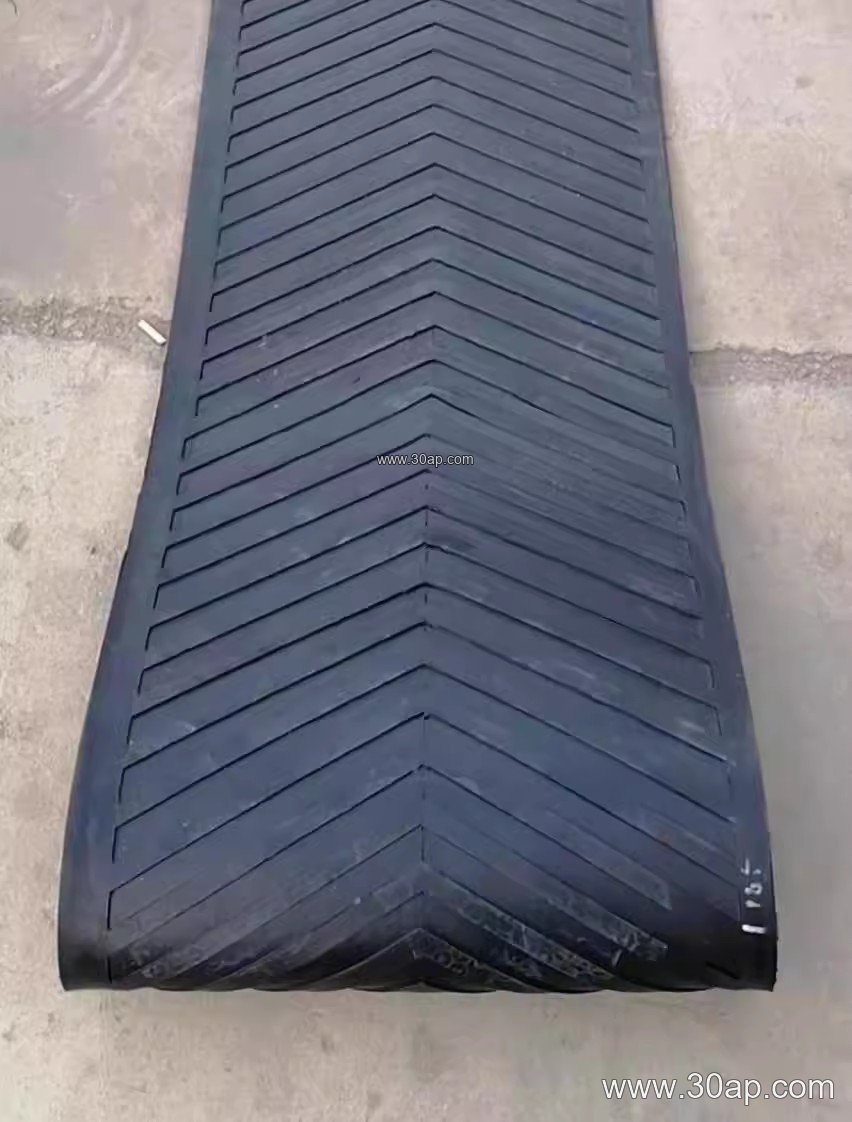
Choosing an NN Conveyor Belt starts with the peak tension the conveyor will see, not just the average load. The designer checks the number of plies, the cover grade, and the splice method together. Nylon belts take up elongation over time, so adequate take-up travel should be allowed. On inclined sections, a chevron or corrugated sidewall design may be considered when material tends to roll back, but those are separate constructions and not replacements for a flat NN300 belt.
During operation, keep the belt centered, avoid over-tensioning, and inspect the edges and splices regularly. Worn idler rollers or a misaligned bend pulley can shorten belt life quickly. Store spare belts flat and away from direct sunlight, and follow the maker’s splicing instructions for the best service life.