What the PVG800S Conveyor Belt Is
The PVG800S Conveyor Belt is a solid-woven, PVC-based conveyor belt with a rubber-covered surface, widely specified for underground coal mining and other demanding bulk material handling duties. In the PVG family, the number 800 refers to the nominal tensile strength class, while the S suffix denotes a specific construction variant within that class. Buyers often meet it under the equivalent name PVC/PVG solid woven conveyor belt, or simply PVG800 conveyor belt, and it is frequently grouped with flame retardant conveyor belt products used in coal mining conveyor belt systems.
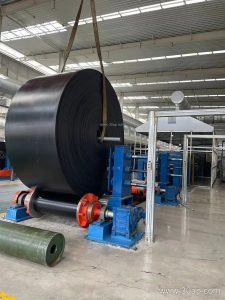
Unlike a Multi-Ply Fabric Core Conveyor Belt or a Steel Cord Conveyor Belt, the PVG800S uses a solid woven carcass impregnated and coated with PVC, finished with rubber covers on both faces. This construction gives a thin, flexible profile with good troughability, strong resistance to cutting and impact, and dependable flame retardant performance for underground mining conveyor belt service.
Construction and Typical Parameters
The carcass is a single solid woven fabric, so the belt behaves as one integrated body rather than as stacked plies. The rubber covers protect the weave from abrasion and moisture, while the PVC impregnant adds stiffness and fire resistance. Because the belt is often used on long underground conveyors, splicing quality matters as much as the belt itself; the solid woven design supports stepped or finger splices that keep the joint strong and flat.
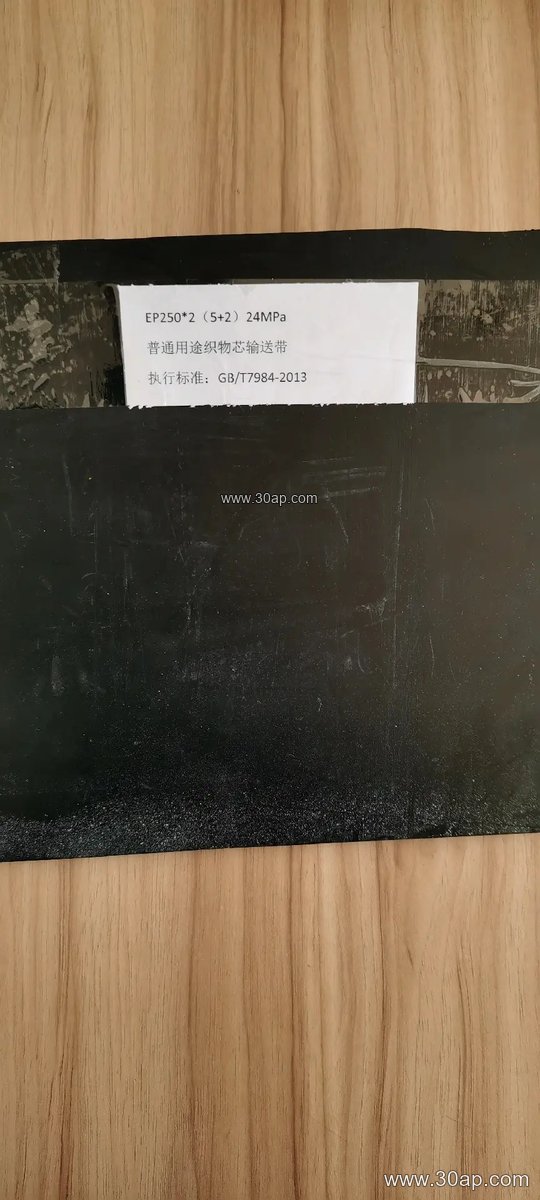
Reference values for this class are shown below. They are typical ranges for orientation only, and actual figures should be confirmed with the manufacturer for each order.
- Strength class: nominal 800 N/mm range, PVG800 series
- Belt widths: commonly B800, B1000, B1200, and B1400, with wider options by design
- Cover thickness: often 3+1.5 mm to 6+2 mm, depending on abrasion and impact
- Surface forms: plain, or with chevron and patterned covers where incline grip is needed
- Properties: flame retardant and anti-static versions for underground coal service
Where a conveyor needs extra tear protection or higher tension, an EP Conveyor Belt or a steel cord belt may be compared during selection, but those are different constructions and are not substitutes for the PVG800S in flame retardant underground work.
Where It Fits in the Plant
The most common home for this belt is underground coal mining, where flame retardant and anti-static behavior are essential. It also appears in coal preparation plants, power plant coal handling, cement plants, and quarry or aggregate operations that need a robust, cut-resistant belt on relatively compact pulley centers.
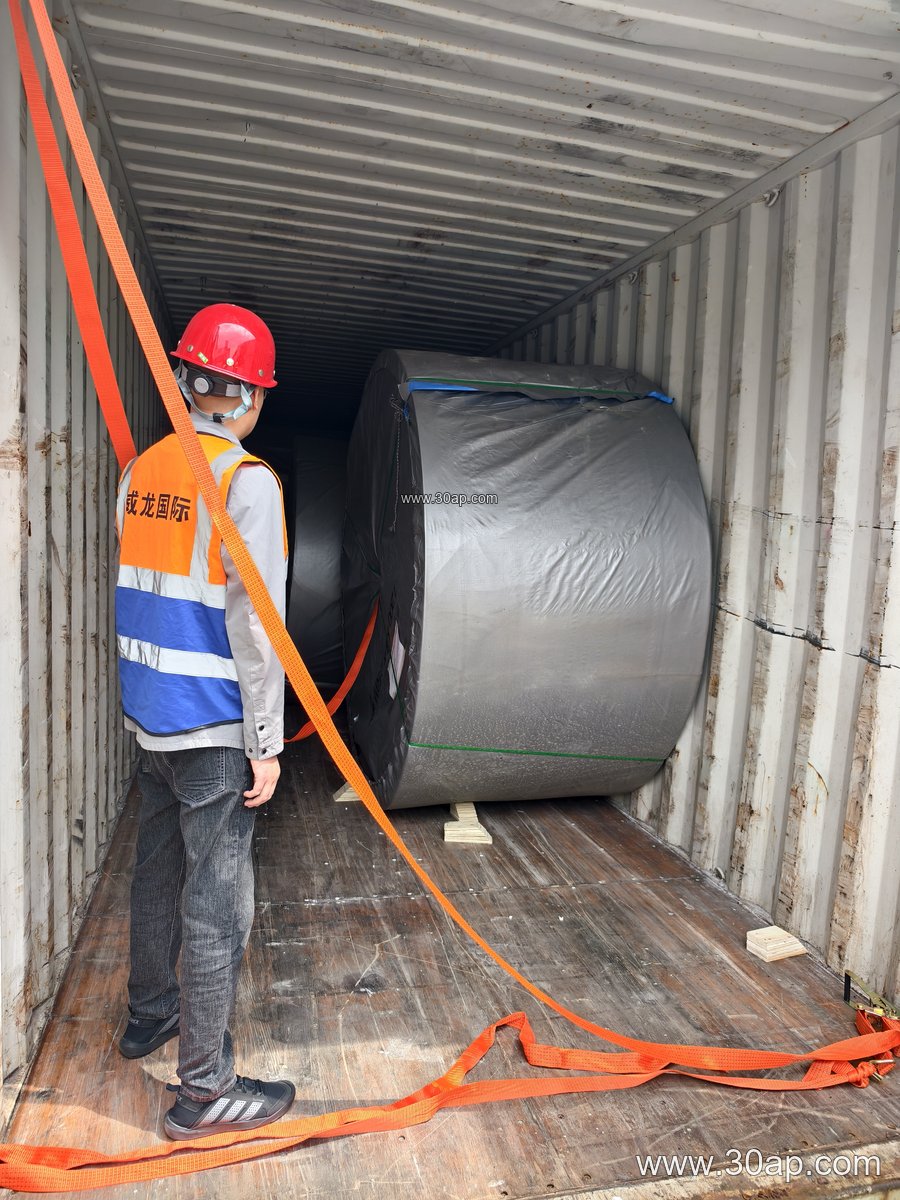
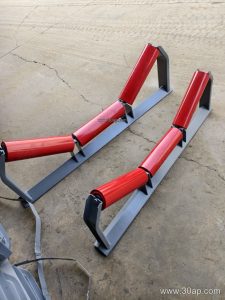
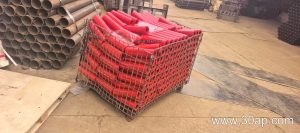
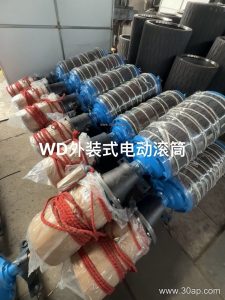
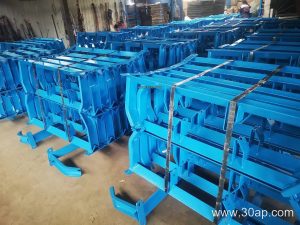
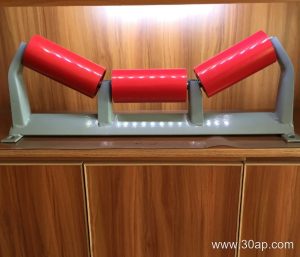
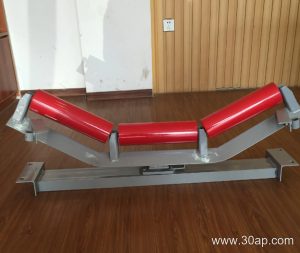
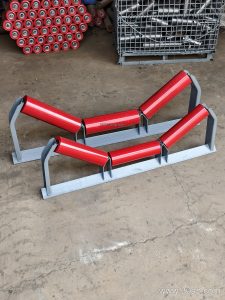
In these systems the belt runs over conveyor pulleys, idler rollers, and conveyor brackets that must be matched to the belt width and load. Drive pulleys, tail pulleys, and bend pulleys each perform a different job, and none of them can be treated as an interchangeable name for another. Correct alignment of idlers, pulleys, and brackets keeps the PVG800S tracking well and extends cover life.
Selection and Maintenance Notes
When specifying, confirm the tensile class, belt width, cover thickness, and required flame retardant or anti-static grade against the actual conveyor design. Belt width does not dictate one fixed pulley diameter, and shaft sizes must be calculated from the drive and load, not guessed from width alone. For inclined sections, a Chevron Conveyor Belt or a Corrugated Sidewall Conveyor Belt may be considered, but the main subject here remains the PVG800S.
Routine checks should cover cover wear, edge damage, splice condition, and material buildup on idler rollers and pulleys. Keep the belt tension within design limits, and inspect the return side for trapped debris that can cut the covers. With sensible selection and regular inspection, the PVG800S Conveyor Belt delivers reliable service in coal mining and other heavy bulk handling environments.