Understanding the Terminal Conveyor Idler
A terminal conveyor idler is a specialized roller assembly installed near the discharge or feed end of a belt conveyor. Its primary role is to support the conveyor belt as it transitions onto or off the head pulley or tail pulley, maintaining proper belt tracking and minimizing material spillage. Unlike standard carrying idlers that run along the entire length of the conveyor, this idler is positioned at the extreme ends where belt tension and load conditions change rapidly. In quarry and aggregate operations, a well-chosen terminal idler helps prevent belt edge damage and reduces wear on the conveyor pulley.
This component is often referred to as an end idler or transition idler, but it should not be confused with drive pulleys, tail pulleys, or bend pulleys, which serve entirely different functions in the conveyor system.
Construction and Key Components
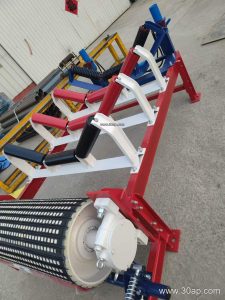
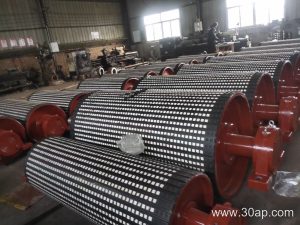
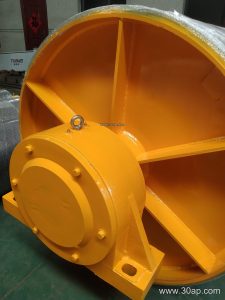
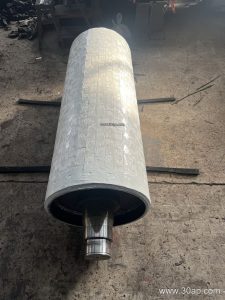
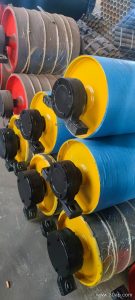
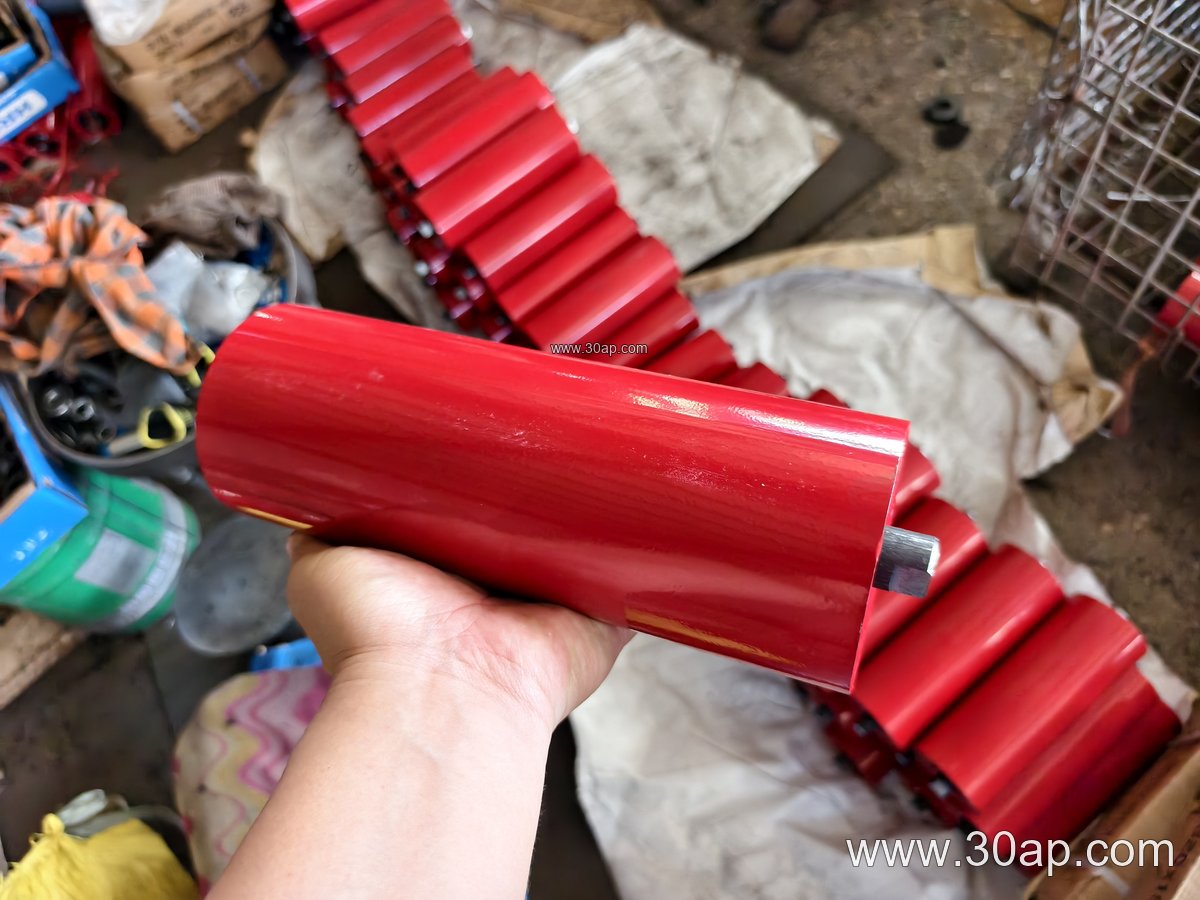
The terminal conveyor idler typically consists of a sturdy steel tube shell, precision bearings, and a sealing arrangement to keep out dust and moisture. The roller surface may be plain steel, nylon, rubber-covered, or ceramic-lined, depending on the material being handled. For abrasive bulk materials such as iron ore or cement clinker, a rubber disc or ceramic sleeve can extend service life. The shaft is usually made from cold-drawn steel and is fitted with bearing housings that are welded or press-fitted to the shell.
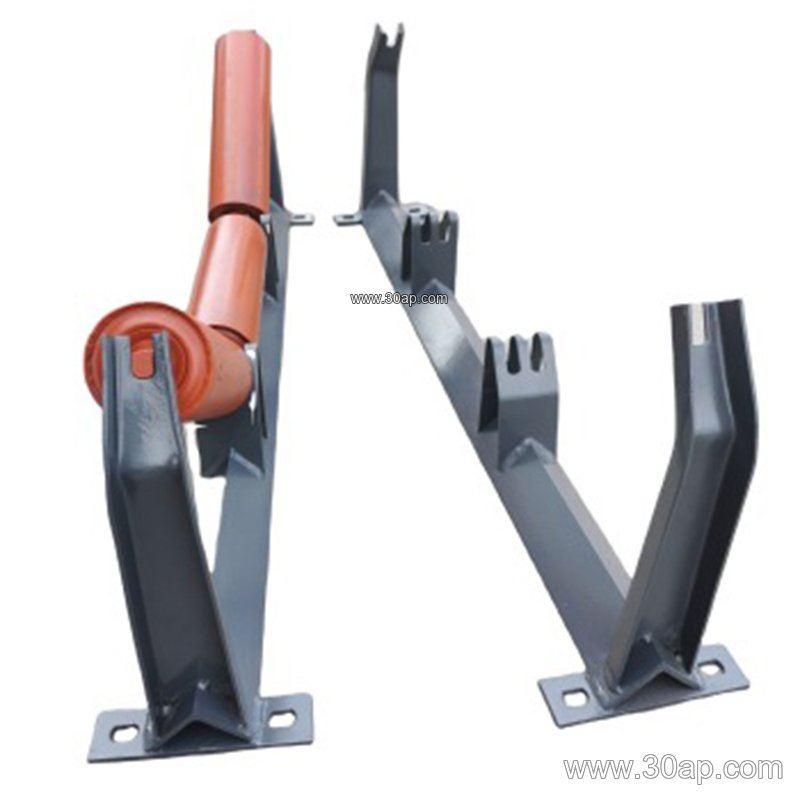
Common bearing sizes include 6204, 6205, 6305, 6306, 6308, and 6310, but the choice depends on the load and speed requirements, not on a fixed rule tied to belt width alone. The idler is mounted on a conveyor bracket that allows for height adjustment and alignment with the belt line.
Where Terminal Idlers Are Used
These idlers are critical in applications where the belt must change incline or transfer material to another conveyor. You will find them in cement plants at the transfer points between clinker coolers and belt conveyors, in power plant coal handling systems before the crusher house, and in port facilities where ship loading conveyors receive material from stackers. In underground coal mining, a terminal idler near the tail end helps guide the belt as it receives coal from a feeder breaker. The idler also plays a role in maintaining the profile of the conveyor belt, especially when using a chevron conveyor belt or a corrugated sidewall conveyor belt that requires stable support at the ends.
Common Configurations and Dimensions
Terminal idlers are often supplied as single-roll, two-roll, or three-roll troughing sets. The trough angle may be 20, 30, 35, or 45 degrees, and a slight forward tilt of about 1.5 to 2 degrees can be used for training purposes. Roller diameters commonly range from Ø63 mm to Ø219 mm, with Ø102, Ø127, and Ø159 being frequent choices for medium-duty belts. The roll length varies with belt width and trough configuration; for example, a three-roll troughing set might use approximately 315 mm rolls for a B800 belt, 465 mm for B1200, and 600 mm for B1600. These are typical examples, not mandatory matches, and side rolls may differ from center rolls.
| Belt Width (B) | Typical Roll Length (three-roll trough) | Common Roller Diameter Range |
|---|---|---|
| B500 | 200 mm | Ø63–Ø89 |
| B650 | 250 mm | Ø76–Ø108 |
| B800 | 315 mm | Ø89–Ø127 |
| B1000 | 380 mm | Ø102–Ø133 |
| B1200 | 465 mm | Ø108–Ø159 |
| B1400 | 530 mm | Ø127–Ø178 |
| B1600 | 600 mm | Ø133–Ø194 |
For wider belts such as B2000 or B2400, terminal idlers may use rolls of 750 mm or more, often with heavy-duty bearings and reinforced shells. The table above is for reference only; actual dimensions should be confirmed with the conveyor designer.
Selection Tips for Buyers
When specifying a terminal conveyor idler, consider the belt speed, material lump size, and environmental conditions. In dusty coal mining applications, a flame retardant conveyor belt may be used, and the idler seals should be effective against fine coal dust. For hot materials like cement clinker, a heat resistant conveyor belt is common, and the idler bearings should be rated for elevated temperatures. If the conveyor handles oily scrap or recycled material, an oil resistant conveyor belt may be paired with idlers that have oil-resistant seals.
Check that the idler mounting brackets match the conveyor frame and that the roller can be easily replaced during maintenance. The use of a vulcanized endless conveyor belt can reduce the need for frequent terminal idler adjustments because the belt has no splice to catch on the rollers.
For more information on related conveyor components, visit our site at www.example.com/conveyor-idler and www.example.com/terminal-idler. You can also learn about conveyor belt options at www.example.com/conveyor-belt.
Maintenance and Longevity
Regular inspection of terminal idlers should include checking for bearing noise, shell wear, and material buildup. In sand and gravel plants, fines can accumulate around the idler and cause misalignment. Cleaning the area and verifying that the idler rotates freely can prevent belt tracking problems. Replacing a worn terminal idler before it damages the conveyor belt is far more cost-effective than replacing the belt itself, especially when using high-strength conveyor belt or steel cord conveyor belt constructions.