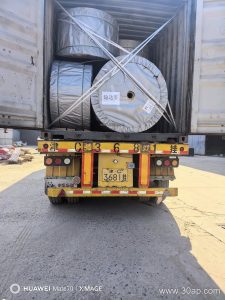
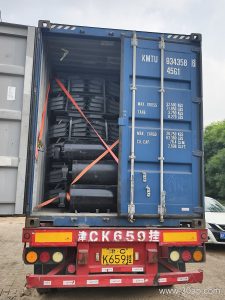
What an Ore Conveyor Belt Does
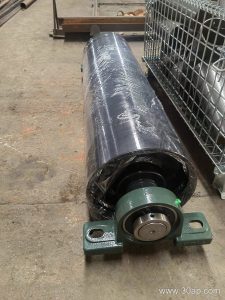
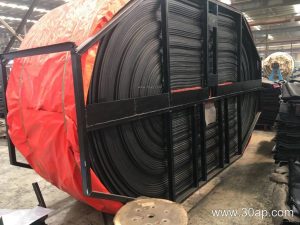
An ore conveyor belt is the load-carrying element of a bulk handling system that moves crushed rock, lump ore and mineral concentrates from one stage of a mine or processing plant to the next. It is a heavy-duty conveyor belt built for abrasive, dense and often sharp-edged material. In a typical circuit, the belt runs over a series of idler rollers, wraps around a head or drive pulley at the discharge end, and returns through a tail pulley and bend pulleys. Each of these components has its own job, and they are selected separately rather than swapped for one another.
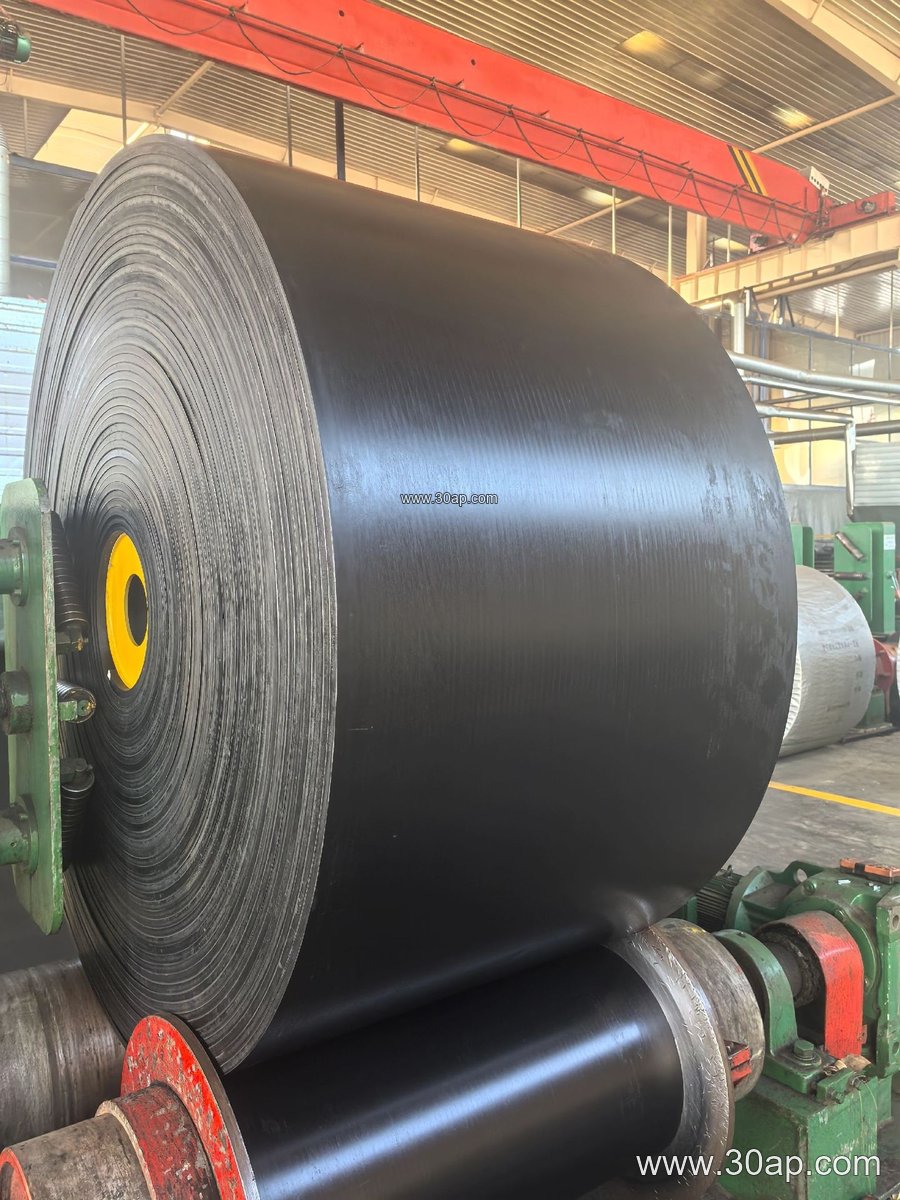
The belt itself is a composite: a tension-bearing carcass, top and bottom rubber covers, and often an edge treatment. The carcass carries the pull; the covers take the wear.
Construction and Common Configurations
Most ore duty belts use a fabric core or a steel cord core. Fabric carcasses are usually made of EP (polyester warp, polyamide weft) or NN (nylon/nylon) plies. Steel cord belts are chosen where the center distance is long and tensile demand is high. Cover rubber is formulated for the specific risk: abrasion, impact, heat, oil, flame, or cold.
- Carcass: multi-ply fabric core conveyor belt in 2 to 6 plies, or a steel cord construction for high strength.
- Top cover: commonly 3+1.5, 4+2, 5+2, 6+2 or 8+3 mm, with thicker covers for coarse, sharp ore.
- Surface options: plain, chevron conveyor belt profiles for inclined haulage, or corrugated sidewall and skirted designs where material must be contained.
Typical strength grades referenced in ore service include EP200 through EP2000 for fabric belts, and ST1000 through ST3150 for steel cord belts. Belt widths in mining and quarry work often fall between B500 and B2000, with B800, B1000 and B1200 being frequent choices for secondary and tertiary ore lines. These figures are reference points; final selection depends on tonnage, lump size, incline and the pulley arrangement.
Where Ore Belts Are Used
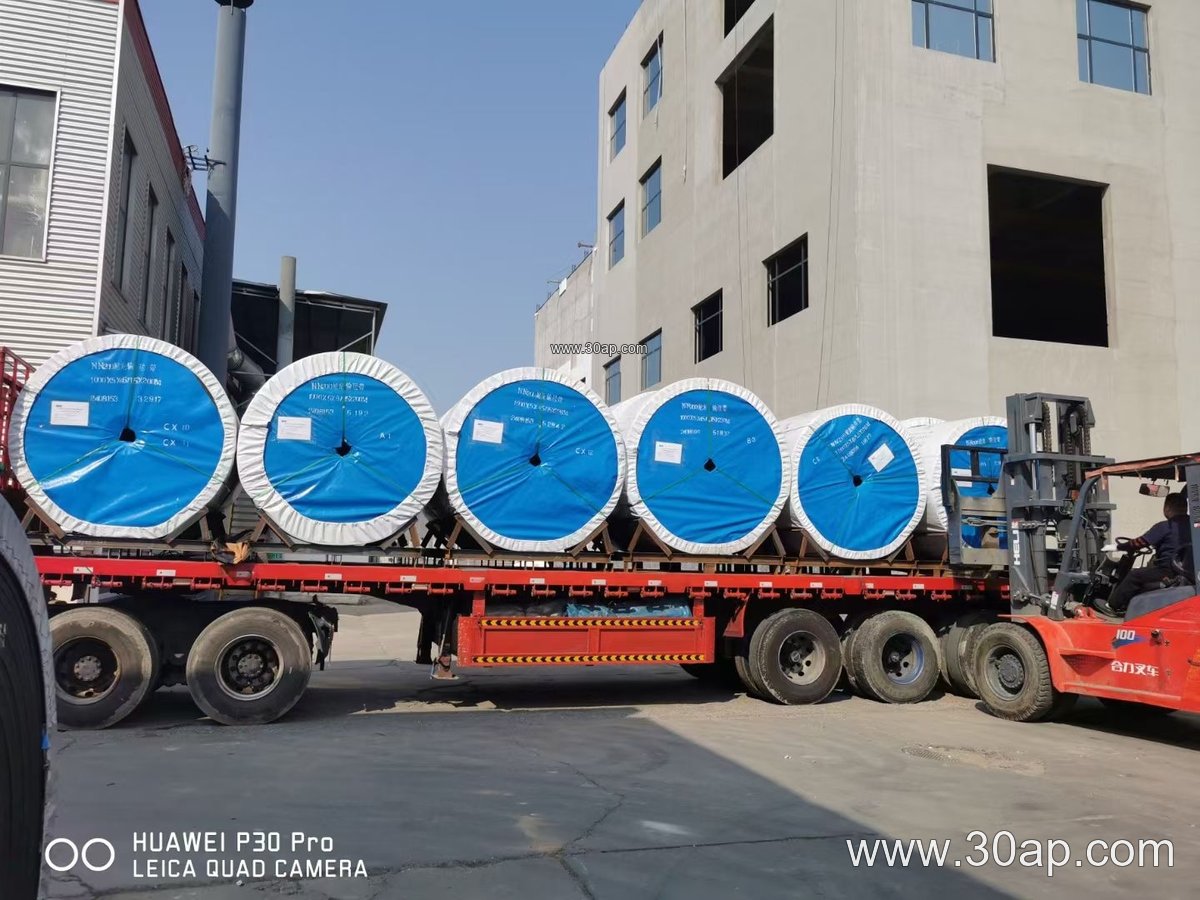
These belts appear across mining conveyor belt applications: iron ore conveyor belt lines at beneficiation plants, copper ore conveyor belt circuits at concentrators, and gold mining conveyor belt systems feeding mills. They also serve cement plants handling clinker and limestone, power plant coal yards, port ship loading conveyors, and aggregate and quarry conveyor belt operations. A crusher conveyor belt often needs high impact resistance at the loading point, while a bulk material conveyor belt on a long overland route may need low stretch and high strength.
Underground mining conveyor belt installations usually require flame retardant conveyor belt or fire resistant conveyor belt grades, and PVG conveyor belt constructions are common in coal mining conveyor belt service. Surface operations in cold regions may specify cold resistant conveyor belt compounds, while hot sinter or cement duty calls for heat resistant conveyor belt covers.
Buyer Checklist Before Ordering
Start with the material: lump size, moisture, temperature, oil content and abrasiveness. Then confirm the duty cycle and the conveyor geometry, including incline and pulley diameters. Belt thickness and flex resistance must suit the pulleys; a thick, stiff belt on a small pulley can crack or delaminate. Do not assume that a given belt width dictates a specific pulley diameter or shaft size — those come from the conveyor design, not from the belt alone.
- Specify carcass type and strength grade, for example EP1000 or ST1600.
- State cover thickness and grade: abrasion resistant, heat resistant, oil resistant, anti-static or flame retardant.
- Confirm belt width and edge condition, plus whether an endless conveyor belt splice is required on site.
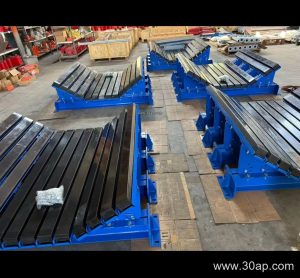
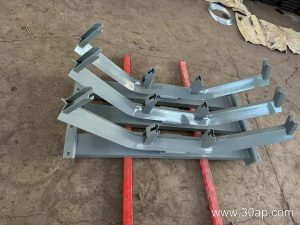
- Check compatibility with idler roller spacing, conveyor pulley lagging and conveyor bracket layout.
For high-abrasion ore, a high abrasion resistant conveyor belt cover usually pays back through longer life. For steep inclines, a chevron or corrugated sidewall belt reduces rollback. For dusty, explosive-risk environments, anti-static and flame retardant grades matter.
Installation and Maintenance Notes
Alignment is critical. A misaligned belt wears its edges and loads the pulleys unevenly. Inspect idler rollers for seizure, check pulley lagging for wear, and keep the belt cleaner working so carryback does not build up on the return side. Track cover wear at the loading zone, where impact and abrasion are highest; a impact resistant conveyor belt grade or a thicker top cover can extend service there.
Store spare belts flat and away from sunlight and ozone. When splicing, follow the belt maker’s step length and cure data. Record belt tension and re-tension after the first weeks of running.
Whether the plant is a mine, a coal preparation site, a cement works, a power station or a sand and gravel yard, the ore conveyor belt is the component that ties the flow together. Matching carcass, cover and conveyor hardware to the actual duty is what keeps that flow steady.