What the Ø152 Conveyor Idler Is
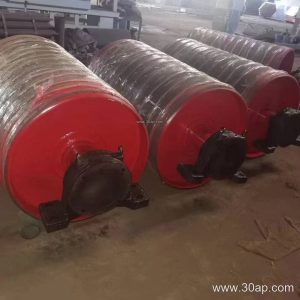
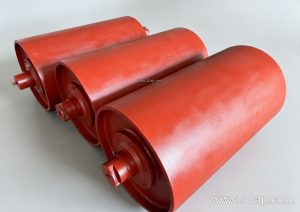
The Ø152 conveyor idler is a carrying roller with a nominal shell diameter of 152 mm, a size that sits between the common Ø133 and Ø159 units used on medium and heavy belt conveyors. In everyday plant language it is often called a 152 mm troughing roller or a 152 dia carrying idler. It supports the loaded side of the belt and rotates with it, so the belt runs on rolling contact instead of sliding over a fixed surface.
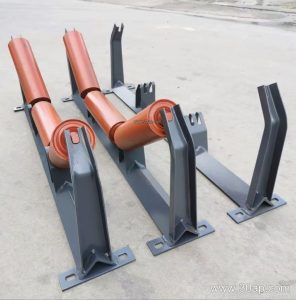
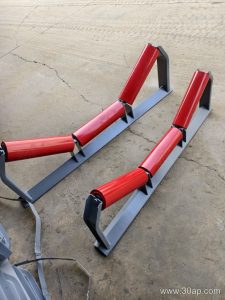
This diameter is frequently chosen where the belt is wide enough and the load heavy enough that a smaller roller would spin too fast or deflect too much. It appears in quarry and aggregate lines, cement plant reclaim systems, power plant coal handling, and iron ore or copper ore circuits. A three-roll troughing set in this size keeps a bulk material conveyor belt centred while the material rides in the trough formed by the rolls.
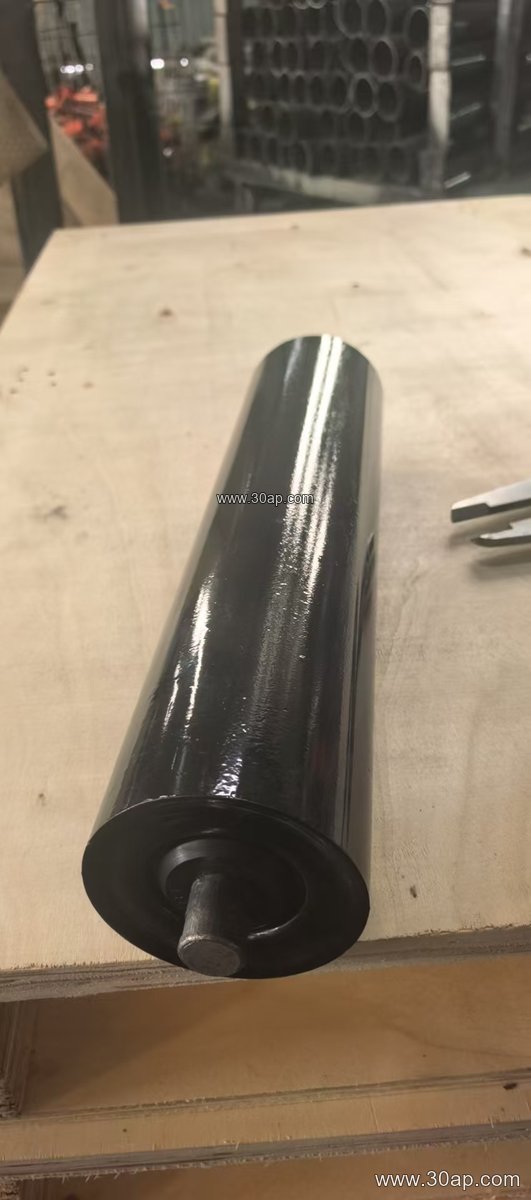
How a 152 mm Roller Is Built
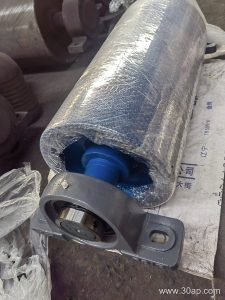
The body is normally a steel tube with machined ends, fitted with sealed ball bearings inside a pressed housing. Common bearing sizes in this class include 6305, 6306, 6308 and 6310, but the bearing is selected by load and speed rather than by diameter alone. Shaft ends are turned to fit the conveyor bracket, and the assembly is sealed against dust and water with labyrinth or contact seals.
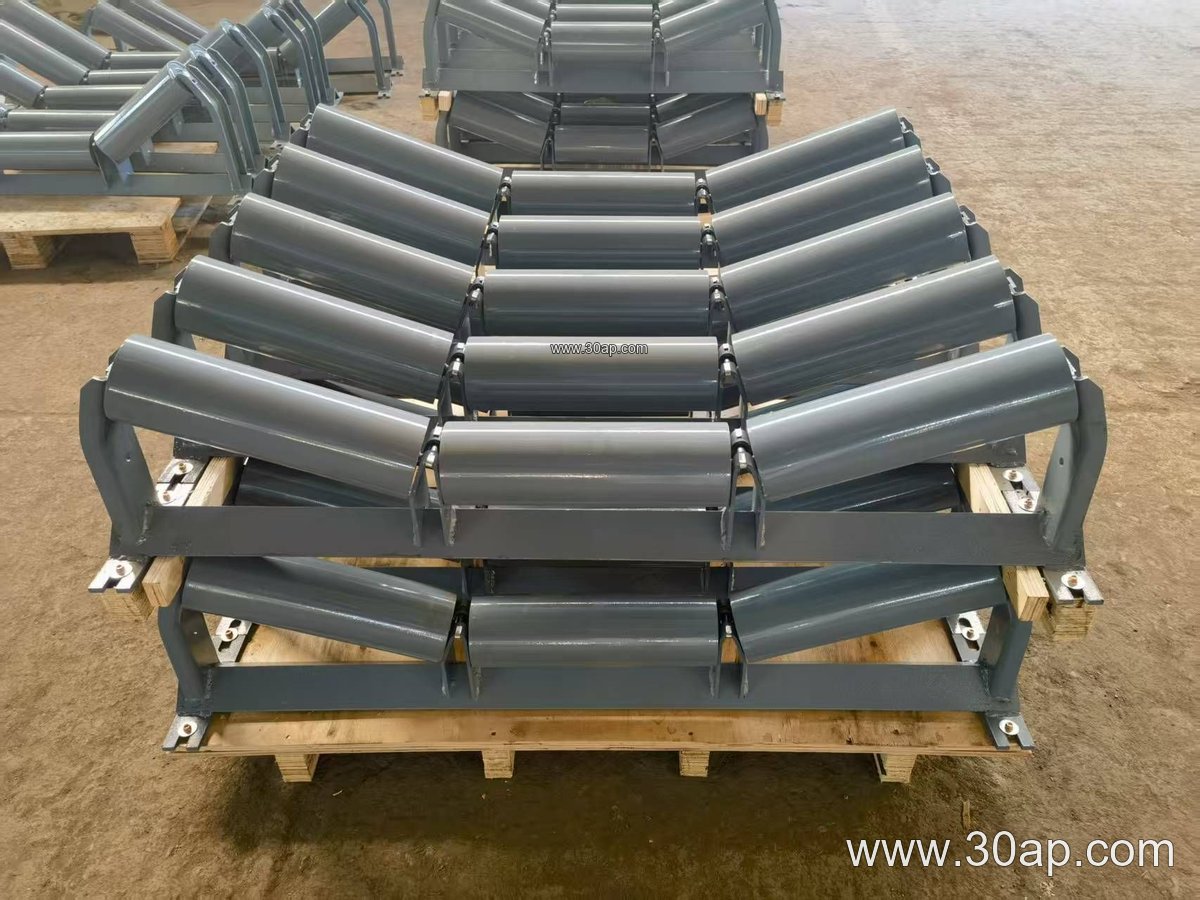
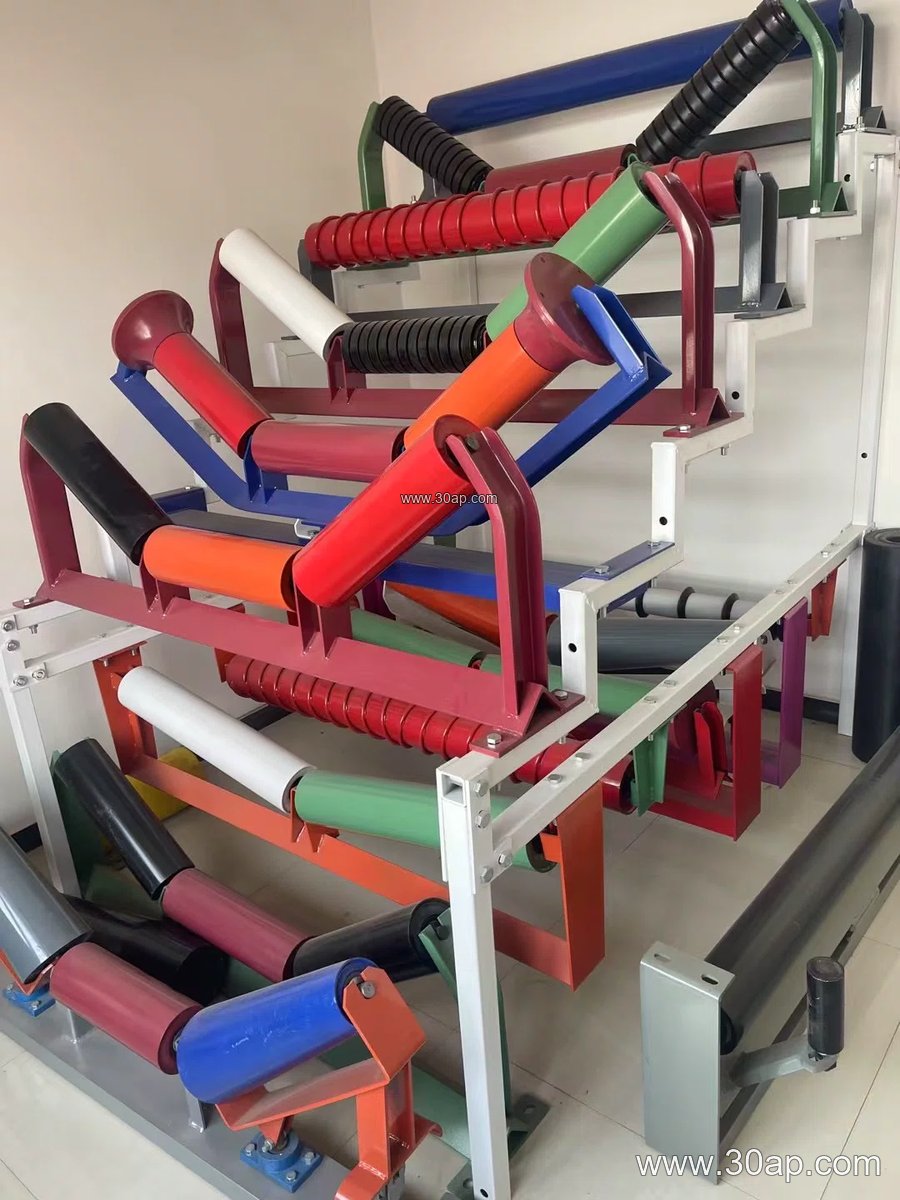
Shell options include plain steel, nylon, ceramic and rubber rings. Rubber rings are common in buffer positions under a loading point, where impact from lumpy ore or crushed rock would damage a plain shell. Ceramic or nylon covers may be used where sticky material builds up on the roll face. The shaft diameter is not fixed by belt width; it should be confirmed against the idler manufacturer’s load rating and the actual belt tension.
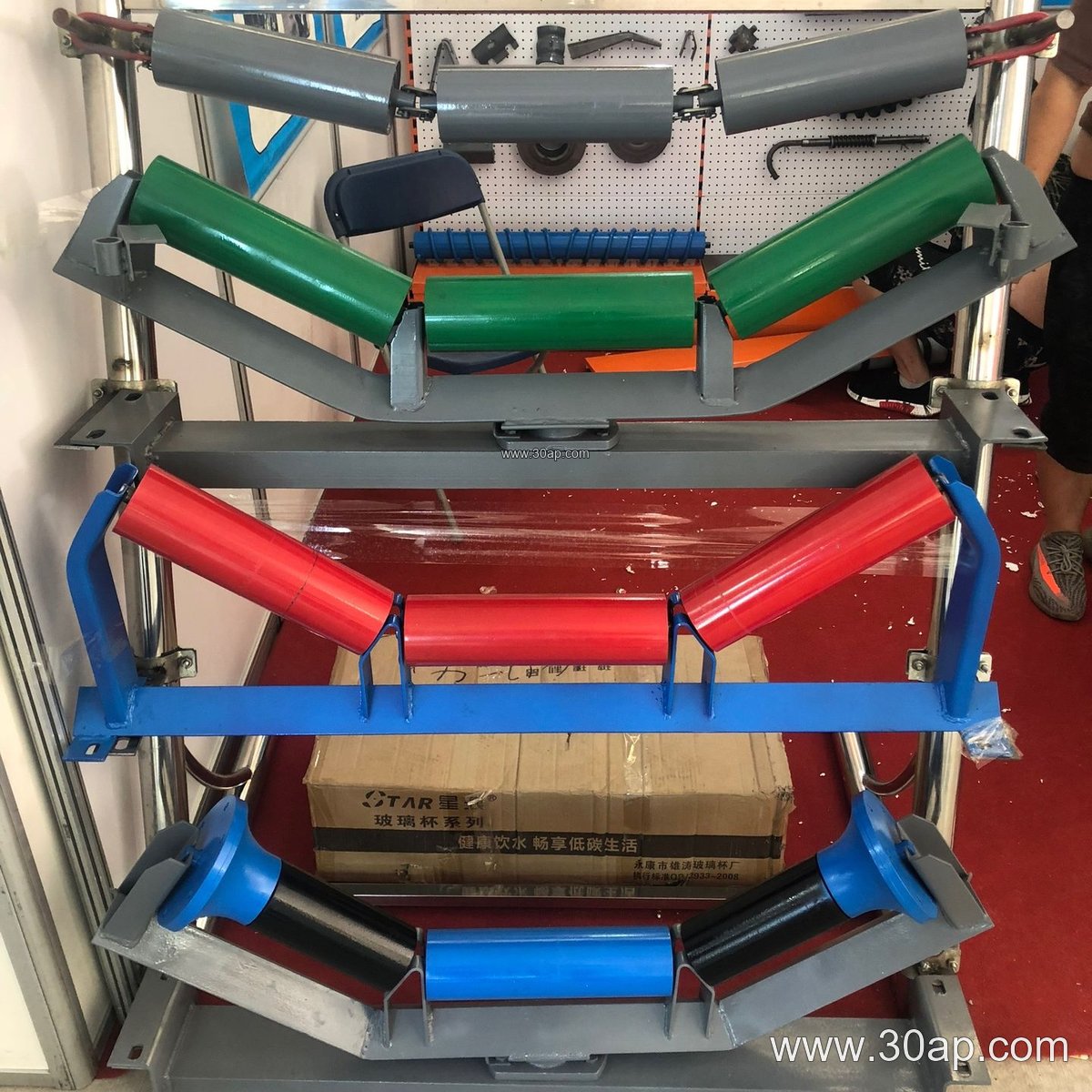
Where It Fits on the Conveyor
Most Ø152 idlers are used as troughing idlers on the carrying run, in two-roll or three-roll sets with trough angles of 20, 30, 35 or 45 degrees. A three-roll set on a wider belt may use roll lengths around 380 mm for B1000, 465 mm for B1200, 530 mm for B1400 or 600 mm for B1600, but these are typical examples and the side rolls and centre roll can differ. Return positions normally use a smaller roller, and a V-shaped return set is a different assembly from the carrying set.
Transition idlers are placed near the head and tail to ease the belt from flat to troughed. Training idlers, including friction and tapered self-aligning types, are separate components used to correct belt wander; they are not a substitute for a standard carrying roller. On a shiftable face conveyor in an underground coal mine, or on a fixed yard conveyor at a port, the same nominal size can be specified with different seals and shell finishes.
Selection Points a Buyer Should Check
- Belt width and trough angle, since these set the roll length and the roll arrangement.
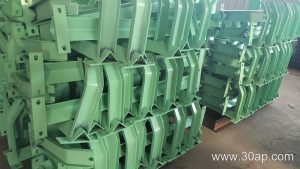
- Bearing class and shaft end detail, matched to the existing conveyor bracket.
- Shell material and whether rubber rings or a wear cover are needed at the loading zone.
- Sealing level for dusty, wet or washdown conditions.
- Whether the rolls are supplied as a complete set or as individual pieces.
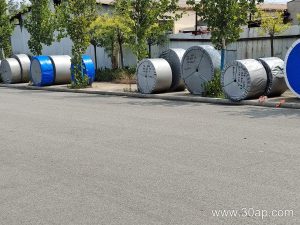
The belt itself matters too. A heavy-duty mining conveyor belt carrying coarse rock loads the rollers harder than a smooth EP conveyor belt moving sized aggregate. Where a steel cord conveyor belt runs at high tension, roller spacing and load rating deserve a closer look. Heat resistant conveyor belt and flame retardant conveyor belt installations may also call for specific bearing grease and seal choices, so the roller data sheet should be read alongside the belt specification.
Installation and Maintenance Notes
Align the brackets before tightening, check that all rolls in a set sit at the same height, and rotate each idler by hand after mounting. A roller that does not spin freely usually has a damaged seal or a dry bearing and should be replaced rather than greased in place. Keep the belt tracking straight, because a misaligned belt puts side load on the roller ends and shortens seal life.
Inspect periodically for shell wear, flattened spots and material build-up. On abrasive duty such as a crusher discharge or a sinter line, shell thickness can be checked at the same time as the belt covers. Spare rollers stored indoors and kept dry will last longer before installation. For a full conveyor system, the pulley, idler roller and belt should be reviewed together so that the Ø152 carrying idler is matched to the actual duty rather than to a catalogue page alone.