Understanding the Role of a Conveyor Bracket
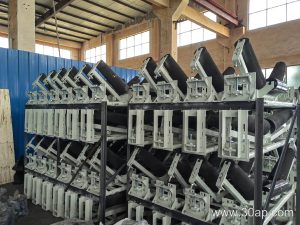
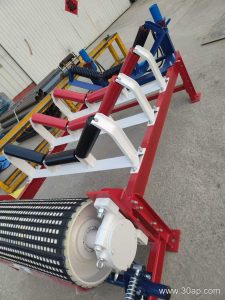
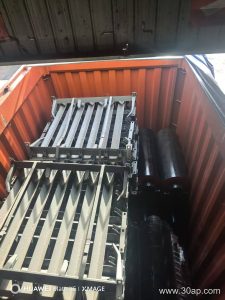
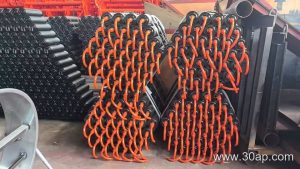
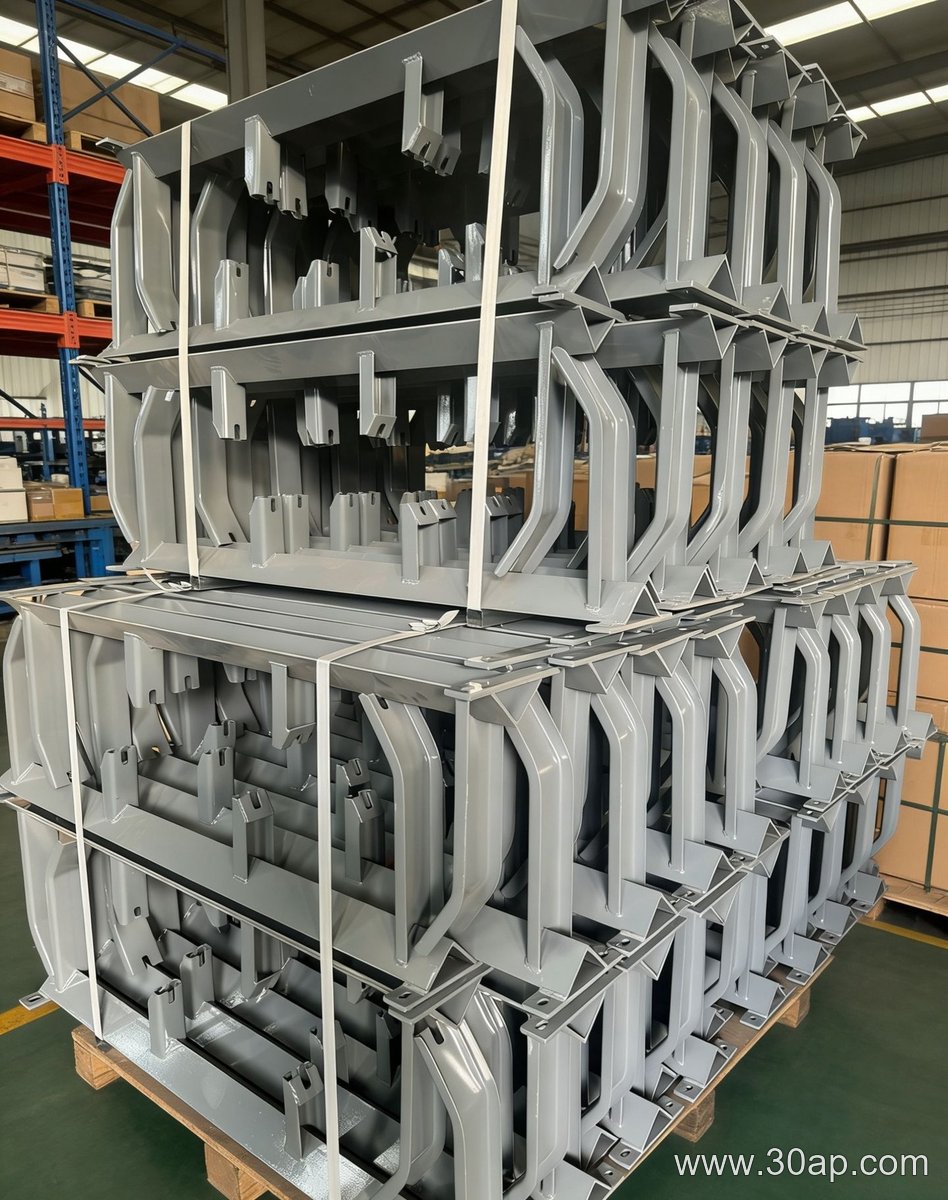
The conveyor bracket is a structural component that secures rollers, idlers, and belt support frames to the main conveyor stringer. Without a correctly rated bracket, even the best belt or chain will misalign, sag, or vibrate, leading to premature wear and costly downtime.
Key Selection Criteria
- Load capacity: Always match the bracket’s static and dynamic rating to your peak material weight, including impact surges at loading zones.
- Material and coating: Choose galvanized steel for outdoor or humid environments; stainless steel for food, chemical, or washdown applications.
- Adjustability: Look for slotted mounting holes or shim options to fine-tune roller height and belt tracking on site.
- Compatibility: Verify the bracket’s bolt pattern and center distance against your existing idler rolls and stringer profile.
Purchasing Advice for Long-Term Performance
Request dimensional drawings and fatigue test data from suppliers. Avoid universal “one-size-fits-all” brackets unless your conveyor speed is below 1 m/s. For high-speed systems, opt for precision-cast or laser-cut brackets with reinforced gussets. Also, order spare brackets for every ten installed—field replacements often happen at the worst time.
Why the Conveyor Belt Remains the Backbone of Bulk Material Handling
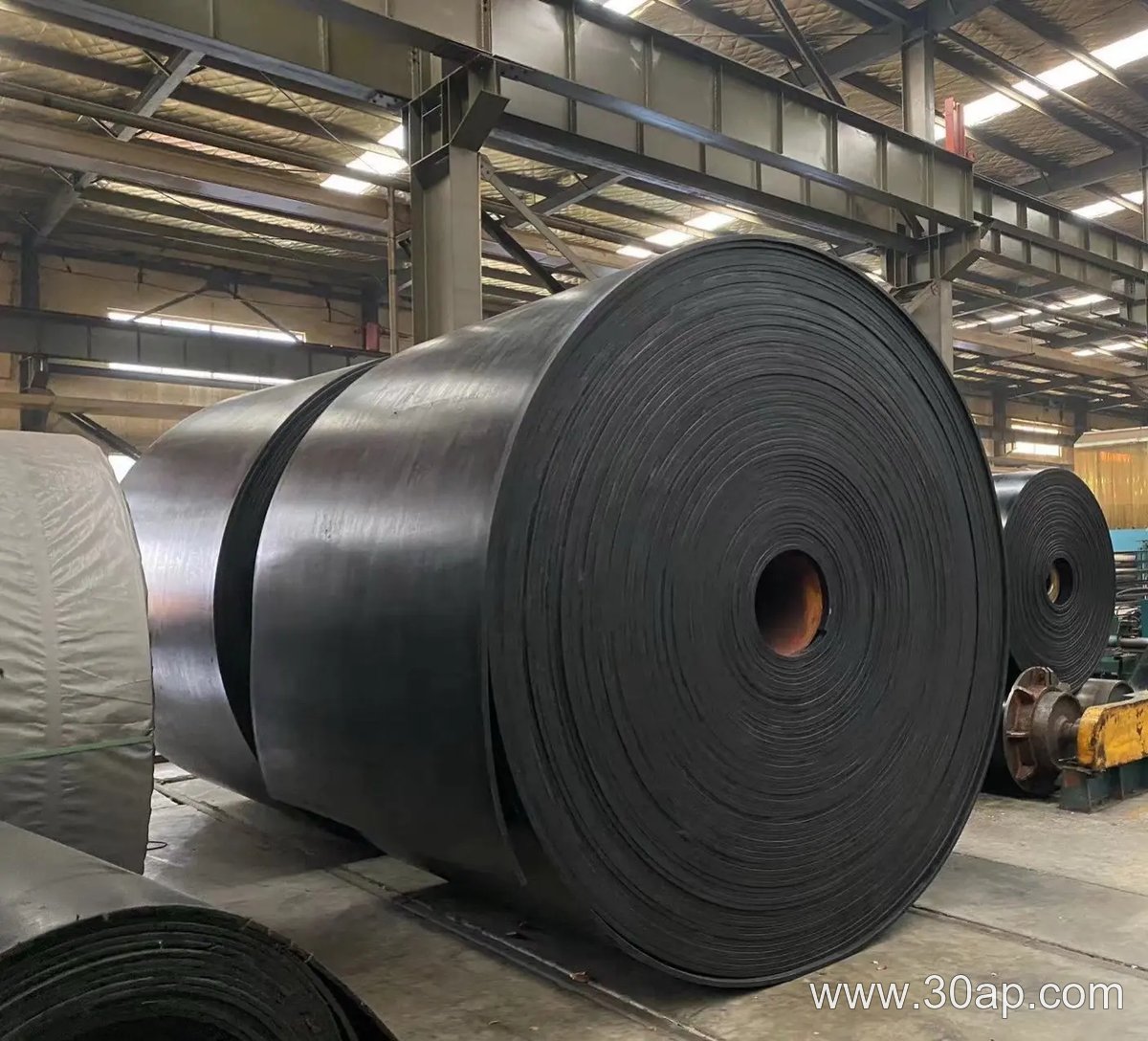
The conveyor belt is not just a moving surface; it is a precision-engineered system that dictates throughput, safety, and operational costs. Choosing the wrong belt leads to premature wear, spillage, and unplanned downtime.
Key Factors for Conveyor Belt Selection
- Material characteristics: Assess abrasiveness, temperature, oil exposure, and lump size to determine cover grade and carcass strength.
- Tension and load: Calculate belt width, ply or steel cord rating, and take-up travel to handle peak start-up and running tensions.
- Environmental conditions: For outdoor, wet, or dusty sites, select covers with UV, ozone, and hydrolysis resistance.
Purchasing Advice for Long Service Life
- Request dynamic splice efficiency data and confirm belt thickness meets impact requirements at loading zones.
- Specify a vulcanized splice for high-tension, long-center systems; use mechanical fasteners only for temporary or light-duty repairs.
- Always match belt troughability and idler spacing to manufacturer charts to avoid sagging and mistracking.
- Ask for a field trial or reference site with similar tonnage before committing to a custom compound.
Investing time in belt specification now reduces replacement frequency and keeps your line moving profitably.
Understanding the Idler Roller’s Core Role
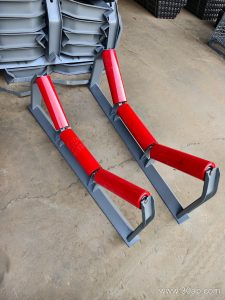
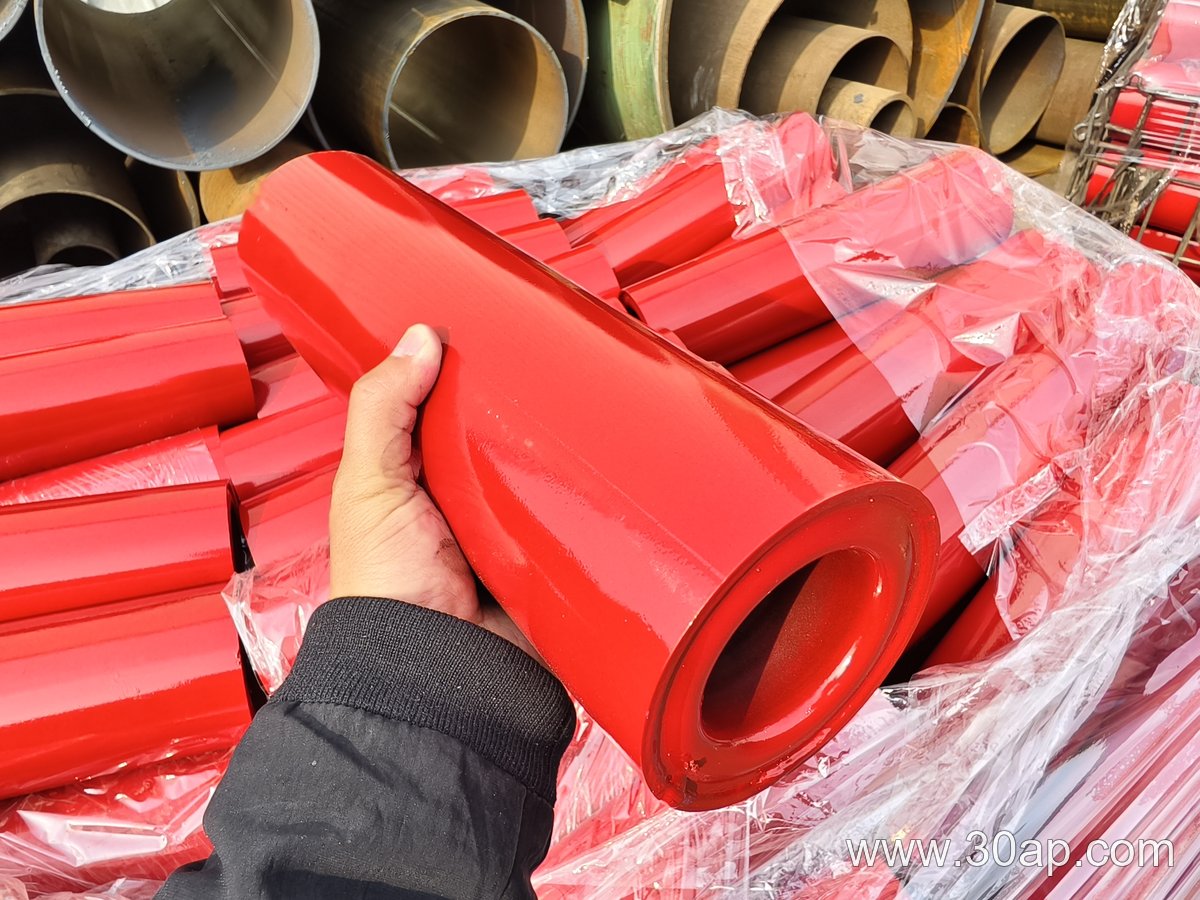
The idler roller is the unsung workhorse of any belt conveyor system. It supports the belt and material load, shapes the belt trough, and minimizes friction, directly impacting energy consumption and belt lifespan. Choosing the right idler roller is not a one-size-fits-all decision; it demands a careful evaluation of your operational environment, material characteristics, and belt speed.
Key Factors When Purchasing Idler Rollers
- Load and Belt Width: Match the roller’s diameter and wall thickness to the maximum load per idler station. Under-specifying leads to premature fatigue and belt damage.
- Material and Environment: For abrasive or corrosive materials, select steel rollers with sealed bearings and possibly rubber or polyurethane coating to reduce wear and noise.
- Roller Spacing and Trough Angle: Follow manufacturer guidelines for spacing based on belt sag (typically 1–2% of belt width). A proper trough angle (20° to 45°) ensures stable material containment.
- Bearing Type and Seals: Choose C3 clearance bearings for high-speed lines, and ensure effective labyrinth or contact seals to repel dust and water.
- Maintenance and Replacement: Prefer idler rollers with a standardized shaft end design for quick drop-in replacement. Check run-out tolerance (below 0.7 mm) to avoid belt tracking issues.
Practical Buying Advice
Always request life-cycle cost data from suppliers—not just the upfront price. A slightly higher-cost idler roller with superior seals and balanced rotation can cut downtime and energy bills by 15–20% over five years. Insist on a sample field test under your actual load before bulk ordering. Finally, verify that the roller’s shell thickness meets CEMA (Conveyor Equipment Manufacturers Association) standards for your application class, from CEMA B (light) to CEMA F (severe).
Why the Conveyor Pulley Dictates System Efficiency
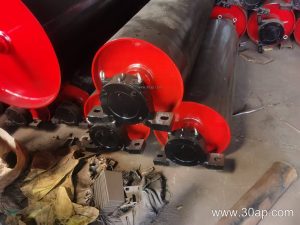
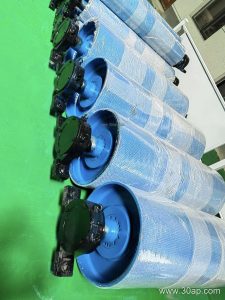
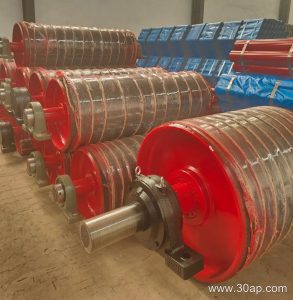
The conveyor pulley is not a passive roller; it is the critical drive and tension component that transfers torque to the belt and maintains proper tracking. A poorly chosen pulley leads to slippage, belt misalignment, and premature component failure.
Key Types and Their Applications
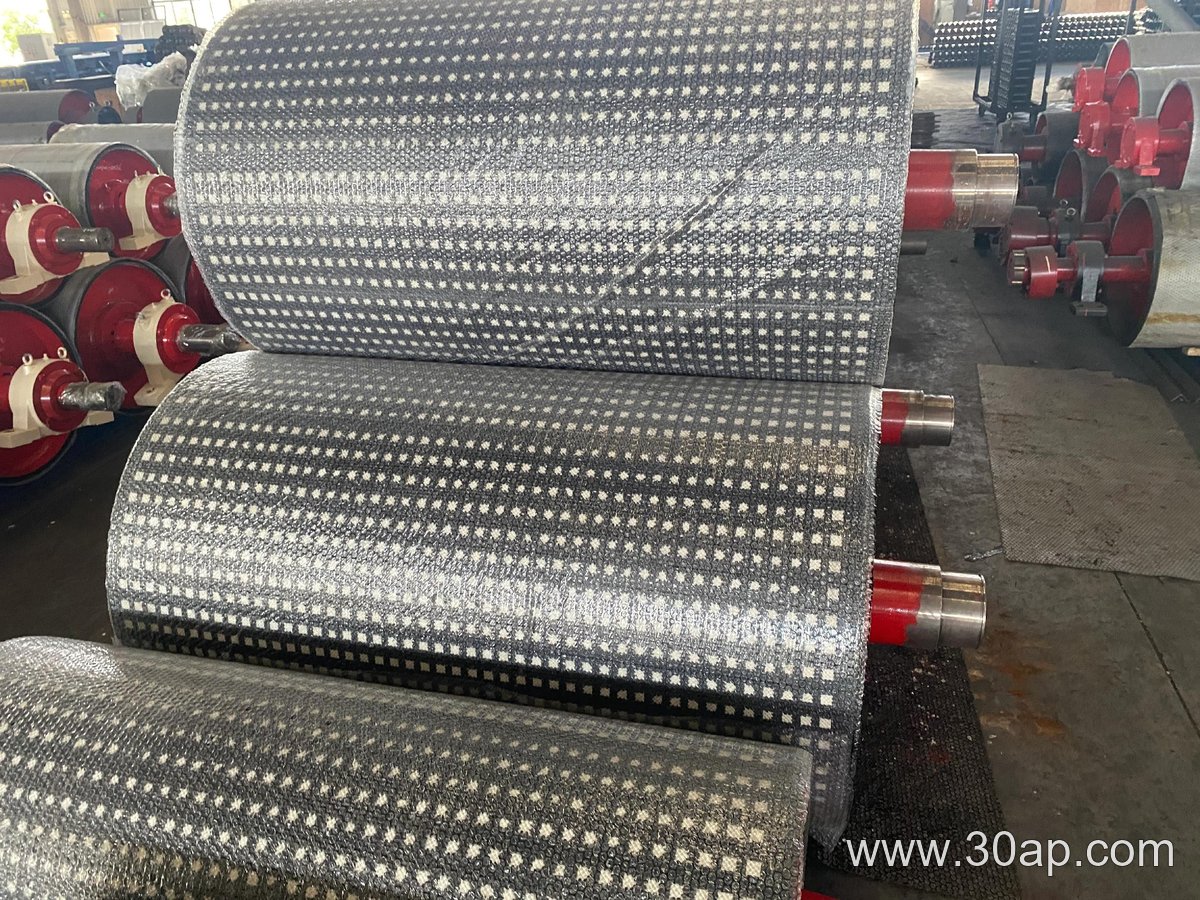
- Drive pulleys: Available in crowned or lagged designs to maximize friction and traction at the head end.
- Bend and tail pulleys: Change belt direction or provide tension, often with flat or wing profiles for self-cleaning.
- Snub pulleys: Increase belt wrap angle on the drive pulley for higher torque transmission.
Material and Construction Choices
Steel pulleys suit heavy-duty abrasive loads, while rubber-lagged pulleys are essential for wet or slippery conditions. For corrosive environments, specify stainless steel or epoxy-coated shells. Always verify the shaft diameter, hub type, and weld quality against your load and speed ratings.
Purchasing Advice for Engineers
- Calculate required face width and minimum pulley diameter based on belt tension and belt type—never guess.
- Request dynamic balancing for pulleys operating above 300 fpm to reduce vibration.
- Check the lagging hardness (Shore A 60–70) and grooving pattern for debris discharge.
- Confirm the bearing housing fit (Taper-Lock or QD) matches your maintenance schedule.
- Ask for a full dimensional drawing with concentricity and runout tolerances before ordering.
Invest in a certified pulley with a known crown profile and ceramic or diamond lagging when needed. A correct conveyor pulley extends belt life by up to 30% and cuts downtime—so prioritize engineering data over lowest price.