What a 2200mm Conveyor Belt Is
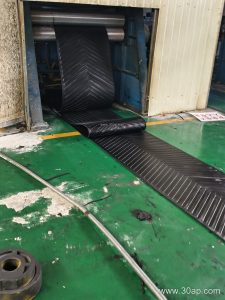
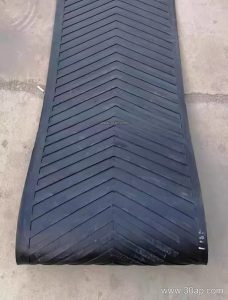
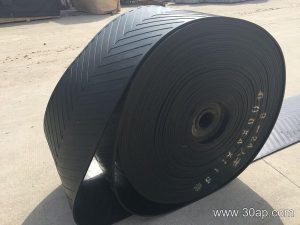
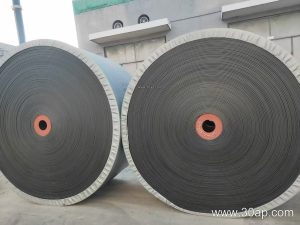
A 2200mm conveyor belt is a wide-format belt built for conveyor systems that need to move large volumes of bulk material in a single pass. With a nominal belt width of 2200 mm, it sits at the upper end of standard wide belt production and is often grouped with extra-wide conveyor belt designs used in mining, coal preparation, cement plants, power stations, ports and large quarry or sand and gravel operations. The width is not just a number on a drawing: it changes the load profile, the frame design, the pulley face width and the way the belt is supported along the line.
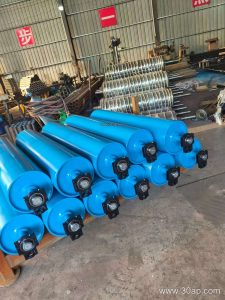
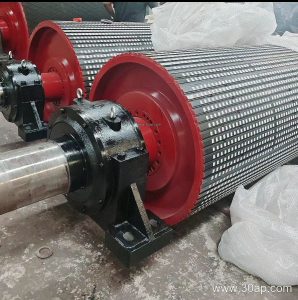
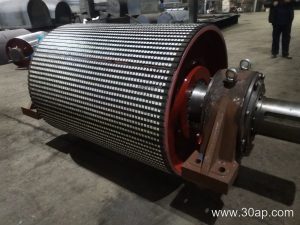
In practice, an extra-wide conveyor belt of this size is usually specified as part of a complete conveyor package, where the belt, idler roller sets, conveyor pulley and conveyor bracket are selected together. A 2200mm belt may appear in high-capacity overland conveyors, stockyard and ship loading systems, or transfer lines feeding crushers and screens.
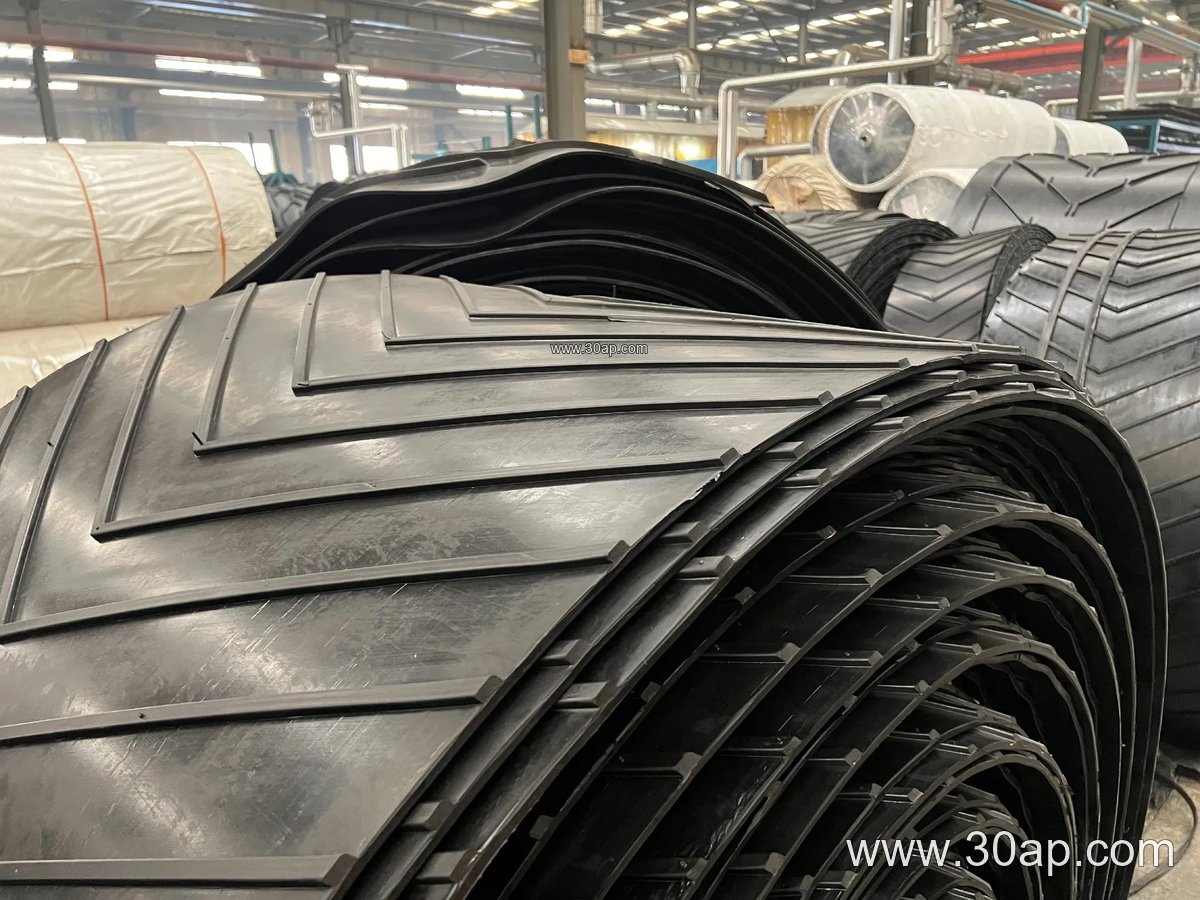
Construction and Common Belt Types
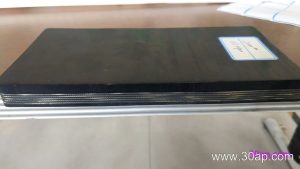
The 2200mm belt width can be produced in several carcass and cover constructions. The most common families include EP conveyor belt (polyester-nylon fabric core), NN conveyor belt (nylon-nylon), multi-ply fabric core conveyor belt, and steel cord conveyor belt. Each family has its own balance of tensile strength, elongation and splice behavior.
- EP conveyor belt: EP100, EP200, EP315, EP400, EP500, EP630, EP800 and higher grades are often quoted for general bulk handling.
- NN conveyor belt: NN100 to NN400 are common in medium-duty lines.
- Steel cord conveyor belt: ST1000 to ST3150 grades are used where long distances and heavy loads call for high strength.
- Special covers: abrasion resistant conveyor belt, heat resistant conveyor belt, flame retardant conveyor belt, oil resistant conveyor belt, cold resistant conveyor belt and anti-static conveyor belt.
Cover rubber thickness is normally stated as top plus bottom, for example 4+2 mm, 6+2 mm or 8+3 mm, and the carcass may use 2 to 6 plies depending on the duty. A 2200mm conveyor belt for a quarry conveyor or crusher conveyor often uses a high abrasion resistant cover, while a coal mining conveyor belt or underground coal mining conveyor belt may need flame retardant and anti-static properties.
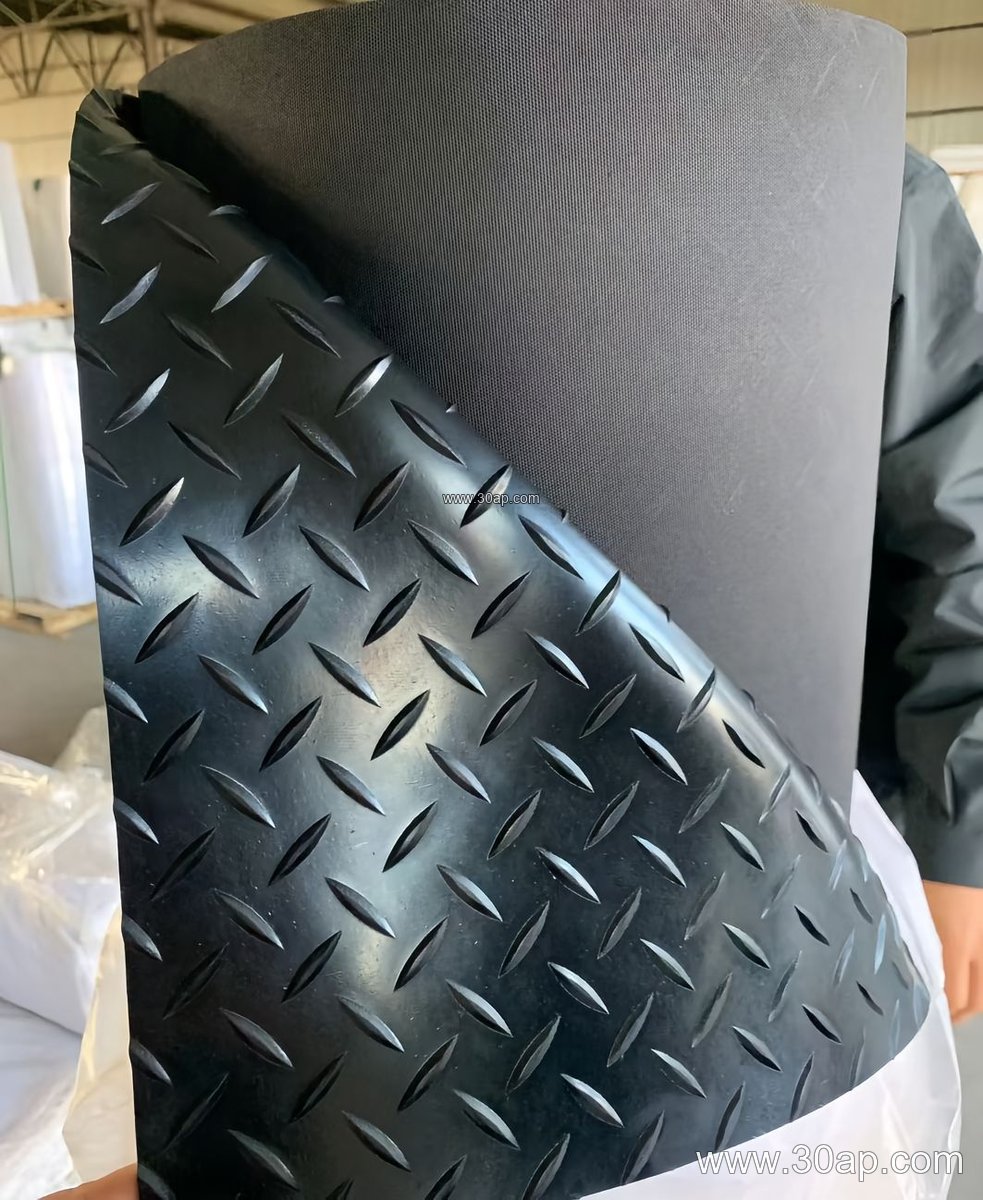
Where 2200mm Belts Are Used
Wide belts are selected when tonnage per hour is high and the conveyor route allows a wide frame. Typical applications include:
- Mining conveyor belt lines in iron ore, copper ore and gold mining operations
- Coal conveyor belt systems, including underground mining conveyor belt and underground coal mining conveyor belt duties
- Cement plant conveyor belt and power plant conveyor belt feeding and discharge lines
- Quarry conveyor belt, aggregate conveyor belt and stone crushing conveyor belt circuits
- Port conveyor belt and ship loading conveyor belt systems
- Bulk material conveyor belt transport in steel plants and recycling plants
In these settings the belt works with conveyor pulley assemblies, idler roller groups and support brackets that must match the 2200 mm face width. Drive, tail and bend pulleys are separate components with different duties, and none of them should be treated as interchangeable with another.
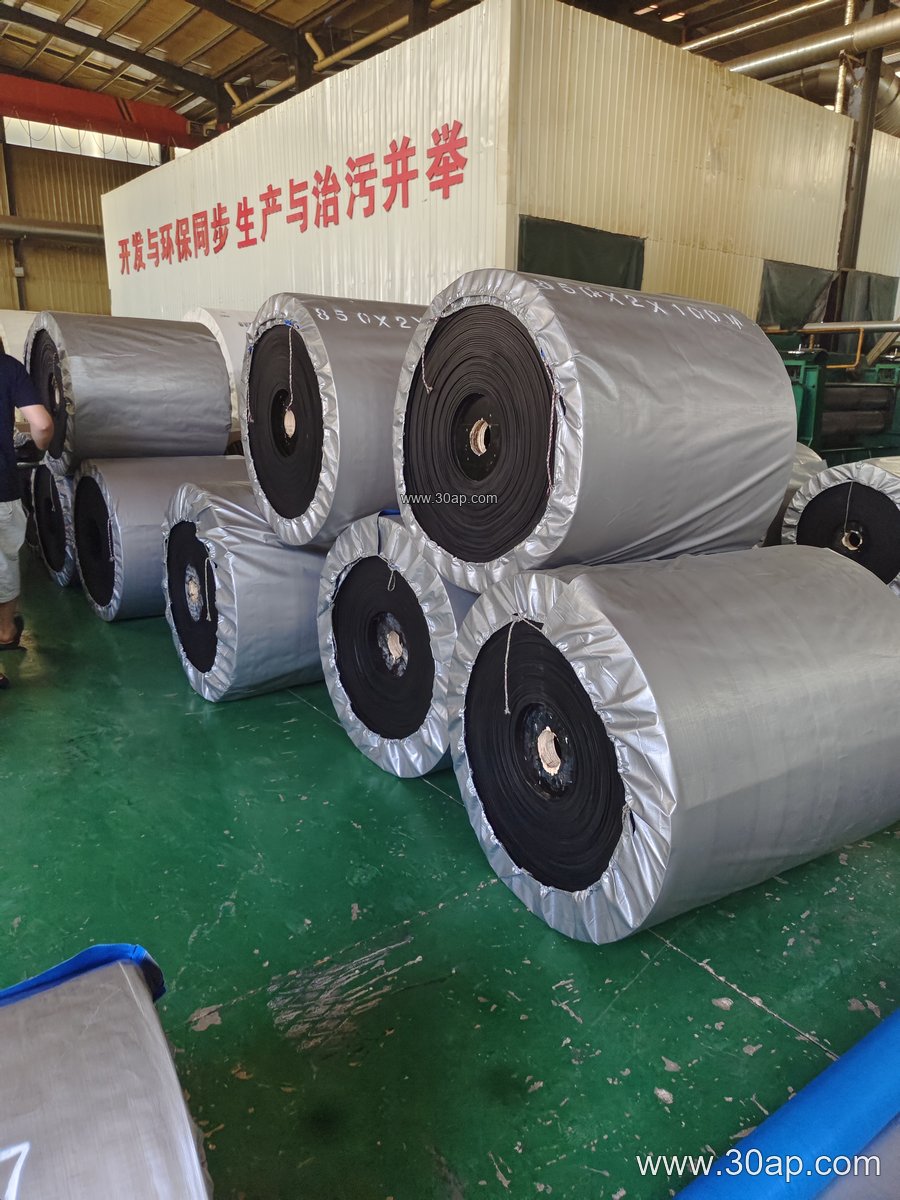
Specifications a Buyer Should Confirm
Belt width alone does not define a conveyor. The table below lists typical reference values that are usually agreed during design; actual values depend on the manufacturer and the conveyor calculation.
| Parameter | Common reference |
|---|---|
| Belt width | 2200 mm nominal |
| Carcass type | EP, NN, multi-ply fabric, steel cord |
| Strength grade | EP200 to EP2000; ST1000 to ST3150 |
| Cover thickness | 3+1.5, 4+2, 5+2, 6+2 or 8+3 mm |
| Ply count | 2 to 6 plies (fabric core) |
| Cover properties | Abrasion, heat, oil, flame, cold, anti-static |
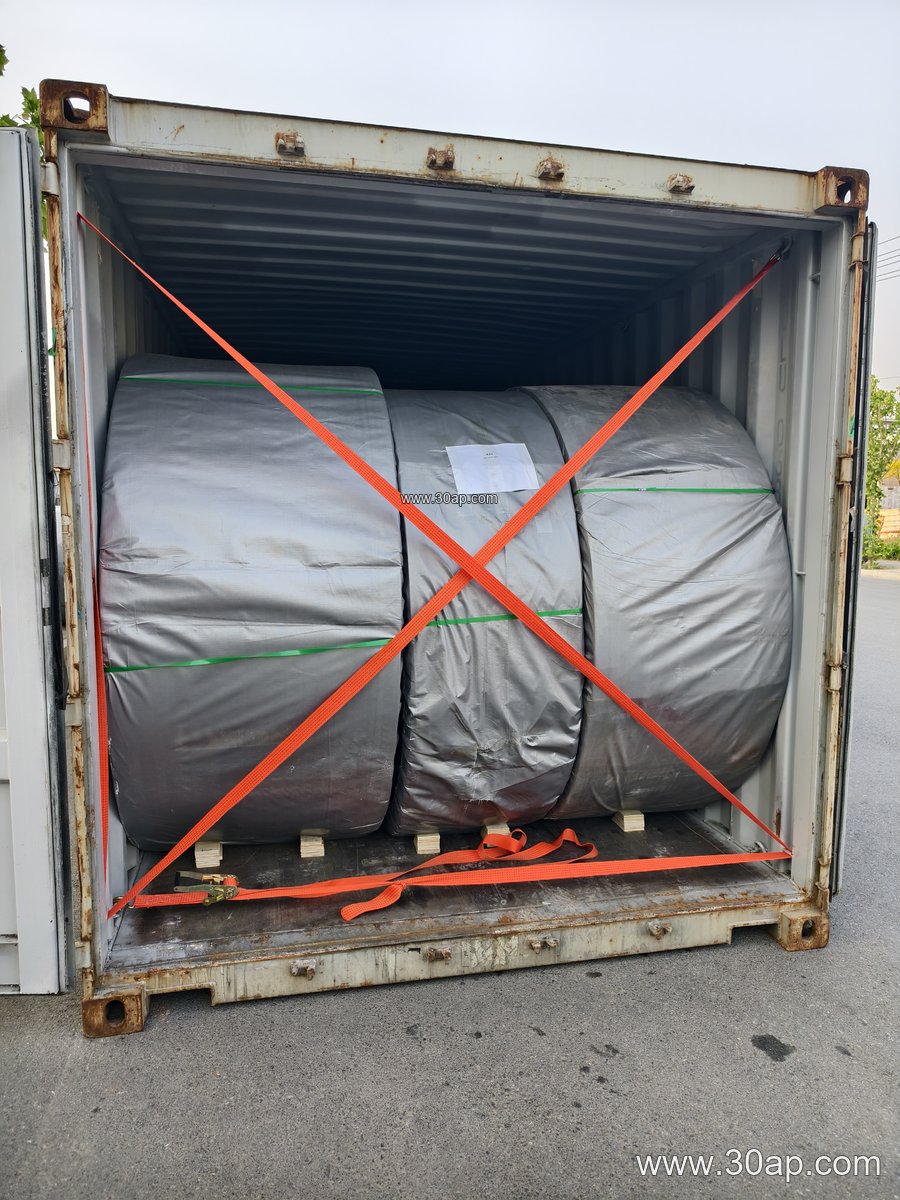
Buyers should also ask about splice method, edge condition, roll length and weight per meter, because a 2200mm conveyor belt is heavy and needs suitable lifting and installation equipment.
Selection and Maintenance Notes
For a wide belt, matching the conveyor pulley diameter, idler roller spacing and take-up travel to the belt’s flexibility and strength class matters. A belt that is too stiff for the pulley size can crack; a belt that is too soft for the load can stretch and mistrack. In dusty plants, skirted conveyor belt or corrugated sidewall conveyor belt designs can help contain material, but they are separate belt types and should be chosen on their own merits.
Maintenance checks usually include cover wear, edge damage, splice condition and tracking. Keeping the idler roller and pulley surfaces clean reduces belt wear, and checking conveyor bracket alignment helps avoid edge loading. For abrasive service such as a rock conveyor belt or ore conveyor belt, a thicker high abrasion resistant cover often extends service life more than a higher strength grade alone.
To summarize selection: define the material, tonnage, route and environment first, then choose carcass type, strength grade, cover compound and cover thickness. The 2200mm conveyor belt is a wide, high-capacity product, and the right specification is always the one that fits the whole conveyor design rather than the width alone.