What a Large Conveyor Pulley Is
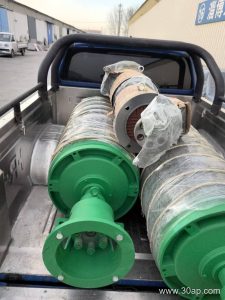
A large conveyor pulley is the heavy-duty cylindrical component that drives, tensions, or redirects the conveyor belt in bulk material handling systems. Unlike small pulleys used in light-duty lines, these pulleys are built with reinforced shells, robust shafts, and bearing assemblies to withstand high tension and continuous operation. In quarry and aggregate circuits, a large conveyor pulley often works alongside a heavy-duty mining conveyor belt and idler rollers to keep material flowing efficiently.
Construction and Key Components
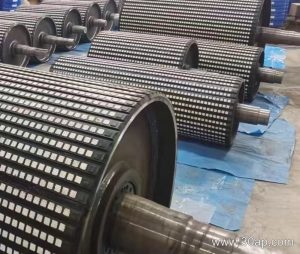
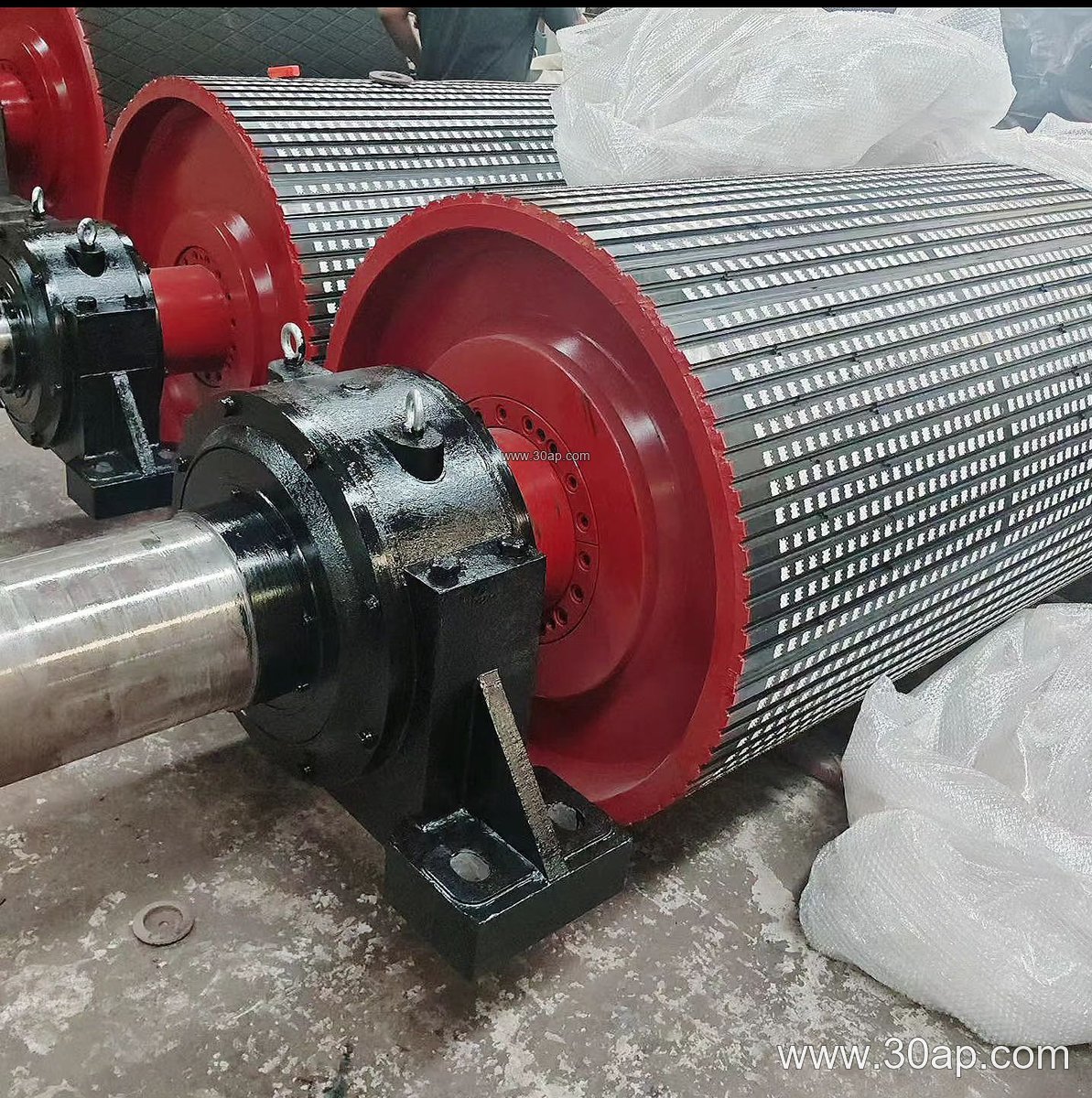
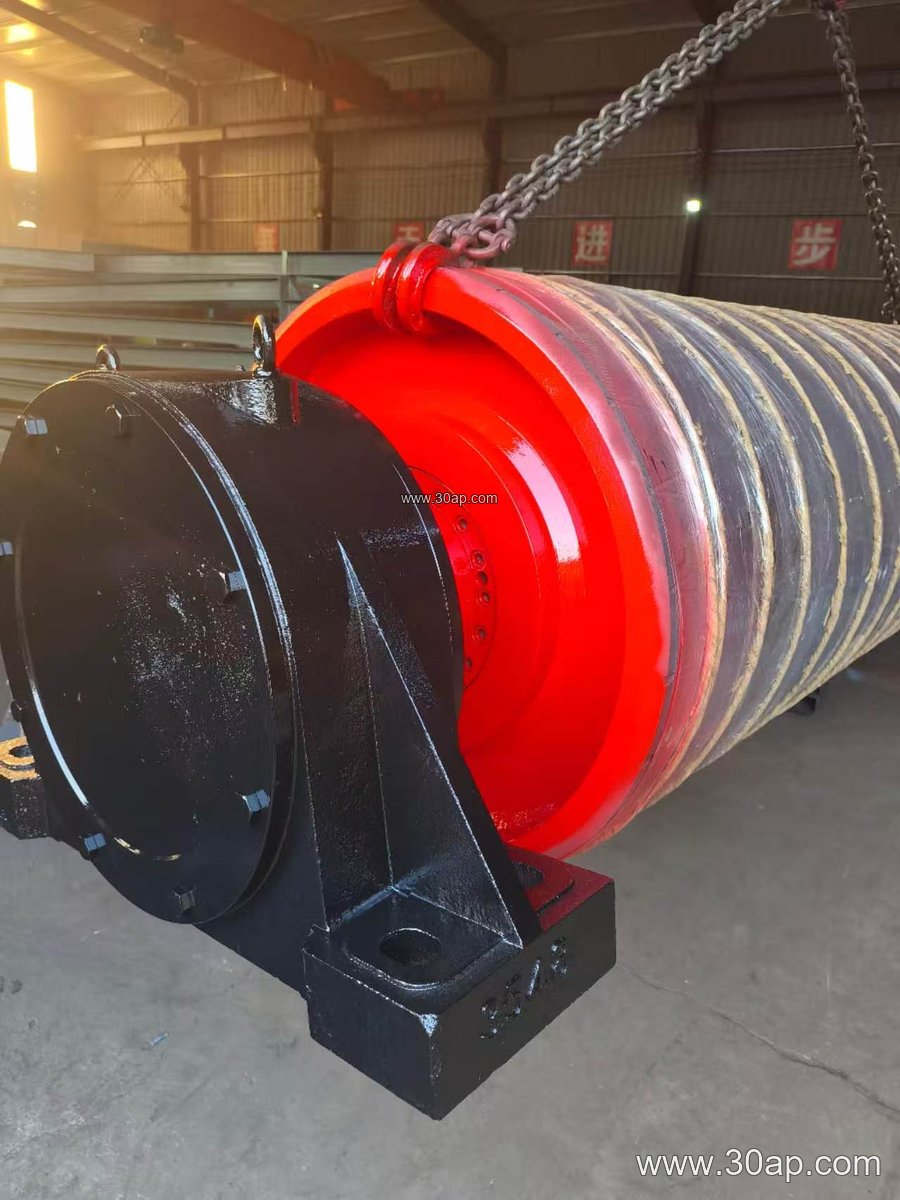
The typical large conveyor pulley consists of a steel shell, shaft, hub, and bearing housing. Surface options include plain, rubber lagged, ceramic lagged, and grooved patterns such as diamond or herringbone. Lagging thickness commonly ranges from 8 mm to 20 mm depending on grip requirements. Shaft diameters are usually determined by torque and load, with common sizes like Ø80, Ø100, Ø120, Ø140, Ø160, and Ø200. The pulley face width is typically wider than the belt width; for example, a B1200 belt may use a pulley face around 1400 mm.
Common Surface Forms and Their Uses
- Plain: suitable for non-drive positions where slip is not a concern.
- Rubber lagging (cold-bonded or hot-vulcanized): improves friction for drive pulleys.
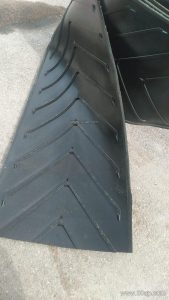
- Diamond or herringbone grooving: helps evacuate water and fines, often used in wet or dusty conditions.
- Ceramic lagging: provides high wear resistance for abrasive environments like iron ore or copper ore handling.
Typical Applications
Large conveyor pulleys are essential in mining, coal preparation, cement plants, power stations, and port bulk terminals. In a limestone quarry, a large conveyor pulley at the head drive ensures consistent movement of crushed rock. In a coal mining operation, flame retardant conveyor belt and anti-static conveyor belt are often paired with lagged drive pulleys to meet safety requirements. The tail pulley, bend pulley, and take-up pulley each serve distinct roles—they are not interchangeable, and selecting the correct subtype is critical for belt tracking and tension control.
Specification and Size Considerations
When specifying a large conveyor pulley, several parameters must be matched to the conveyor design. The table below shows common reference combinations, but these are not fixed rules—final dimensions depend on the actual load, belt tension, and shaft torque.
| Belt Width (mm) | Typical Pulley Face Width (mm) | Common Diameter Range (mm) | Typical Shaft Diameter (mm) |
|---|---|---|---|
| B800 | 950 | Ø400–Ø630 | Ø80–Ø120 |
| B1000 | 1150 | Ø500–Ø800 | Ø100–Ø140 |
| B1200 | 1400 | Ø630–Ø1000 | Ø120–Ø160 |
| B1400 | 1600 | Ø800–Ø1250 | Ø140–Ø180 |
| B1600 | 1800 | Ø1000–Ø1400 | Ø160–Ø200 |
Note that a single belt width can accommodate various pulley diameters. For instance, a B1200 conveyor might use a Ø1000 drive pulley or a Ø800 bend pulley depending on space and tension requirements. Shaft diameter should never be guessed from belt width alone; it must be calculated from the transmitted torque and radial loads.
Buyer’s Checklist
Before purchasing a large conveyor pulley, confirm the following:
- Pulley type (drive, tail, bend, take-up) and its location on the conveyor.
- Belt width and required face width.
- Lagging type and thickness—rubber, ceramic, or grooved—matching the material and environment.
- Shaft diameter and bearing size based on engineering calculations.
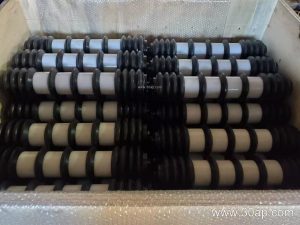
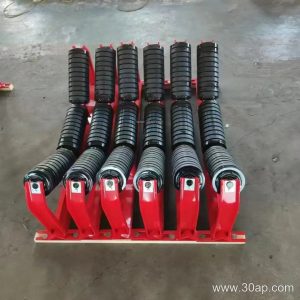
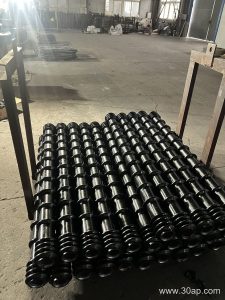
- Compatibility with the conveyor belt, idler roller, and conveyor bracket dimensions.
For abrasive applications such as aggregate or ore handling, consider an abrasion resistant conveyor belt and a pulley with ceramic lagging. In underground coal mining, flame retardant and anti-static properties are often mandatory for both belt and pulley components. Always request detailed drawings and material certificates from the supplier to verify that the large conveyor pulley meets your specific duty.
Whether you are upgrading a quarry conveyor or building a new cement plant line, selecting the right large conveyor pulley ensures reliable power transmission and extended service life. Pair it correctly with your conveyor belt and idler roller set to avoid premature wear and belt mistracking.