What a Conveyor Self-Aligning Idler Does
A conveyor self-aligning idler is a training idler that keeps the conveyor belt centered on the conveyor structure. Unlike a standard carrying idler, it pivots or skews slightly when the belt drifts, generating a corrective force that steers the belt back to the proper path. This active correction reduces edge damage, spillage, and premature wear on the conveyor belt and other components. In industries such as mining, coal preparation, cement, power generation, and quarrying, a self-aligning idler roller is often installed at critical points where misalignment is likely.
Construction and Working Principle
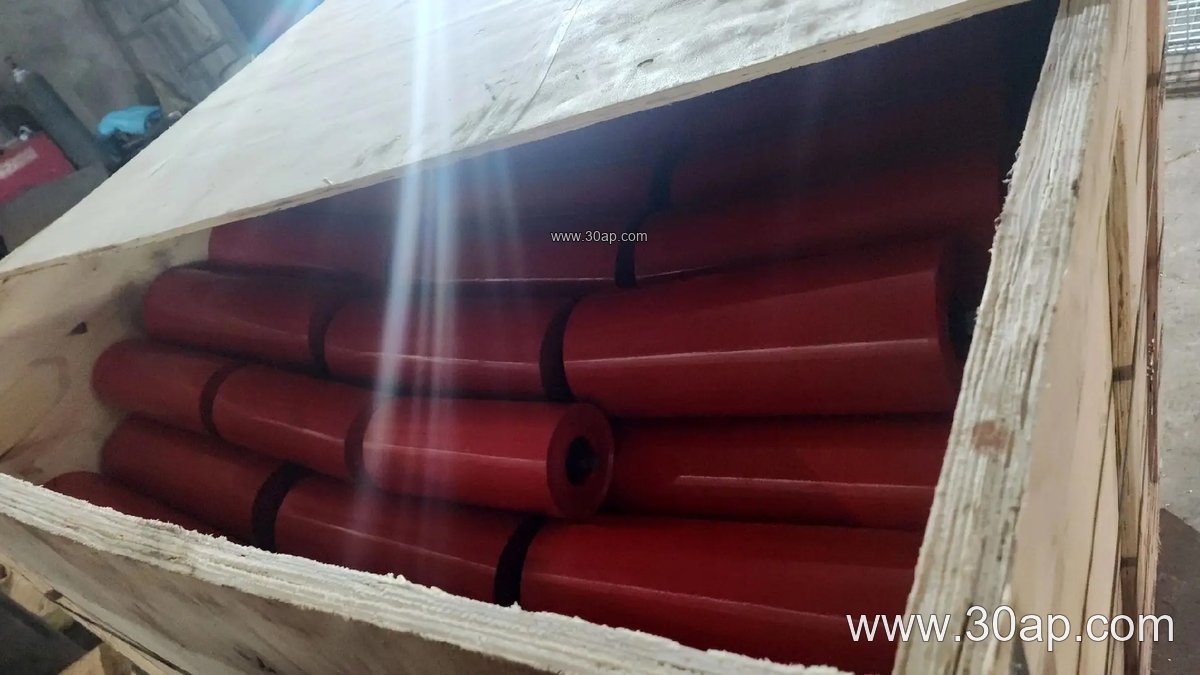
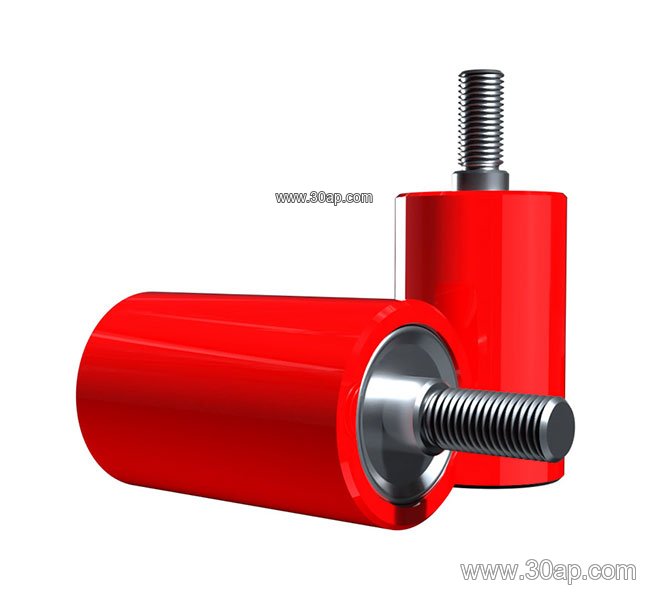
The assembly typically includes a set of idler rollers mounted on a pivoting frame or bracket. The frame is connected to the conveyor bracket through a vertical pivot or linkage. When the belt contacts the idler off-center, friction and pressure cause the idler to rotate slightly around its pivot. This angular change creates a sideways force on the belt that encourages it to return to the center. Common designs include friction self-aligning idlers, conical self-aligning idlers, and return-side self-aligning idlers. Roller diameters often range from Ø89 to Ø159, with bearing sizes such as 6205, 6305, or 6306 selected according to load and speed. The roller surface may be steel, nylon, or rubber-covered, depending on the application and material being conveyed.
Where It Fits on the Conveyor
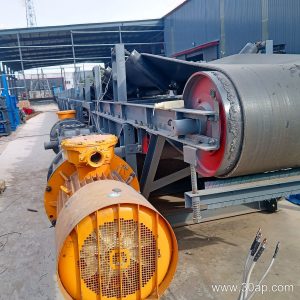
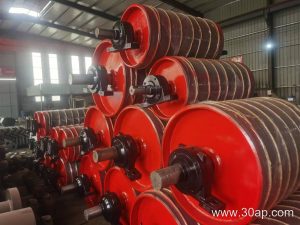
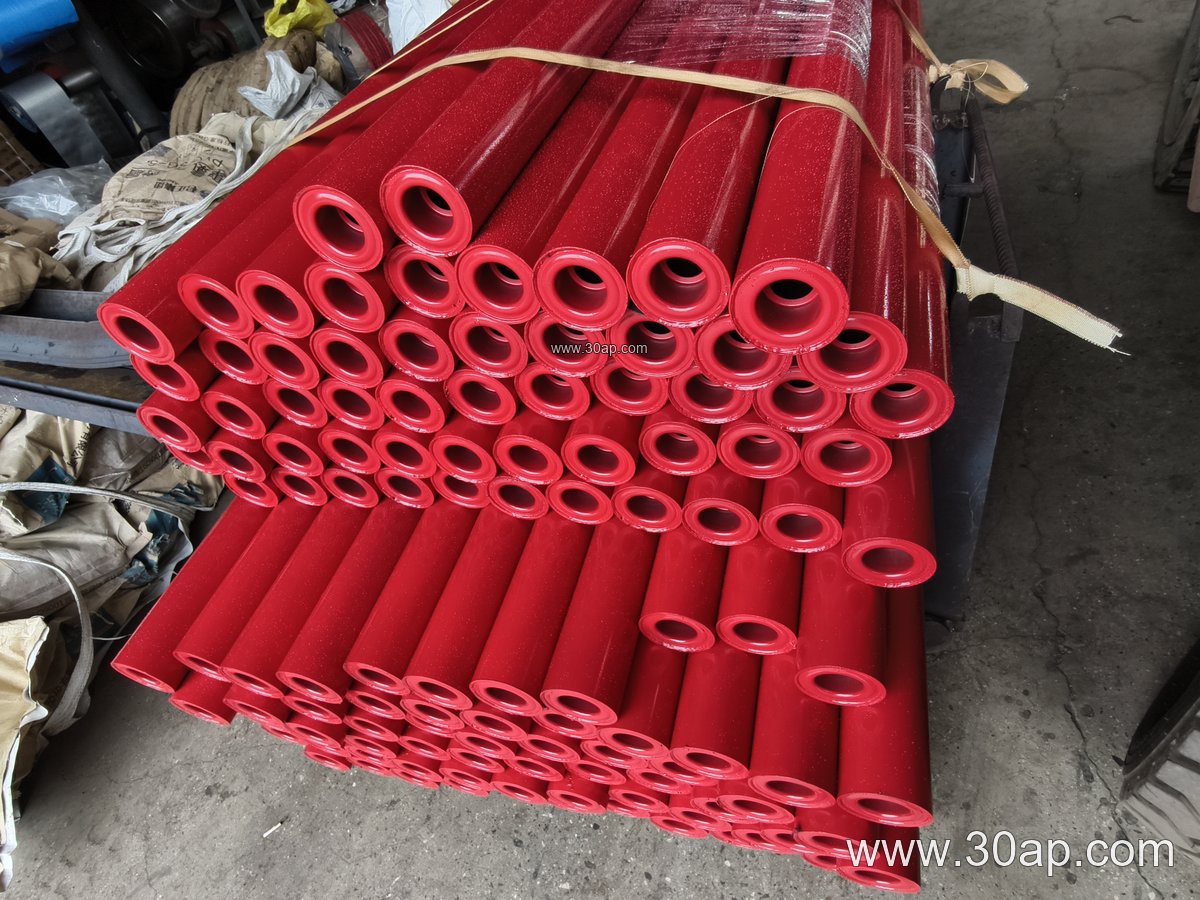
Self-aligning idlers are usually placed on the carrying side and return side at intervals along the conveyor. They are especially useful near the head pulley, tail pulley, and bend pulley, where belt tracking is most sensitive. However, drive pulleys, tail pulleys, and bend pulleys are not interchangeable with idlers and serve different functions. In a typical conveyor system, the self-aligning idler works alongside the conveyor belt, conveyor pulley, and conveyor bracket to maintain smooth operation. For example, in a coal mining conveyor belt system, a self-aligning idler roller can help prevent the belt from rubbing against the structure during variable load conditions.
Typical Applications and Industry Use
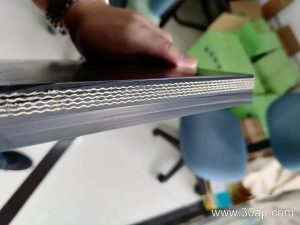
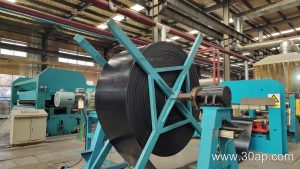
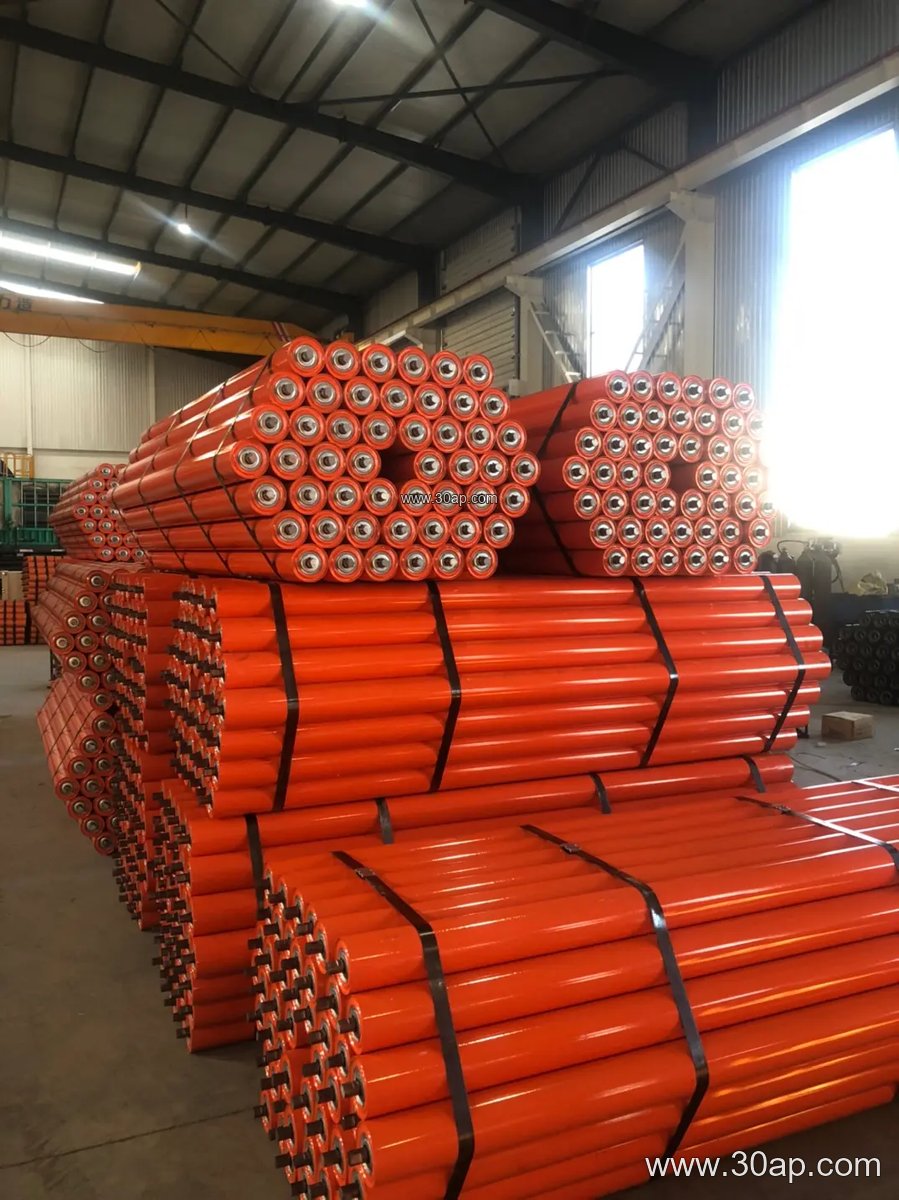
You will find self-aligning idlers in quarry conveyor belts, aggregate conveyor belts, and crusher conveyor belts where material loading is uneven. In cement plants, they support clinker and raw meal transport. Power plant coal conveyor belts benefit from self-aligning idlers to reduce downtime caused by belt misalignment. Underground mining conveyor belts and coal mining conveyor belts also use these idlers to maintain tracking in confined spaces. The idler is compatible with various conveyor belt types, including EP conveyor belt, NN conveyor belt, steel cord conveyor belt, and flame retardant conveyor belt. For high-abrasion materials, an abrasion resistant conveyor belt combined with well-aligned idlers extends service life.
Selection and Sizing Considerations
Choosing the right self-aligning idler involves matching roller diameter, bearing type, and frame design to the conveyor belt width and load. Common belt widths include B500, B650, B800, B1000, B1200, B1400, B1600, B1800, and B2000. Roller length varies with belt width and trough angle; for a three-roll troughing set, typical roller lengths are about 200 mm for B500, 250 mm for B650, 315 mm for B800, 380 mm for B1000, 465 mm for B1200, 530 mm for B1400, 600 mm for B1600, 670 mm for B1800, and 750 mm for B2000. These are common examples, not fixed rules. Trough angles of 20, 30, 35, or 45 degrees are available. The idler should be selected based on actual belt width, material weight, and operating conditions. For instance, a 1200mm wide conveyor belt may use a self-aligning idler with a 465 mm roller in a 35-degree trough, but the final choice depends on engineering design.
Maintenance and Buyer Tips
Regular inspection of the self-aligning idler is important. Check for free movement of the pivot, wear on the roller surface, and bearing condition. Lubricate bearings as recommended and replace damaged rollers promptly. When purchasing, confirm the idler matches your conveyor bracket dimensions and belt width. Ask for the roller diameter, bearing number, and trough angle to ensure compatibility. A well-chosen self-aligning idler roller reduces belt edge damage and keeps your conveyor system running efficiently, whether you handle bulk material in a port, a steel plant, or a sand making plant.