What a Stone Crushing Conveyor Belt Does
A stone crushing conveyor belt is the moving belt that carries blasted rock, crushed aggregate, and screened stone between a primary crusher, screens, stockpiles, and load-out points. In a quarry or sand and gravel plant, the belt is rarely just a flat rubber strip; it is the wear surface, the load-bearing structure, and often the safety barrier against spillage and dust. Because the material arrives sharp, heavy, and sometimes hot, the belt must combine cut and abrasion resistance with enough tensile strength to handle the conveyor’s length and incline.
Buyers often describe this item as a crusher conveyor belt or a rock conveyor belt. Those are accurate equivalents for the same product, while the specific subtype still matters: an abrasion resistant conveyor belt, a chevron conveyor belt for steep slopes, or a skirted conveyor belt to contain material at transfer points.
Construction and Common Subtypes
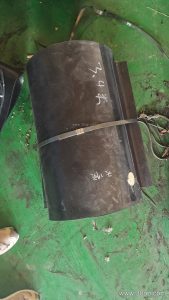
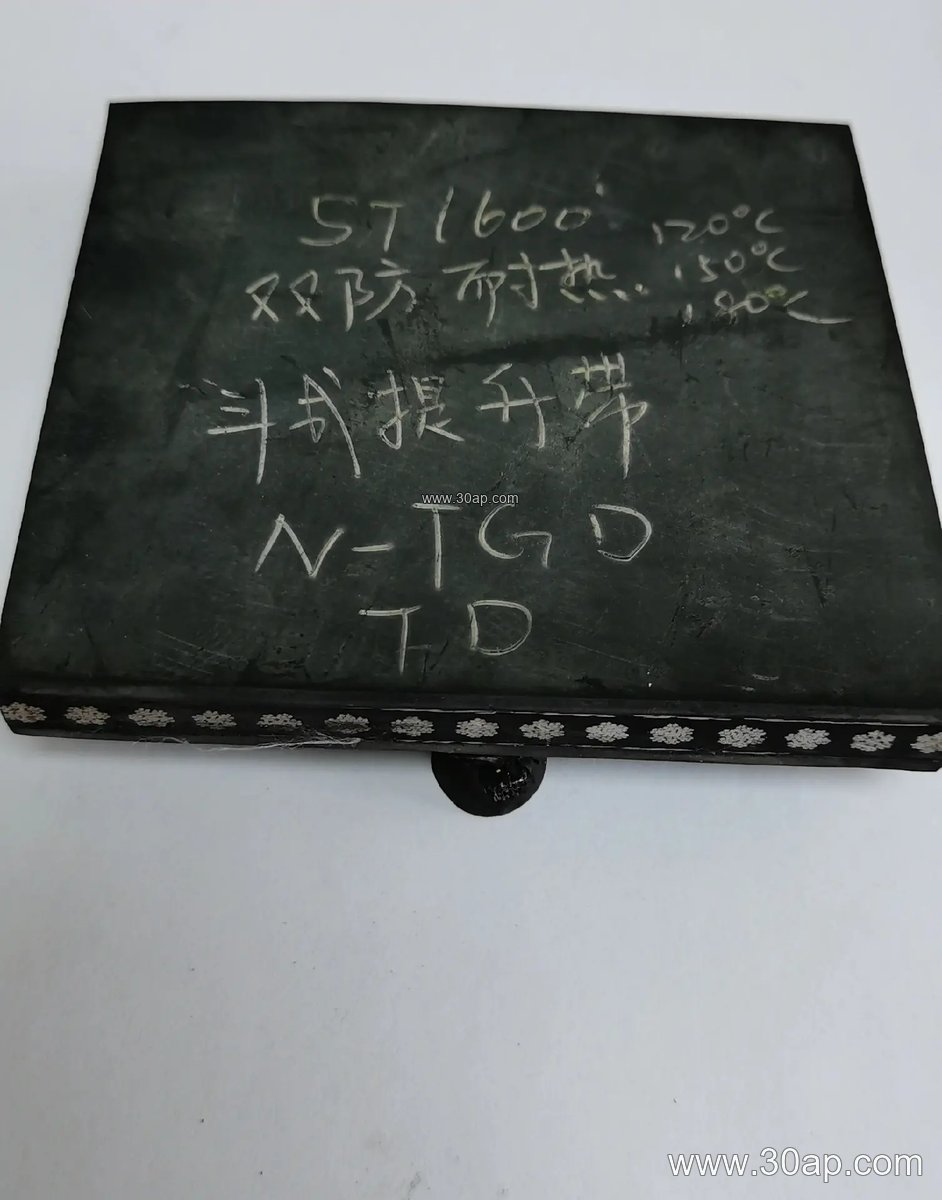
Most stone crushing belts are fabric-core constructions. An EP conveyor belt uses polyester warp and nylon weft, giving low stretch and good troughability; an NN conveyor belt uses nylon in both directions for high flexibility. Multi-ply fabric core conveyor belts, usually two to six plies, remain common in aggregate plants, while a steel cord conveyor belt is chosen for long overland runs and very high tension. Cover compounds are selected for the duty: an abrasion resistant conveyor belt for sharp granite or basalt, a heat resistant conveyor belt after a hot clinker or asphalt feed, and an oil resistant conveyor belt where lubricants or recycled material are present.
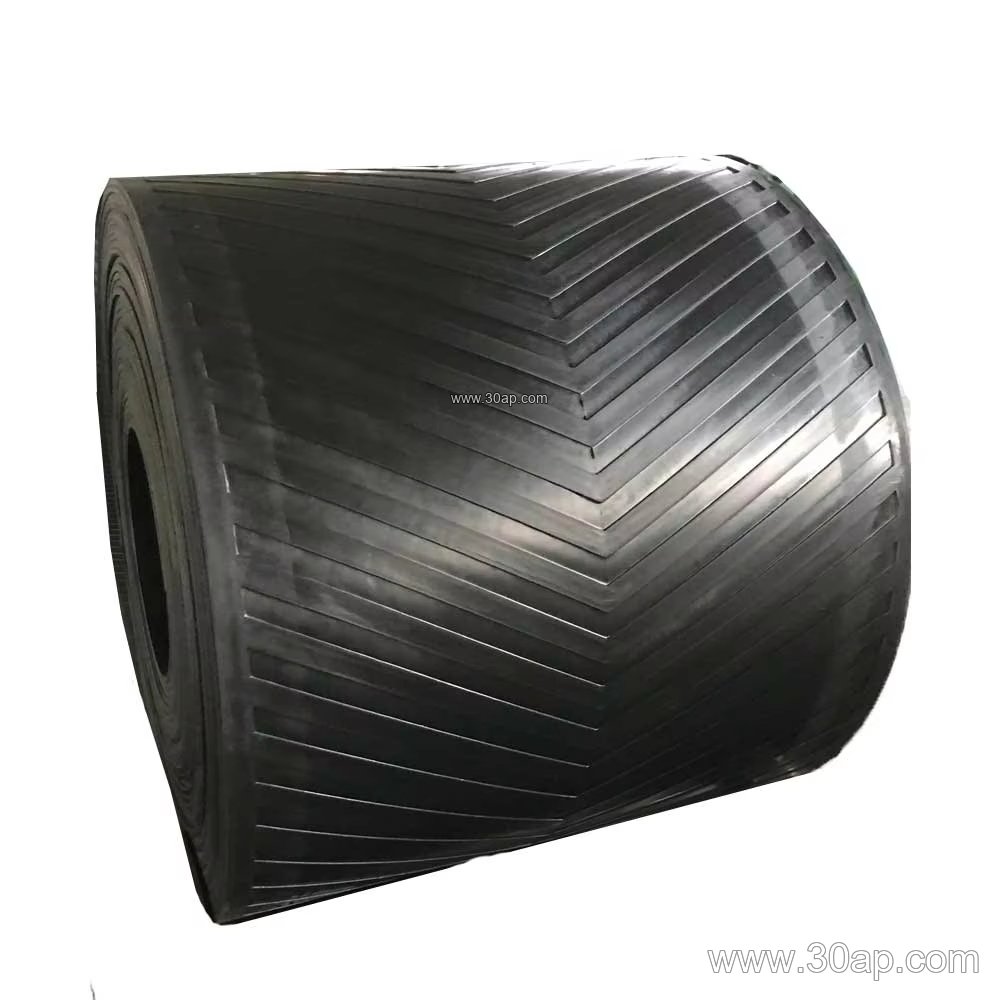
Edge and surface forms change how the belt performs on site. A corrugated sidewall conveyor belt or a skirted conveyor belt keeps material on the belt at steep inclines and transfer chutes. A pipe conveyor belt encloses the load for dust control on longer routes. In underground coal or tunnel work, a flame retardant conveyor belt and anti-static conveyor belt are usually specified together, and a PVG conveyor belt is a familiar solid-woven option in that setting.
Reference Dimensions and Strength Grades
The values below are typical reference ranges, not fixed combinations. Final width, ply, cover thickness, and strength follow the conveyor design, the material lump size, and the discharge height.
| Parameter | Common reference values |
|---|---|
| Belt width | B500, B650, B800, B1000, B1200, B1400, B1600, B1800, B2000 |
| EP strength grades | EP200, EP315, EP400, EP500, EP630, EP800, EP1000, EP1250, EP1600, EP2000 |
| Cover thickness | 3+1.5 mm, 4+2 mm, 5+2 mm, 6+2 mm, 8+3 mm |
| Fabric plies | 2 to 6 plies, depending on tension |
| Surface options | Smooth, chevron, corrugated sidewall, skirted |
A 1200mm wide conveyor belt is a frequent choice in primary crushing circuits, while 800mm and 1000mm belts suit screen feed and transfer lines. Wider belts such as 1800mm or 2000mm appear in high-capacity plants, and a heavy-duty mining conveyor belt may combine a thick cover with a high-strength carcass.
Where It Is Used
Stone crushing conveyors appear across mining, quarrying, cement, power, and construction sites. In an iron ore or copper ore circuit, the belt moves coarse ore from the crusher to the stockpile; in a cement plant it carries limestone and clinker; in a power plant it handles coal and ash. Sand making plants, aggregate yards, and port ship loading systems also rely on these belts. The same belt family serves as a bulk material conveyor belt in recycling and construction waste lines, where sharp metal and mixed debris demand a high abrasion resistant conveyor belt.
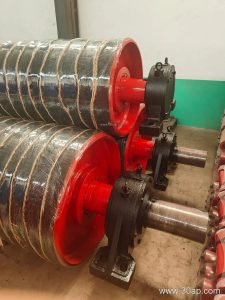
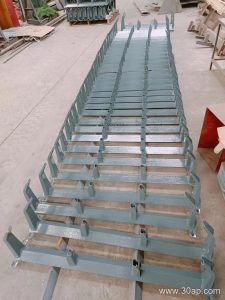
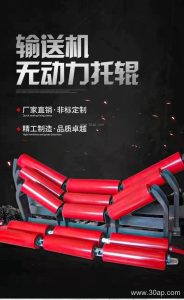
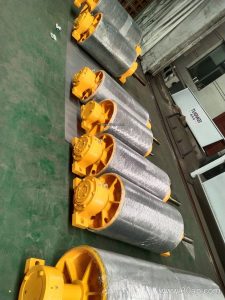
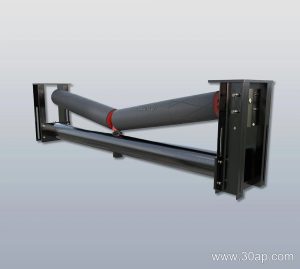
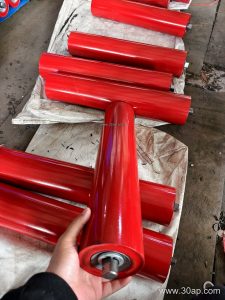
Supporting hardware matters as much as the belt itself. A conveyor pulley at the drive and tail ends, idler roller sets along the carrying side, and a conveyor bracket at each frame joint all influence belt tracking and life. A worn idler roller can damage an otherwise sound belt, so alignment checks belong in every maintenance routine.
Selection and Maintenance Notes
- Match the belt to the largest lump size and drop height; impact resistant conveyor belt covers reduce puncture and edge damage at the crusher outlet.
- Confirm the actual tension demand before choosing between an EP conveyor belt and a steel cord conveyor belt.
- On inclines above the material’s natural angle, a chevron conveyor belt or corrugated sidewall conveyor belt prevents rollback.
- For cold climates, a cold resistant conveyor belt avoids cover cracking at start-up.
- Check splice quality, pulley lagging, and idler roller rotation regularly; most tracking faults begin at a single misaligned component.
Ask suppliers for the carcass type, cover grade, ply count, and width in writing, and request a splice recommendation for the actual pulley diameters on your conveyor. For more belt, idler roller, and conveyor pulley guidance, visit conveyorbeltingpro.com and review the stone crushing conveyor belt options against your duty cycle.