What an Anti-Material-Buildup Idler Does
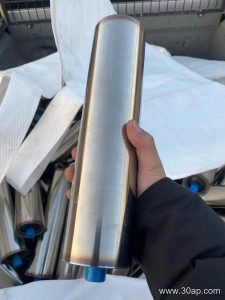
An anti-material-buildup idler is a conveyor idler roller designed to prevent sticky, wet, or fibrous material from adhering to its shell. In industries such as coal mining, cement plants, power plant coal handling, and sand and gravel lines, carryback and spillage can quickly coat standard idlers, causing belt misalignment, increased power draw, and premature bearing failure. This idler variant uses specific surface geometries and materials to shed material before it accumulates.
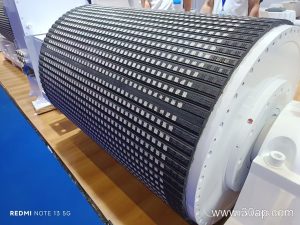
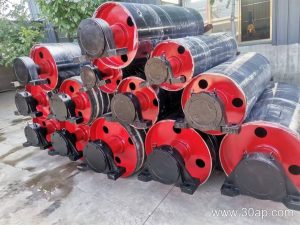
Also known as a self-cleaning idler or non-stick idler roller, this component is not a replacement for a drive pulley, tail pulley, or bend pulley—those are conveyor pulleys with entirely different functions. Instead, it works alongside the conveyor belt, conveyor bracket, and other idlers to maintain a clean belt path.
Construction and Surface Options
The anti-buildup effect comes from the roller surface and, in some designs, from a spiral or segmented profile. Common shell materials include:
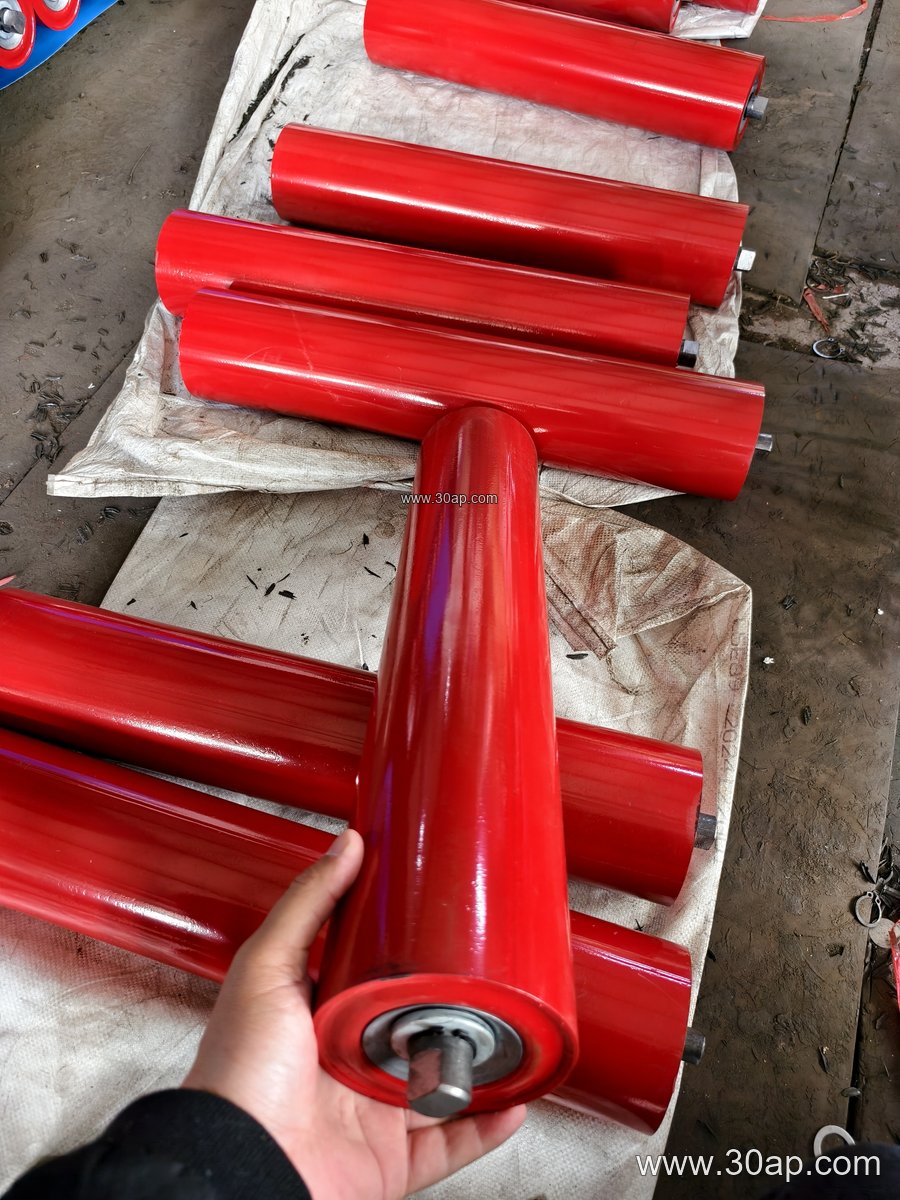
- Rubber-disc or rubber-ring surface – flexible rings shed fines and reduce sticking.
- Nylon or UHMWPE sleeve – low-friction surface resists wet material adhesion.
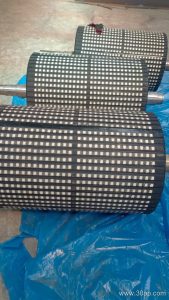
- Ceramic-coated or grooved steel – used where abrasive slurry is present.
- Spiral roller design – the helical shape encourages self-cleaning and can assist belt tracking.
Bearing selection depends on load and speed; common sizes include 6204, 6205, 6305, 6306, 6308, and 6310. These bearings are not tied to a single roller diameter—the same bearing may appear across several idler sizes. Sealing is typically multi-labyrinth or contact-type to keep out dust and moisture, which is critical in quarry and underground mining conveyor applications.
Where It Fits on the Conveyor
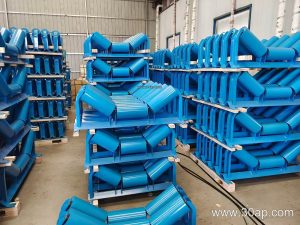
Anti-buildup idlers are most often installed in the carry side where material is wet or sticky, and in the return side where carryback is a problem. They can be supplied as single-roller, two-roller, or three-roller troughing sets. Trough angles of 20°, 30°, 35°, and 45° are common, and a slight forward tilt of about 1.5° to 2° may be used on training idlers to help centering.
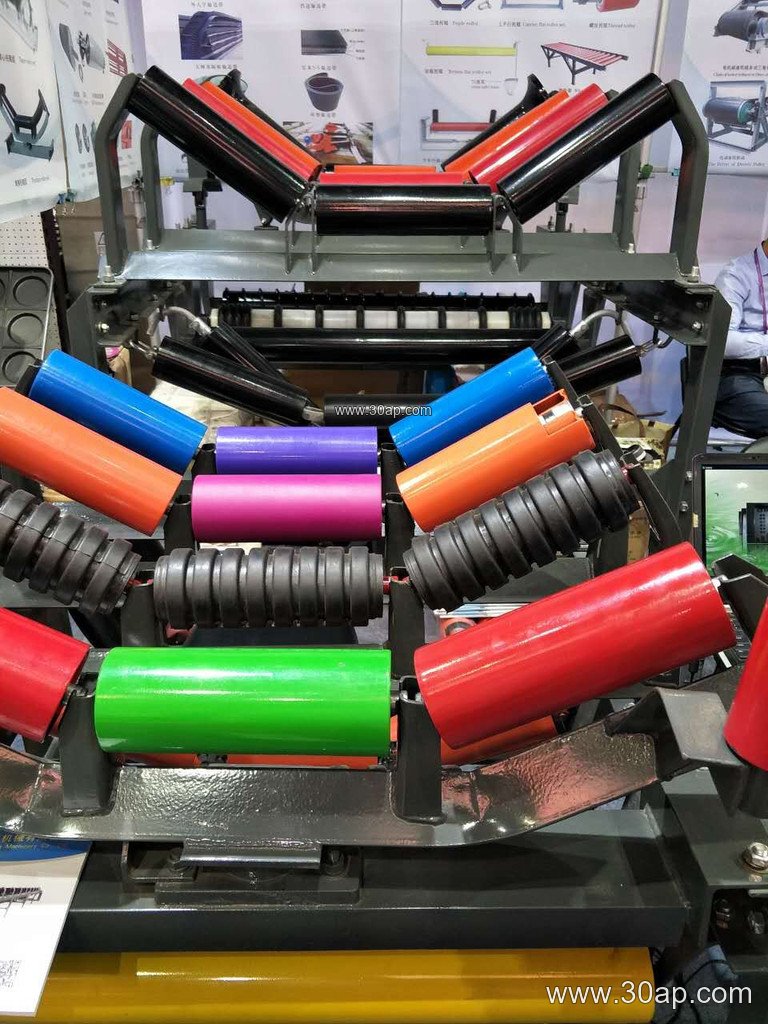
Typical service locations include:
- Coal washing plants and underground coal mining conveyor systems handling damp fines.
- Cement plants and limestone quarries where dust and moisture combine.
- Power plant coal handling and biomass feed lines.
- Sand and aggregate conveyors after washing or in humid conditions.
In these settings, a clean idler roller helps protect the conveyor belt and reduces the risk of belt tracking issues that might otherwise be blamed on a bend pulley or tail pulley.
Sizing Notes for Buyers
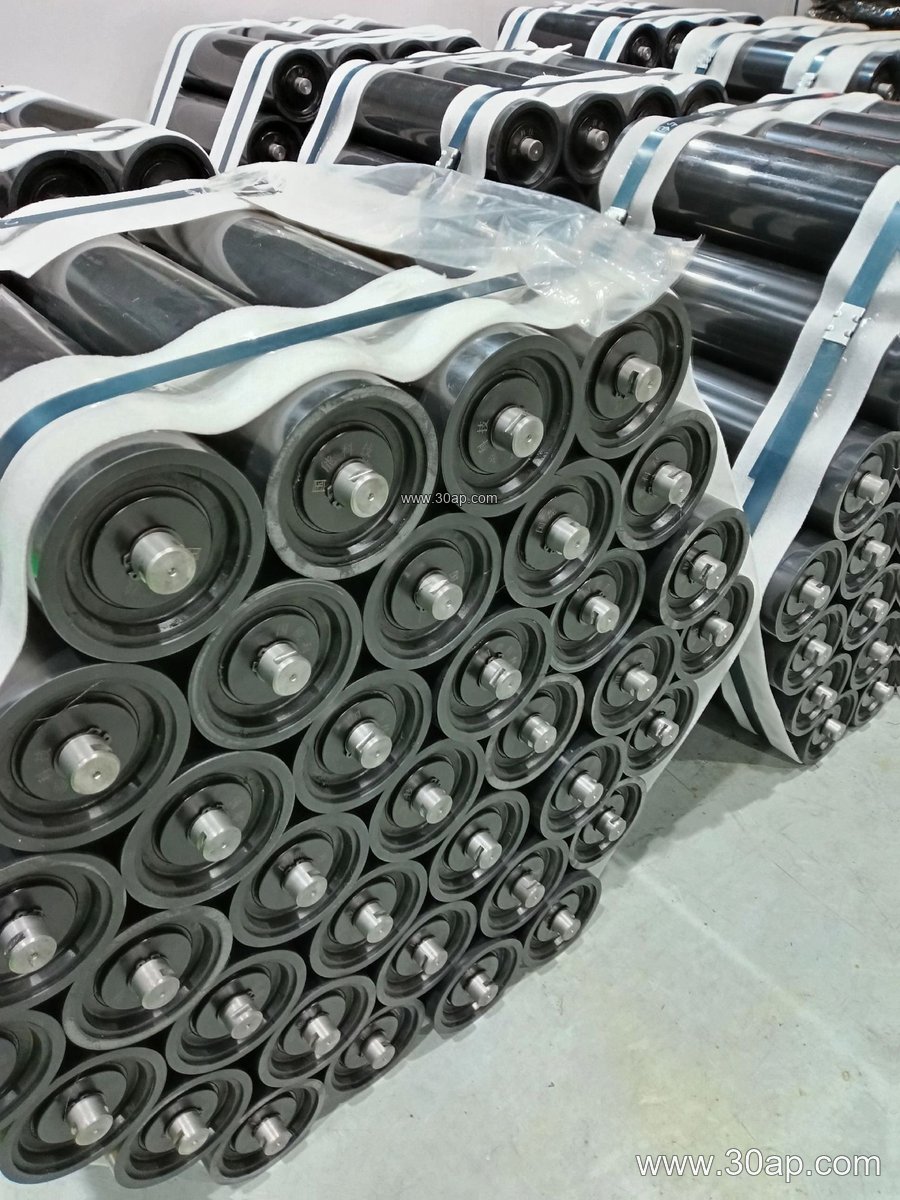
Roller diameter and length must suit the belt width, trough angle, and load. Common roller diameters include Ø63, Ø76, Ø89, Ø102, Ø108, Ø127, Ø133, Ø159, Ø178, Ø194, and Ø219 mm. Belt widths from B400 to B2400 are encountered, though not every width uses every diameter. For a three-roller troughing set, roller length varies with belt width and trough angle; for example, a B800 belt often uses a center roller around 315 mm long, while a B1200 belt may use roughly 465 mm. These are typical examples only—side rollers and center rollers can differ, and final dimensions are set by design.
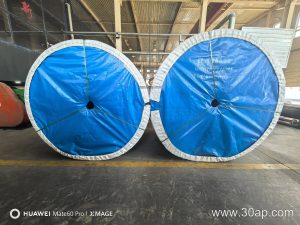
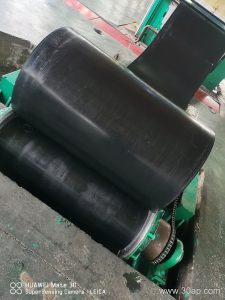
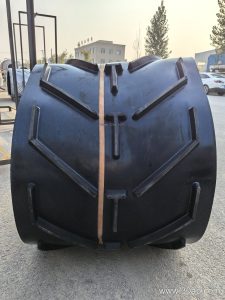
When specifying, confirm the conveyor belt type as well. A rubber conveyor belt or EP conveyor belt carrying wet fines may need a different idler surface than a steel cord conveyor belt running dry ore. Abrasion resistant conveyor belt and flame retardant conveyor belt installations in underground coal mining may also call for specific idler sealing and anti-static properties.
Selection and Maintenance Tips
Choose the surface form based on the material: rubber rings for sticky fines, nylon or polymer sleeves for wet slurries, and ceramic or grooved steel for abrasive service. Verify bearing size against actual load and speed rather than assuming a fixed pairing with roller diameter. Keep in mind that an anti-buildup idler is not a substitute for a drive pulley, tail pulley, or bend pulley; those pulleys handle torque and belt direction and must be specified separately.
Inspect idlers regularly for material buildup behind the shell, seal wear, and free rotation. In dusty cement or coal mining environments, a planned cleaning schedule extends bearing life. For more information on matching idlers with conveyor belts and pulleys, visit our site for conveyor belt and idler roller guidance.