What a Loading Point Impact Idler Does
At the transfer point where material drops onto a conveyor belt, the belt and its supporting frame take a beating. A conveyor loading point impact idler is a specialized idler roller designed to absorb that kinetic energy, protect the belt from punctures and excessive wear, and keep the load zone running smoothly. Unlike standard carrying idlers, these units are built with resilient, energy-absorbing elements—most often rubber rings or a rubber-covered shell—mounted on a heavy-duty shaft and bearing assembly. In quarry, cement, and power plant coal handling systems, they are the first line of defense right under the chute.
Construction and Key Components
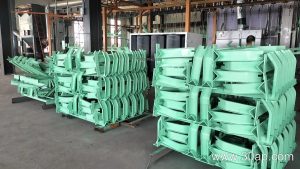
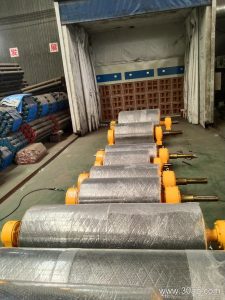
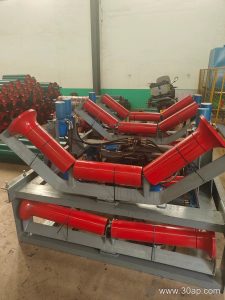
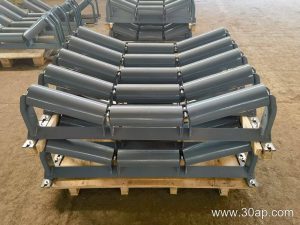
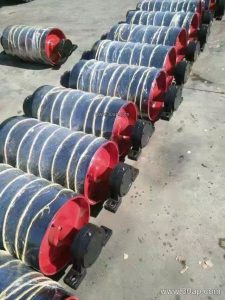
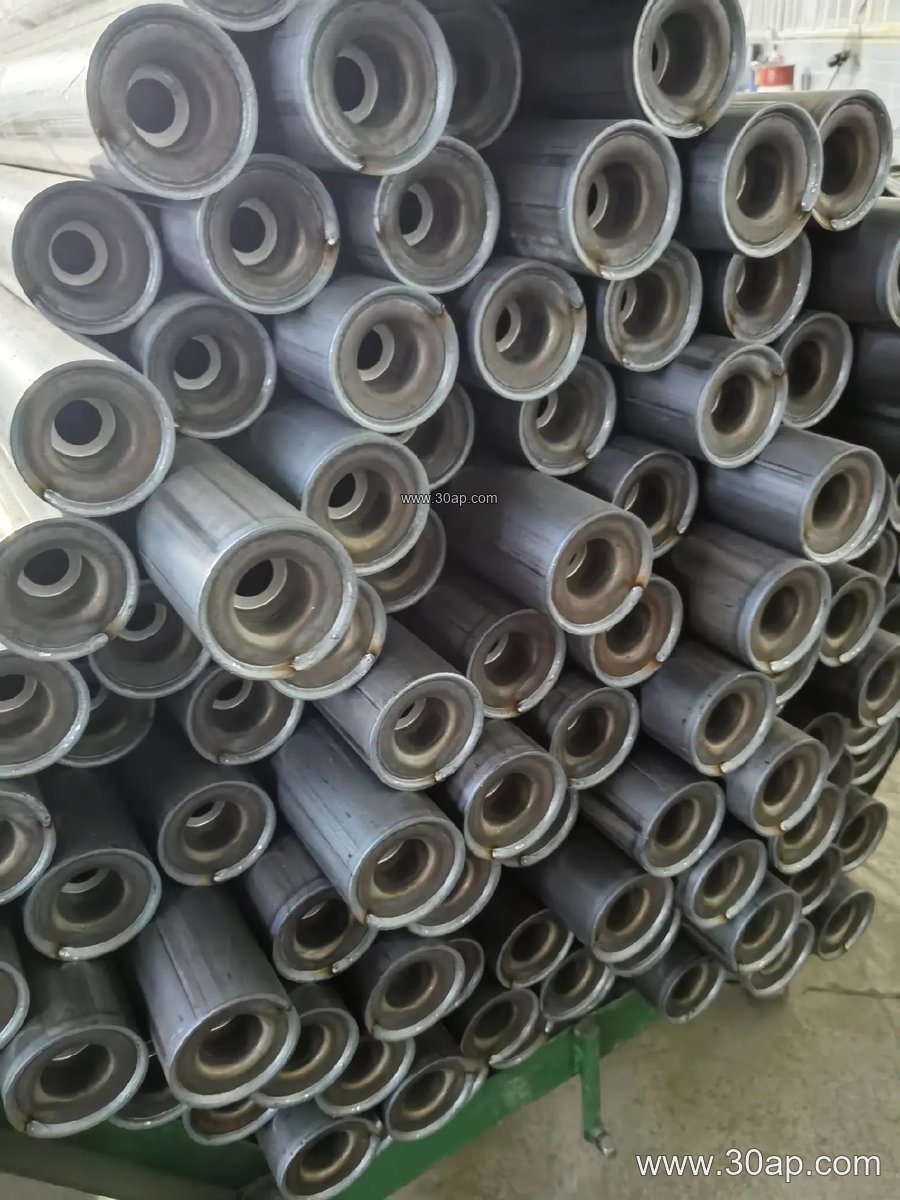
An impact idler typically consists of a robust steel tube or shaft, bearing housings, and a series of rubber discs or a continuous rubber sleeve that contacts the belt. The rubber rings are spaced to allow flexing under impact while still supporting the belt. The idler is mounted in a conveyor bracket or frame that positions it at the correct height and angle. Bearings are usually selected from common sizes such as 6205, 6305, or 6308, matched to the shaft and load rating rather than a single fixed rule. The roller surface may be plain steel, but for impact service, rubber is the defining feature. Some designs incorporate a three-roll troughing arrangement—often called a three-roll impact idler set—with a 20°, 30°, 35°, or 45° trough angle depending on the belt width and material characteristics.
Where Impact Idlers Fit in the Conveyor
These idlers are installed directly beneath the loading point, replacing or supplementing standard troughing idlers in that zone. They are common in primary and secondary crusher discharge conveyors, screen feed points, and ship loading or stockpile transfer stations. In a limestone quarry, for example, run-of-mine rock dropping from a truck or feeder onto a 1200mm wide conveyor belt can quickly destroy ordinary idlers; impact rollers absorb the shock and extend the life of the entire belt line. Similarly, in a coal-fired power plant, coal from a crusher house falls onto the main belt—impact idlers there help maintain belt integrity and reduce spillage. Other relevant industries include iron ore handling, aggregate plants, and fertilizer production, where sharp or heavy lumps are present.
Types and Configurations
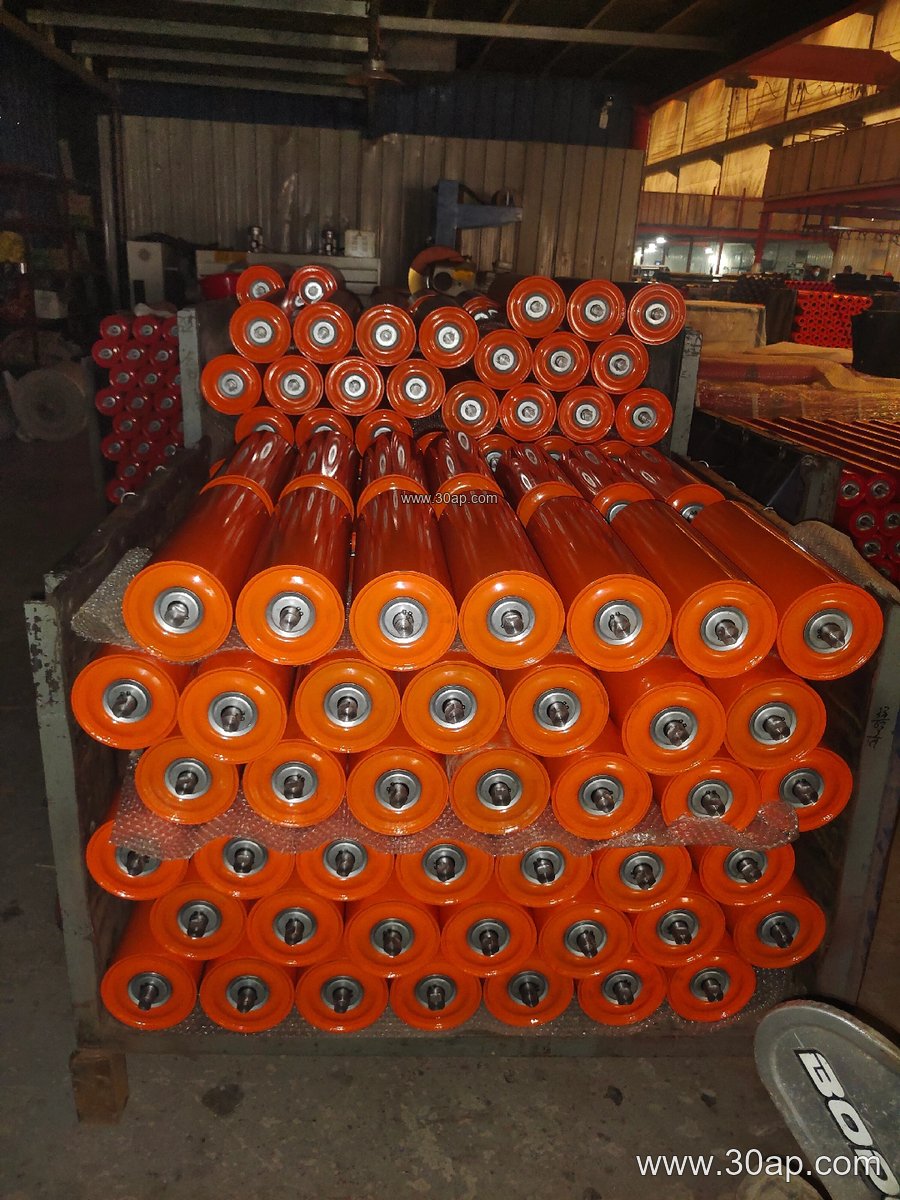
The most common form is the rubber disc impact idler, where multiple rubber rings are fitted onto a steel shaft. Another variant uses a rubber-covered roller. These can be supplied as single idlers or as complete impact idler sets with two or three rolls. The trough angle should match the adjacent standard idlers to avoid belt stress; typical angles are 20°, 30°, 35°, and 45°. Roller diameters for impact service often range from Ø89 to Ø159 mm, but the final choice depends on belt width, load, and available space. For a B1000 belt, a common three-roll set might use a 380 mm roll length for the center roll, but side rolls and impact-specific rolls can differ. Always confirm dimensions with the conveyor design, not a generic table.
Selection and Maintenance Tips
When selecting a conveyor loading point impact idler, consider the maximum lump size, drop height, throughput, and belt speed. The impact energy rises with drop height and lump weight, so heavy-duty rubber rings or a denser disc pattern may be needed. The idler shaft and bearings must be sized for the added shock load—do not assume a bearing number from belt width alone. Check that the mounting brackets and frame can handle the same load. In service, inspect rubber rings for cracking, chunking, or flattening; worn rings reduce cushioning and can allow the belt to contact metal. Lubricate bearings according to the manufacturer’s schedule, and ensure the idler rotates freely. Keeping the loading point chute properly aligned also reduces uneven wear on the impact idler.
Related Equipment and Belt Compatibility
Impact idlers work alongside the conveyor belt, conveyor pulley, and conveyor bracket system. The belt itself must be suitable for the application: a heavy-duty mining conveyor belt or abrasion resistant conveyor belt is typical in quarry and ore handling, while flame retardant conveyor belt grades are required in coal mining and underground coal mining conveyors. In cement plants, heat resistant conveyor belt may be needed near kiln areas, but at the loading point, impact resistance is the priority. For sharp, heavy materials, an impact resistant conveyor belt combined with proper impact idlers gives the best protection. Remember that drive, tail, and bend pulleys are not interchangeable, and impact idlers should not be confused with return idlers or training idlers—each has a distinct role.