What an EP300 Conveyor Belt Is
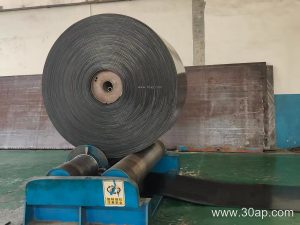
An EP300 Conveyor Belt is a fabric-core rubber belt built around polyester warp and polyamide weft cords. The EP designation comes from the two fibre types, and the 300 figure refers to the nominal tensile strength class of the carcass, commonly expressed in newtons per millimetre of belt width. In practical terms, this is a mid-to-high strength fabric belt that sits above general-purpose EP200 and EP250 constructions but below the very heavy EP400 and EP500 classes used on long, high-tonnage trunk conveyors. Buyers often search for it as an EP Conveyor Belt, an EP Rubber Conveyor Belt, or an EP Fabric Core Conveyor Belt; all three describe the same product.
Because the carcass is a multi-ply fabric rather than steel cable, the belt tolerates tight pulley diameters, resists shock loading reasonably well, and can be spliced in the field with hot vulcanising or mechanical fasteners. That combination makes it a common choice in mines, quarries, cement works, power plants and sand and gravel yards where conveyors are fed by crushers and screens.
Construction and Typical Specifications
The belt is usually made up of two to six fabric plies bonded with skim rubber, topped and bottomed with cover rubber selected for the duty. Cover grades matter as much as the carcass class: an abrasion resistant compound suits sharp crushed rock, a heat resistant grade is needed near clinker or sinter, and a flame retardant or anti-static build is specified for underground coal mining conveyors. The table below shows common reference values; actual figures are set by the belt designer and vary between manufacturers.
- Strength class: EP300 as the nominal carcass grade, with EP200, EP400 and EP500 available in the same family
- Number of plies: commonly 3 to 5 for EP300 duty
- Belt width: B650, B800, B1000, B1200 and B1400 are routine; wider builds exist for large port and plant conveyors
- Cover thickness: 4+2 mm, 5+2 mm and 6+2 mm are frequent combinations, with thicker top covers for impact zones
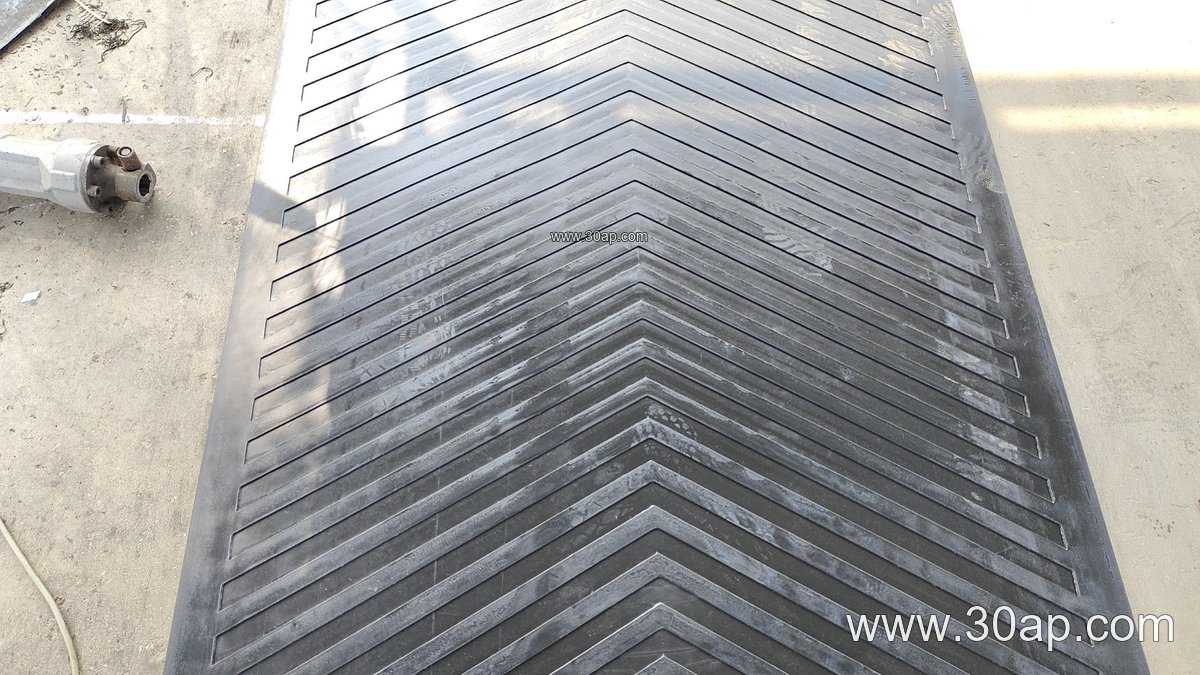
- Surface options: plain, chevron or patterned top covers where incline grip is required
These are reference ranges, not fixed pairings. A 1000 mm wide EP300 belt may run on a range of pulley diameters depending on the splice type, the number of plies and the allowable tension, so the shaft and pulley sizing should come from the conveyor design rather than from belt width alone.
Where It Fits on the Conveyor
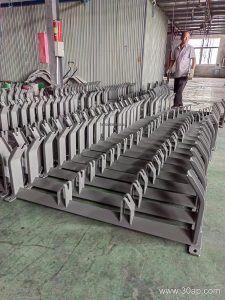
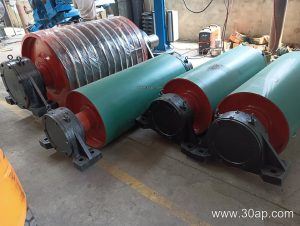
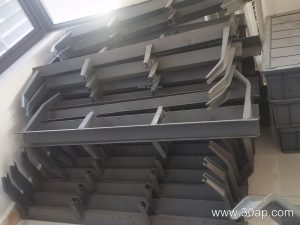
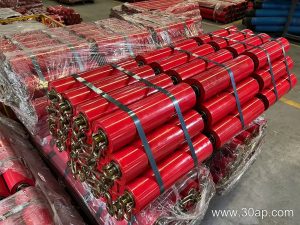
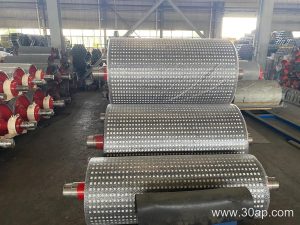
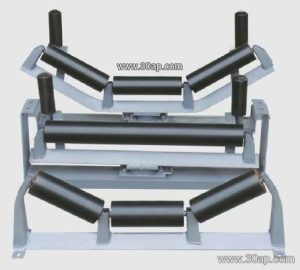
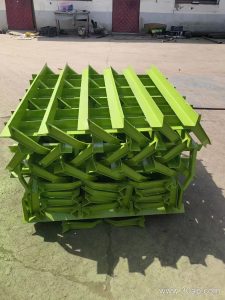
An EP300 belt is normally carried by three-roll troughing idler sets on the carrying side and a single return idler roller underneath. The belt passes over a drive pulley at the head, a tail pulley at the loading end, and bend or take-up pulleys along the route. Each of these pulleys has a distinct role and none should be substituted for another when specifying spares. Supporting frames, conveyor brackets and transition idlers all influence how the belt tracks, so belt selection and structure design are best reviewed together.
Typical duties include primary and secondary crushed stone, clinker and cement raw meal, coal from stockpile to bunker, limestone at a power plant, and ore transfer in a concentrator. In dusty or wet conditions, a skirted loading point and well-aligned idlers reduce edge damage and extend belt life.
Selection and Maintenance Notes
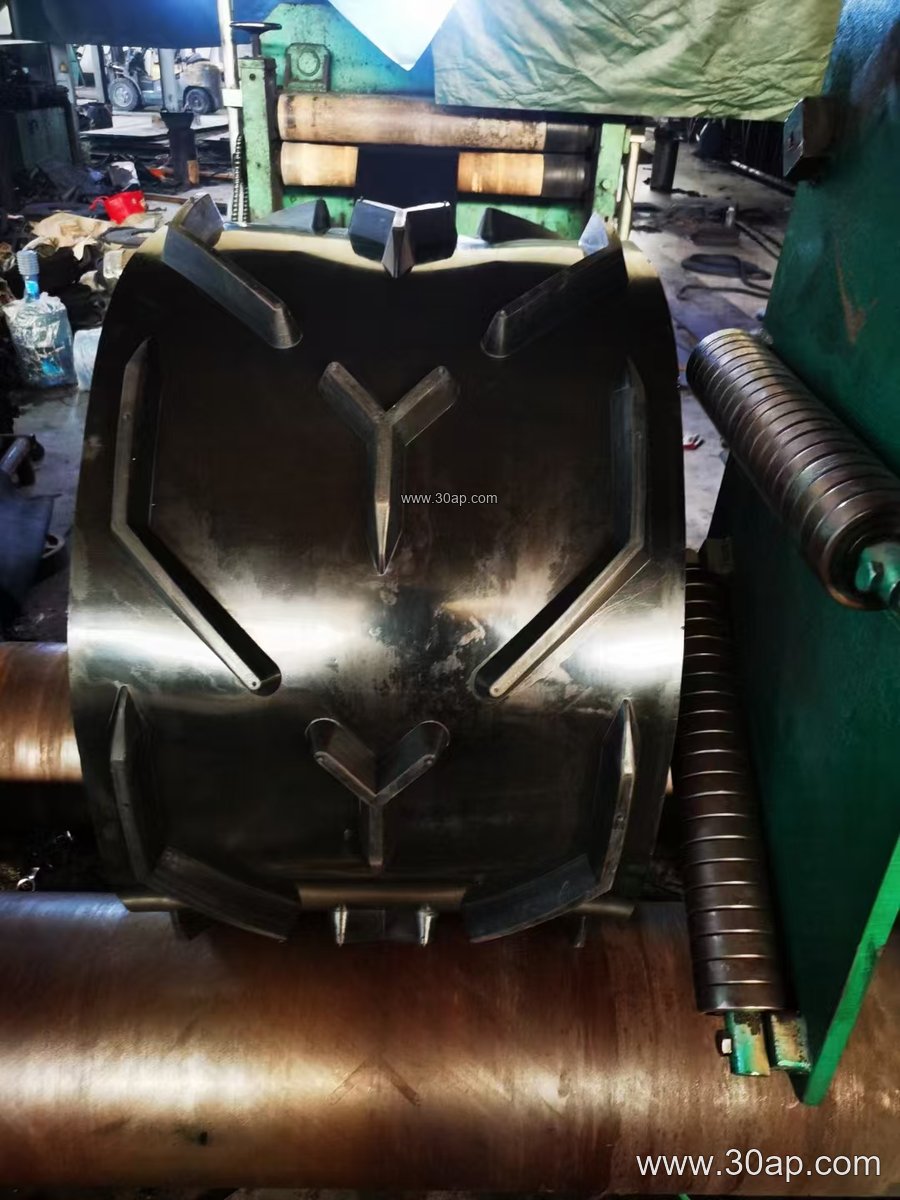
Choosing an EP300 Conveyor Belt starts with the peak tension, the lump size and the material temperature. Where the duty is extremely long or the tonnage very high, a steel cord conveyor belt may be the better fit, while a plain fabric belt remains sensible for shorter, more flexible routes. For inclined sections, a chevron or corrugated sidewall design can replace a smooth belt. For underground coal work, confirm the flame retardant and anti-static requirements with the conveyor designer rather than assuming a standard cover grade is acceptable.
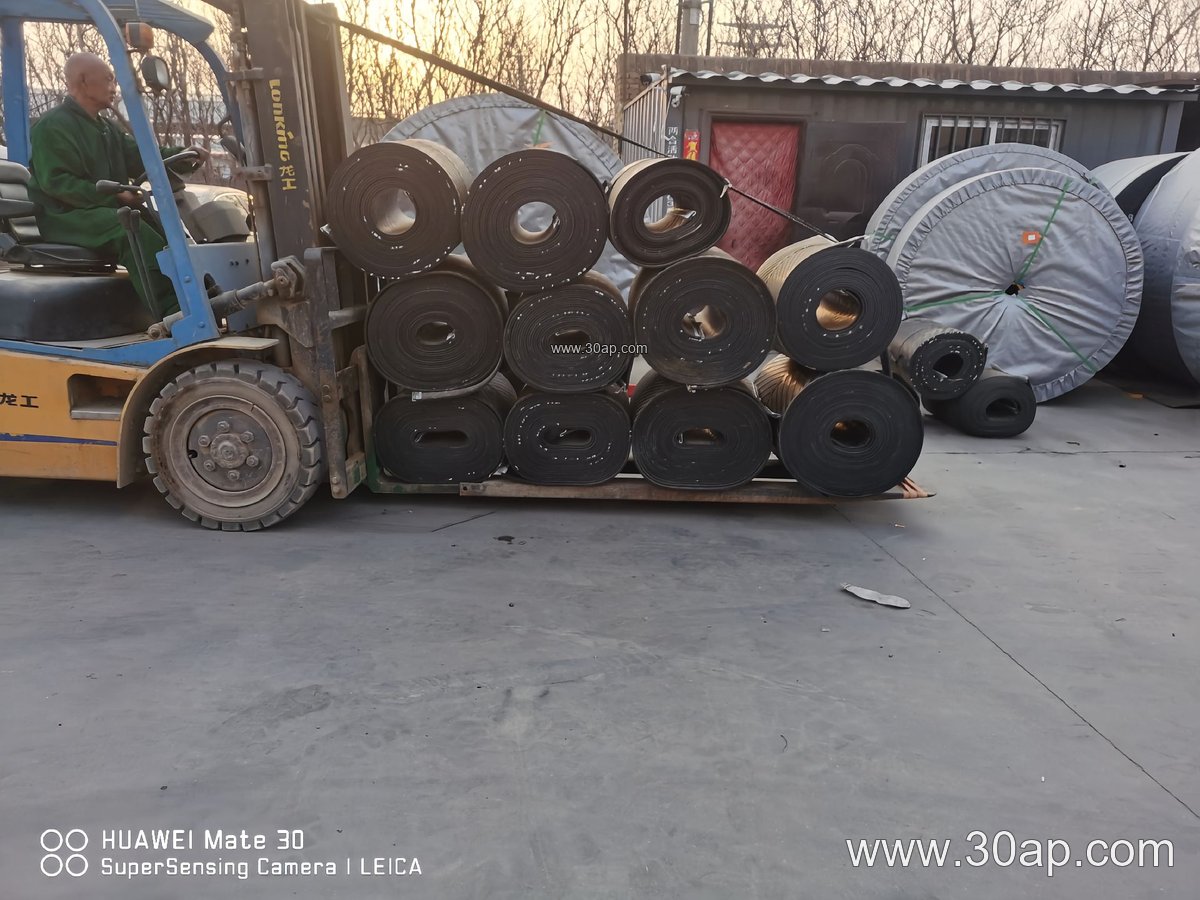
On site, check pulley lagging, idler roller rotation and belt tracking regularly. Keep the loading chute centred so material does not strike the belt edge, and inspect splices for opened steps. Storing spare belts flat, away from ozone and direct sunlight, protects the rubber before installation.
For buyers comparing quotations, ask for the ply count, cover grade and cover thickness in writing, plus the recommended minimum pulley diameter. That information, rather than the strength class alone, determines whether the belt will perform as expected in a mine, quarry, cement plant or port terminal.