What a Trough Idler Bracket Does on the Line
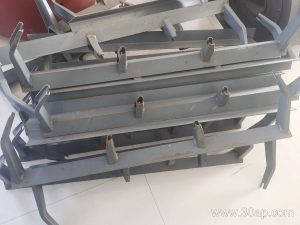
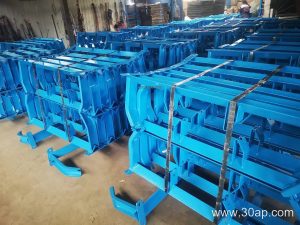
A trough idler bracket is the steel support that holds the inclined side rollers and the centre roller in a three-roll carrying set. It fixes the trough angle, keeps roller spacing constant, and transfers the weight of the loaded belt down to the conveyor stringer. In a quarry, a cement plant or a power plant coal yard, this bracket is the part that decides whether the belt sits in a clean, stable trough or wanders from side to side. Buyers often treat it as a minor item, yet the trough idler bracket, also called a carrying idler frame or troughing bracket set, controls belt tracking and roller life more than most people expect.
How the Bracket Is Built
Most frames are fabricated from angle steel, channel steel or folded steel plate, then drilled or punched for the roller shaft ends. The two wing brackets are set at the required trough angle, while the centre section carries the middle roller. Welded stops, notches or slotted holes hold the wing position. A powder-coated or galvanised finish is common for outdoor service, and hot-dip galvanising is often chosen for wet washing areas or coastal ports.
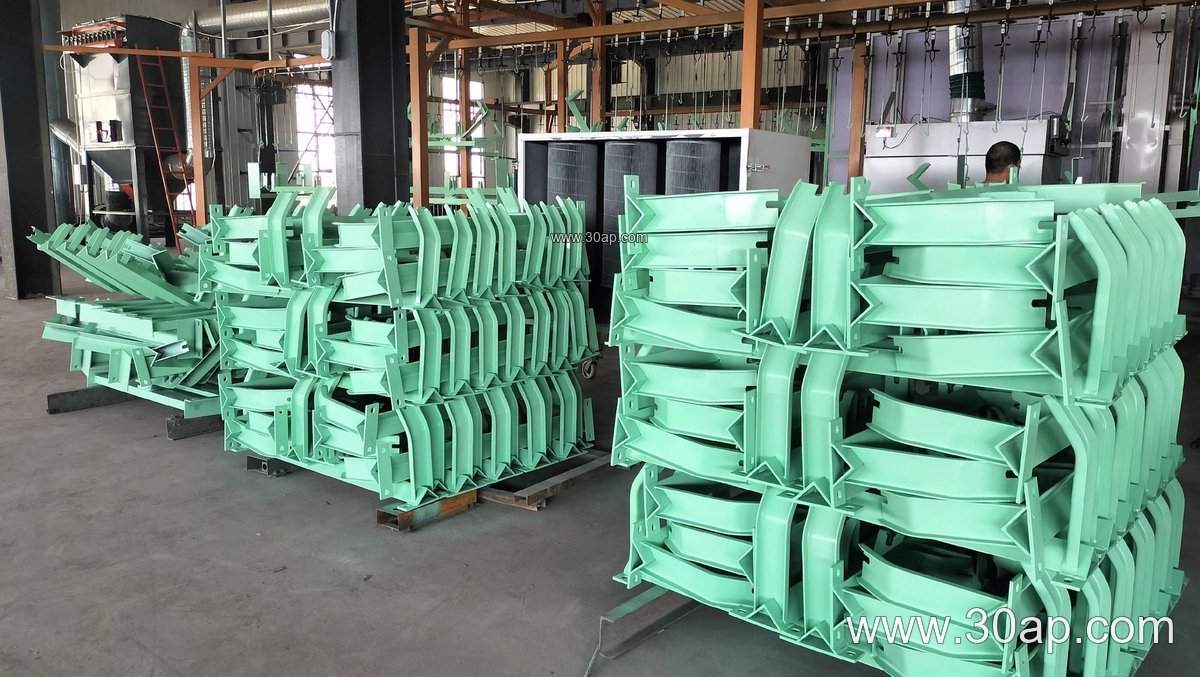
Key structural points a buyer should check:
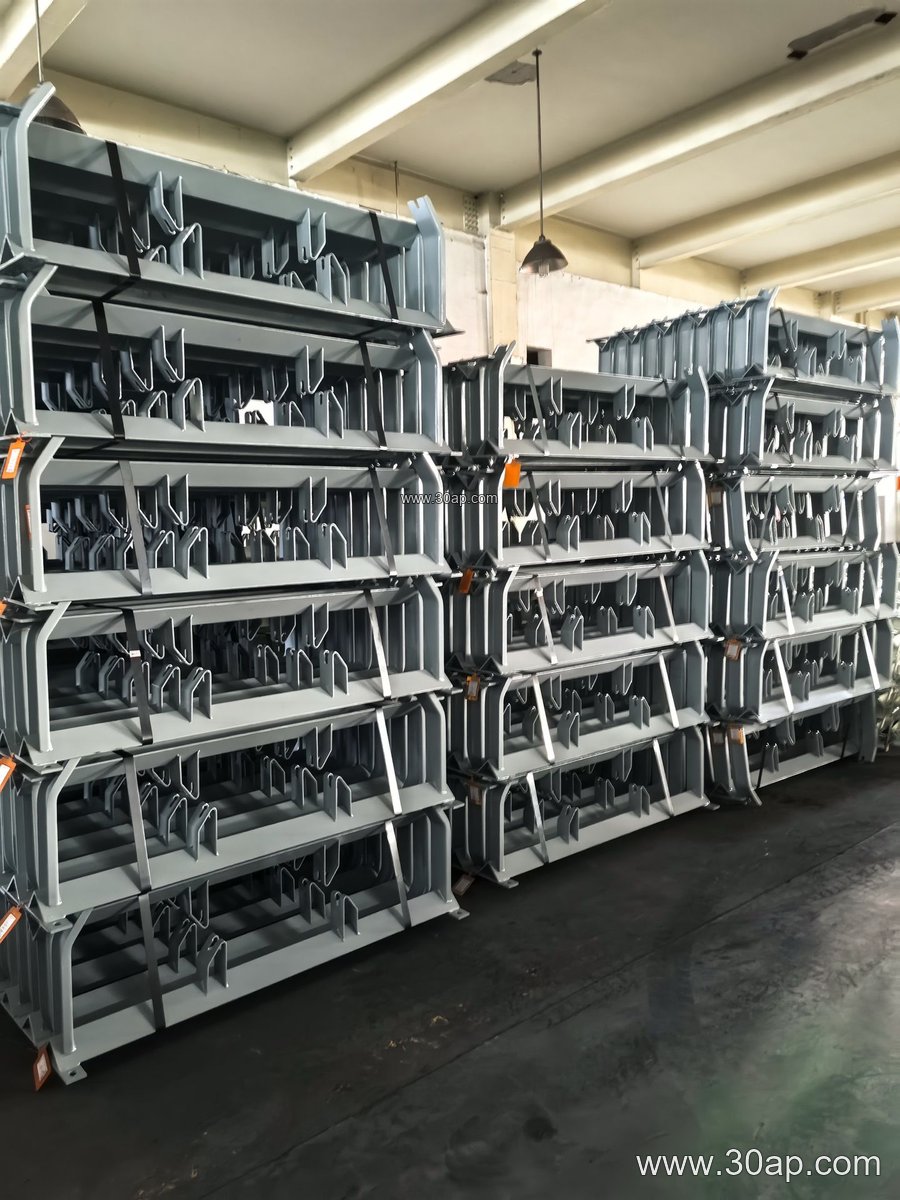
- Wing angle accuracy, since a mismatched pair will tilt the belt.
- Hole pitch and crossbeam length, which must follow the belt width and roller diameter rather than a fixed figure.
- Weld quality at the hinge or fixed joint, especially on heavy-duty mining conveyor lines.
- Whether the frame is fixed or adjustable between trough angles.
Common Configurations and Reference Dimensions
The table below lists typical combinations seen in catalogue and drawing sets. These are reference values, not a supply promise, and the final hole spacing is set by design.
| Belt width | Typical trough angle | Common roller diameter | Bracket style |
|---|---|---|---|
| B500 | 20°, 30° | Ø89 | Fixed troughing bracket |
| B650 | 30°, 35° | Ø89, Ø108 | Fixed or adjustable |
| B800 | 30°, 35°, 45° | Ø108, Ø133 | Adjustable troughing bracket |
| B1000 | 35°, 45° | Ø108, Ø133, Ø159 | Heavy-duty carrying frame |
| B1200 | 35°, 45° | Ø133, Ø159 | Heavy-duty carrying frame |
| B1400 | 35°, 45° | Ø133, Ø159, Ø194 | Transition or impact bracket |
| B1600–B2000 | 35°, 45° | Ø159, Ø194 | Mining-duty bracket |
A B800 frame at 35° with Ø108 rollers is a very common arrangement, but the same belt width can also run at 45° with Ø133 rollers where the material is fine and the belt is stiff enough. Do not assume one belt width locks in a single angle or roller size.
Fixed Versus Adjustable Trough Angle
A fixed trough idler bracket is welded at one angle, usually 30° or 35°, and is the cheaper choice for lines that always carry the same material. An adjustable version lets maintenance staff move the wing rollers between 20°, 30°, 35° and 45° to suit a change of load. Adjustable frames are useful at transfer points and in plants that handle both lumpy ore and fine cement clinker. Note that a forward-tilted bracket, often about 1.5° to 2° ahead of the belt direction, is a separate tracking measure and should not be confused with the trough angle setting.
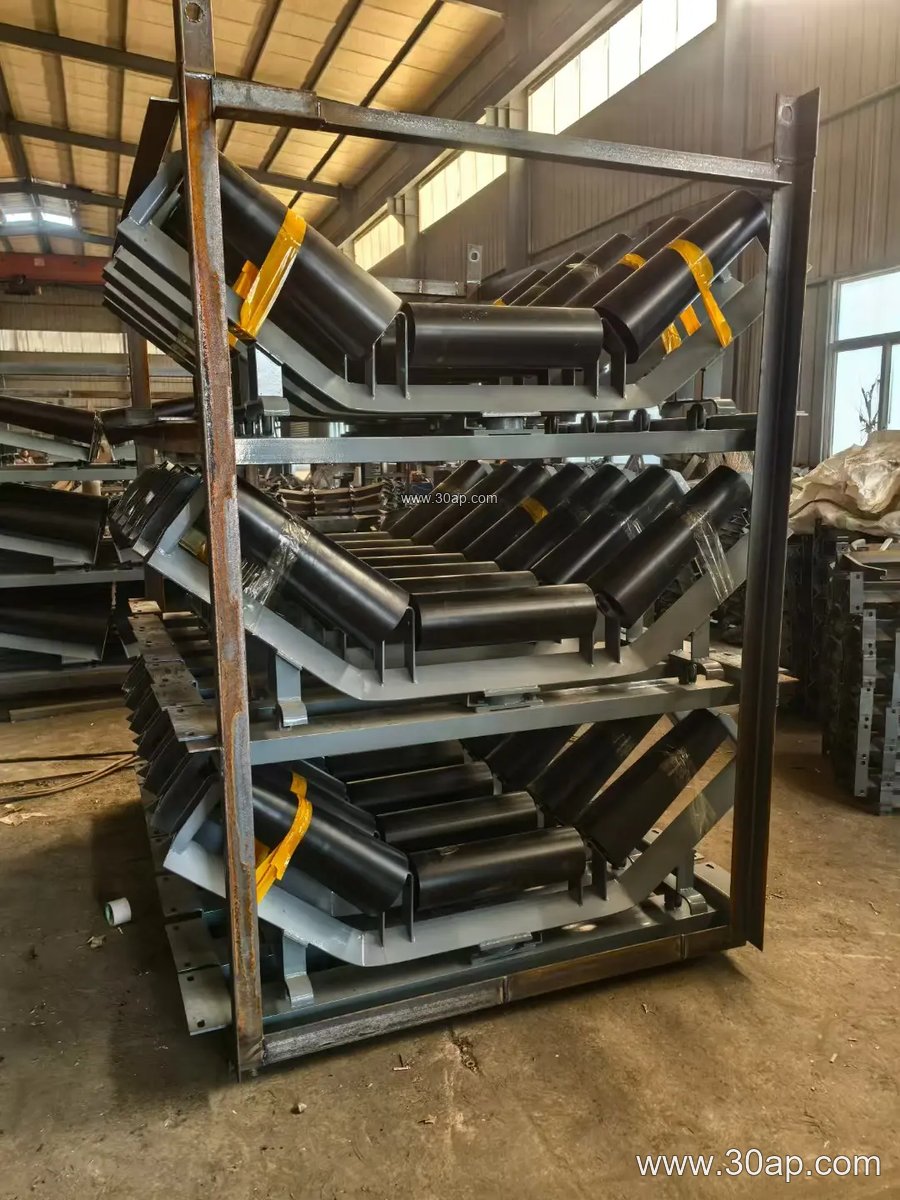
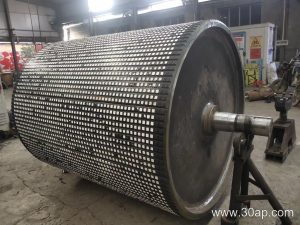
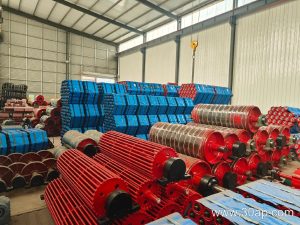
Related equipment matters here. The bracket works with the idler roller, the conveyor belt and, at the head, the drive pulley; at the tail, the tail pulley; and at curves, the bend pulley. These pulley types are not interchangeable, and the bracket selection should follow the actual roller set, not the pulley layout.
Where It Fits in Real Plants
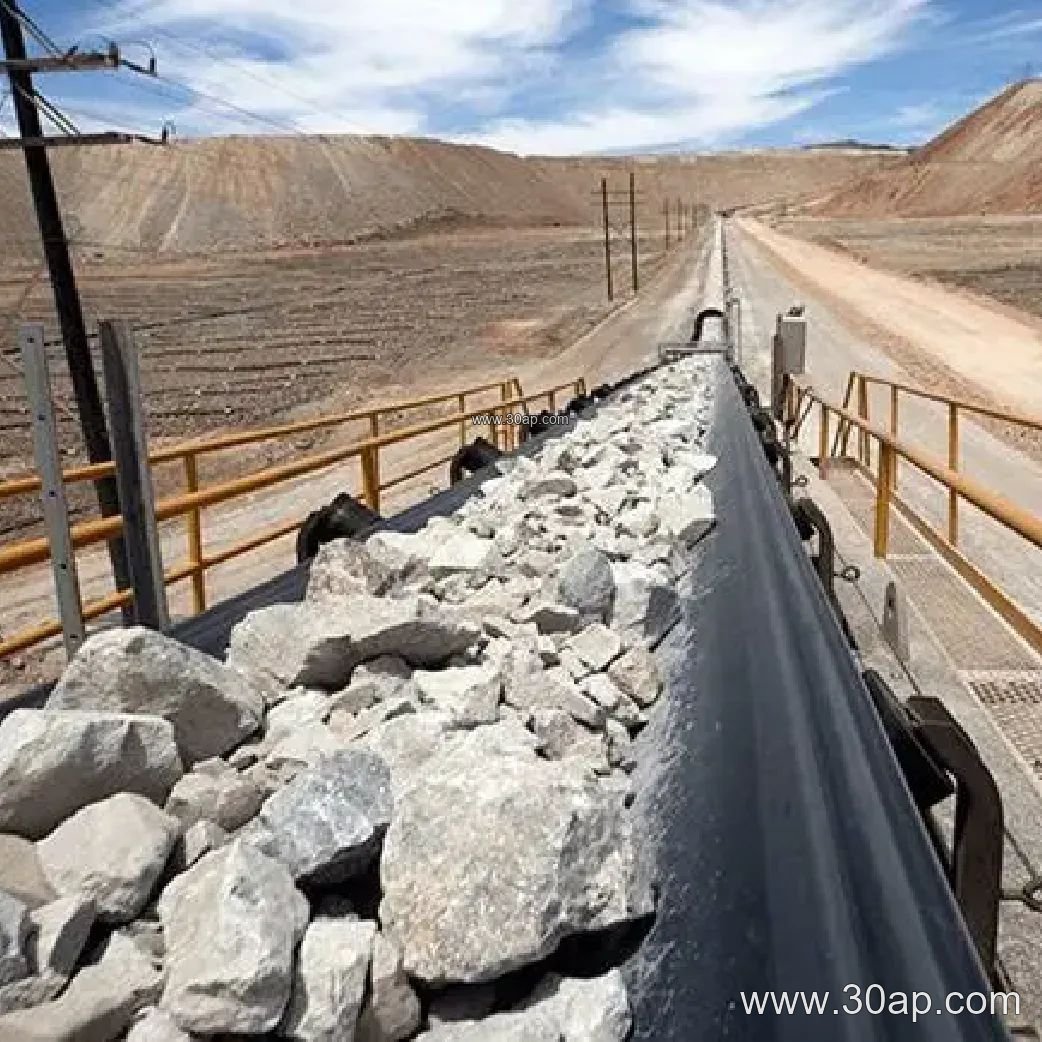
In a limestone quarry or a sand and gravel line, troughing brackets carry abrasive rock on an abrasion resistant conveyor belt and take constant impact after the crusher. In a coal washing plant, flame retardant and anti-static grades of belting are normal, and the bracket finish needs to survive wash water. In a cement plant, heat resistant or oil resistant belts may appear near the kiln and the packing area, while the bracket itself mainly needs accurate roller alignment. Port bulk terminals handling iron ore or copper ore concentrate favour heavy-duty frames with thick shafts.
At a transfer chute, a transition bracket or impact bracket with closer roller spacing and rubber rings reduces belt sag and spillage. On the return side, a V-return bracket is a different component and should not be substituted for the carrying bracket discussed here.
What to Confirm Before Ordering
- Belt width and the actual roller diameter, not just the nominal series.
- Trough angle needed at each station, and whether adjustment is required.
- Hole pitch, crossbeam length and mounting method, taken from the drawing.
- Material and surface finish for the site environment.
- Compatibility with the existing idler roller shafts and stringer holes.
Maintenance is simple: check for bent wings, loose bolts and worn roller seats at each shutdown. A straight, well-fixed trough idler bracket keeps the belt centred, protects the conveyor pulley from off-centre loads and extends roller life across the whole conveyor run.