What a Conveyor Bracket Assembly Does
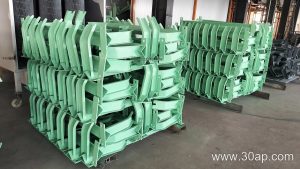
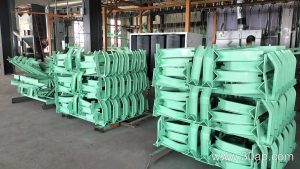
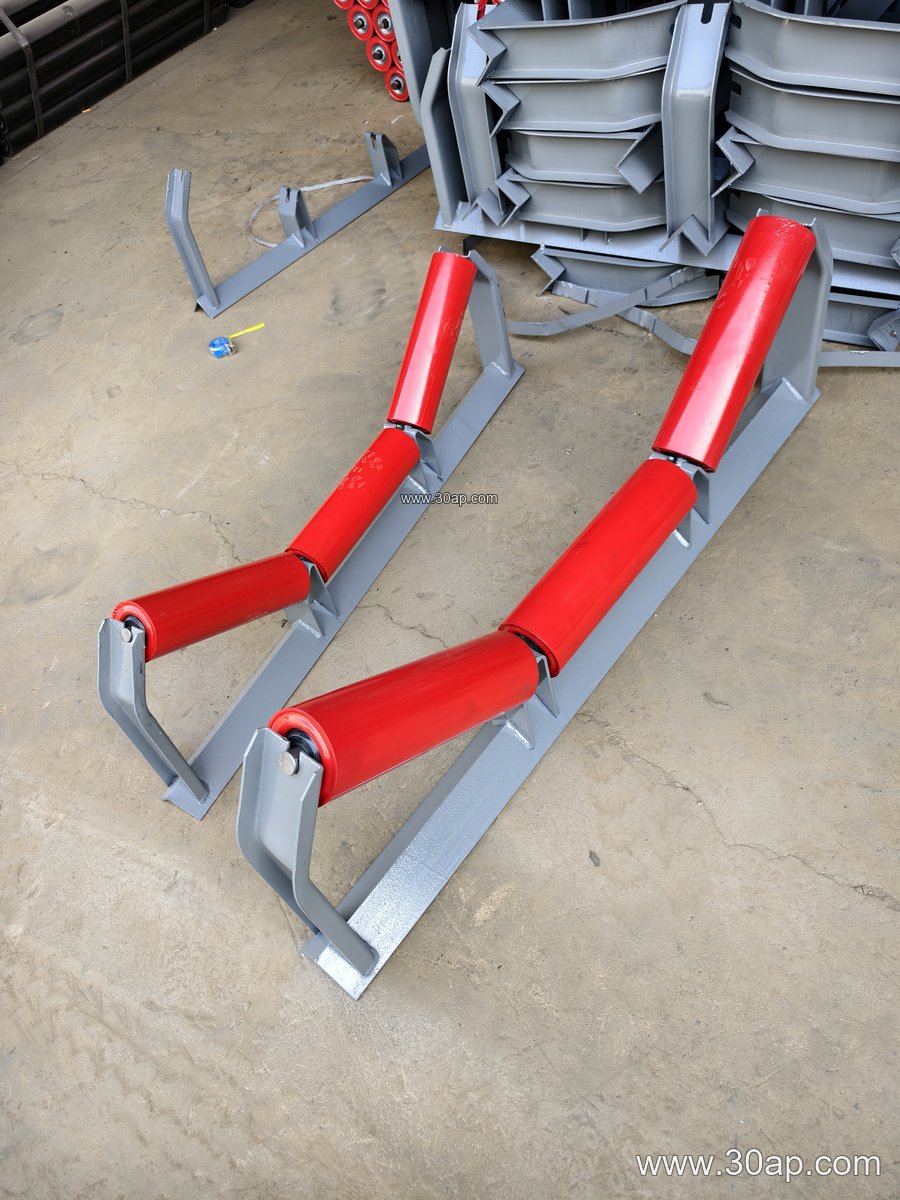
A Conveyor Bracket Assembly is the structural group that holds the idler rollers in the correct position under and around the conveyor belt. It is more than a single piece of bent steel: the assembly usually includes a crossbeam, mounting plates, angle or channel sections, and the fixing points where the idlers sit. In a typical troughed carrying run, the bracket assembly sets the trough angle, keeps the roller spacing steady, and transfers the load of the belt and material into the conveyor frame.
The same functional part is often called a conveyor idler bracket assembly or roller support bracket set. These names describe the same product group, and the exact wording varies between workshops and drawing packages.
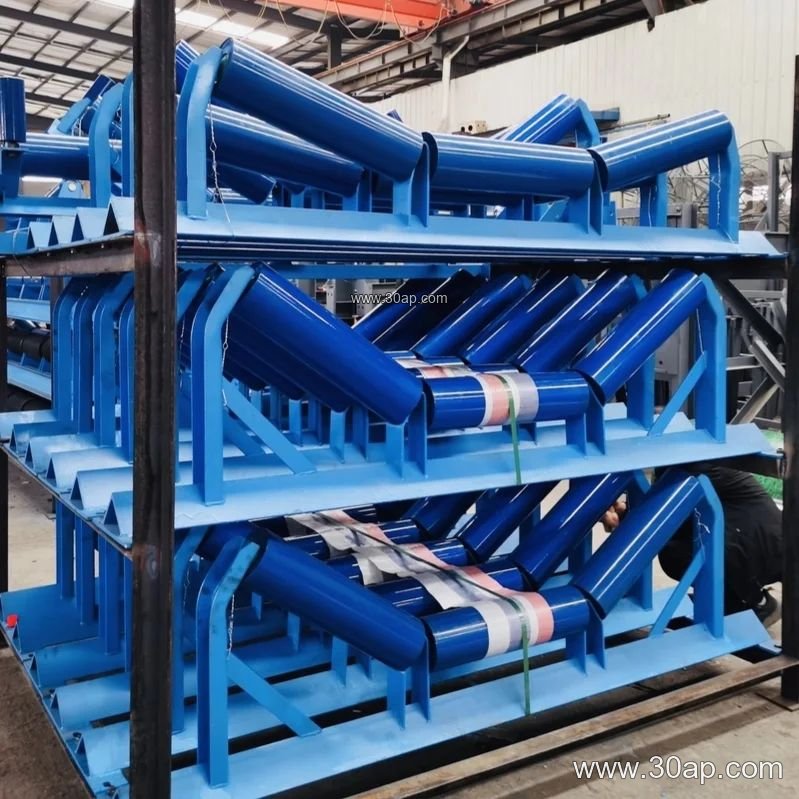
How the Assembly Is Built
Most bracket assemblies are fabricated from angle steel, channel steel, or folded steel plate. The choice depends on the load, the belt width, and the environment. A heavy-duty mining conveyor may need thicker channel sections and reinforced welds, while a smaller aggregate line can use lighter folded plate.
Key construction points include:
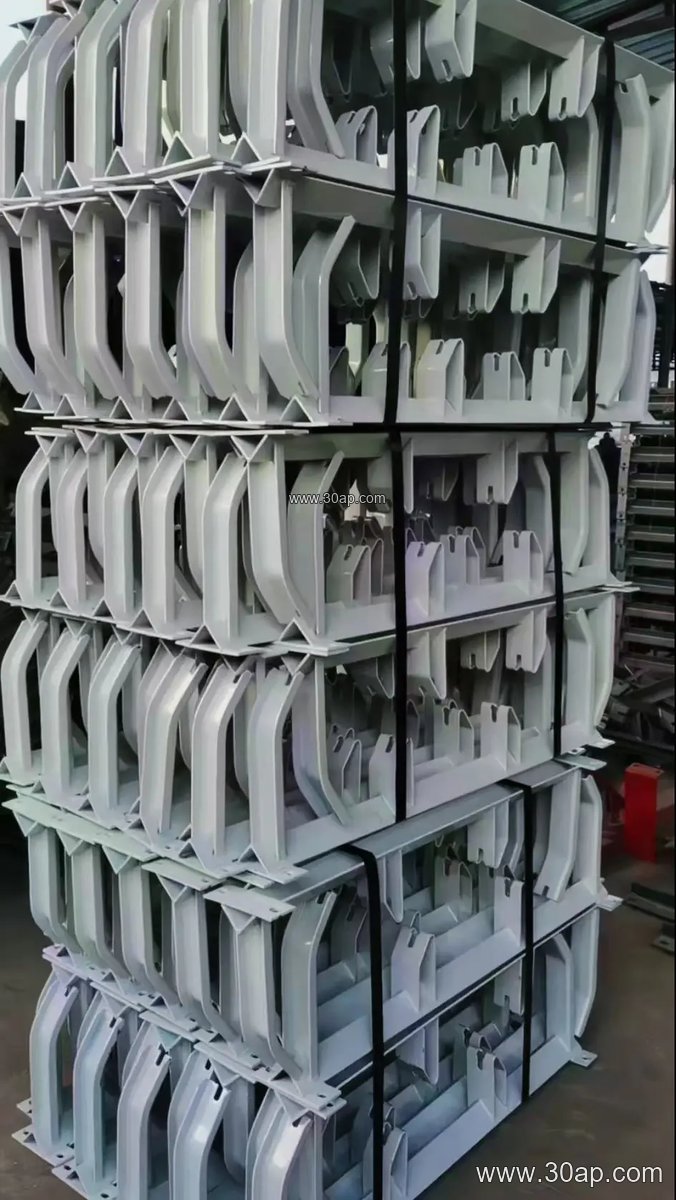
- Crossbeam length matched to the belt width and trough angle
- Mounting holes positioned for the selected idler roller diameter
- Welded or bolted joints, with bolted designs easier to replace on site
- Surface treatment for dust, moisture, and corrosion exposure
Because hole spacing and beam length change with belt width and trough angle, these dimensions are normally confirmed against the conveyor drawing rather than treated as fixed values.
Where It Fits on the Conveyor
The carrying-side bracket assembly sits on the main frame and supports the troughed idlers. On the return side, a separate return bracket or V-type return bracket holds the lower rollers. Transition brackets are placed near the head and tail to guide the belt from flat to troughed shape. Impact brackets with cushion rollers are common below crusher discharge points in a quarry, a limestone mine, or a sand and gravel line.
In a coal washing plant or a power plant coal handling system, a flame retardant conveyor belt is often paired with sturdy bracket assemblies that resist vibration and fine dust. In a cement plant, heat resistant conveyor belt grades may be used near clinker areas, while the brackets must still keep roller alignment accurate.
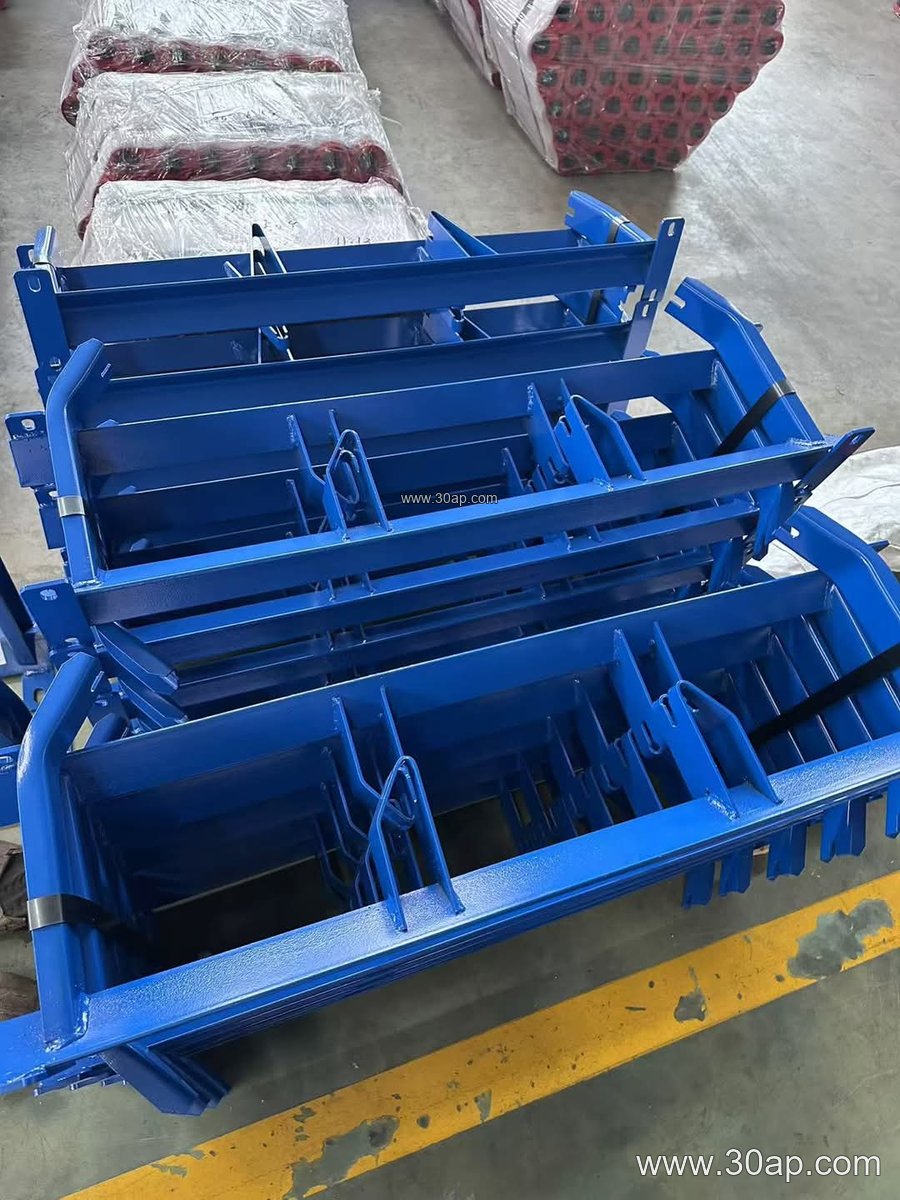
Common Configurations and Reference Dimensions
Bracket assemblies are usually described together with belt width, trough angle, and roller diameter. The table below gives common reference combinations, not mandatory matches.
| Belt width | Trough angle | Roller diameter | Typical bracket style |
|---|---|---|---|
| B650 | 30 degrees | Ø89 | Troughed carrying bracket |
| B800 | 35 degrees | Ø108 | Troughed or transition bracket |
| B1000 | 35 degrees | Ø108 / Ø133 | Troughed carrying bracket |
| B1200 | 45 degrees | Ø133 | Heavy carrying bracket |
| B1400 | 35 degrees | Ø159 | Heavy-duty carrying bracket |
| B1600 | 45 degrees | Ø159 / Ø194 | Mining bracket assembly |
Adjustable brackets allow the trough angle to be set between common values such as 20, 30, 35, and 45 degrees. Forward-leaning designs are often set at about 1.5 to 2 degrees to help belt tracking. A belt width does not lock the design to one angle or one roller diameter; the final combination follows the conveyor design and the material being handled.
Buyer Checklist
Before ordering, confirm the belt width, the required trough angle, the idler roller diameter, and the mounting hole pattern. Ask whether the frame uses bolted or welded connections, and check the surface treatment for the site conditions. For a quarry conveyor belt or an ore conveyor belt carrying abrasive rock, thicker sections and cushion brackets are worth discussing. For a port or ship loading conveyor belt, corrosion protection and easy roller replacement matter more.
Match the bracket assembly to the actual conveyor pulley layout and belt path, and keep spare brackets for transition and impact zones where wear is highest. A well-chosen Conveyor Bracket Assembly keeps the idlers square, the belt stable, and maintenance predictable.