What an Industrial Conveyor Idler Does on the Line
An industrial conveyor idler is the rotating roller assembly that supports the conveyor belt along its carrying and return runs. It keeps the belt in a stable profile, reduces friction, and helps the load travel smoothly from the load point to the discharge. In a limestone quarry or a coal-fired power plant, dozens or even hundreds of idlers sit under one belt, so each unit has to match the belt width, the material load, and the working environment. A well-matched idler roller also protects the conveyor belt from edge damage and excessive sag between support points.
Main parts of the assembly
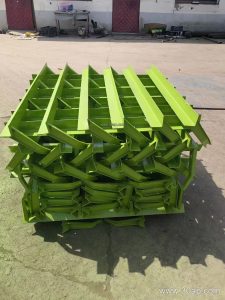
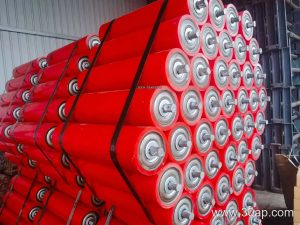
A typical idler is built from a steel tube shell, a shaft, bearing housings, seals, and a set of bearings. The shell may be plain steel, nylon-coated, ceramic-covered, or fitted with rubber rings for impact absorption. Sealing is critical in dusty conditions such as crushing and screening plants, because fine grit that reaches the bearing shortens service life quickly. The idler is mounted on a conveyor bracket or frame, and the bracket position determines the trough angle and the belt line.
Idler Types and Where They Sit
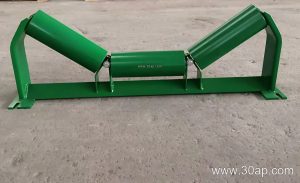
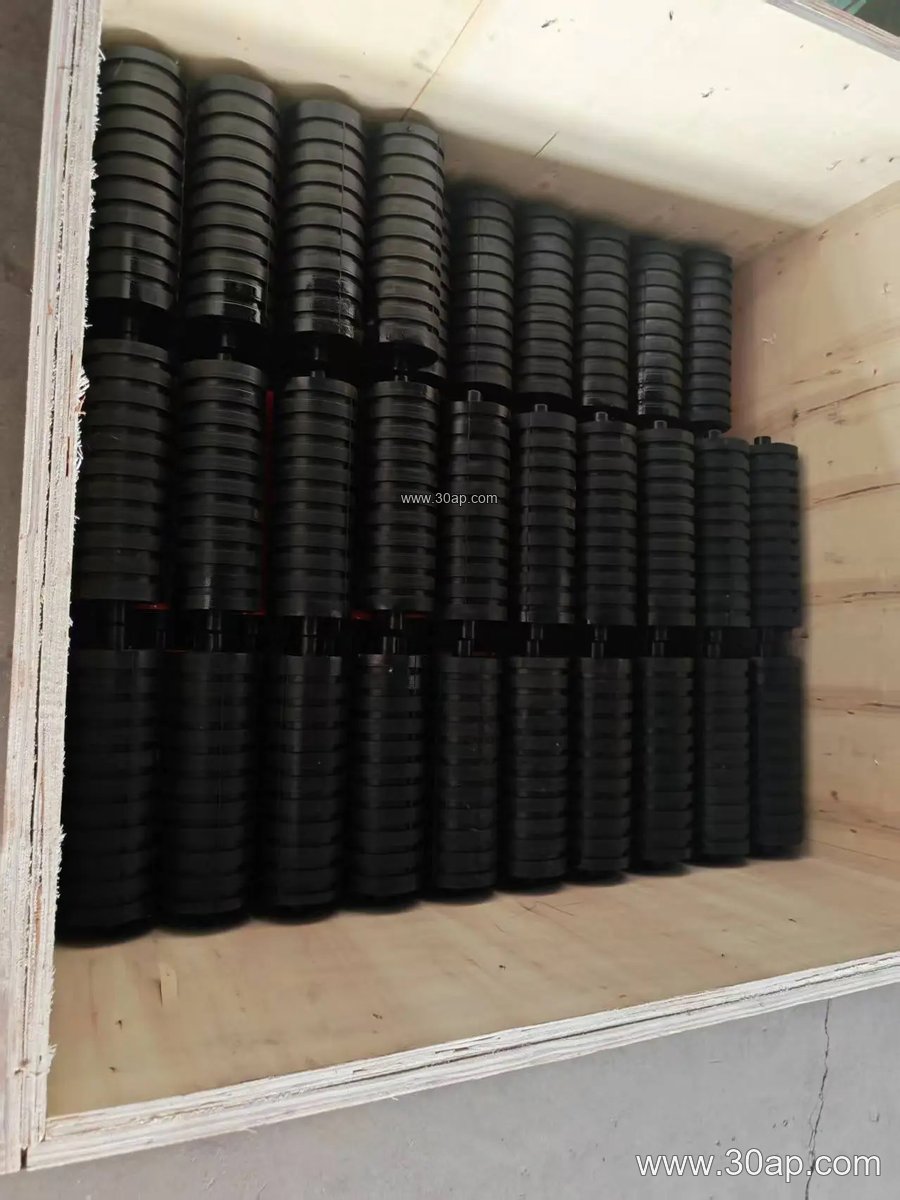
Troughing idlers form the carrying run and are usually arranged in two- or three-roll sets. Return idlers support the empty belt underneath; V-shaped return sets help center the belt, while flat return rollers suit simpler layouts. Impact idlers with rubber rings are placed below the loading point in a crusher or aggregate line to absorb falling material energy. Training idlers, including friction and tapered designs, correct belt misalignment on long runs. Spiral idlers can help shed sticky material in wet or clay-heavy service.
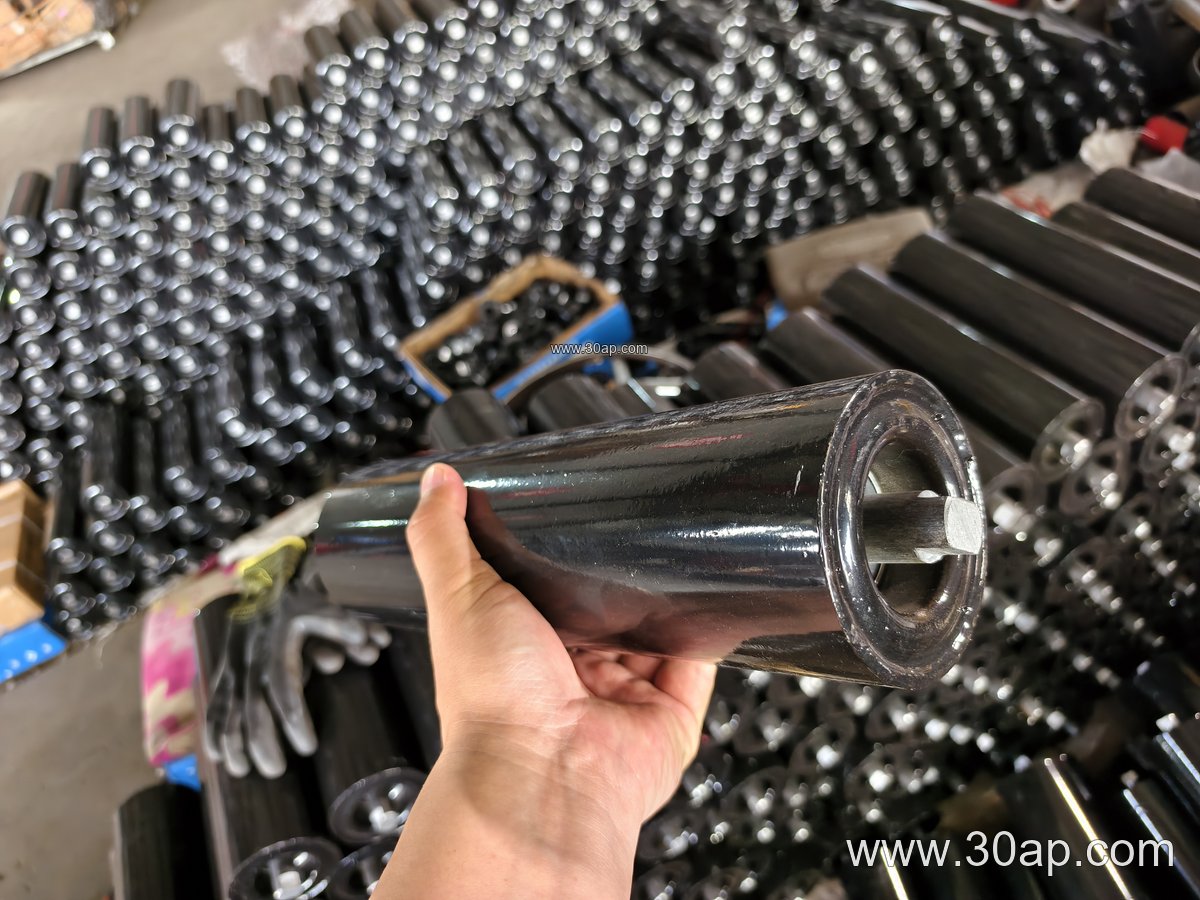
- Troughing set: carries bulk material on the top run
- Impact set: cushions the belt at transfer points
- Return set: supports the empty belt on the bottom run
- Training set: keeps the belt centered
Diameter, Width, and Trough Angle
Idler diameter is selected with belt speed, load, and shaft strength in mind. Common roller diameters include Ø63, Ø76, Ø89, Ø102, Ø108, Ø127, Ø133, Ø159, Ø178, Ø194, and Ø219 mm. Belt widths range from B400 up to B2400 in many bulk handling projects, and roller length changes with belt width, trough angle, and roll arrangement. For a three-roll troughing set, typical roll lengths might be about 200 mm for B500, 315 mm for B800, 380 mm for B1000, 465 mm for B1200, and 600 mm for B1600, but side rolls and center rolls can differ and the final value is set by design. Trough angles of 20, 30, 35, and 45 degrees are common; a steeper angle suits fine, free-flowing material, while a shallower angle may be used where the belt is stiff or the load is lumpy.
| Parameter | Common reference range |
|---|---|
| Roller diameter | Ø63 to Ø219 mm |
| Belt width | B400 to B2400 |
| Trough angle | 20°, 30°, 35°, 45° |
| Bearing examples | 6204, 6205, 6305, 6306, 6308, 6310 |
| Roll surface | Steel, nylon, ceramic, rubber ring |
Bearing numbers are examples, not fixed pairings. A given roller diameter can use more than one bearing size depending on load rating and shaft design.
Applications Across Bulk Handling Industries
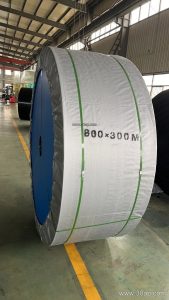
The same basic idler appears in very different plants. In a coal mining conveyor or underground coal mining conveyor, flame retardant and anti-static properties of the belt matter, and idlers must tolerate dust and moisture. In a cement plant, abrasive clinker and limestone demand sturdy shells and good sealing. Port ship loading systems use long conveyors with many idlers, so low rolling resistance and easy replacement pay off. A stone crushing line relies on impact idlers at the feed point, while a steel plant conveyor may face heat and scale. Matching the idler to the conveyor belt type, such as an EP conveyor belt, steel cord conveyor belt, or chevron conveyor belt, keeps the whole system running efficiently.
What Buyers Should Check Before Ordering
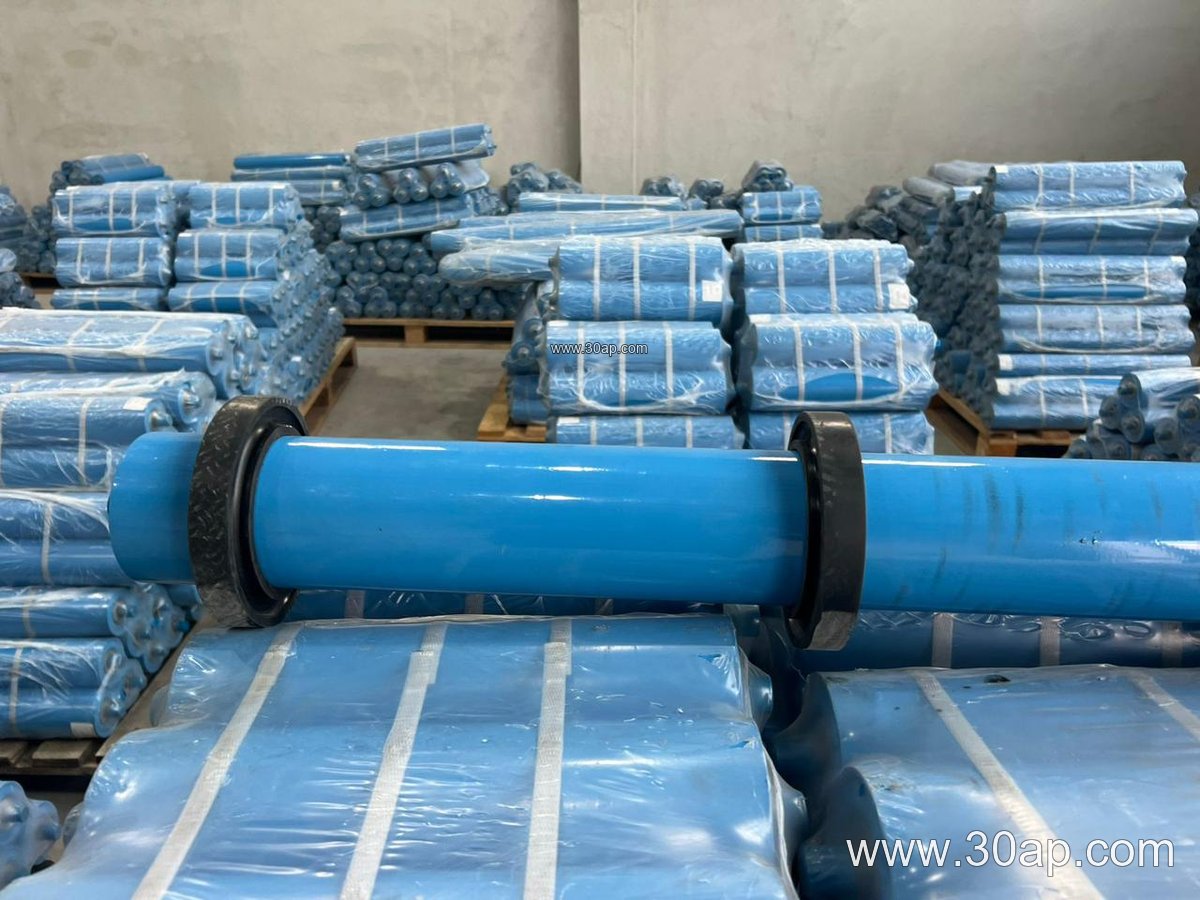
Start with the belt width, belt speed, material density, and the load per meter. Confirm the trough angle and whether the frame uses two-roll or three-roll sets. Check the shaft end type and bracket dimensions so the idler fits the existing conveyor bracket without modification. Ask about seal design for dusty or wet service, and specify rubber-ring impact rollers where the drop height is significant. For long overland or port conveyors, consider idler run-out and balance, because vibration increases bearing wear. Spare parts planning also matters: keeping a few complete idler sets and bearings on site reduces downtime in a busy quarry or power plant.
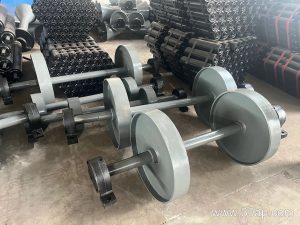
Finally, review the full conveyor layout. The drive pulley, tail pulley, and bend pulley have separate roles from the idlers, and they are not interchangeable with carrying or return rollers. A correctly specified industrial conveyor idler, paired with a suitable conveyor belt and pulley system, supports reliable transport from the primary crusher to the stockpile or ship loader.