What the Trough Idler Bracket Set Does
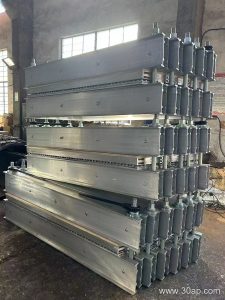
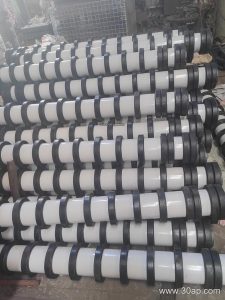
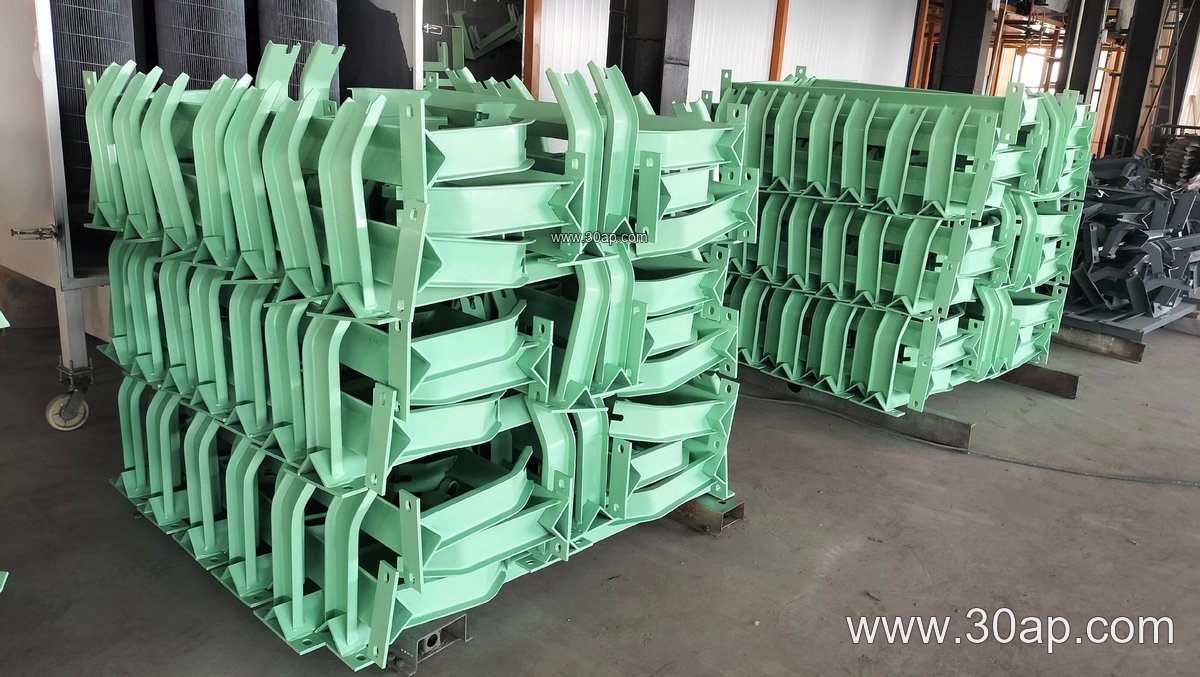
The trough idler bracket set is the steel frame family that holds the carrying-side idler rollers in a troughed profile, so the conveyor belt forms a stable channel for bulk material. In a quarry or a power plant coal yard, the belt is the most visible part of the line, but the troughing frame underneath decides how well that belt behaves. A bracket set typically includes the cross beam or base, the side wings or brackets that set the trough angle, and the mounting points for each idler roller. When the set is correctly matched to the belt width and load, the belt tracks straighter, spillage drops, and roller life improves.
Construction and Common Materials
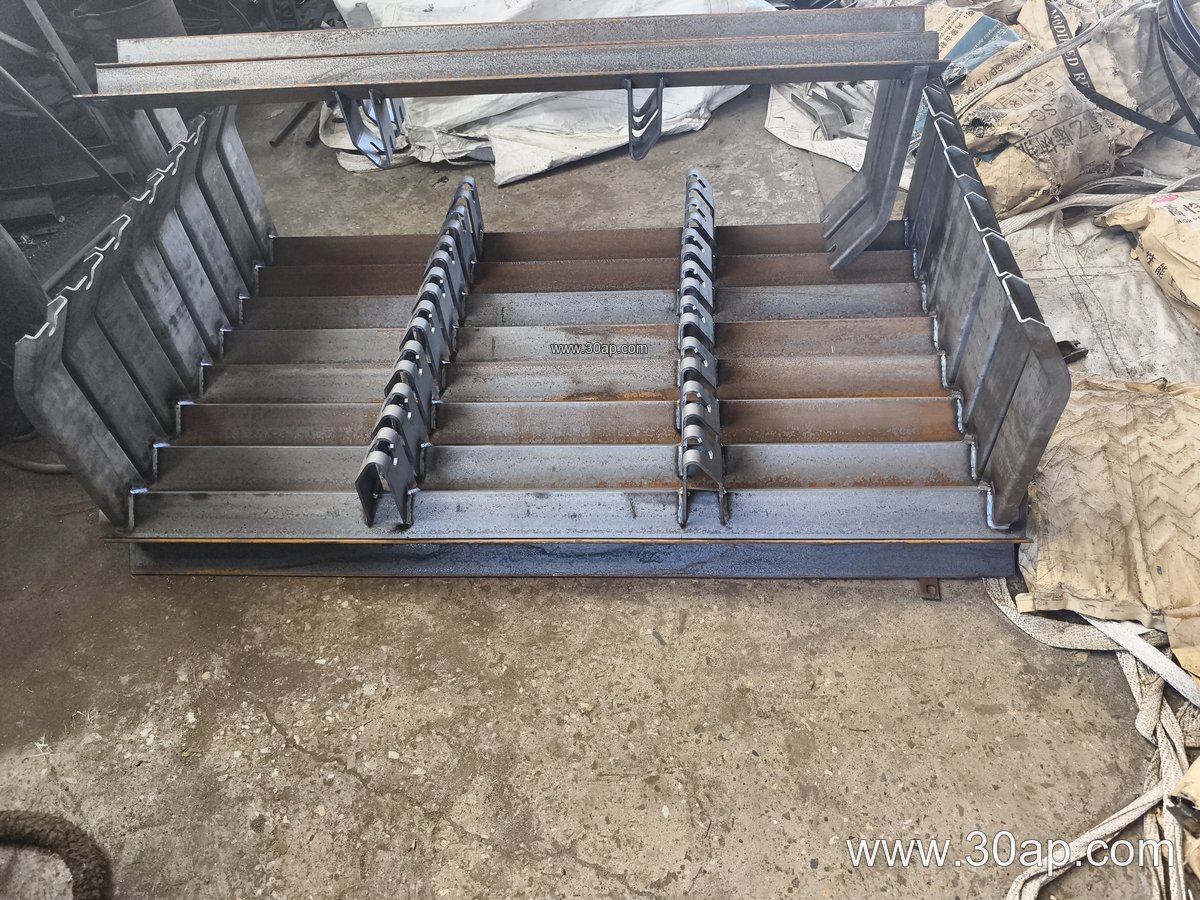
Most sets are fabricated from angle steel, channel steel, or folded steel plate, then drilled or punched for idler shafts and frame bolts. Welded brackets are common in heavy-duty service, while bolted designs simplify replacement in confined transfer points. Surface treatment matters in wet or dusty plants, so buyers often ask for galvanized or painted finishes depending on the environment. The bracket set should be treated as a structural item, not a small accessory, because it carries the weight of the belt plus the material load across every span.
Where It Fits in the Conveyor Line
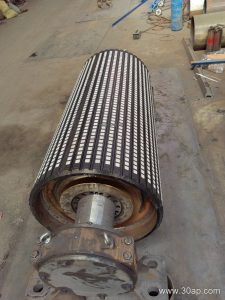
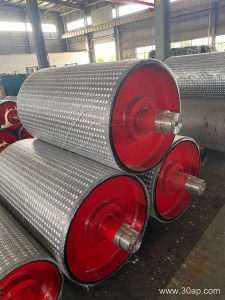
These frames are installed on the carrying side of a conveyor, between the head and tail areas, and they are often paired with return-side frames of a different design. They are not interchangeable with a drive pulley, tail pulley, or bend pulley, which are separate components with different functions. In a cement plant or a limestone crushing line, a troughing set may sit on a stringer frame every few meters, while transition brackets near the loading point ease the belt from a flat to a troughed shape.
Common Configurations and Reference Data
Design data varies with the conveyor, so the values below are common references, not fixed rules. Belt width, trough angle, and roller diameter should be confirmed against the actual conveyor design.
| Item | Common Reference Values |
|---|---|
| Belt width | B500, B650, B800, B1000, B1200, B1400, B1600, B1800 |
| Trough angle | 20°, 30°, 35°, 45° |
| Idler roller diameter | Ø89, Ø108, Ø133, Ø159, Ø194 |
| Bracket material | Angle steel, channel steel, folded steel plate |
| Typical combinations | B800 with 35° and Ø108; B1200 with 45° and Ø133; B650 with 30° and Ø89 |
A bracket set is often described by belt width and angle, for example a B1000, 35° troughing frame. Adjustable brackets allow the trough angle to be changed within a range, while fixed brackets lock one angle. Forward-leaning brackets are usually set around 1.5° to 2° to help belt training. Hole spacing and beam length change with belt width and angle, so they should be taken from the conveyor drawing rather than assumed.
Selection Notes for Buyers
- Match the frame to the actual belt width and roller diameter, not to a nominal catalog number alone.
- Confirm whether the application needs fixed or adjustable trough angles, especially at transition zones.
- Check the mounting hole pattern against the existing stringers and idler shafts.
- Consider the material being carried, since abrasive ore or hot clinker may call for heavier frames and suitable rollers.
- When replacing a set, keep the same trough angle and roller spacing unless the conveyor design is being changed.
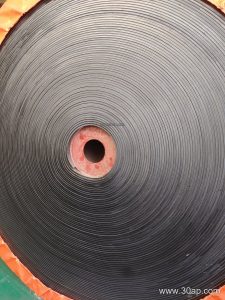
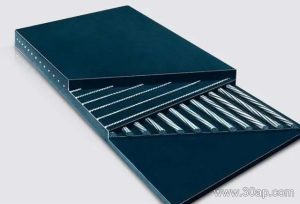
Buyers working with an EP conveyor belt or a steel cord conveyor belt on the same line should remember that the belt type affects loading but does not replace the need for a correctly sized bracket set. In a coal mining conveyor belt system, flame retardant conveyor belt grades are common, and the frame still needs to suit the belt width and roller size.
Installation and Maintenance Basics
During installation, align the brackets so all idlers sit at the same height and angle, then tighten fasteners evenly. Check that the belt sits centered in the trough and that no bracket touches the belt edge. In service, inspect for loose bolts, bent wings, and worn idler rollers, since a damaged bracket can cause belt misalignment and edge damage. For harsh sites, such as an iron ore or copper ore operation, a periodic walk of the carrying side helps catch frame problems before they affect the conveyor belt. Replacement sets should be checked against the original drawing, and a spare set kept for critical lines is a practical choice in many plants.
For related components, users often compare troughing frames with return frames, impact frames, and self-aligning frames, but the trough idler bracket set remains the carrying-side support that shapes the belt. Whether the plant handles sand and gravel, cement, or power station coal, the right bracket set keeps the belt running quietly and the material where it belongs.