What an Impact Resistant Conveyor Belt Is
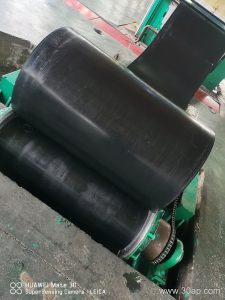
An impact resistant conveyor belt is a heavy-duty rubber belt built to absorb the shock of large, sharp or fast-falling material at loading and transfer points. In mines, quarries, cement plants, power stations and sand and gravel yards, rock, ore and clinker often drop from chutes, crushers or screens with considerable force. A standard belt may cut, gouge or delaminate under that treatment, while an impact resistant conveyor belt distributes the energy across a tougher carcass and a thicker, more resilient cover.
The product is also described as a shock-absorbing belt or a high impact conveyor belt. It remains a fabric or steel reinforced rubber belt; the impact resistance comes from the way the carcass and covers are designed together, not from a separate product category.
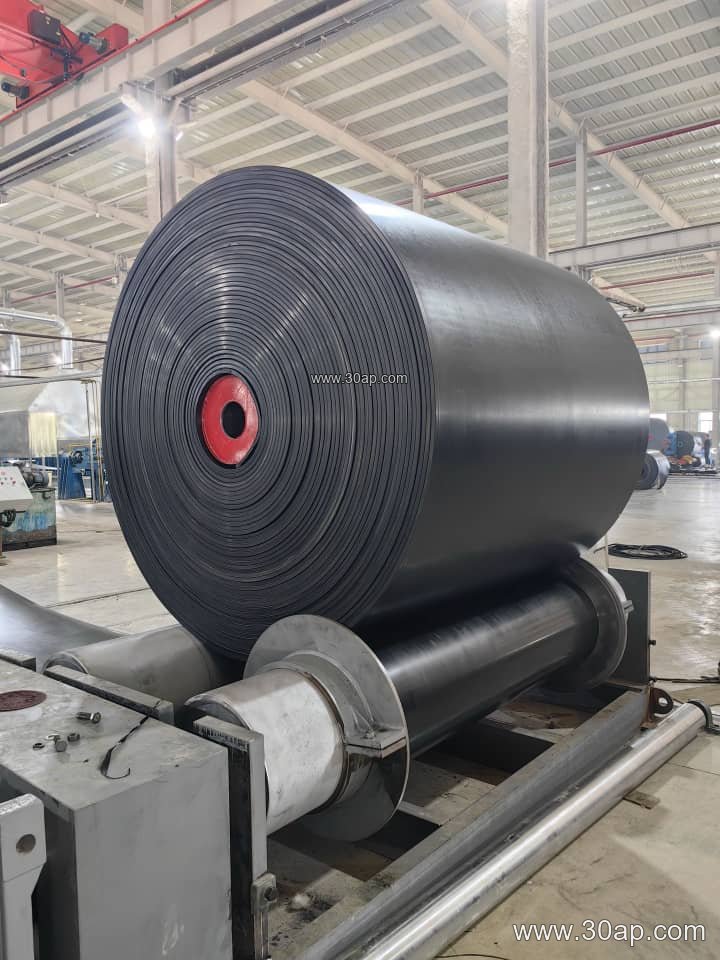
How the Belt Is Built
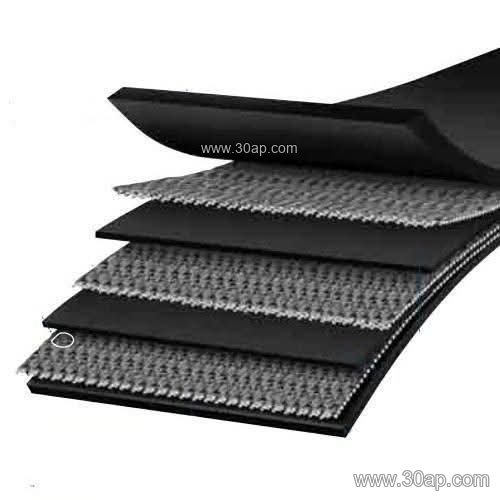
Construction usually starts with a multi-ply fabric core, such as an EP conveyor belt or an NN conveyor belt, or with a steel cord conveyor belt for very long, high-tension runs. A buffer layer of rubber or a breaker fabric is often placed under the top cover to spread point loads before they reach the load-bearing plies.
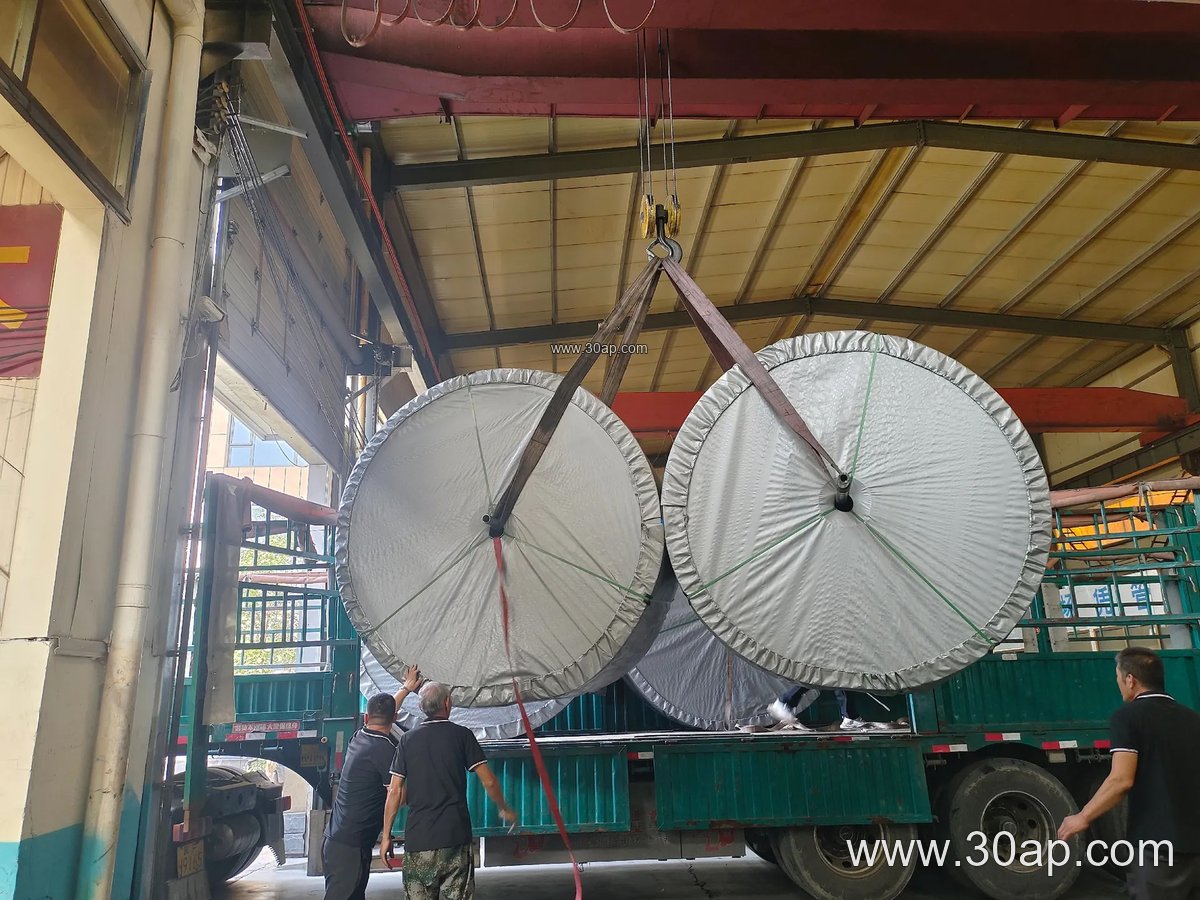
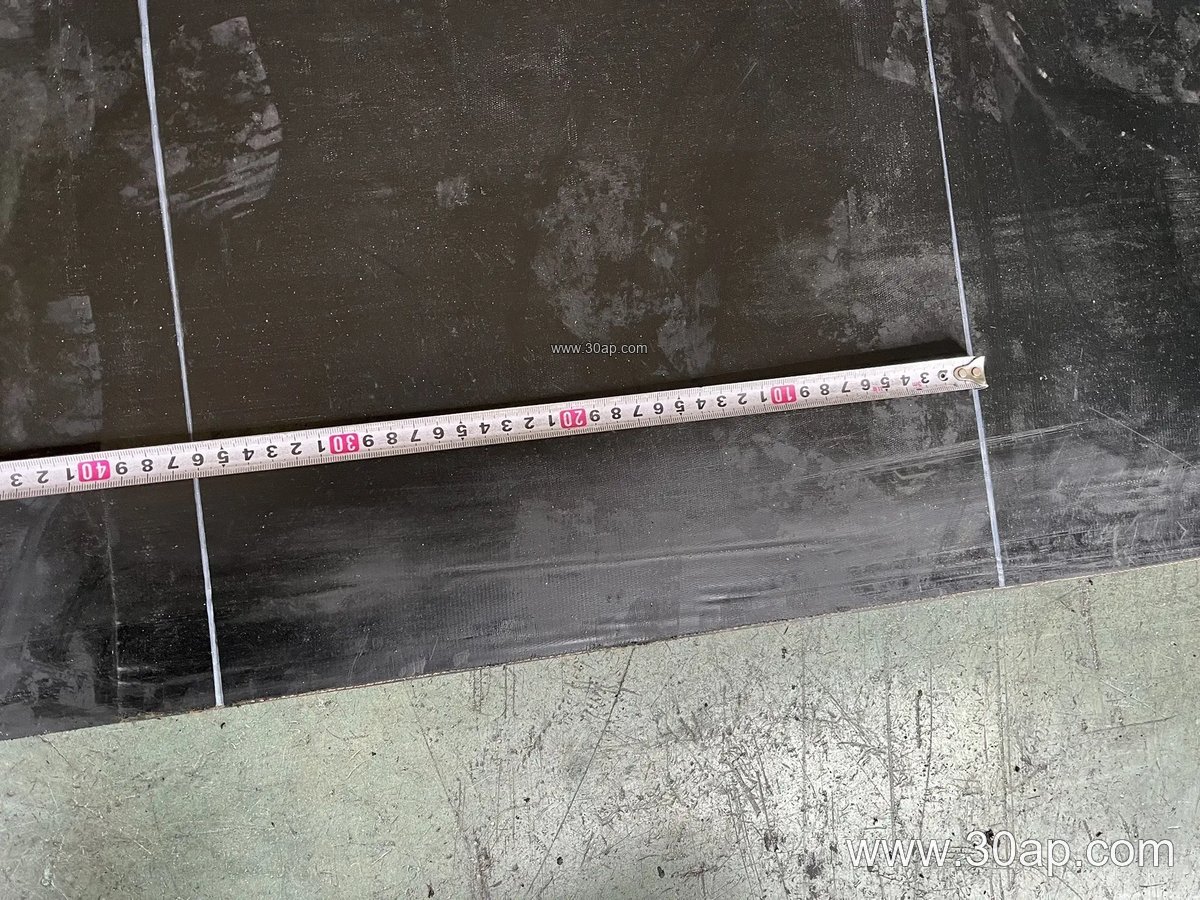
The top cover is commonly thicker than on general-purpose belting, and the rubber compound is chosen for high elasticity and tear resistance. A typical specification might show cover thicknesses of 6+2 mm or 8+3 mm, with a 3 to 6 ply carcass, but these values are common references rather than fixed rules. Buyers should confirm the actual construction with the manufacturer for each application.
Common reference data for specification discussions
| Item | Typical reference range |
|---|---|
| Belt type | EP conveyor belt, NN conveyor belt, steel cord conveyor belt |
| Strength grades | EP200, EP315, EP400, EP630, EP800, EP1000, EP1250 |
| Belt width | B650, B800, B1000, B1200, B1400, B1600, B1800 |
| Cover thickness | 4+2 mm, 5+2 mm, 6+2 mm, 8+3 mm |
| Carcass plies | 2 to 6 plies, depending on tension and impact load |
These figures are for orientation only. Impact energy, lump size, drop height and throughput decide the final selection, and different suppliers offer different ranges.
Where It Is Used
Impact resistant belting is common at primary crushing stations in metal mines and quarries, where run-of-mine rock lands on the belt. It also suits coal preparation plants and underground coal mining conveyor systems, cement plant clinker and limestone handling, power plant coal yards, and aggregate or sand making plants. Port terminals and ship loading conveyors may use it where material falls from height.
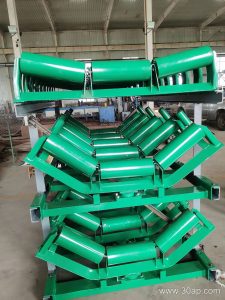
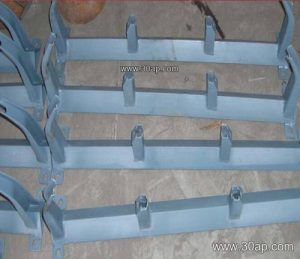
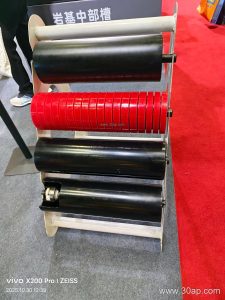
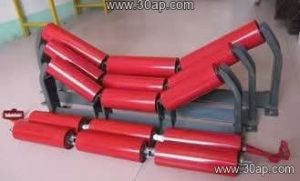
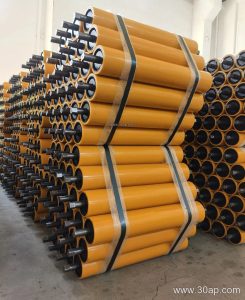
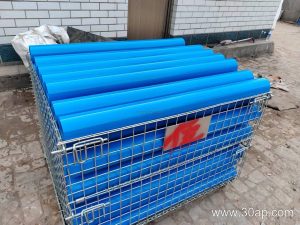
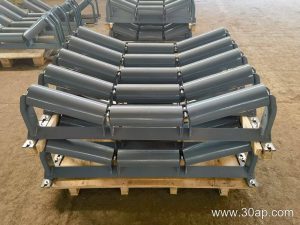
In these layouts the belt works with conveyor pulleys, idler rollers and conveyor brackets. Drive pulleys, tail pulleys and bend pulleys each have their own role and should be specified separately. Impact beds or closely spaced idler rollers under the loading zone help the belt carry shock without sagging.
Selection Points for Buyers
- Match the strength grade to the running tension, and the carcass type to the duty: EP conveyor belt and NN conveyor belt for general fabric duty, steel cord conveyor belt for long high-tension lines.
- Check the drop height and maximum lump size, because these drive the required cover thickness and buffer layer.
- Confirm the belt width against the conveyor frame, and check that conveyor pulleys and idler rollers are rated for the same load.
- Add other properties only when the environment demands them, for example flame retardant conveyor belt in underground coal mining, heat resistant conveyor belt near clinker, or abrasion resistant conveyor belt in hard rock service.
- Ask for the cover grade, ply count and splice method in writing, since these affect belt life more than a single headline figure.
For underground coal work, PVG conveyor belt grades such as PVG800 or PVG800S are often discussed alongside flame retardant requirements. In other plants, an anti-static conveyor belt may be needed where dust and static build-up are a concern. These are separate property choices, not replacements for the impact resistant construction itself.
Installation and Maintenance Notes
Good support under the loading point is essential. Keep impact idlers or a impact bed close to the chute so the belt does not deflect sharply. Align the chute to load centrally, and avoid dropping material directly onto a splice. Check pulley lagging and conveyor pulley condition, clean idler rollers that stop turning, and inspect the top cover for cuts after heavy lumps pass.
When a belt is damaged, repair it early; small cuts in a thick cover can grow into carcass damage if water and fines enter. For more product information on impact resistant conveyor belts and related conveyor components, visit rubberbeltpro.com.