What a Large-Diameter Pulley Does on a Conveyor
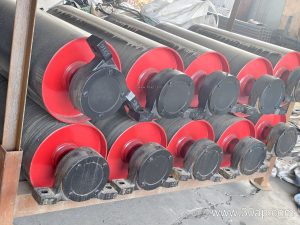
A large-diameter pulley is a conveyor pulley with a drum diameter sized well above the small end of the range, typically from Ø800 up to Ø1800 or more. It is used where belt tension, torque, and wrap angle demand a bigger contact surface and a stronger shaft. In quarry and aggregate lines, cement plants, and iron ore operations, these pulleys often serve as drive or head pulleys on the main haulage conveyor. They are not interchangeable with tail or bend pulleys, because the drive pulley must transmit torque to the belt while maintaining grip.
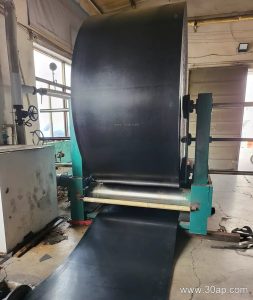
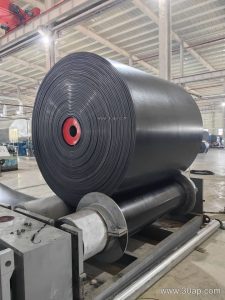
The larger the drum, the lower the bending stress on the belt for a given tension. That is why heavy-duty mining conveyor belts, such as steel cord conveyor belt or high-strength EP conveyor belt, are frequently paired with large-diameter pulleys at the head end. The pulley also affects the belt’s natural transition and helps reduce fatigue at the splice.
Construction and Surface Options
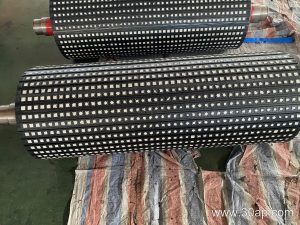
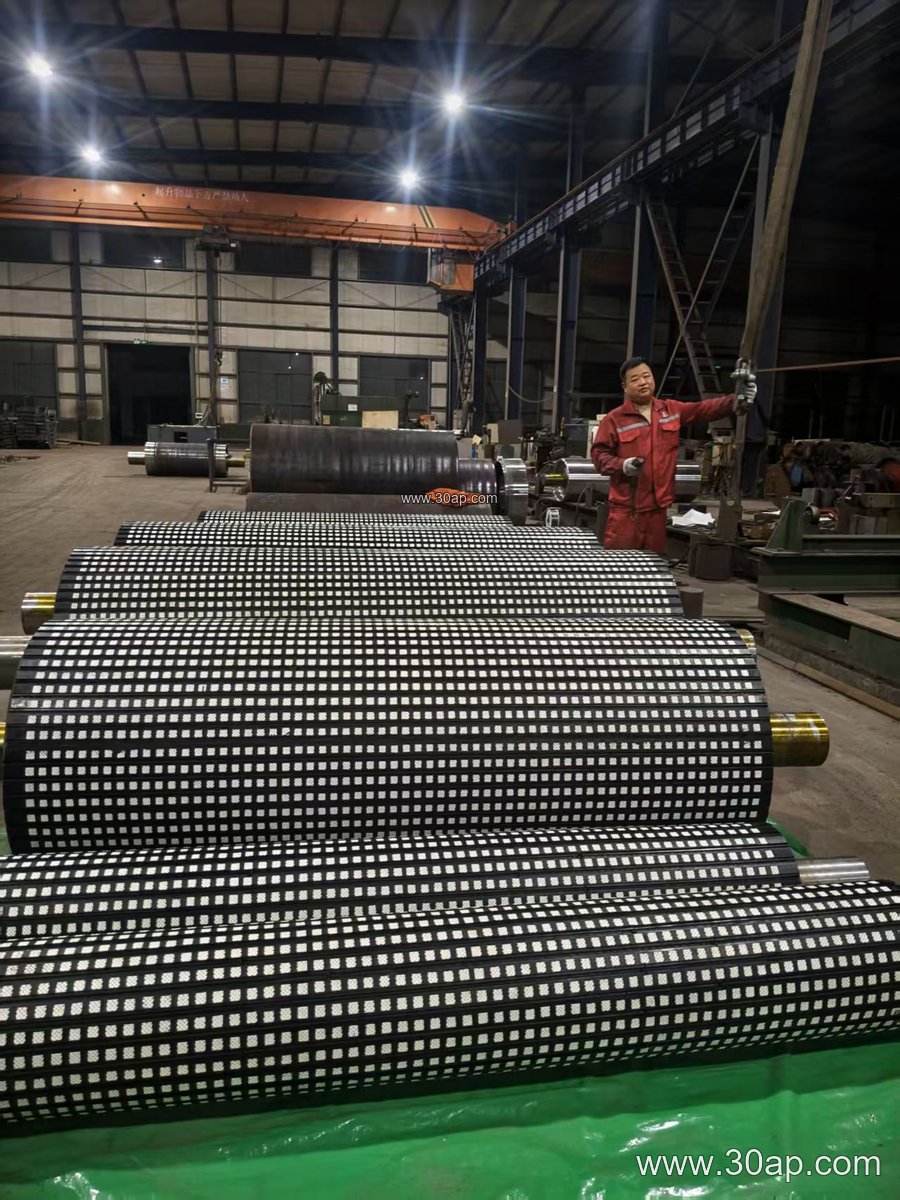
A large-diameter pulley is built around a heavy-duty shaft, usually from Ø100 to Ø200 or larger, with a drum shell, end discs, and a hub locking assembly. The shell may be machined smooth or covered with rubber, ceramic, or other lagging. Surface forms include plain, cast rubber, cold-bonded rubber, hot vulcanized rubber, diamond lagging, chevron lagging, and ceramic lagging. Lagging thickness commonly ranges from 8 mm to 20 mm, depending on grip and wear requirements.
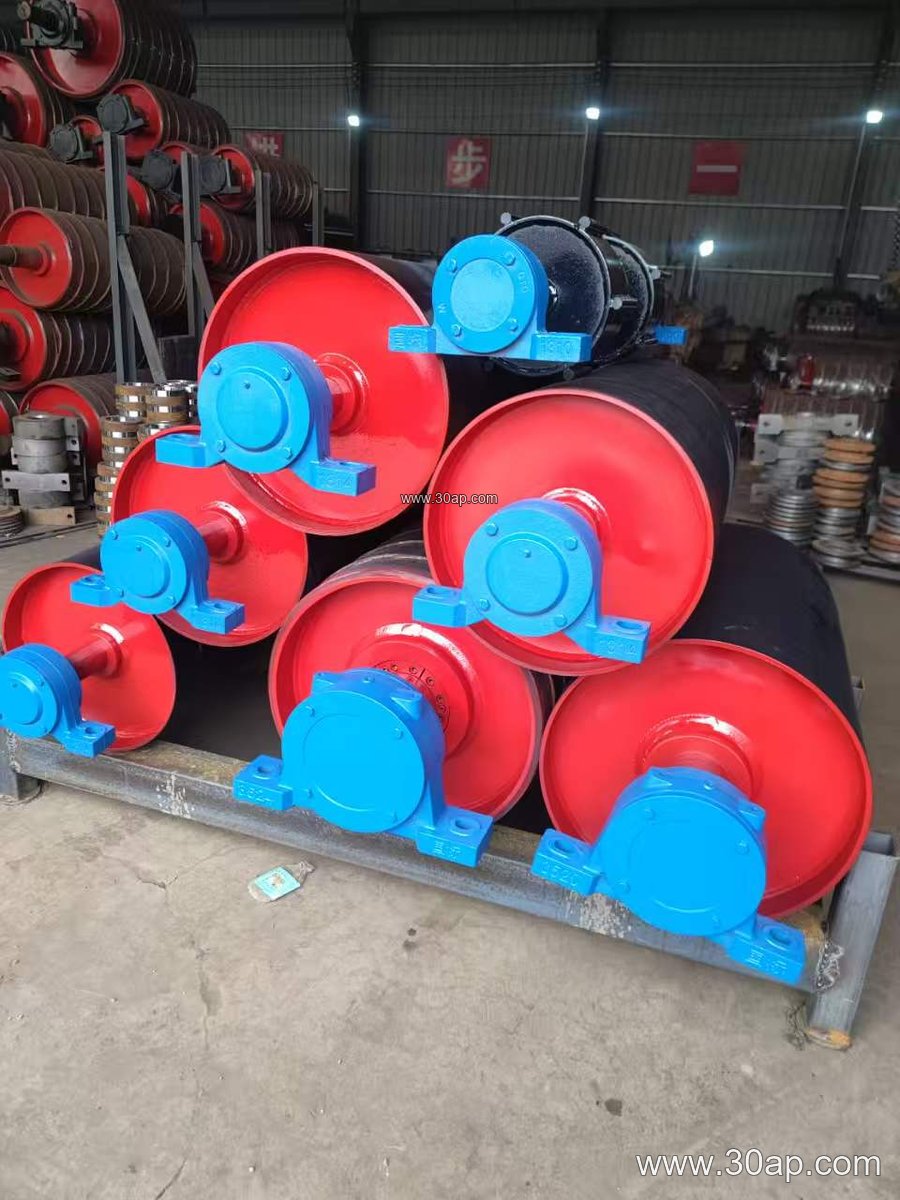
For a coal mining conveyor belt or underground mining conveyor belt, flame retardant and anti-static properties matter, so the lagging and belt must be compatible. In a port or ship loading conveyor, a diamond or chevron lagging on the drive pulley helps shed water and maintain traction. The pulley face width is usually wider than the belt: for example, a B1200 belt often uses a face width around 1400 mm, while a B800 belt may use about 950 mm. These are common references, not fixed rules.
Where Large-Diameter Pulleys Fit
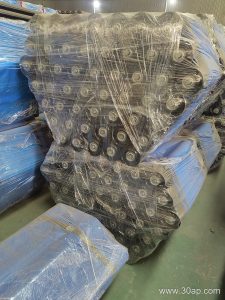
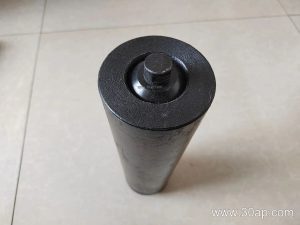
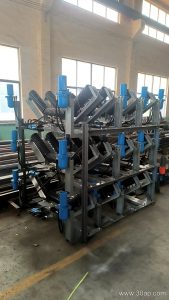
You will see these pulleys in crusher conveyor circuits, sinter plants, power plant coal handling, and limestone quarries. A typical combination might be B1200 × Ø1000 for a primary drive, or B1400 × Ø800 for a head pulley on a secondary conveyor. In sand and gravel plants, a large-diameter pulley on the main belt keeps the conveyor belt tracking stable when throughput is high. The pulley works together with idler roller sets and conveyor brackets to support the belt along the route.
On a pipe conveyor belt or corrugated sidewall conveyor belt, the pulley diameter must be large enough to avoid excessive bending stress on the special belt structure. The same applies to an endless conveyor belt that has no mechanical splice and relies on low bending stress for long life.
Buyer Checklist for Large-Diameter Pulleys
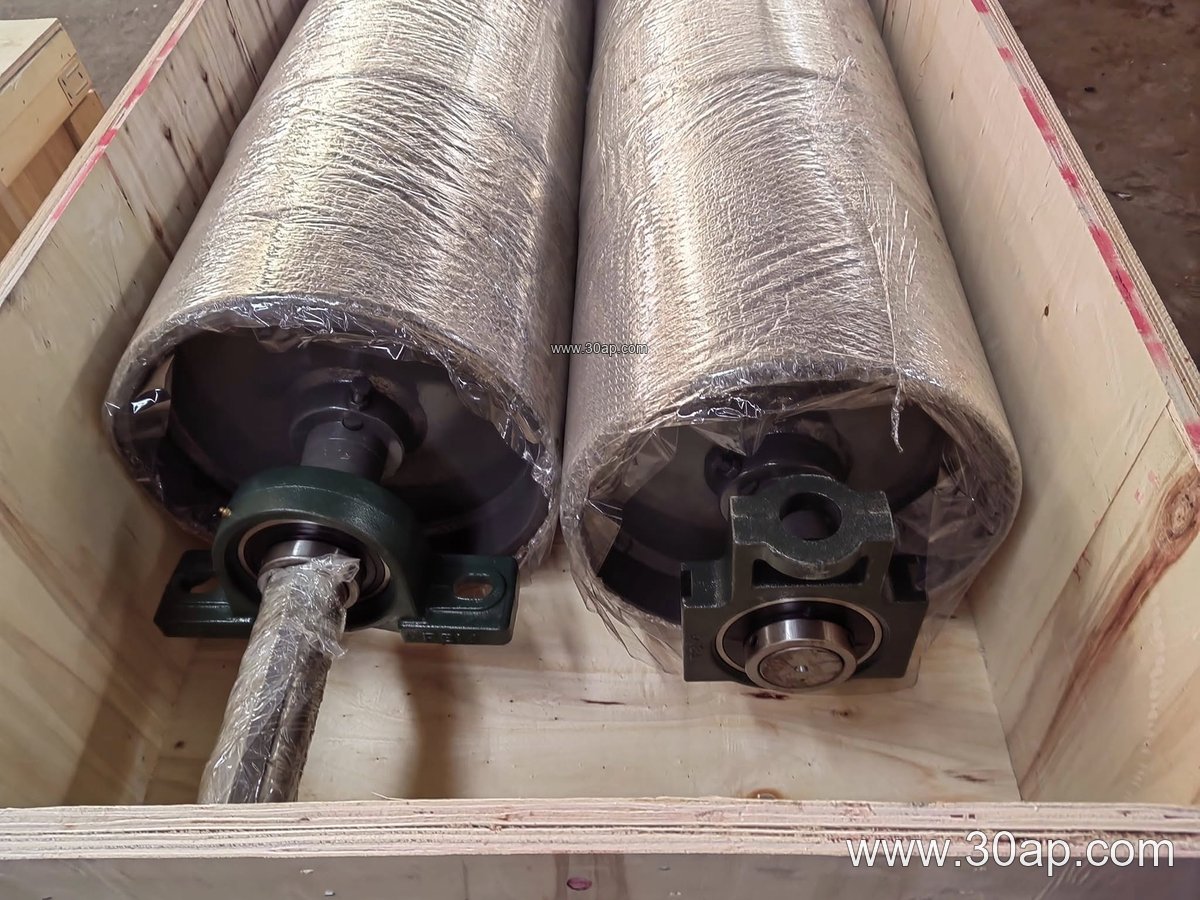
Before ordering, confirm the belt width, the required diameter, the shaft diameter, and the lagging type. Shaft diameter is determined by torque and load, not by belt width alone. Ask for the pulley’s allowable load and the balancing grade if the conveyor runs at high speed. Check that the lagging material suits the environment: heat resistant conveyor belt in a cement kiln area, oil resistant conveyor belt in a recycling line, or abrasion resistant conveyor belt in a copper ore operation.
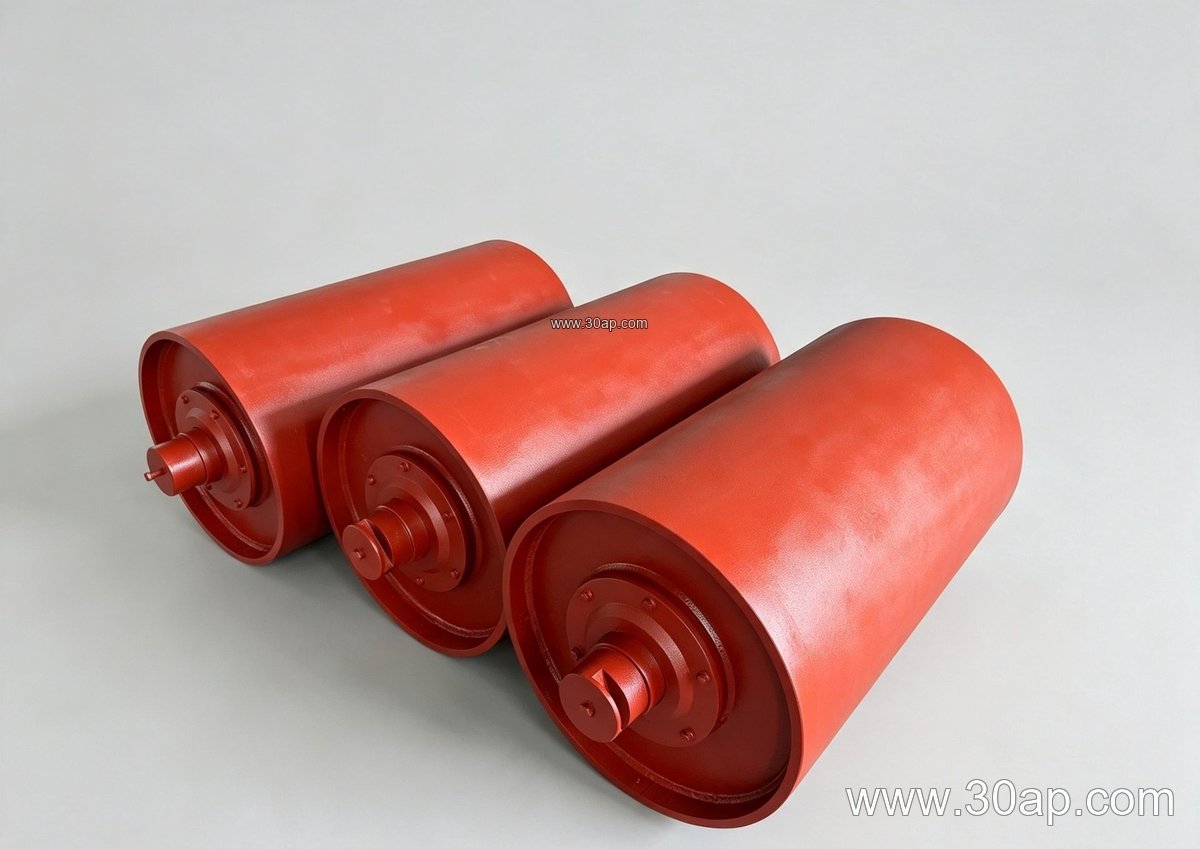
Also review the pulley’s bearing type, the locking assembly, and the connection to the conveyor bracket. For a large-diameter drive pulley, the motor and gearbox selection must match the pulley’s torque capacity. Keep spare lagging and fasteners on hand for planned maintenance.
Common Reference Sizes
The table below shows typical combinations, not mandatory matches. Always confirm with the conveyor design.
- B800 × Ø500, shaft Ø80 to Ø100
- B1000 × Ø630, shaft Ø90 to Ø120
- B1200 × Ø800, shaft Ø100 to Ø140
- B1400 × Ø1000, shaft Ø120 to Ø160
- B1600 × Ø1250, shaft Ø140 to Ø180
- B1800 × Ø1400, shaft Ø160 to Ø200
For more on matching pulleys with conveyor belt and idler roller systems, visit our site at www.example.com/conveyor-pulley or www.example.com/large-diameter-pulley. We also cover conveyor pulley selection and conveyor bracket fit.