What a Lower Return Idler Does on a Conveyor
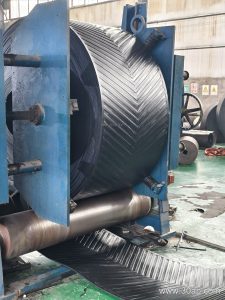
A lower return idler, often called a return roller or flat return idler, supports the empty side of the conveyor belt as it travels back to the tail pulley. Unlike the carrying idlers on top, these rollers sit under the belt and keep it from sagging between the tail and head. In a quarry, limestone mine, or cement plant, the return strand can be long and heavy, so the right lower return idler directly affects belt tracking, energy use, and roller life. You will see them on bulk material conveyor belts, from a 500mm conveyor belt on a small aggregate line to a 1800mm wide conveyor belt in an iron ore operation.
How the Roller Is Built
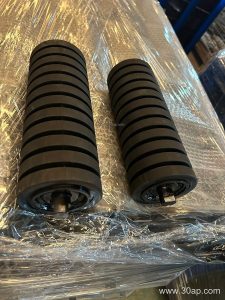
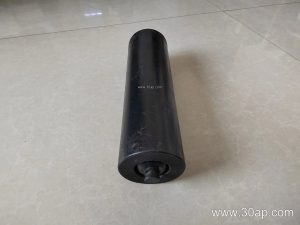
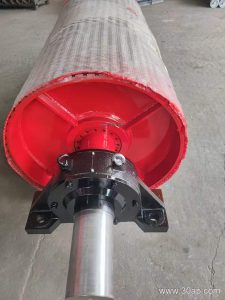
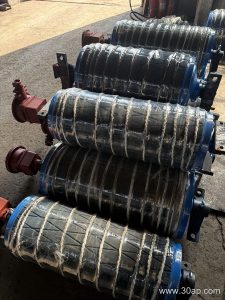
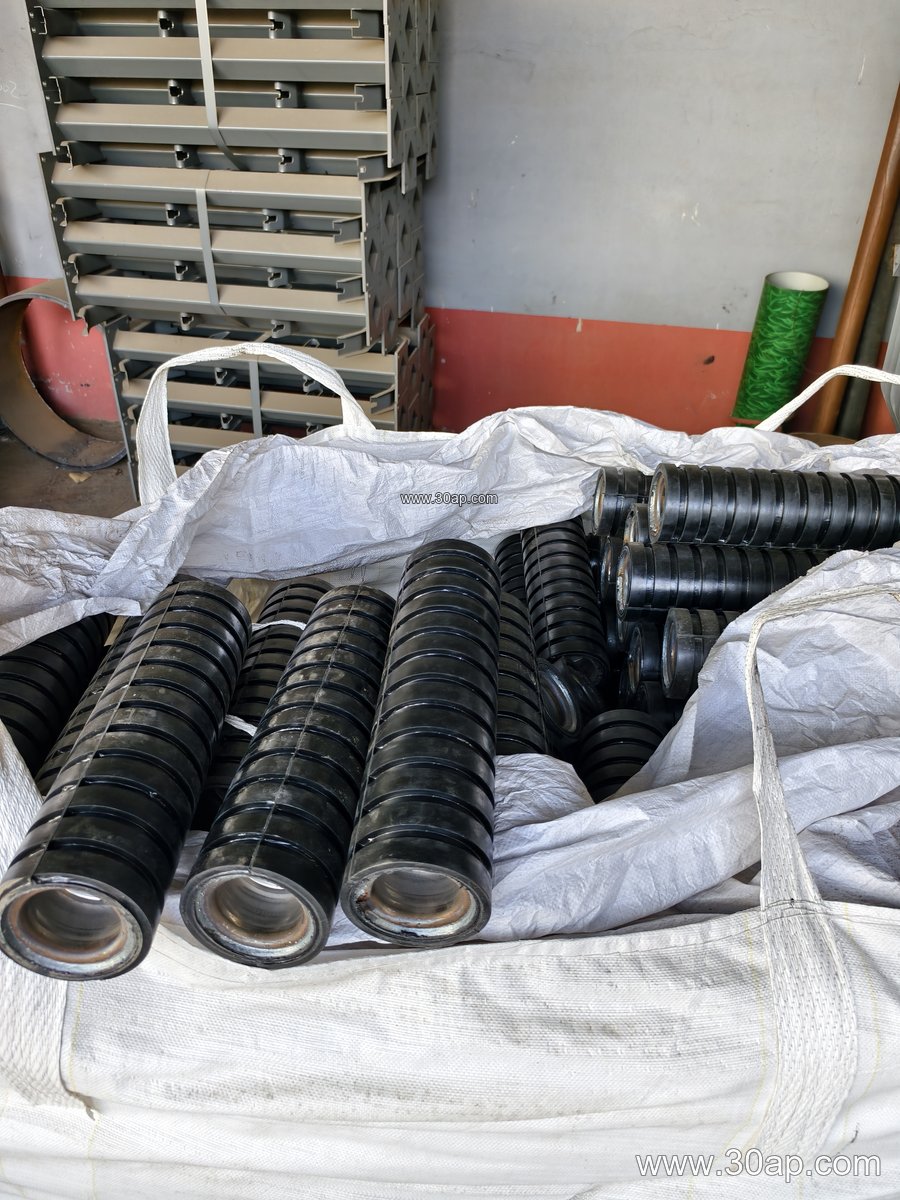
A typical lower return idler uses a steel tube shell, welded end caps, a through shaft, and sealed bearings. Common roller diameters include Ø89, Ø102, Ø108, Ø127, Ø133, and Ø159, while larger diameters such as Ø178, Ø194, and Ø219 appear on heavy-duty mining conveyor belts. The bearing size is chosen by the idler maker based on load and speed, so a 6204 or 6205 bearing may suit a smaller roller, while 6305, 6306, 6308, or 6310 bearings are used in heavier designs. The shell surface may be plain steel, nylon, ceramic, or rubber rings. Rubber rings help reduce noise and protect the belt in run-on areas, while a plain steel shell is common for general return support.
Common Arrangements and Where They Fit
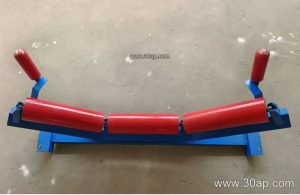
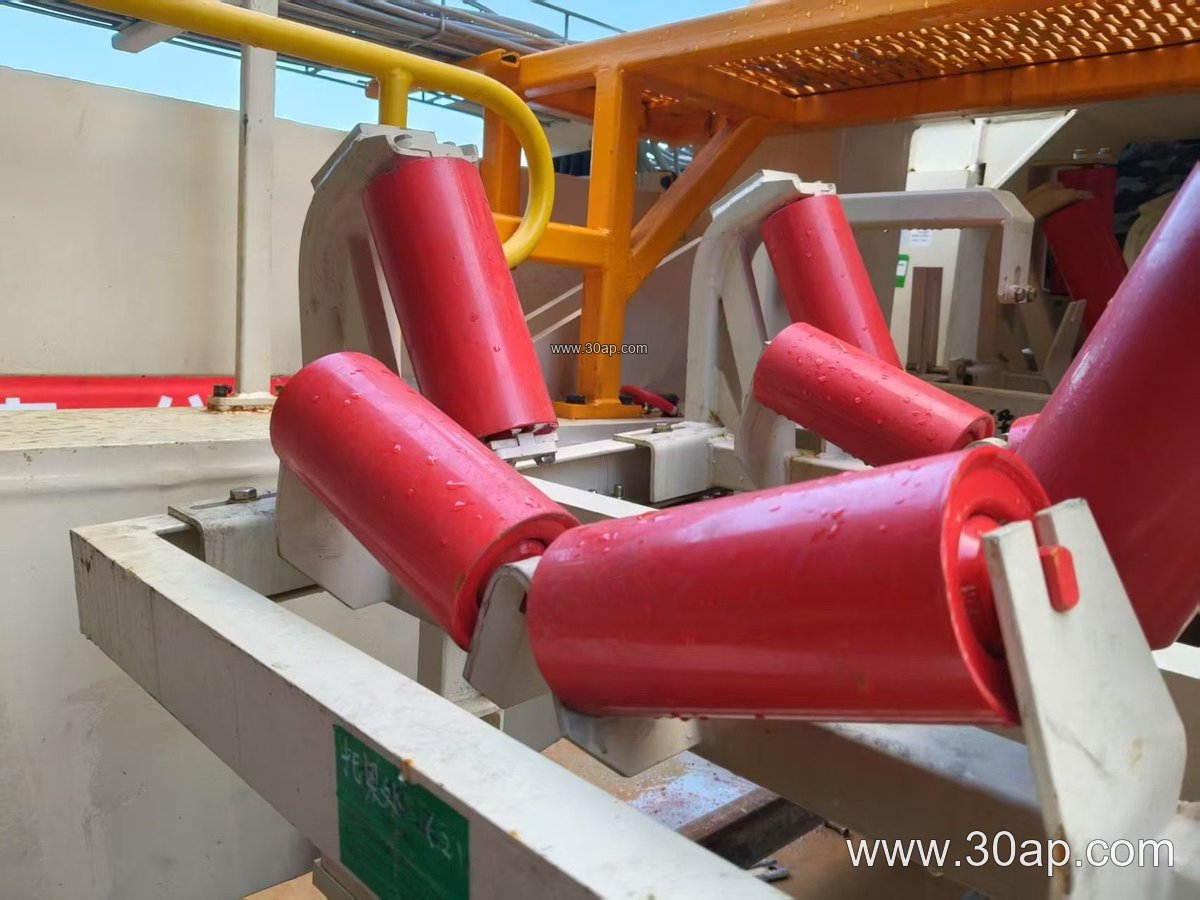
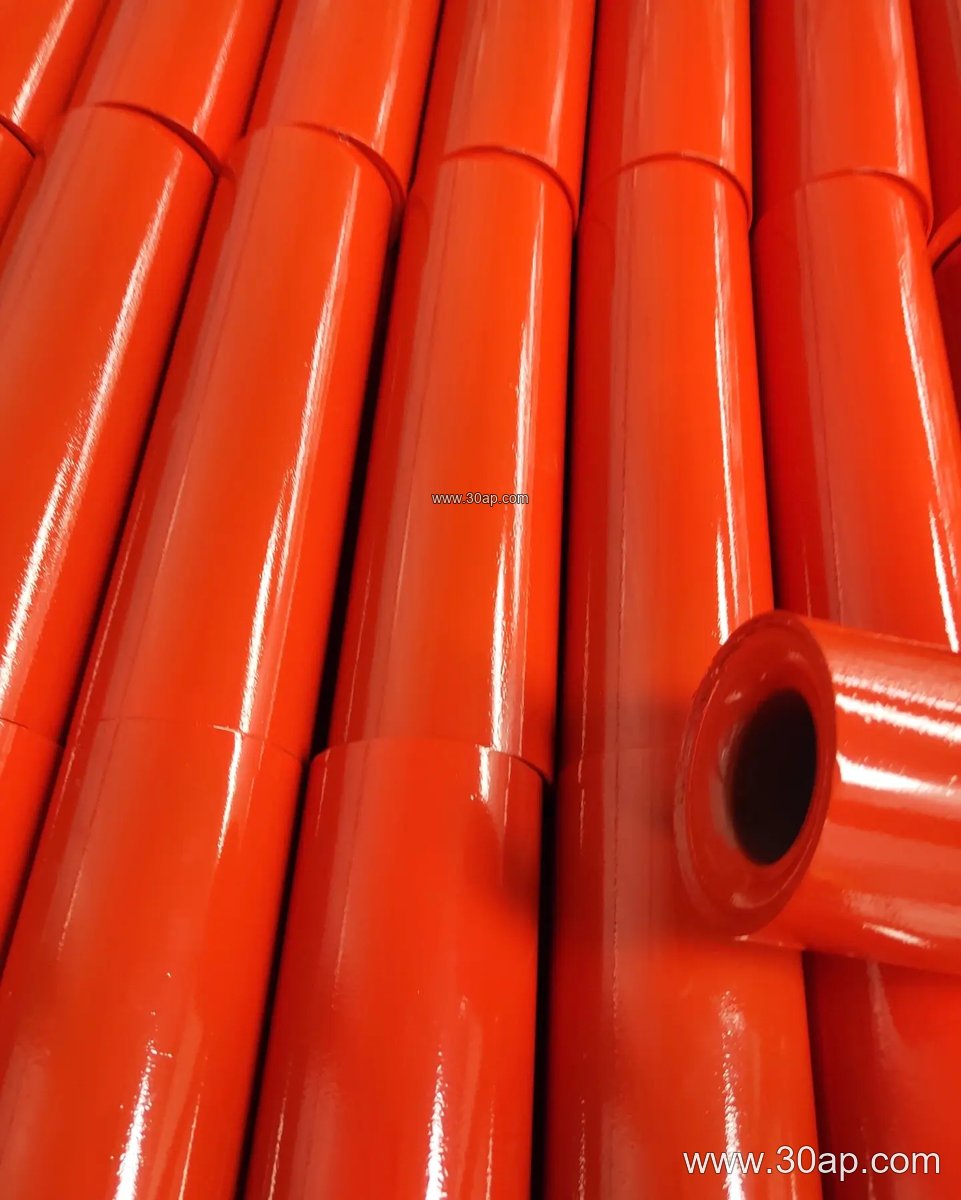
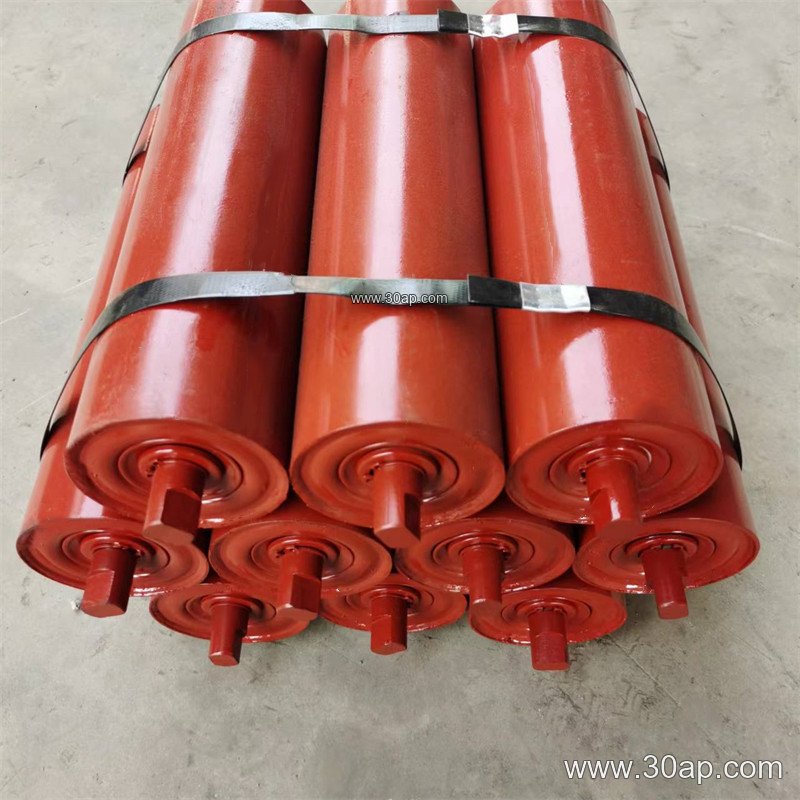
Most lower return idlers are single-roll flat rollers, but two-roll V-shaped return sets are also used to help center the belt. The V return idler is not a replacement for a flat return idler in every case; it is a design choice where belt wander is a concern. In a coal mining conveyor or power plant coal handling line, the return side may also include a self-aligning return idler to correct minor misalignment. The roller length depends on belt width and frame design, not on a fixed rule. For reference, some common flat return roller lengths are shown below; these are examples, not universal matches.
| Belt Width (B) | Common Return Roller Length (example) |
|---|---|
| B500 | 200 mm |
| B650 | 250 mm |
| B800 | 315 mm |
| B1000 | 380 mm |
| B1200 | 465 mm |
| B1400 | 530 mm |
| B1600 | 600 mm |
| B1800 | 670 mm |
These lengths are for the return roller only. The carrying side uses different roll lengths and trough angles, so do not use a return roller length as a carrying idler specification.
Industries and Belt Types That Use Return Idlers
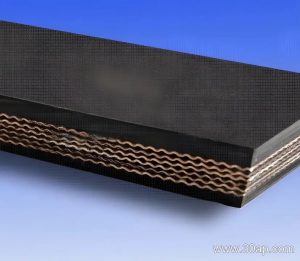
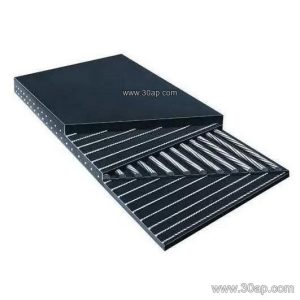
Return idlers appear wherever a conveyor belt runs continuously. In a sand and gravel plant, a lower return idler under an EP conveyor belt or NN conveyor belt keeps the belt stable after the head pulley. In a cement plant, heat resistant conveyor belt and abrasion resistant conveyor belt may run over return rollers that are spaced to avoid excessive sag. In a port or ship loading line, a wide conveyor belt such as a 1200mm or 1500mm wide belt may use larger return rollers with 6308 or 6310 bearings. Underground coal mining conveyor belts often require flame retardant and anti-static properties, so the return idler frame and roller should be selected with the same environment in mind. The return roller itself does not make a belt flame retardant, but it should not create a spark risk or trap material.
Buyer Checklist for Lower Return Idlers
- Confirm the belt width and the return strand load, not just the roller diameter.
- Check the shaft diameter and bearing size against the conveyor bracket and frame.
- Decide between a plain steel shell, nylon shell, or rubber ring surface based on noise, belt wear, and material buildup.
- Ask for the sealing arrangement; dust and water ingress are common causes of return roller seizure in quarry and cement plants.
- Verify the roller length and mounting dimensions against the existing conveyor bracket before ordering.
- For underground or coal applications, confirm that the roller and frame materials suit the required flame retardant and anti-static environment.
A lower return idler is a simple component, but the wrong diameter, bearing, or seal can stop a conveyor line. Use the belt width, return load, and mounting space as the starting point, and treat any roller length or diameter table as a guide rather than a fixed rule.