What a Mining Conveyor Pulley Does
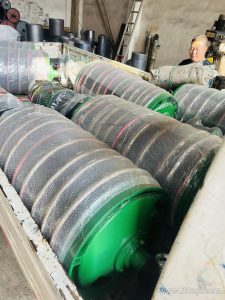
A mining conveyor pulley is the rotating drum that turns a conveyor belt, carries its tension, and keeps the belt tracking along the structure. In a quarry, an iron ore plant, or a coal handling system, this component sits at the heart of the belt circuit. It is not simply a steel cylinder; it is a load-bearing assembly that must survive dust, grit, impact, and continuous operation. Buyers often call it a conveyor drum or belt pulley, but the accurate product name remains the mining conveyor pulley.
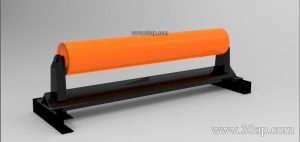
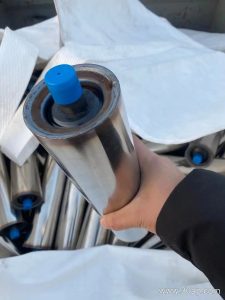
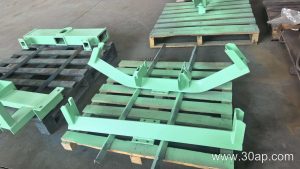
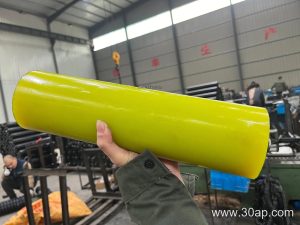
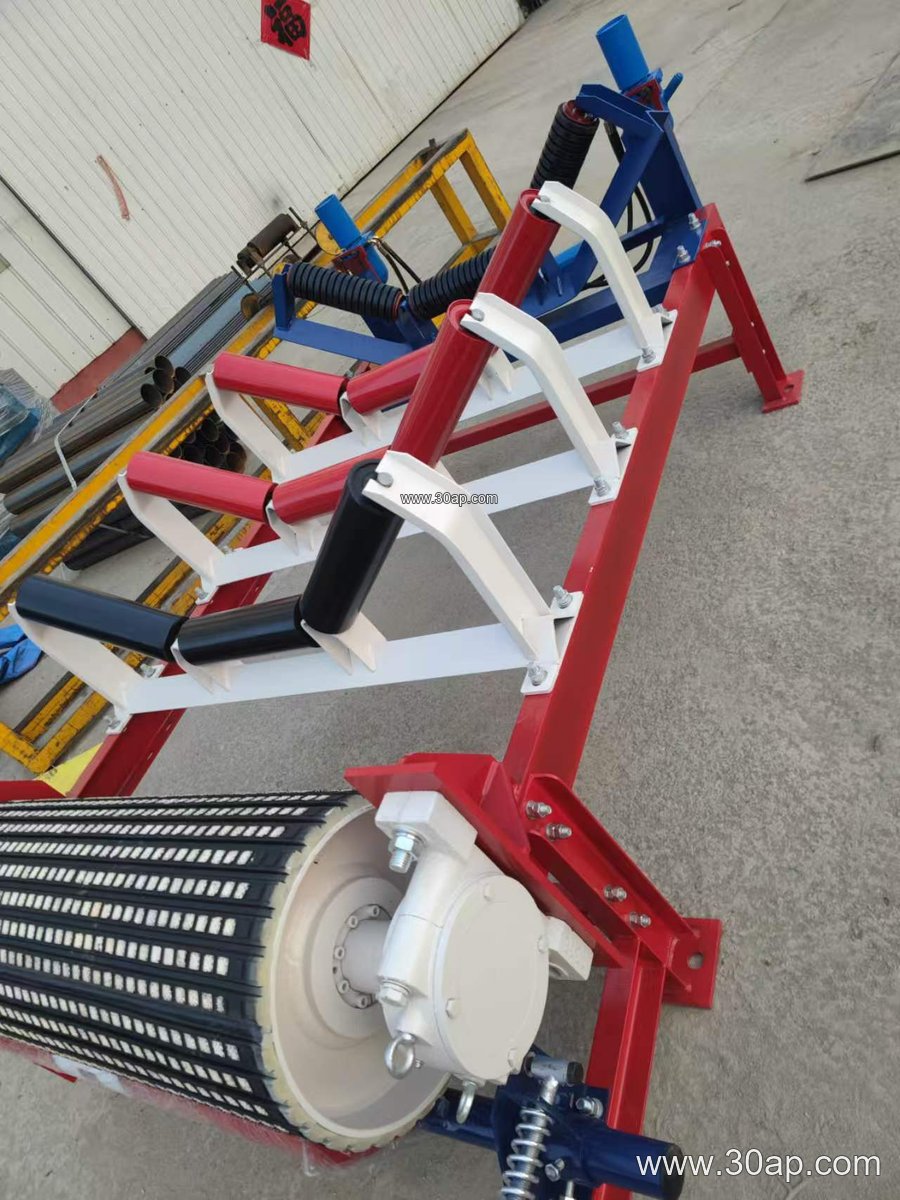
The pulley works together with the conveyor belt, idler roller, and conveyor bracket. The belt wraps around the drum, the idlers support the loaded strand, and the brackets hold everything in line. When any of these parts is poorly matched, belt tracking suffers and downtime rises.
Construction and Key Components
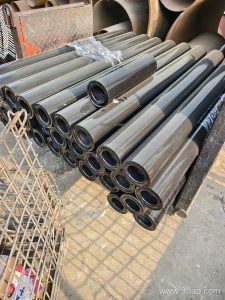
A typical heavy-duty mining conveyor pulley is built from a rolled steel shell, two end discs, a shaft, and bearing housings. The shell may be machined smooth or covered with rubber, ceramic, or another lagging. The shaft transfers torque from the drive unit to the shell, so shaft diameter is selected from torque and load calculations rather than belt width alone.
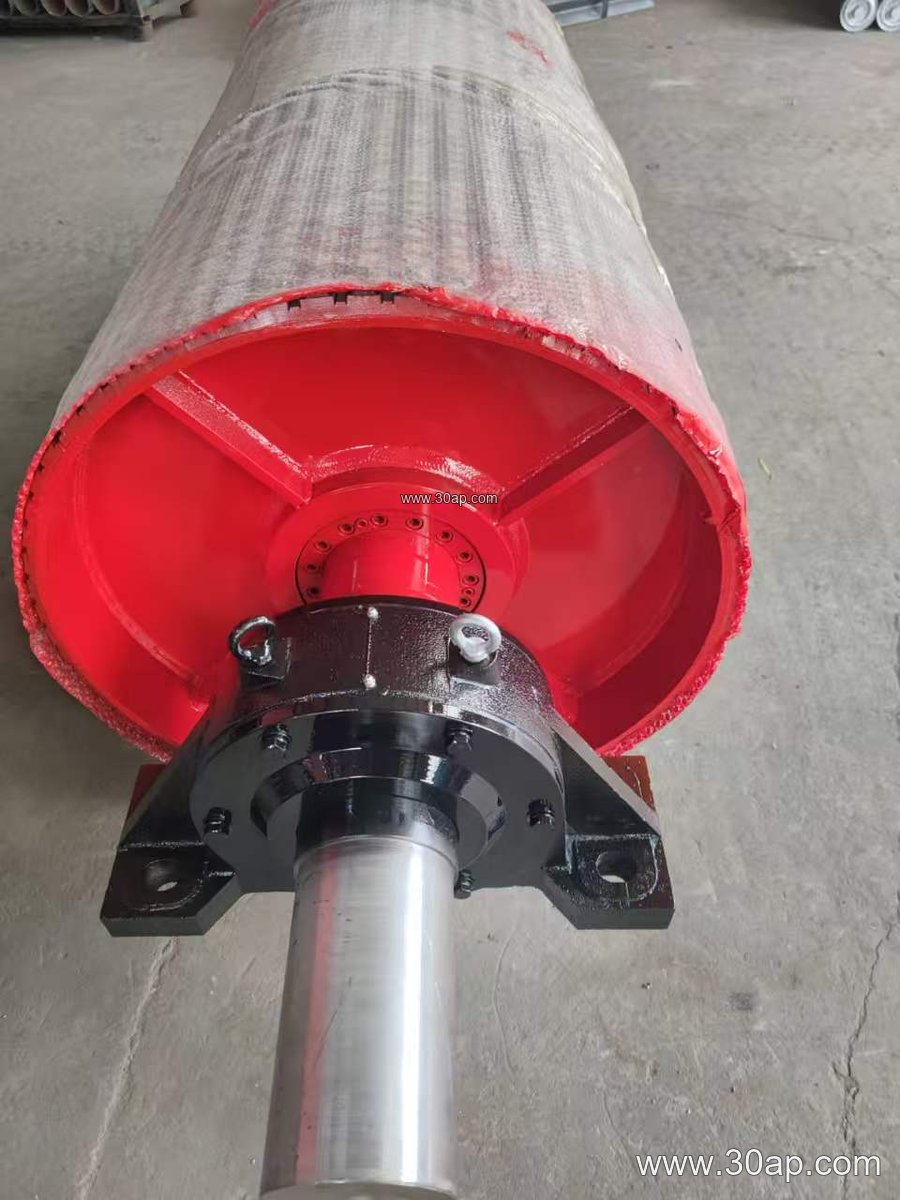
- Shell: rolled and welded steel, sometimes machined for balance
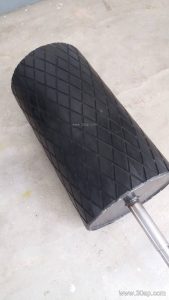
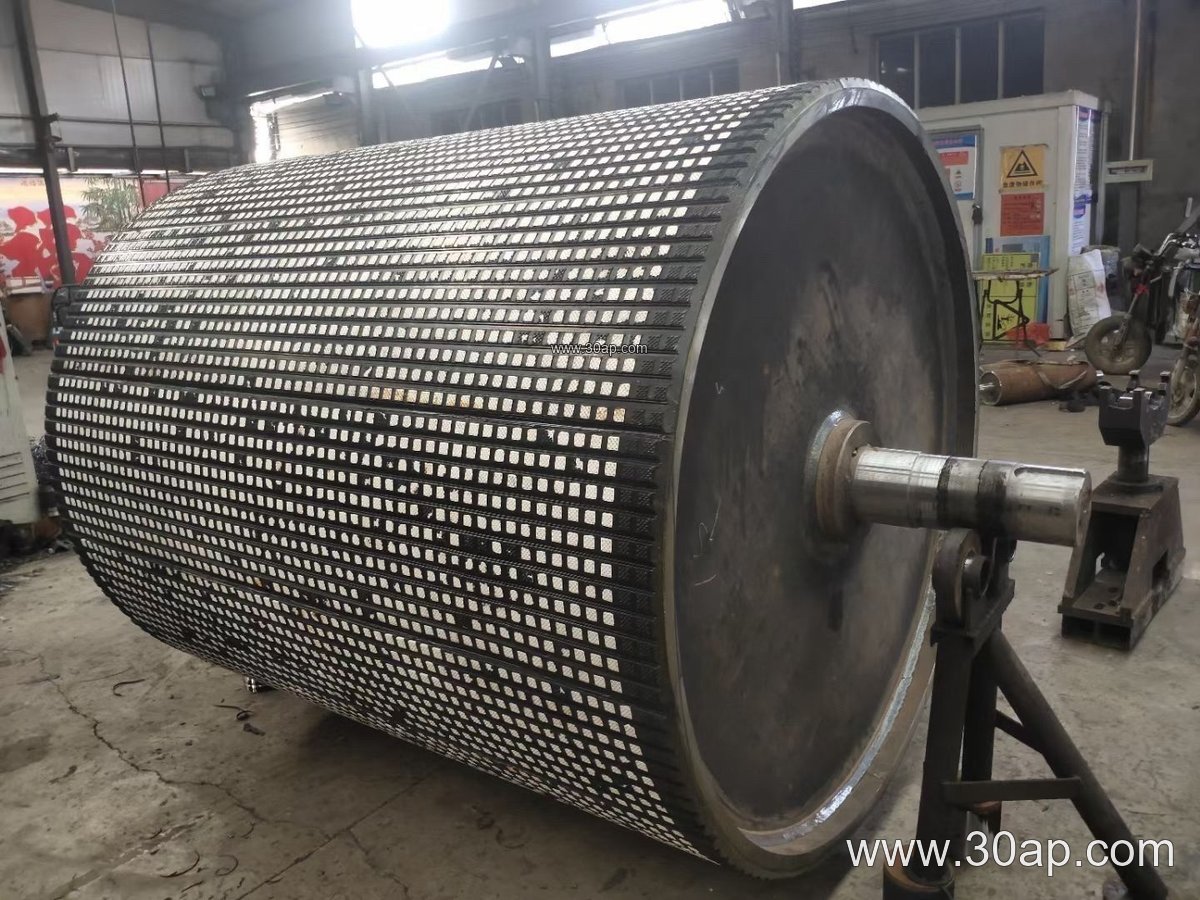
- Lagging: plain, rubber, diamond, herringbone, or ceramic surface
- Shaft: forged or turned steel, sized by torque and bending load
- Bearings: housed in sealed pillow blocks or flanged units
- Locking: keyways, shrink discs, or clamping rings
Lagging thickness commonly falls between 8 mm and 20 mm, depending on grip and wear requirements. For a high-abrasion iron ore or copper ore line, ceramic or thick rubber lagging is often considered. In a coal preparation plant, flame retardant properties of nearby belting matter too, so the pulley lagging should be specified with the same fire safety thinking as a flame retardant conveyor belt.
Where It Fits in the Belt Circuit
Position matters because a drive pulley, tail pulley, and bend pulley are not interchangeable. The drive pulley, also called the head or discharge pulley, transmits power and often sits at the head end. The tail pulley returns the belt and may include a tensioning function. A bend pulley changes belt direction without driving, while a take-up pulley maintains tension. Each position has different load and wrap characteristics, so the pulley type must match the duty.
In a limestone mine or aggregate plant, a bend pulley may guide the belt around an obstacle. In a tunnel mucking operation, a tail pulley with a robust bearing housing keeps the return strand clean. Only when the application needs a direction change should a bend pulley be considered; it does not replace the main drive drum.
Sizes, Surface Forms, and Matching
Pulley dimensions are usually described by belt width and drum diameter. Common belt widths include B500, B650, B800, B1000, B1200, B1400, B1600, and B1800. Diameters such as Ø400, Ø500, Ø630, Ø800, Ø1000, and Ø1250 appear across heavy-duty circuits. A B800 × Ø500 or B1200 × Ø1000 combination is common, but no single belt width locks the pulley to one diameter.
| Belt width (B) | Typical pulley face width | Example diameter range |
|---|---|---|
| B500 | about 600 mm | Ø250 to Ø500 |
| B800 | about 950 mm | Ø400 to Ø800 |
| B1200 | about 1400 mm | Ø500 to Ø1000 |
| B1600 | about 1800 mm | Ø630 to Ø1250 |
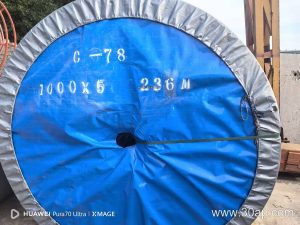
Surface forms include plain, cast rubber, cold-bonded rubber, hot-vulcanized rubber, diamond lagging, herringbone lagging, ceramic lagging, and flat rubber. The choice depends on grip, cleaning, and material carryback. A chevron conveyor belt or a corrugated sidewall conveyor belt may need a different pulley face than a smooth EP conveyor belt, so the belt profile should be shared with the pulley supplier.
Shaft diameters commonly range from Ø50 to Ø200, but the final value must come from the drive design. For a high-strength conveyor belt such as an EP1000 or steel cord ST1600, the pulley and shaft loads are significant, so the bearing and locking arrangement deserve equal attention.
Buyer Checklist
Before ordering, confirm the belt width, pulley position, drum diameter, face width, lagging type and thickness, shaft size, bearing type, and locking method. Share the conveyor layout, belt tension, and material characteristics. Ask whether the pulley will run in a dusty coal mine, a wet sand and gravel line, or a cement clinker plant, because environment affects sealing and lagging. Also confirm that the pulley matches the conveyor bracket and idler roller frame. A well-specified mining conveyor pulley keeps the belt running true and reduces the risk of costly stops.