What the PVG800S Conveyor Belt Is
The PVG800S Conveyor Belt is a solid-woven, PVC-based conveyor belt grade used where a fabric belt must combine flame resistance with reasonable tensile strength. In the PVG family, the number refers to the nominal breaking strength class, and the S suffix identifies a specific construction and compound variant within that class. Buyers in coal mining, cement plants, power stations, and sand and gravel yards often meet this belt on main haulage and gathering conveyors where fire safety and abrasion resistance matter together.
It is a solid woven belt rather than a multi-ply rubber product, so it is not a substitute for an EP Conveyor Belt or a Steel Cord Conveyor Belt. Those types serve different tension and impact duties. The PVG800S sits in the middle ground: strong enough for long panel conveyors, flexible enough to run on relatively small pulleys, and built to resist flame propagation in underground service.
Construction and Cover Options
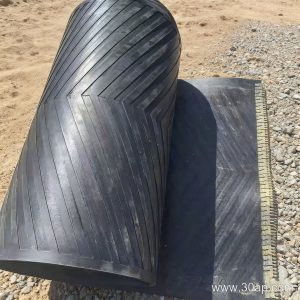
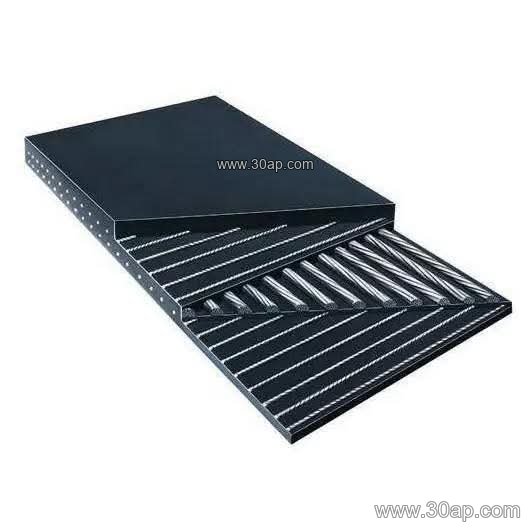
The carcass is a single solid-woven fabric structure impregnated and coated with PVC compound. The weave carries the load, while the PVC fills the interstices and bonds the covers. Cover thickness is usually specified as a top and bottom pair, for example 3+1.5 mm, 4+2 mm, or 5+2 mm, with heavier covers chosen for abrasive coal or ore. Surface forms can include plain, chevron, or corrugated sidewall versions when the route needs extra grip or material containment.
Common property variants include flame retardant and anti-static grades, which are typical for Underground Coal Mining Conveyor Belt service. Where oil or fine wet material is present, an Oil Resistant Conveyor Belt compound may be preferred. For hot clinker or cement, a Heat Resistant Conveyor Belt is the correct family rather than the standard PVG compound.
Typical Working Conditions
This grade is usually found in these settings:
- Coal mining and underground haulage where flame resistance is required
- Cement plants moving limestone, clinker, and additives
- Power plant coal yards and boiler feed lines
- Sand and gravel plants, quarries, and crusher discharge belts
- Port and ship loading conveyors handling bulk material
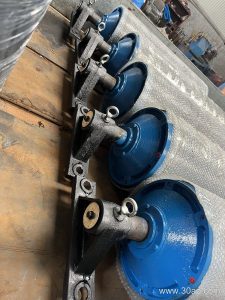
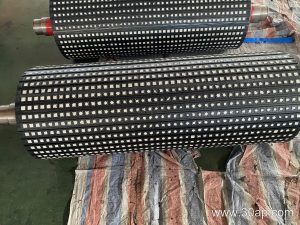
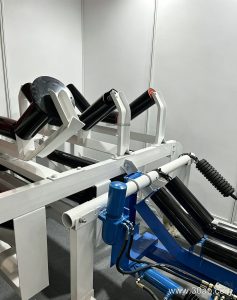
On these conveyors, the belt runs over idler rollers, wraps the drive pulley and tail pulley, and is supported by a steel conveyor bracket frame. The drive pulley transmits traction, the tail pulley sets return direction, and bend pulleys adjust the path. These components are not interchangeable, and belt selection should match the pulley diameters and trough angle defined by the conveyor designer.
Reference Data for Specification Talks
The figures below are common reference values, not fixed supply promises. Confirm the final construction, cover gauge, and strength class with the manufacturer before ordering.
| Item | Common reference |
|---|---|
| Strength class | PVG800, PVG800S |
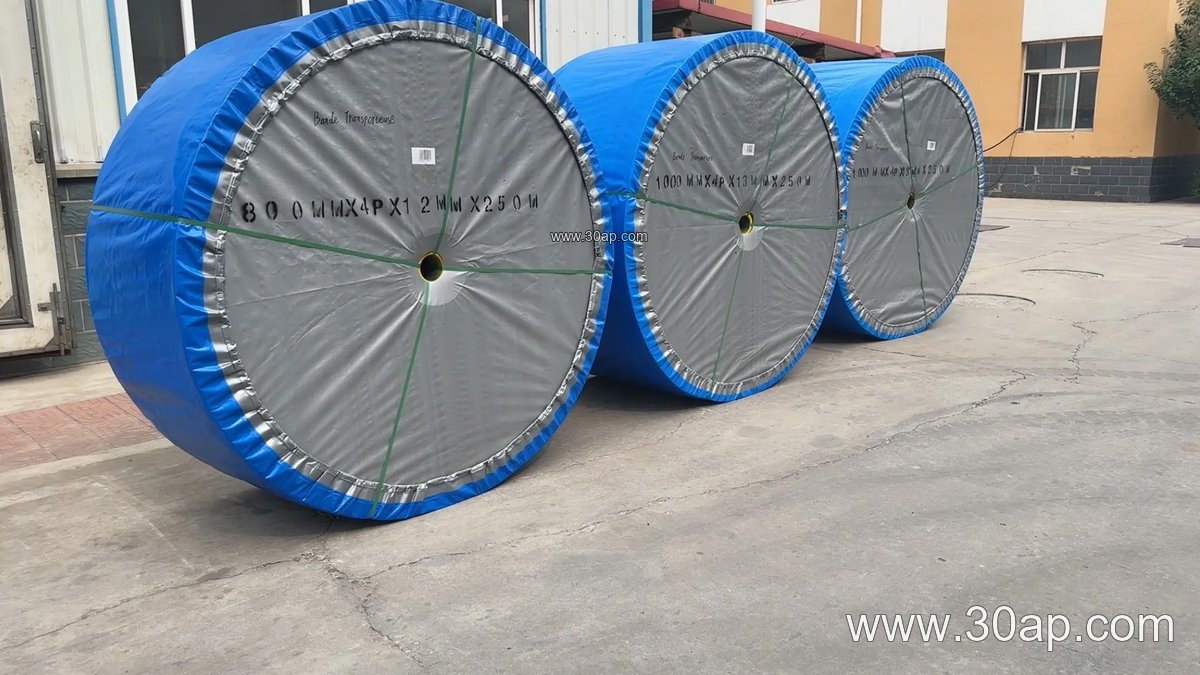
| Belt width | B650, B800, B1000, B1200, B1400 |
| Cover gauge | 3+1.5 mm, 4+2 mm, 5+2 mm |
| Carcass | Solid woven fabric, PVC impregnated |
| Surface form | Plain, chevron, corrugated sidewall |
| Special grades | Flame retardant, anti-static, oil resistant |
Note that belt width and pulley diameter are separate design choices. A 1000mm or 1200mm belt can run on more than one pulley size, and shaft diameter follows the pulley and drive design, not the belt width alone.
Buyer Checklist
- State the material, lump size, and temperature so the compound and cover can be checked.
- Confirm whether flame retardant and anti-static properties are mandatory for the site.
- Give the conveyor layout: incline, trough angle, drive pulley, tail pulley, and bend pulley positions.
- Ask for the splice method, since solid woven belts are usually joined with mechanical fasteners or vulcanized steps.
- Review belt tracking and cleaning, because PVC covers can wear faster at skirt rubbers and transfer points.
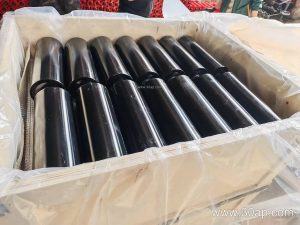
For a complete conveyor package, the PVG800S Conveyor Belt is often quoted together with idler roller sets, conveyor pulley assemblies, and frame hardware. Matching these parts early avoids rework at installation. For wider projects, engineers may compare this grade with a Flame Retardant Conveyor Belt in EP construction, or with a PVC Conveyor Belt for lighter duty; each has its own place, and the PVG800S remains the subject where solid-woven flame-resistant haulage is required.