What an NN Conveyor Belt Is
An NN Conveyor Belt is a fabric core belt built on nylon (polyamide) warp and weft cords. In catalogues and on site it also appears as a nylon conveyor belt or an NN fabric core conveyor belt, and those names describe the same product rather than a different construction. The nylon carcass gives the belt high tensile strength, good fatigue resistance and strong resistance to impact, which is why it turns up in mines, cement plants, power stations, quarries, sand and gravel yards, ports and bulk handling terminals.
The belt is not a single material but a layered composite. Understanding those layers helps a buyer judge whether a quoted NN Conveyor Belt fits a given conveyor.
Construction of a Nylon Fabric Core Belt
A typical NN Conveyor Belt consists of three functional parts:
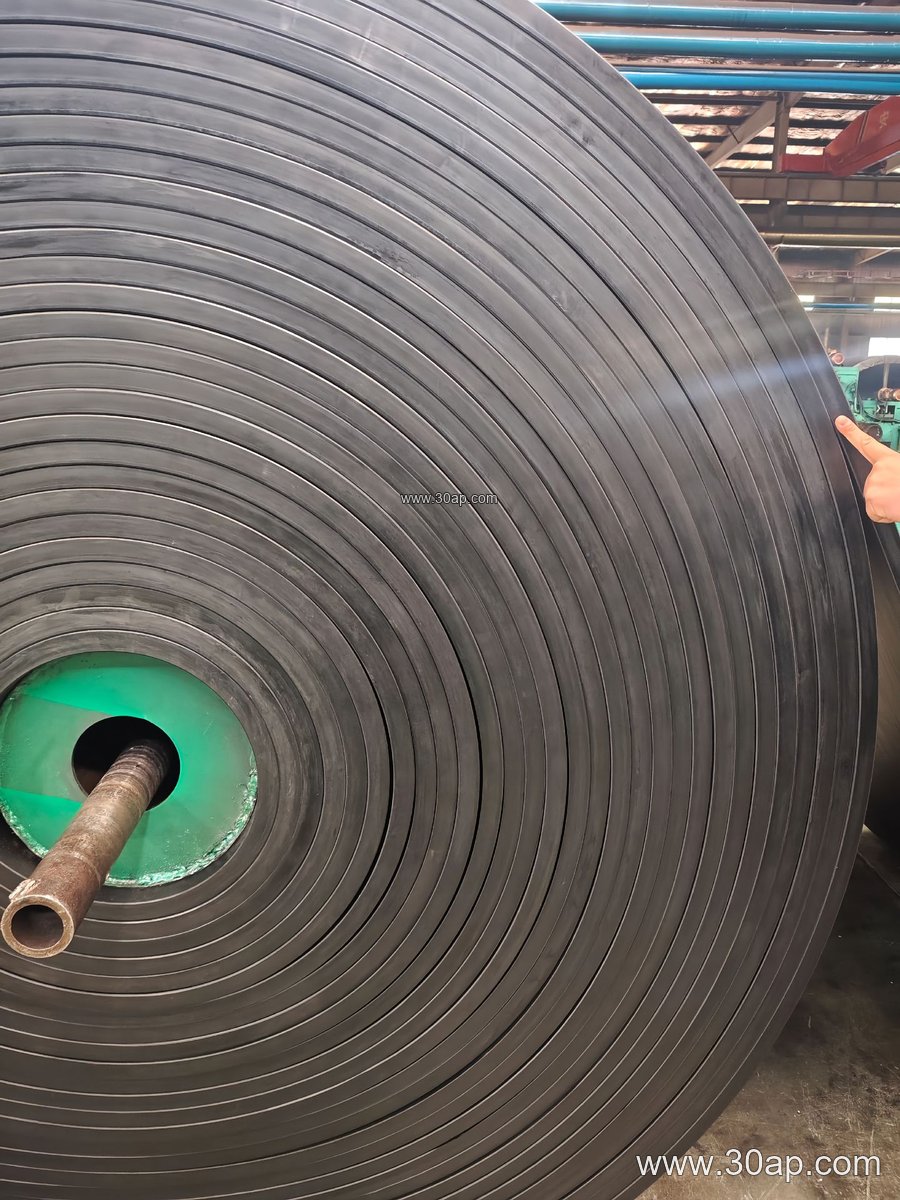
- Carcass. Two to six plies of nylon fabric, normally bonded with rubber skim between the plies. The ply count and the strength grade together determine the working tension the belt can carry.
- Top and bottom cover rubber. The covers protect the carcass from abrasion, moisture, heat, oil or flame exposure. Cover thickness is usually stated as a pair, for example 4+2 mm or 6+2 mm, where the first figure is the carrying side and the second is the pulley side.
- Edges and splices. Cut edges are sealed against water and fibre wicking, and the belt is joined either mechanically or by a vulcanised splice. An Endless Conveyor Belt made to a fixed centre distance avoids a joint entirely and is common on short, critical runs.
Because the nylon fabric stretches more than a steel cord carcass, an NN belt normally needs a slightly longer take-up stroke. This is a design point, not a defect, and should be checked when replacing another belt type on the same conveyor.
Common Strength Grades and Dimensions
NN belts are usually specified by tensile strength per ply width, the number of plies, belt width and cover thickness. The table below shows reference values that appear in general product literature; actual availability and combination are confirmed per order and per manufacturer.
| Parameter | Reference values (typical, not mandatory) |
|---|---|
| Strength grade | NN100, NN200, NN300, NN400 |
| Carcass plies | 2 to 6 plies, depending on grade and duty |
| Belt width | B500, B650, B800, B1000, B1200, B1400, B1600, B1800, B2000 |
| Cover thickness | 3+1.5, 4+2, 5+2, 6+2, 8+3 mm |
| Surface forms | Plain, chevron or other patterned top cover when extra grip is needed |
No single width dictates a pulley diameter or shaft size. Belt width, strength grade, pulley diameter and shaft are matched through the conveyor design, so a buyer should supply the full duty data rather than a width alone.
Where the Belt Fits in the Plant
Heavy-duty mining conveyor belts on primary ore and rock haulage benefit from the impact tolerance of a nylon carcass, especially below a crusher where lump size is large. A Quarry Conveyor Belt or Aggregate Conveyor Belt moving sharp stone usually pairs an NN carcass with an abrasion resistant cover. In coal mining, flame retardant and anti-static properties are often requested, and the belt may be specified alongside a PVG belt where fire safety rules are strict.
In cement plants the belt handles clinker, limestone and additives, and heat resistant grades are used where material temperature is elevated. Power plants use NN belts on coal and ash lines, and ports use them on ship loading and stockyard conveyors where long centre distances and high tension are involved.
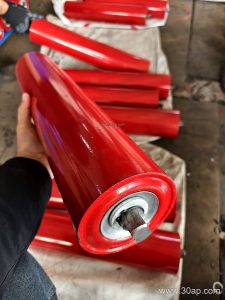
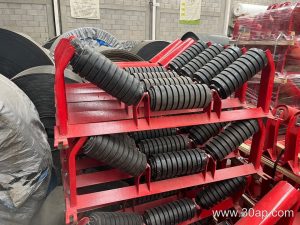
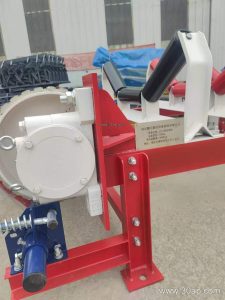
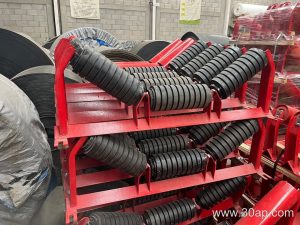
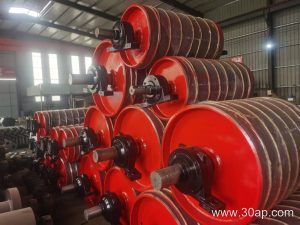
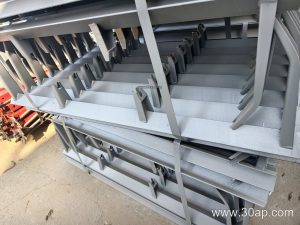
The belt does not work alone. A conveyor pulley at the drive and tail ends transfers power and maintains tracking, while idler rollers support the loaded strand. Conveyor brackets hold the idlers and pulleys in alignment, and any misalignment shows up quickly as edge wear on the belt. Regular checks of these components extend belt life as much as cover quality does.
Selecting an NN Belt
A practical selection starts with the material: lump size, bulk density, temperature, moisture, oil or chemical contact, and whether the belt runs underground. Then the conveyor geometry: incline angle, centre distance, trough angle and pulley diameters. From these the required strength grade, ply count, cover thickness and surface form follow.
- For abrasive stone and ore, choose a high abrasion resistant cover and consider a thicker top cover.
- For hot clinker or sinter, use a heat resistant grade and confirm the temperature range with the supplier.
- For oily or chemical-laden material, an oil resistant or chemical resistant cover protects the carcass.
- For cold outdoor yards, a cold resistant compound avoids cracking at start-up.
- For steep inclines, a chevron top cover may be added, though it changes the cleaning and pulley requirements.
Installation and Maintenance Notes
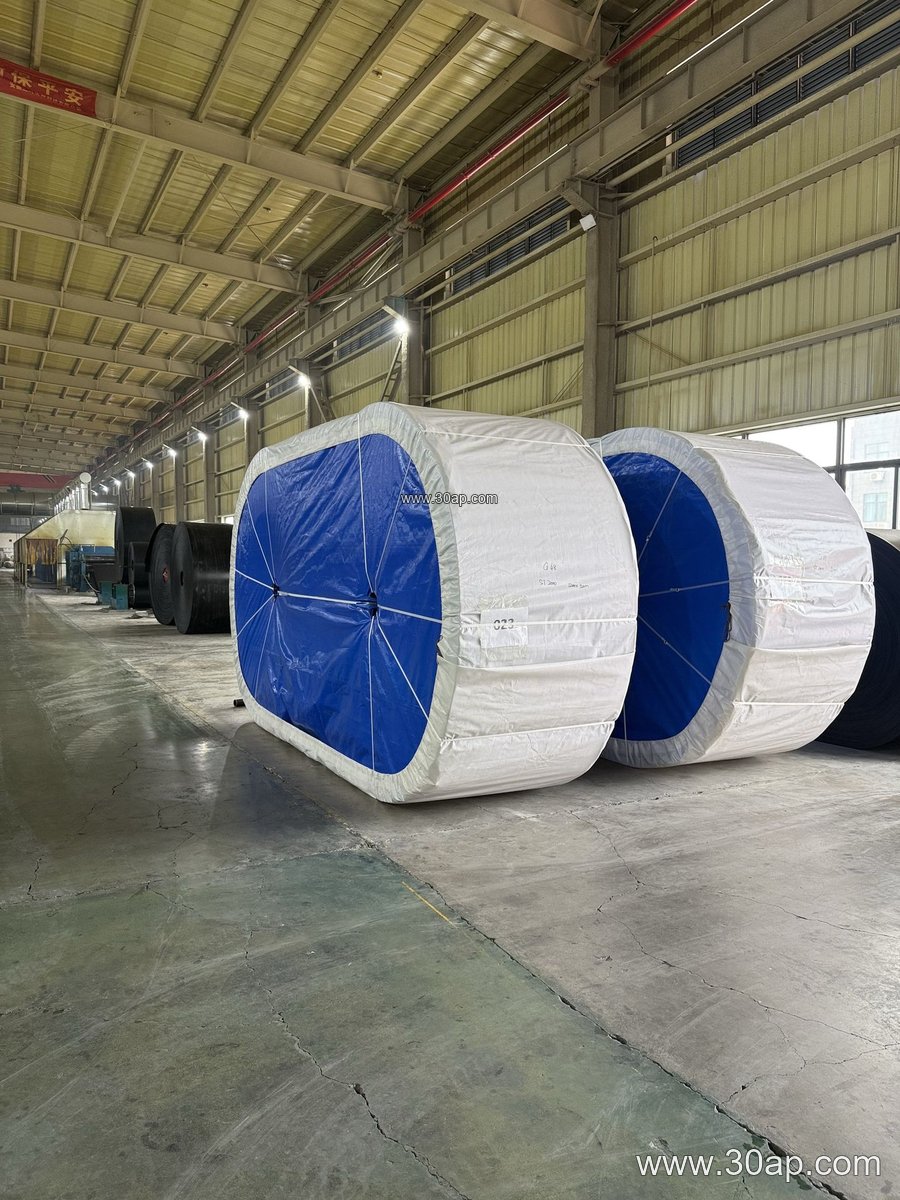
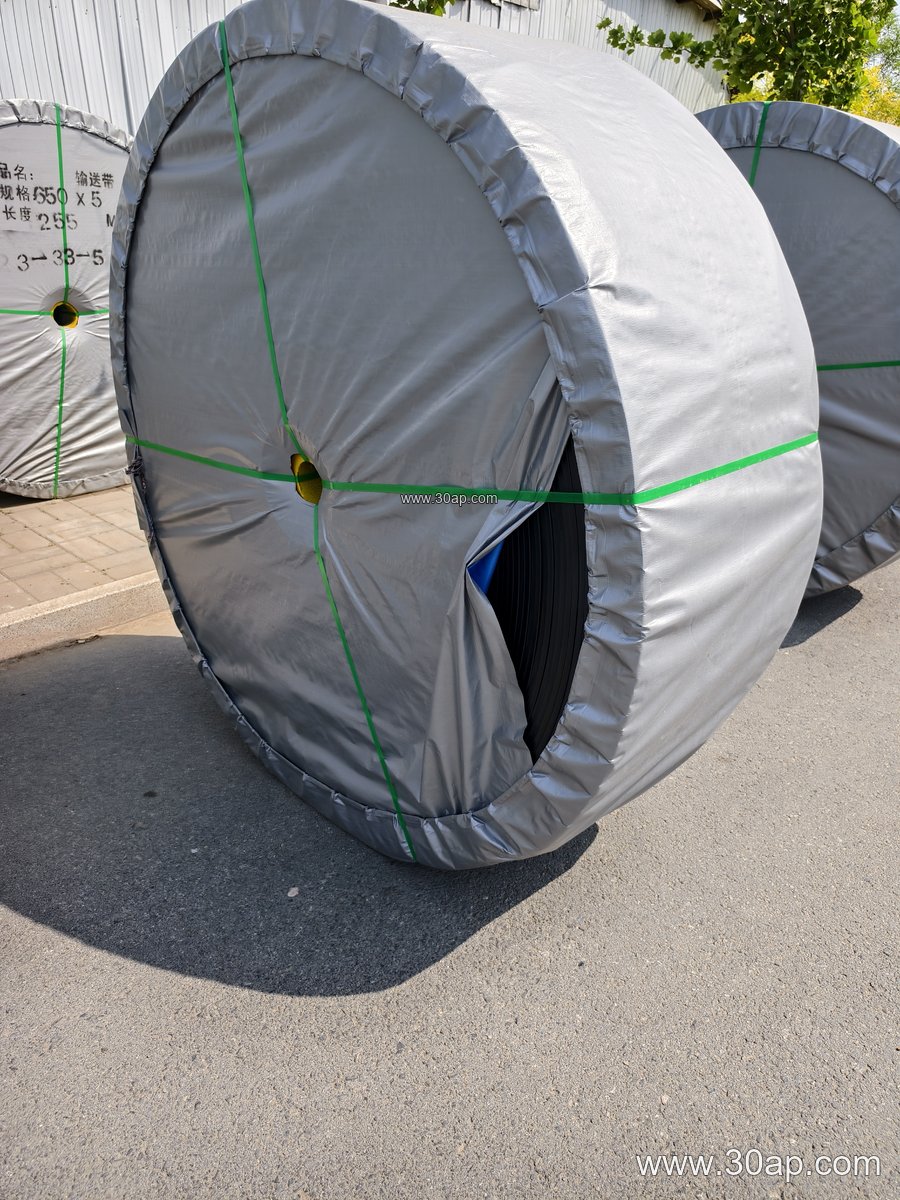
Store NN Conveyor Belt rolls on a dry, shaded surface and avoid sharp bends. During installation, align the conveyor pulley and idler roller frames first, then tension the belt gradually. Check the splice, edge condition and cover wear at fixed intervals. Small cover cuts on a nylon belt should be repaired early, because moisture reaching the fabric reduces splice strength. Keeping the belt clean and the idlers turning freely prevents most tracking problems and keeps the conveyor running at its designed capacity.