Idler Roller: The Backbone of Efficient Material Handling
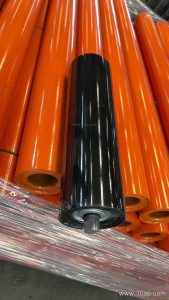
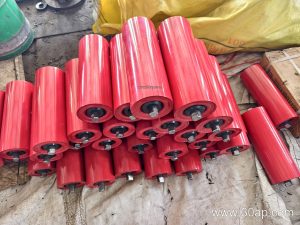
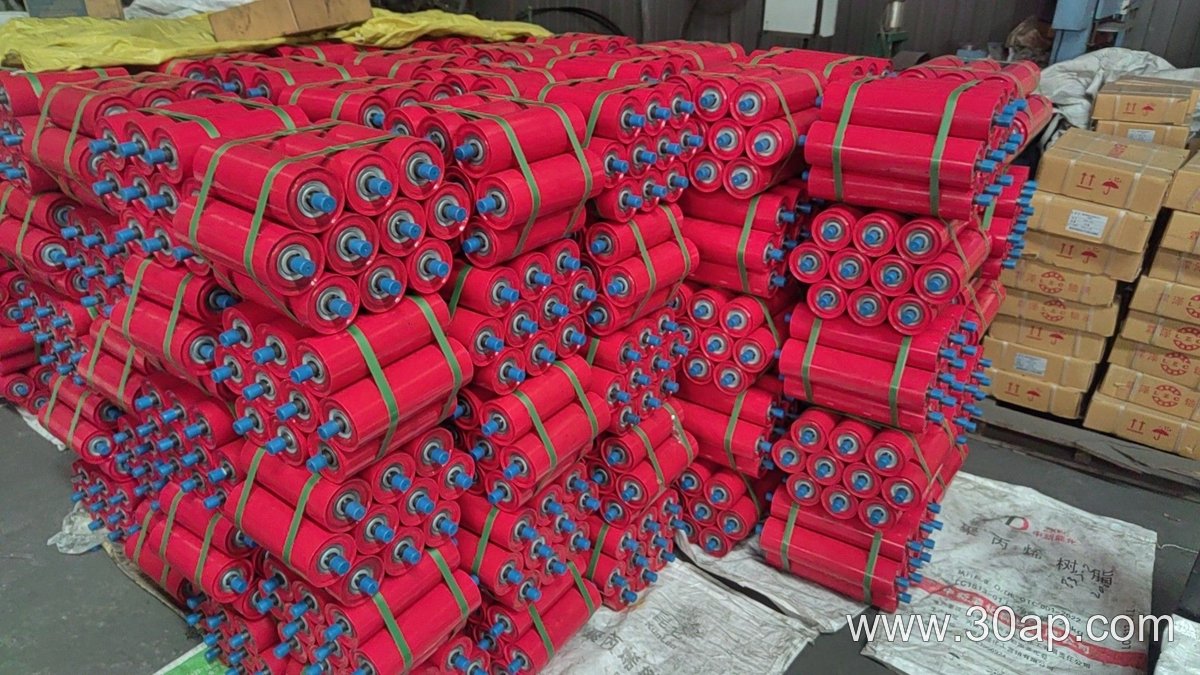
An idler roller is a cylindrical component that supports and guides conveyor belts, reducing friction and preventing sagging. Choosing the right idler roller ensures optimal belt tracking, lower energy consumption, and extended equipment life.
Key Application Factors
- Load capacity: Match the roller’s dynamic rating to your maximum material weight per meter.
- Belt speed: Verify the roller’s maximum RPM to avoid vibration and premature bearing failure.
- Environment: For dusty or wet conditions, select sealed bearings and corrosion-resistant shells (e.g., rubber-coated or stainless steel).
Purchasing Advice
- Measure your belt width, trough angle, and roll diameter precisely before ordering.
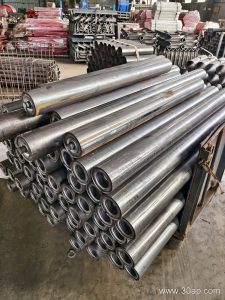
- Check the shell thickness and end disc welding quality for impact resistance.
- Request a sample for a short trial to evaluate run-out tolerance and noise level.
- Compare total cost of ownership, including maintenance intervals, not just unit price.
For heavy-duty mining or high-speed logistics, consult the manufacturer about idler roller spacing and return idler configurations to prevent belt damage.
Why the Conveyor Pulley Defines System Performance
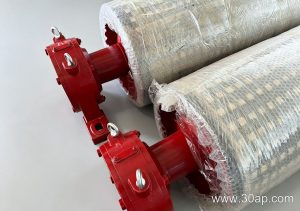
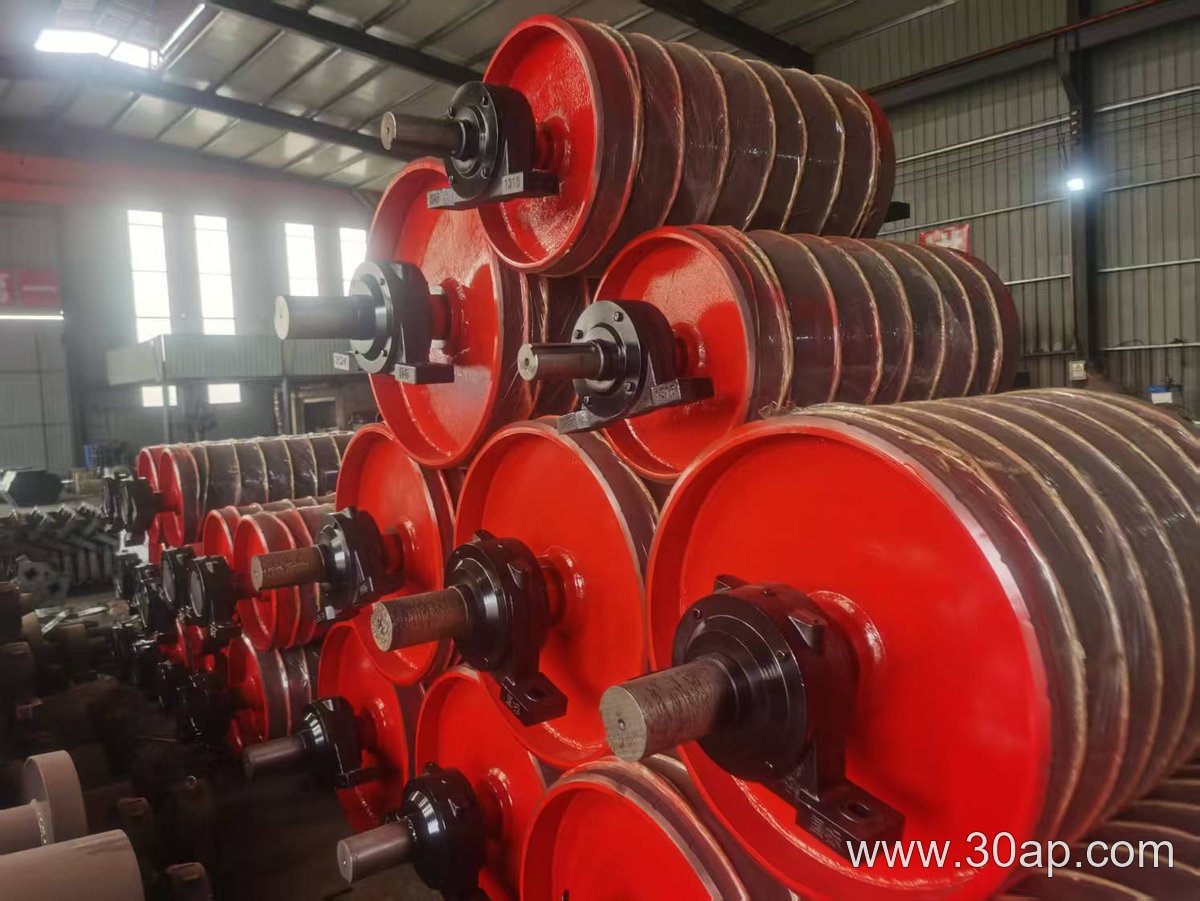
The conveyor pulley is not just a rotating cylinder; it is the mechanical heart that drives belt tension, traction, and tracking. Selecting the wrong pulley leads to belt slippage, premature wear, and costly downtime.
Key Types and Their Applications
- Drive (head) pulleys – transmit torque from the motor; require lagging for grip.
- Tail (return) pulleys – maintain belt tension and alignment at the loading end.
- Snub pulleys – increase wrap angle on the drive for higher traction.
- Take-up pulleys – compensate for belt stretch and thermal expansion.
Critical Selection Criteria
Match the pulley diameter to belt width and speed to avoid excessive flexing. Verify shaft stress against peak load, not just average tonnage. Choose crown-faced pulleys for self-centering belts, and specify ceramic or rubber lagging for wet or high-friction environments.
Purchasing Advice
- Always request calculated drawings with bearing life and weld integrity specs.
- Prefer suppliers that offer balanced assemblies to reduce vibration.
- Consider spare pulleys for critical lines—lead time often exceeds 6 weeks.
- Inspect for proper sealing—dust ingress is the top cause of bearing failure.
Invest in a pulley engineered for your exact belt tension and material density; a robust pulley reduces energy cost and extends belt life.
Why the Conveyor Bracket Deserves Your Attention
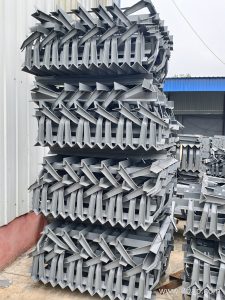
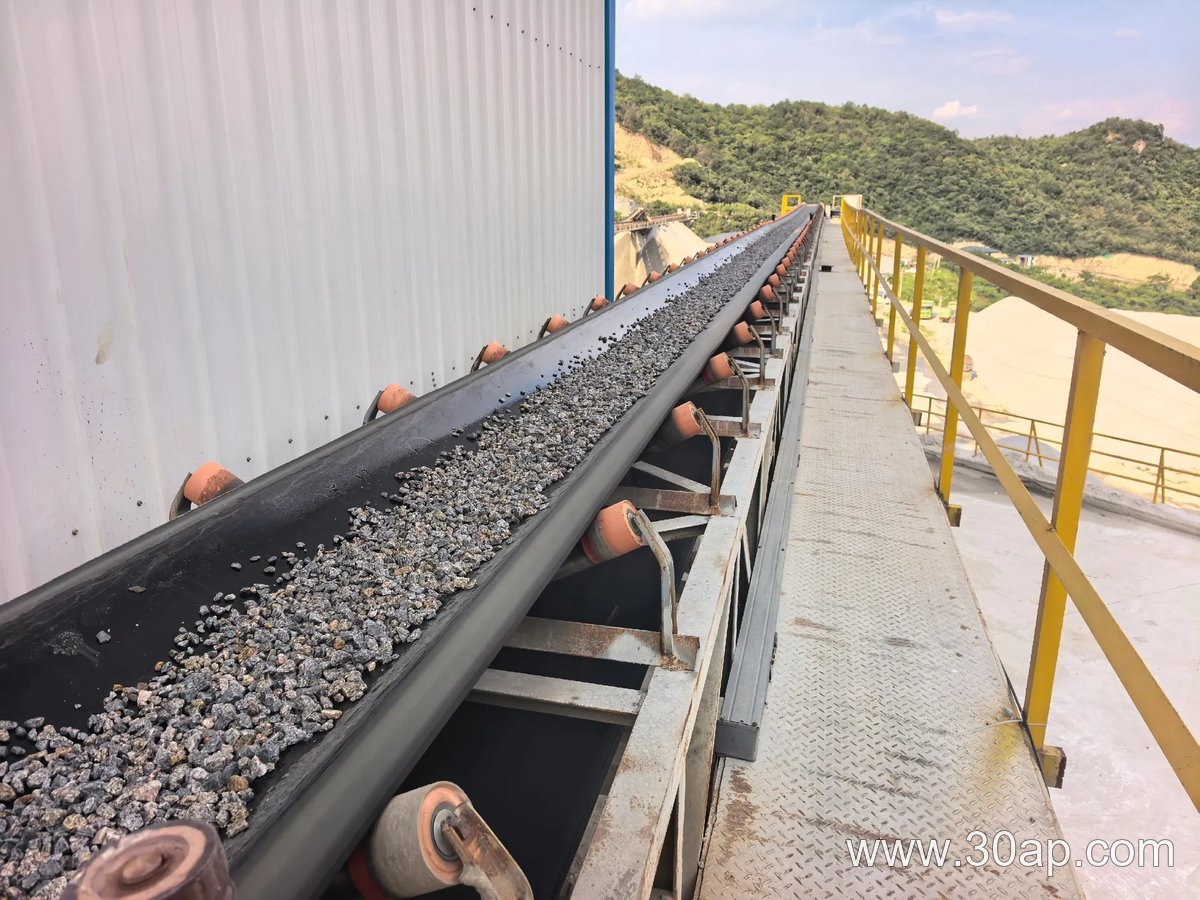
The conveyor bracket is the unassuming metal or polymer component that anchors rollers, idlers, and drives to your frame. Often overlooked, a poorly chosen bracket causes misalignment, vibration, and premature belt wear. For any industrial buyer, understanding bracket geometry and load rating is the first step toward a durable system.
Key Selection Criteria
- Material: Powder-coated steel for heavy loads; stainless or nylon for washdown or corrosive environments.
- Adjustability: Slotted or multi-hole brackets allow precise roller height and angle tuning.
- Mounting type: Welded, bolted, or clamp-on—choose bolted for maintenance ease.
Purchasing Advice
Always verify the bracket’s static and dynamic load capacity against your conveyor’s peak throughput. Request a sample for fit testing with your actual roller shaft diameter. Also, check if the bracket’s bolt pattern matches your existing frame—custom drilling adds cost and lead time. For high-speed lines, select brackets with rubber dampening inserts to reduce noise and extend idler life.
Why the Conveyor Belt Defines Your Material Flow
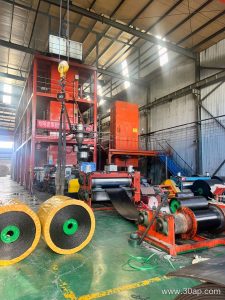
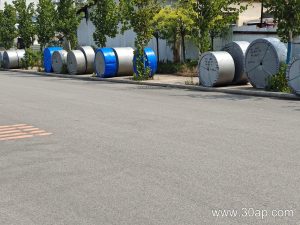
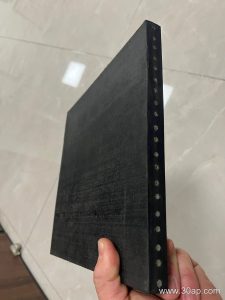
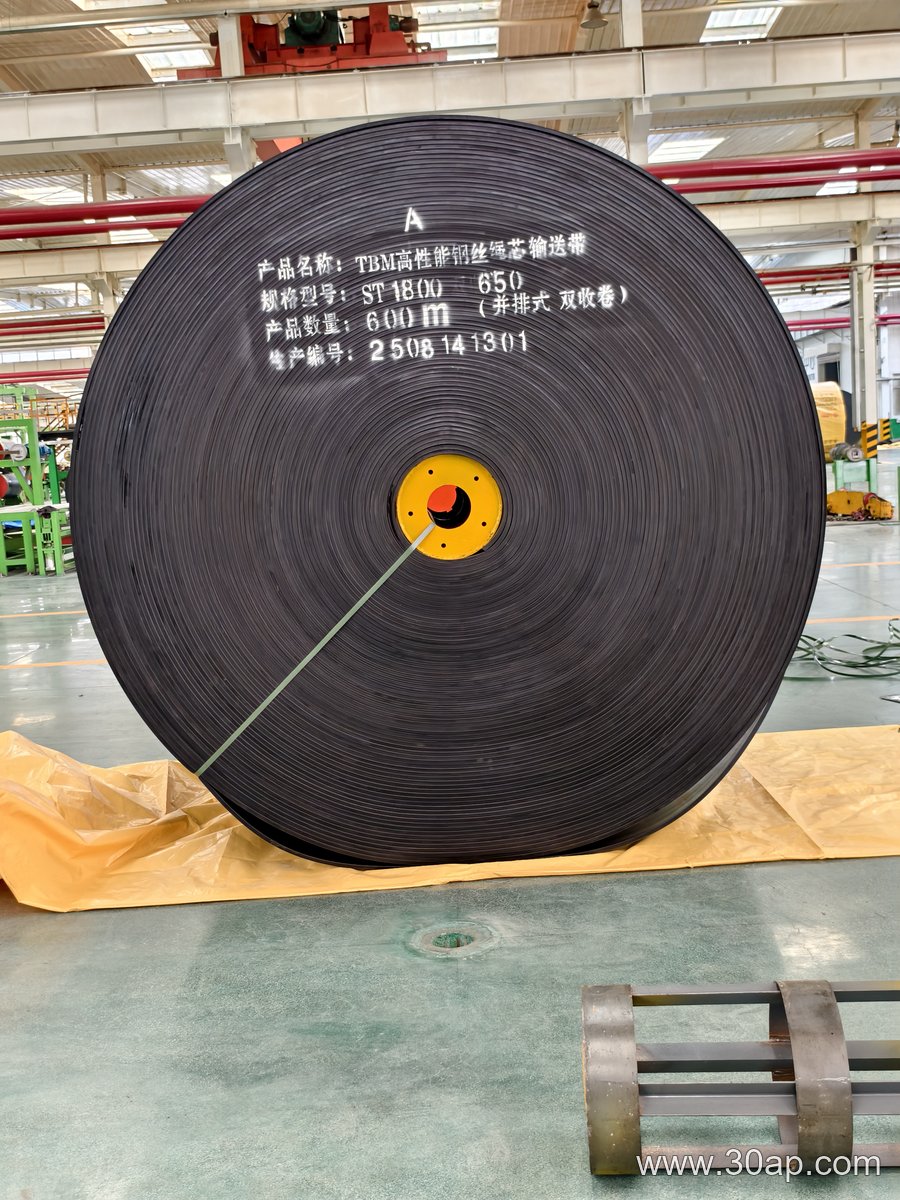
The conveyor belt is the single most critical component in any bulk handling or assembly system. A poorly chosen belt causes downtime, product damage, and inflated energy costs.
Core Considerations for Industrial Buyers
- Material compatibility: Match belt polymer (rubber, PVC, polyurethane) to the load’s temperature, abrasiveness, and chemical exposure.
- Tension and load rating: Calculate peak belt tension including start-up surge; never undersize carcass strength.
- Surface profile: Choose smooth, chevron, or cleated patterns to prevent slip on inclines or during wet processing.
Purchasing and Maintenance Advice
Request a splice sample and verify joint strength before ordering. For long-term value, compare total cost of ownership—not just price per meter—including anticipated wear life and splice downtime.
Always specify belt tracking guides and edge sealing if your conveyor runs at high speed or with fine particles. Finally, partner with suppliers offering on-site vulcanization services to reduce replacement delays.