What an Impact Resistant Idler Does at the Loading Zone
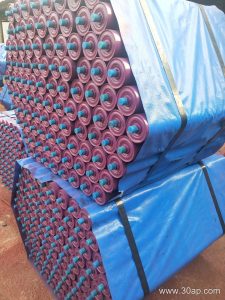
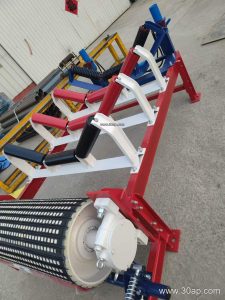
An impact resistant idler is a heavy-duty idler roller placed where material hits the conveyor belt with force, usually directly under the chute or crusher discharge. Instead of a plain steel shell, this roller carries rubber rings or a thick rubber sleeve that absorbs the energy of falling rock, ore or clinker. The goal is simple: protect the belt, keep the belt line stable and reduce the shock that travels into the frame, bearings and conveyor bracket.
In a quarry, sand and aggregate line or iron ore plant, the drop height at the transfer point can be considerable. A standard carrying idler may cope with the weight but not the repeated hammering. The impact resistant idler, also called a rubber-disc impact roller or buffer roller, softens that first contact so the belt cover is not cut or bruised.
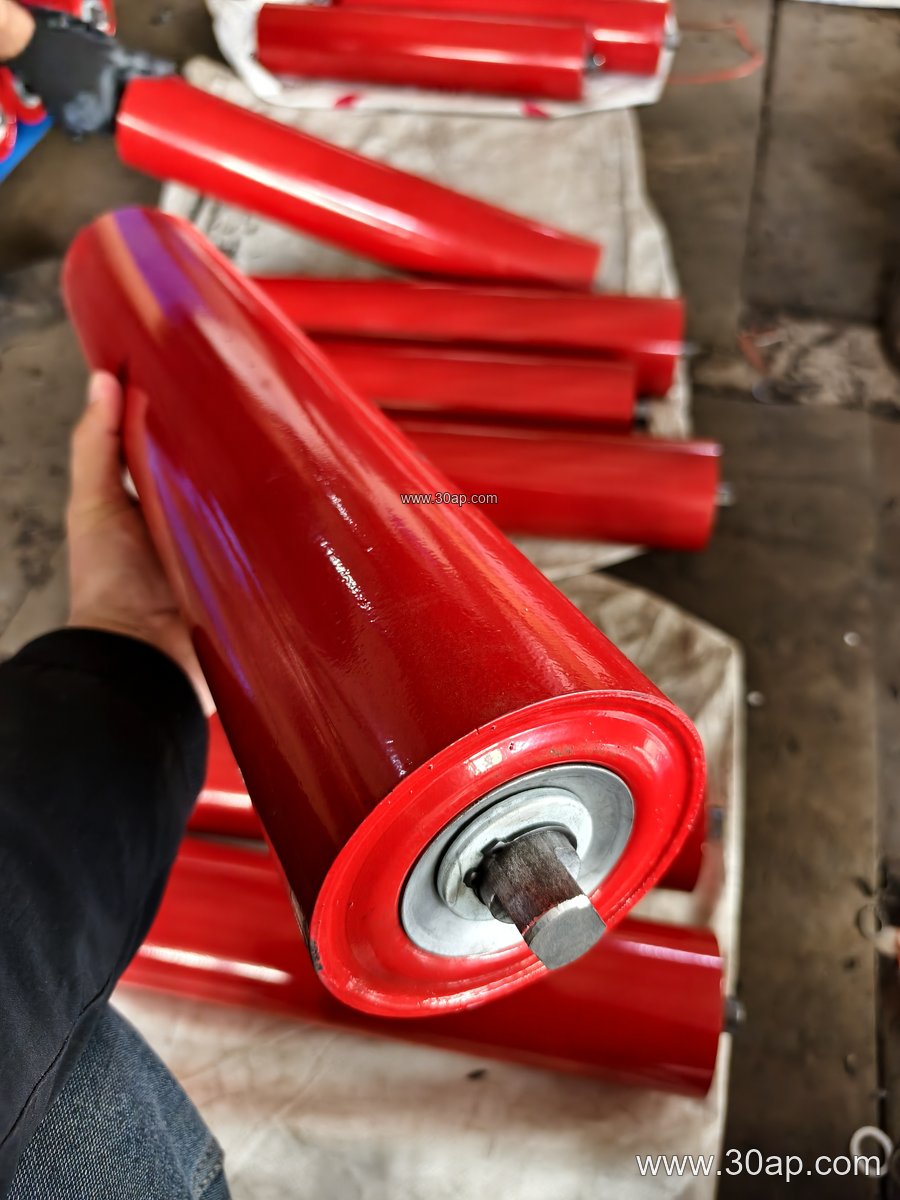
How the Roller Is Built
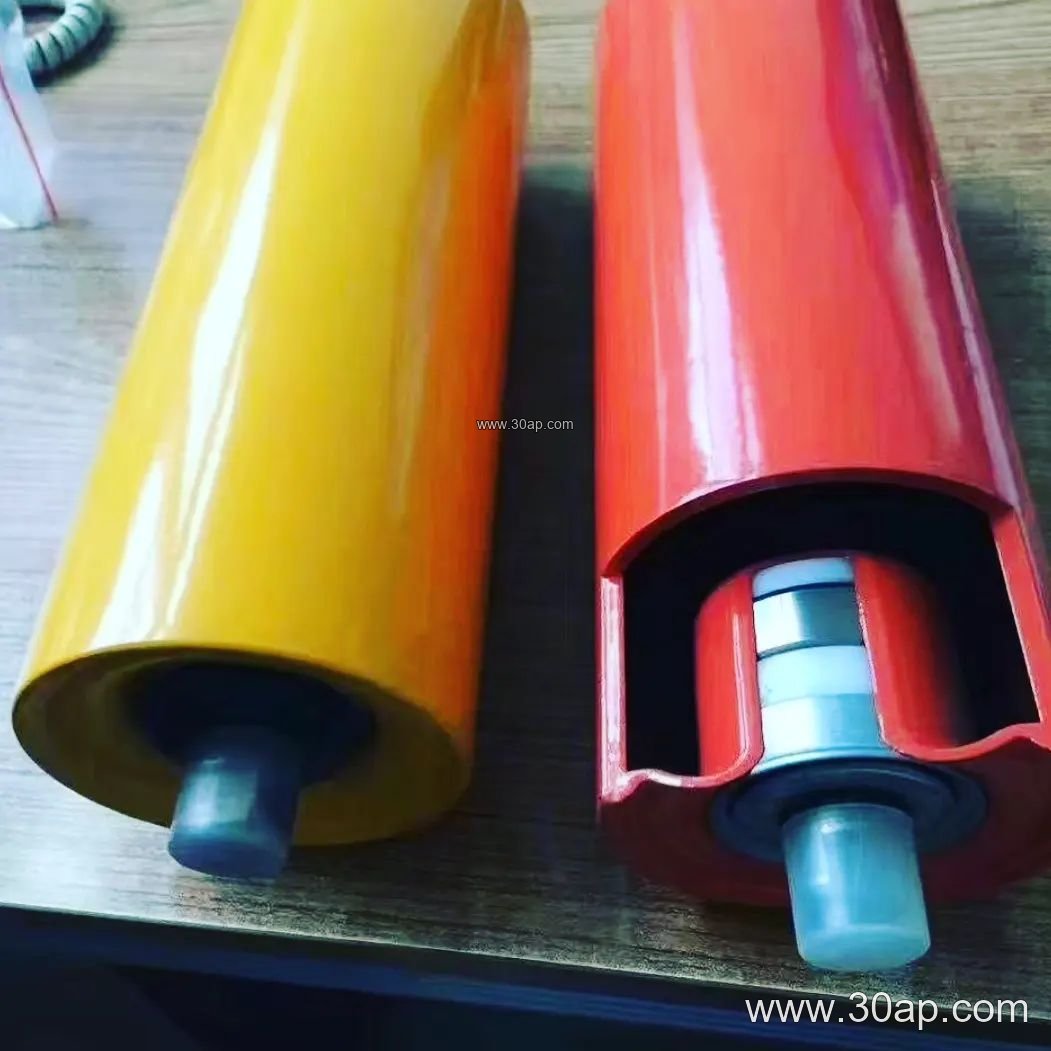
The core is usually a steel tube with a shaft and bearing housing at each end. Around the shell, a series of rubber rings or a continuous rubber lagging is fitted. The rubber rings are spaced so the belt rests on a flexible surface rather than on bare metal. Common bearing sizes for this family include 6205, 6305, 6306 and 6308, matched to the shaft and load rather than to one fixed roller diameter.
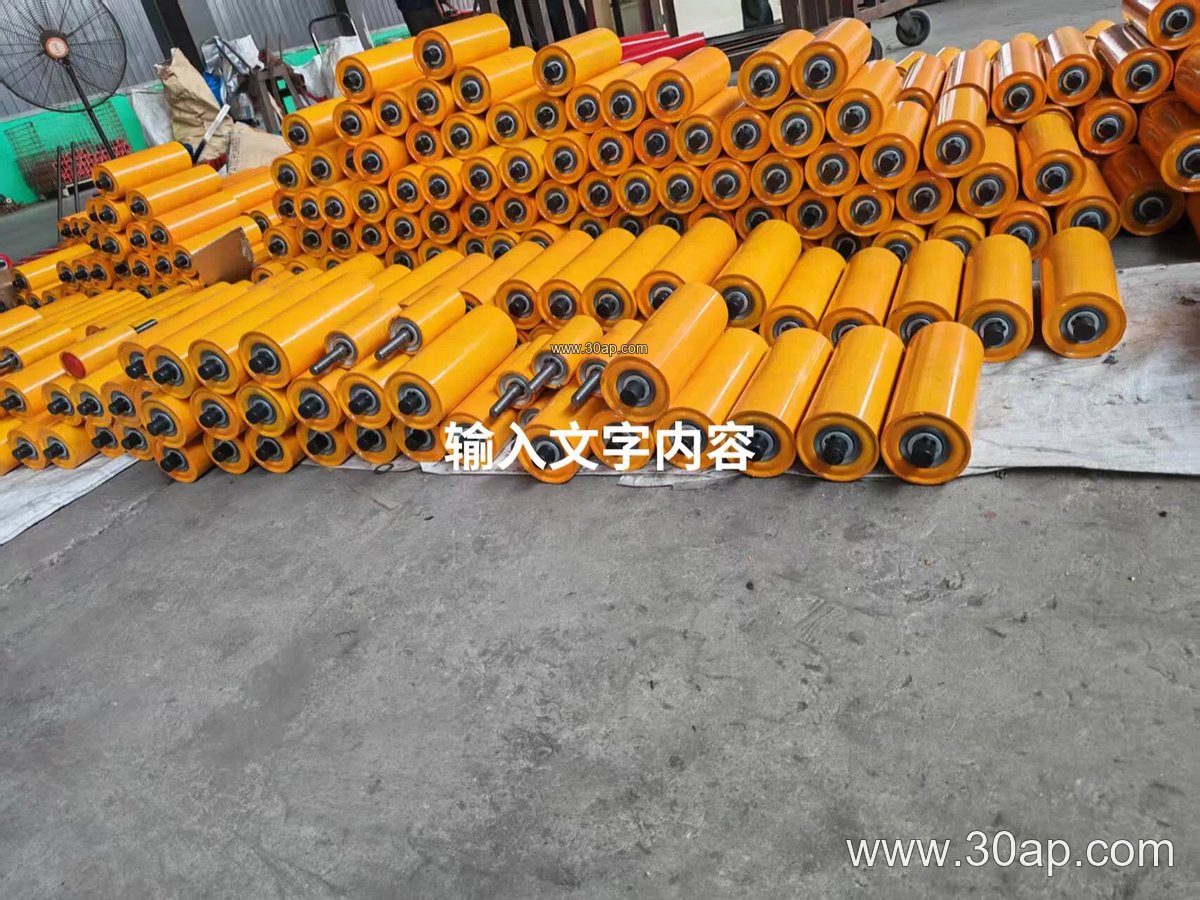
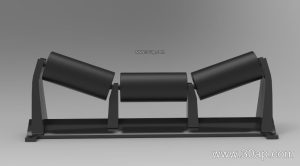
Typical roller diameters run from about Ø89 mm up to Ø159 mm or more, depending on belt width and the size of the lumps. The roller length follows the belt width and the trough arrangement. For a three-roll trough set, common roll lengths are roughly 250 mm at B650, 315 mm at B800, 380 mm at B1000 and 465 mm at B1200, with side rolls often shorter than the centre roll. These are reference examples, not fixed matches, and the final dimensions should be confirmed by the conveyor design.
| Parameter | Common range |
|---|---|
| Roller diameter | Ø89, Ø102, Ø108, Ø127, Ø133, Ø159 mm |
| Belt width | B500 to B2000 mm |
| Trough angle | 20°, 30°, 35°, 45° |
| Roll surface | Rubber rings, rubber sleeve, steel tube |
| Bearing | 6205, 6305, 6306, 6308 |
Where It Fits on the Conveyor
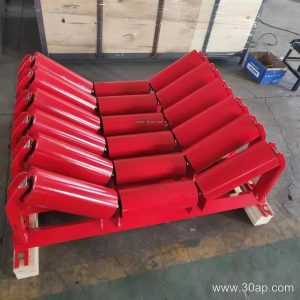
The impact resistant idler belongs at the feed point, not along the whole carrying run. A typical arrangement uses several buffer rollers in a row under the skirted loading area, followed by standard troughing idlers. In a coal handling system at a power plant, or a limestone transfer house at a cement plant, this short buffer section takes the wear that would otherwise reach every downstream roller.
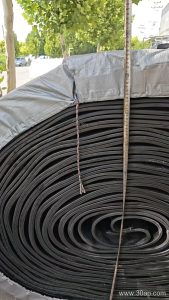
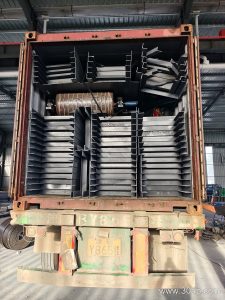
It is often paired with a skirted conveyor belt or a corrugated sidewall conveyor belt so that material stays centred during the drop. Where the conveyed product is abrasive, an abrasion resistant conveyor belt and rubber-ring impact rollers work well together. In underground mining, a flame retardant conveyor belt is normally required, and the rubber parts of the idler should suit the same environment.
Choosing the Right Buffer Roller
Buyers should look at three things: the maximum lump size, the drop height and the belt speed. Larger lumps and higher drops call for thicker rubber and a larger roller diameter. The trough angle also matters, because a 35° or 45° set holds the belt deeper and spreads the load across the rolls.
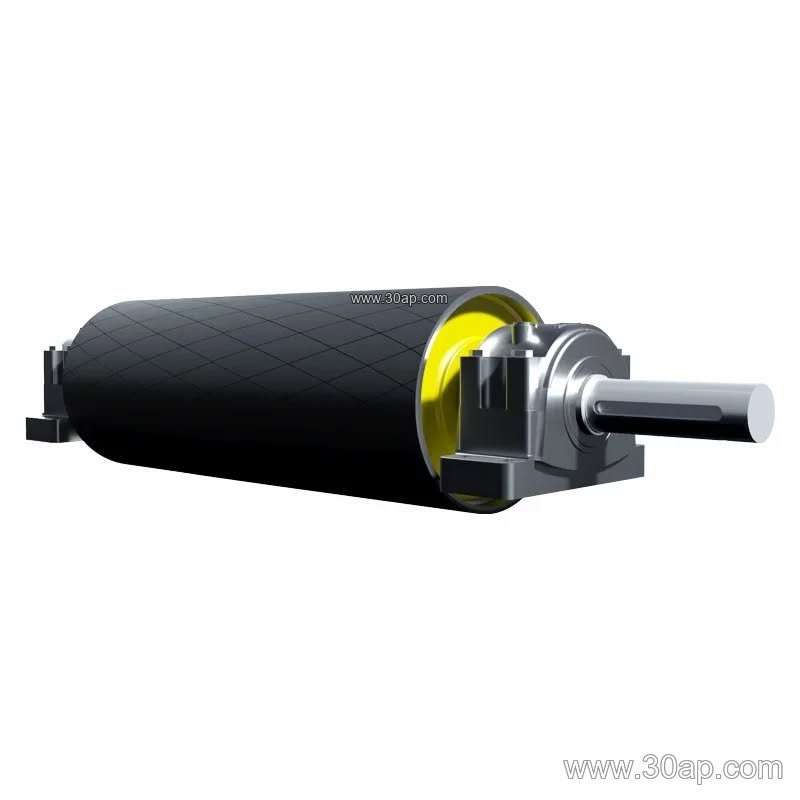
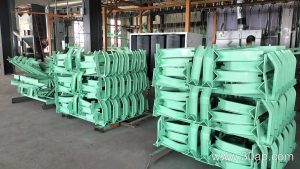
Check that the roller frame matches the existing conveyor bracket and that the shaft ends fit the mounting slots. The bearing seal should be suited to dust and water, especially in a wash plant or a port terminal. If the conveyor uses an EP conveyor belt or a steel cord conveyor belt, the impact section still needs its own buffer rollers, because belt strength does not absorb point loads.
- Confirm roller diameter and roll length against the frame drawing.
- Match the rubber hardness to the material weight and lump size.
- Keep a spare set of rings for the loading zone.
- Inspect the buffer section more often than the rest of the line.
Maintenance Notes
Rubber rings wear, flatten or split over time, and a worn ring lets the belt sit on the steel shell. Replace rings before the shell is exposed. Check that the roller turns freely and listen for bearing noise during shutdowns. A seized buffer roller can damage the belt cover quickly, so routine inspection at the loading point pays for itself.
For matching conveyor components, visit www.example.com/conveyor-idler and www.example.com/impact-resistant-idler, and for belt selection see www.example.com/conveyor-belt. The impact resistant idler is a small part of the line, but at the loading zone it is often the part that decides how long the belt lasts.